




Overview of the Steam Frame and Its Place in the VR Landscape
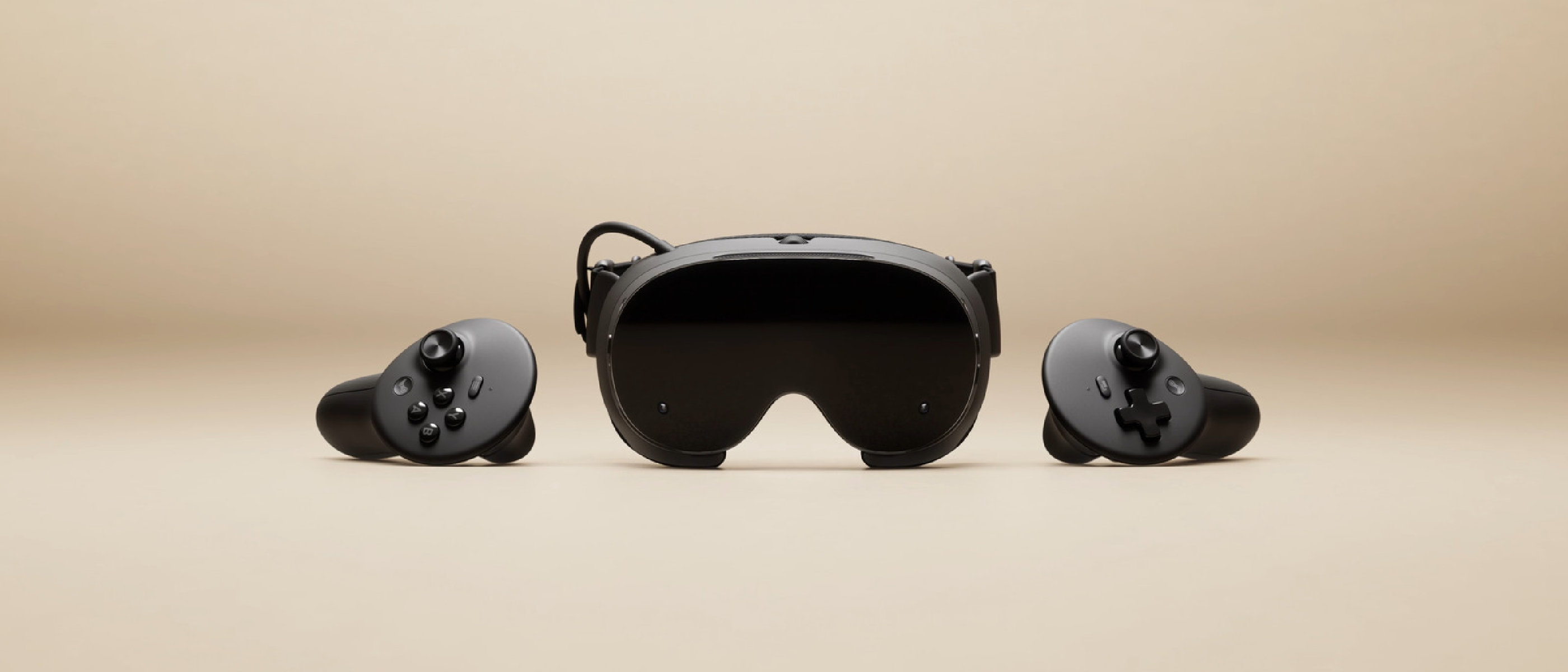
Valve’s Steam Frame entered the market with a price tag of $1,059, positioning itself as a premium standalone headset that can also stream PC‑powered VR experiences. The device supports the full Steam library—including flagship titles like Half‑Life: Alyx—and offers wireless PC streaming, micro‑SD expansion, and a modular optics system. Its magnetic lenses sit on an IPD rail, allowing users (and technicians) to swap displays or recalibrate eye‑tracking without disassembling the entire headset. Quick‑release latches on the head strap expose a rear‑mounted battery, while replaceable hygiene components (nose bridge, face cushions, headrest) address the wear‑and‑tear concerns that have plagued earlier VR headsets.
From a consumer‑centric perspective, the Steam Frame appears to be a step forward in serviceability, especially when compared to the sealed designs of many competing devices. Yet, the real test of a product’s longevity lies in how easily it can be repaired when something goes wrong. That is where iFixit’s teardown becomes a crucial data point for both buyers and the broader VR ecosystem.
iFixit Teardown Methodology and Key Findings
iFixit, Valve’s official repair partner, approached the teardown with its standard “repairability score” framework, assigning points for ease of access, part availability, and the need for specialized tools. The overall impression was positive: most core components are reachable without excessive disassembly, and the headset’s modular optics were praised for their simplicity.
Highlights from the Teardown
- Magnetic Lens System: Lenses detach cleanly from the IPD rail, enabling straightforward display swaps or eye‑tracking sensor replacements.
- Head Strap Latches: The quick‑release mechanism grants rapid access to the rear battery compartment, a rarity among high‑end VR headsets.
- Hygiene Parts: Nose bridge, face cushion, and headrest cushion are designed for user replacement, extending the device’s usable life.
- Heat Pipe Architecture: The cooling solution separates the heat pipe from the fan, allowing independent servicing of each component.
Despite these strengths, iFixit identified a single, glaring obstacle: the cooling fan is buried deep within the headset’s thermal core. The teardown quote captures the difficulty: “To get to it, you have to snake past the optical assemblies, making your way through a dense jungle of thermal hardware, cables and other components.” This design choice forces technicians to navigate a maze of delicate parts, increasing labor time and the risk of collateral damage.
Deep Dive: The Cooling Fan Accessibility Issue
Why the Fan Matters
The fan is the primary active cooling element that dissipates heat generated by the headset’s processor and display drivers. Overheating can lead to throttling, reduced visual fidelity, and, in worst‑case scenarios, permanent component failure. A repair‑oriented design would place the fan in a location that balances thermal efficiency with serviceability.
Technical Obstacles
- Layered Optical Assemblies: The fan sits behind the lenses, mirrors, and eye‑tracking sensors. Removing these components requires careful handling to avoid misalignment.
- Thermal Hardware Jungle: Heat pipes, thermal pads, and a secondary passive radiator occupy the same volume, creating a congested interior.
- Cable Management: Multiple flex cables route power and data to the fan, display, and sensors. Disconnecting them without tearing or shorting is non‑trivial.
The cumulative effect is a repair process that could take upwards of an hour for a skilled technician, compared to the 15‑20 minutes typical for battery or cushion replacements. Moreover, the fan is not user‑replaceable; it lacks a release tab and must be pried out with isopropyl‑treated tools, further complicating the procedure.
Cost Implications
Valve’s warranty covers fan failures, but out‑of‑warranty repairs will likely be priced at a premium due to the labor intensity. iFixit’s store plans to stock replacement fans eventually, yet the initial unavailability of key parts—such as batteries and displays—means early adopters may face extended downtime.
Comparative Repairability: Valve vs. Competitors
When placed side‑by‑side with other premium headsets, the Steam Frame’s repair profile shows both progress and regression.
| Component | Steam Frame | Meta Quest 3 | HTC Vive Pro 2 |
|---|---|---|---|
| Lens/Display Swap | Magnetic, easy | Fixed, not user‑serviceable | Fixed, limited |
| Battery Access | Quick‑release latch | Removable but requires tools | Internal, difficult |
| Fan Accessibility | Deep, complex | External, easy | Internal, moderate |
| Hygiene Parts | Replaceable | Replaceable | Replaceable |
| Official Parts Store | Planned (fan, battery) | Limited | Limited |
The Steam Frame outperforms the Quest 3 in modular optics and hygiene part design, but falls short on fan accessibility. HTC’s Vive Pro 2 offers a middle ground: the fan is internal but not as deeply buried as Valve’s. This comparative lens underscores how a single design decision can tip the balance of overall serviceability.
For readers interested in broader hardware repair trends, see the recent analysis of the Xteink X4 Pro’s limitations, which also highlights how compact designs can compromise repair pathways: https://ltdeveloperblogs.github.io/posts/xteink-x4-pro-pocket-e-reader-review-2026-fun-but-limited
Implications for Consumers, Modders, and the VR Industry
Consumer Confidence
A high repairability score can boost buyer confidence, especially for a $1,059 investment. While Valve’s warranty mitigates risk, the hidden cost of a hard‑to‑reach fan may deter power users who prefer DIY fixes. Transparency about part availability and repair guides will be essential to maintain trust.
Modding Community Impact
The VR modding scene thrives on open hardware. The magnetic lens system invites experimentation with custom optics, but the fan’s inaccessibility could limit thermal‑mod projects, such as aftermarket cooling solutions or silent‑mode conversions. Community forums may develop workarounds, but these could void warranties.
Industry‑Wide Lessons
Valve’s approach illustrates a broader tension in premium device design: balancing performance‑driven thermal engineering with the growing consumer demand for right‑to‑repair. As regulators in several jurisdictions push for standardized repairability metrics, manufacturers may need to reconsider component placement. The iFixit teardown serves as a case study for future headset designs, encouraging engineers to allocate “service corridors” for critical components like fans.
Future Outlook
Valve has not announced a hardware revision, but the feedback loop from iFixit and early adopters could influence the next generation of Steam Frame or other Valve hardware. Potential improvements include:
- Relocating the fan to a more accessible chassis side panel.
- Adding a release tab or tool‑free latch for the fan module.
- Expanding the iFixit store inventory to include batteries and displays from launch.
If Valve adopts these changes, the Steam Frame could set a new benchmark for repair‑friendly VR hardware, challenging competitors to follow suit.
Frequently Asked Questions
Q1: Can I replace the Steam Frame’s fan myself?
A: Technically possible, but the fan is buried behind optical assemblies and thermal hardware. Without proper tools and experience, you risk damaging lenses or cables. Valve’s warranty covers fan failures, so most users should seek authorized service.
Q2: When will replacement parts be available on iFixit’s store?
A: iFixit confirmed that fan replacements will be stocked “eventually.” Batteries and displays are not available at launch, and no specific timeline has been announced.
Q3: How does the Steam Frame’s repairability compare to the Meta Quest 3?
A: The Steam Frame excels in modular optics and replaceable hygiene parts, while the Quest 3 offers easier fan access. Overall, the Steam Frame scores higher on component modularity but lower on fan serviceability.
Q4: Does the buried fan affect the headset’s performance?
A: The fan’s placement does not impact cooling efficiency; it is designed to manage heat effectively. The issue is solely related to serviceability, not day‑to‑day performance.
Q5: Are there any security concerns linked to the repair process?
A: Opening the headset can expose firmware and sensor data. While no specific vulnerabilities have been disclosed, the broader conversation about repair and security is reflected in recent exploits like the Zoom Zero‑Day Exploit:
https://ltdeveloperblogs.github.io/posts/zoom-flaw-let-an-attacker-take-over-your-device-including-iphone-and-mac
and the Zoom Annotation Flaw:
https://ltdeveloperblogs.github.io/posts/zoomsday-hack-uncovered-using-fewer-than-20-ai-prompts
.
In summary, iFixit’s teardown paints a nuanced picture of Valve’s Steam Frame: a headset that embraces modularity and user‑replaceable comfort components, yet stumbles over a deeply embedded cooling fan. The findings highlight the delicate balance between thermal engineering and right‑to‑repair principles. As the VR market matures, manufacturers that prioritize accessible design will likely earn both consumer loyalty and regulatory goodwill.
Source: Original Article