





Launch Hype and Critical Reception
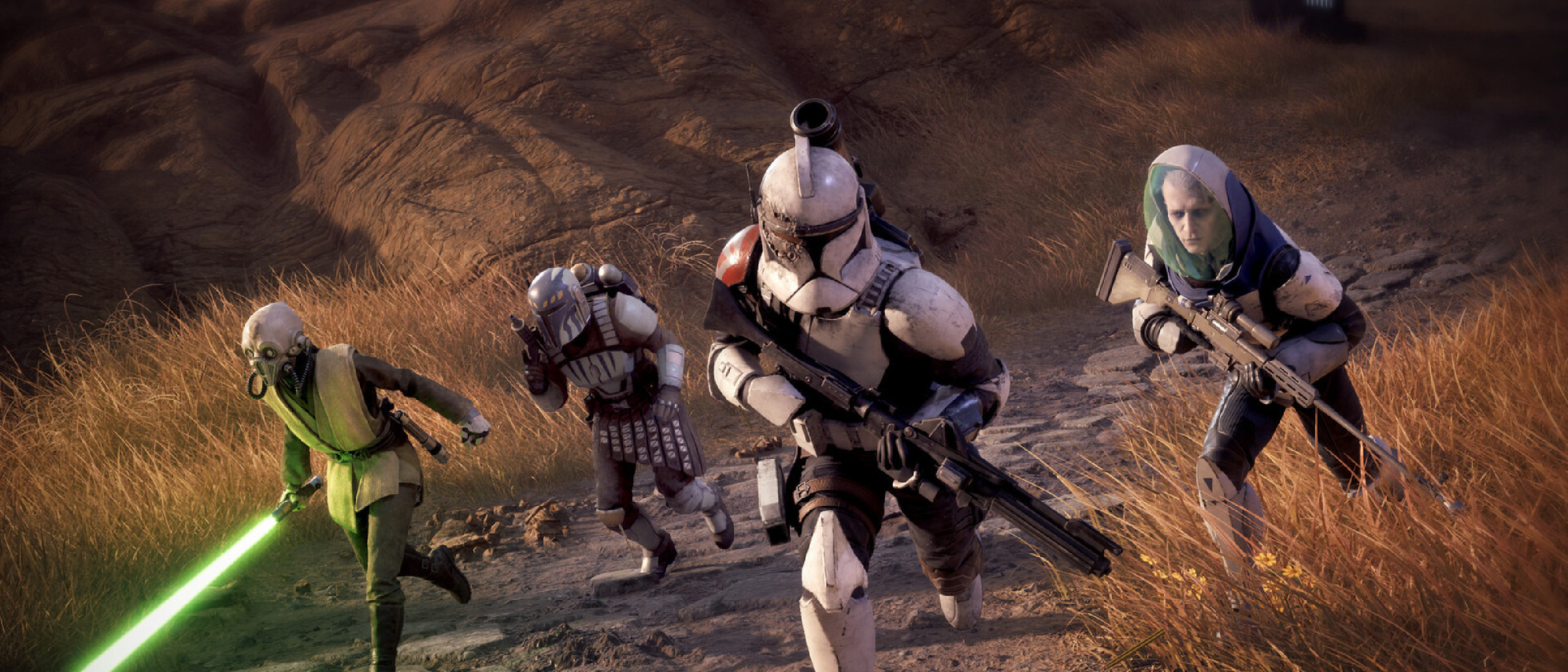
When Star Wars Zero Company hit shelves on August 27, the gaming community greeted it with enthusiasm. Leveraging Unreal Engine 5, the title promised a fresh X‑COM‑style tactical experience set in the beloved Star Wars universe. Early reviews praised its strategic depth, atmospheric design, and narrative integration, earning an 85 Metacritic aggregate and a “Mostly Positive” rating on Steam from nearly 9,000 reviewers.
Yet, beneath the accolades, a wave of technical complaints began to surface. Players on both PC and console reported crashes, severe stuttering, and input latency that turned what should have been a polished launch into a troubleshooting marathon. The disconnect between critical praise and on‑the‑ground performance has sparked a broader conversation about launch readiness in modern AAA pipelines.
Technical Breakdown: Why UE5 Is Struggling
Core Performance Symptoms
- Constant traversal stutter – Even simple unit movement feels jittery.
- Mouse‑and‑keyboard input lag – Delayed response hampers precision targeting.
- Mission‑breaking bugs – Certain actions force a forced restart.
- Frequent crashes – Reports of crashes as often as every hour, even on high‑end rigs.
- CPU threading bottlenecks – Utilization spikes suggest poor multi‑core scaling.
Engine‑Level Factors
Unreal Engine 5 introduces Nanite and Lumen, technologies that can dramatically improve visual fidelity when implemented correctly. However, Zero Company appears to suffer from:
- Improper Nanite streaming – Large tactical maps cause texture pop‑in and geometry hitching.
- Lumen lighting recalculations – Real‑time global illumination is being recomputed each frame during combat, overwhelming the GPU.
- Thread affinity mismanagement – The AI and physics subsystems compete for the same cores, leading to the observed CPU threading issues.
Hardware Benchmarks
The author’s test rig (Ryzen 7 5800X3D, RTX 5060 Ti, 16 GB RAM) managed an average 45 FPS in mid‑game, dropping below 30 FPS during intense encounters. Even users with RTX 5090 GPUs reported sub‑optimal frame rates, confirming that the problem is not merely a lack of raw power but an architectural inefficiency within the game’s codebase.
Console Parity
PlayStation 5 and Xbox Series X|S owners have echoed PC findings: random crashes and stutter spikes during long missions. The lack of platform‑specific optimizations suggests that the performance crisis is rooted in the shared UE5 build rather than isolated hardware quirks.
Staffing Crisis and Legal Turmoil at Bit Reactor
The technical fallout is compounded by a severe internal crisis at the developer, Bit Reactor. According to Game File reporter Stephen Totilo, up to 80 % of the studio’s staff have been furloughed just weeks before launch, with many employees not receiving pay. This abrupt reduction in manpower has left the remaining team scrambling to address the avalanche of bugs.
Simultaneously, a co‑founder is embroiled in a legal dispute slated for trial in early 2027. While the lawsuit does not directly involve the game’s code, the distraction drains executive focus and financial resources that could otherwise be allocated to post‑launch support.
The situation mirrors the staffing turmoil reported in the Uber Cuts 3,000 Jobs, Enforces Return-to-Office Policy article, where rapid downsizing led to operational strain. In both cases, the reduction of critical talent during a high‑visibility period jeopardizes product stability and brand reputation.
Industry Impact: Lessons from Jedi: Survivor and the Indie Landscape
The Jedi: Survivor Parallel
Jedi: Survivor—also published by EA and built on a similar UE5 foundation—launched with comparable performance woes: traversal stutter, shader compilation delays, and an initial lack of DLSS support for NVIDIA GPUs. Despite a series of patches, the game still stutters on many systems, illustrating how deep‑seated engine issues can persist for years.
The parallel is stark: two high‑profile Star Wars titles, both under EA’s publishing umbrella, suffering from analogous technical debt. This raises questions about EA’s quality‑assurance pipelines and whether the publisher is allocating sufficient resources to post‑launch support for its partners.
Indie Counterpoint: Mortal Shell II
In contrast, indie studio Cold Symmetry released Mortal Shell II just seven days before Zero Company and promptly delivered a “Week One” update that addressed early bugs and performance concerns. The swift response underscores how a lean, focused development team can maintain agility even after launch—a capability Bit Reactor currently lacks due to its staffing cuts.
Broader Market Implications
- Consumer Trust: Repeated technical failures across flagship titles erode confidence in both the publisher and the underlying engine.
- Publisher‑Developer Dynamics: EA may need to reconsider its contractual expectations, offering more robust support to studios facing unexpected post‑launch crises.
- Engine Reputation: Unreal Engine 5’s promise of next‑gen visuals is being tarnished by real‑world performance bottlenecks, potentially prompting studios to evaluate alternative engines for future projects.
Future Outlook: Patches, Community Response, and Possible Scenarios
Patch Roadmap Expectations
Bit Reactor’s official Steam forum statement—“We’ll let you know when we’re able to provide an update”—offers little reassurance. However, community‑driven diagnostics (e.g., YouTuber Daniel Owen’s detailed PC performance videos) have already identified specific culprits, such as Nanite streaming thresholds and Lumen bounce calculations. If the remaining team can isolate these variables, a targeted hot‑fix could restore baseline stability.
Community Mitigation Strategies
- Launch Options: Players have reported modest gains by disabling Lumen (via console command) and lowering Nanite detail.
- Driver Updates: Ensuring the latest GPU drivers are installed can alleviate some input lag.
- Frequent Saves: Given the crash frequency, adopting a “save‑every‑5‑minutes” habit is prudent.
Potential Outcomes
| Scenario | Likelihood | Impact on Stakeholders |
|---|---|---|
| Rapid Patch (within 2 months) | Low‑moderate | Restores player goodwill; mitigates legal risk for Bit Reactor. |
| Extended Support (patches over 12 months) | Moderate | Keeps the game alive but may never reach the polish promised at launch. |
| Abandonment (no further updates) | Moderate‑high | Leads to permanent sales decline; damages EA’s reputation and could trigger refunds or legal claims. |
The path chosen will influence not only Zero Company’s lifespan but also set a precedent for how EA handles future collaborations with indie partners.
Frequently Asked Questions
Q: Is Star Wars Zero Company still worth buying?
A: For players with high‑end hardware willing to tolerate early bugs and manually tweak settings, the core tactical experience remains compelling. However, risk‑averse gamers may prefer to wait for a stable patch.
Q: Will EA provide additional resources to Bit Reactor?
A: EA has not publicly committed extra support. Past behavior with Jedi: Survivor suggests they may issue patches, but the depth of involvement is uncertain.
Q: How does the performance of Zero Company compare to Mortal Shell II?
A: Mortal Shell II launched with a clean performance profile and received a swift post‑launch update. Zero Company suffers from systemic UE5 issues that require more extensive engine‑level fixes.
Q: Can I play the game on console without issues?
A: Console performance mirrors PC problems, with occasional crashes and stutter. Disabling certain graphical features is not possible on console, limiting mitigation options.
Q: What does the legal dispute mean for the game’s future?
A : The co‑founder’s trial in early 2027 diverts executive attention and may delay or reduce resources allocated to bug fixing, potentially prolonging the instability period.
Conclusion
Star Wars Zero Company arrived as a promising addition to the tactical genre
but its launch has been eclipsed by a cascade of technical failures and an unsettling internal crisis at its creator. The game’s core design—tight turn‑based combat, rich Star Wars lore, and a fresh tactical spin—still shines through the glitches, yet the current state feels more like a beta test than a finished product. For a title that could have set a new benchmark for UE5‑driven strategy games, the reality is a stark reminder that even cutting‑edge technology can crumble without adequate manpower, rigorous QA, and a stable development pipeline.
What This Means for Players and the Industry
- Players must weigh the allure of the game’s strategic depth against the very real risk of crashes and lost progress. Those who can tolerate a rough experience and are comfortable tweaking engine settings may still find value, but the average consumer is likely to be deterred until a solid patch lands.
- Bit Reactor faces an existential crossroads. With the majority of its team furloughed, the studio’s capacity to deliver comprehensive fixes is severely limited. Unless EA steps in with additional resources—or the remaining developers can secure external assistance—the likelihood of a swift, all‑encompassing patch remains slim.
- EA must confront the broader perception that its publishing model leaves smaller partners exposed during critical launch windows. A more proactive stance—whether through dedicated QA support, financial backing for post‑launch hot‑fixes, or a revised milestone structure—could mitigate future fallout.
- Unreal Engine 5 continues to prove its visual prowess, but the Zero Company case study underscores the importance of proper implementation. Engine features like Nanite and Lumen are powerful tools, yet they demand meticulous optimization, especially in complex, AI‑heavy titles.
Looking Ahead
The next few months will be decisive. If Bit Reactor can deliver a meaningful update that addresses Nanite streaming thresholds, refines Lumen calculations, and untangles the CPU threading conflicts, Star Wars Zero Company could recover its reputation and fulfill the promise it showed at launch. Conversely, prolonged neglect may consign the game to the growing list of high‑profile releases that never quite lived up to their hype, serving as a cautionary tale for both publishers and indie studios navigating the pressures of modern AAA development.
In the meantime, the community remains vocal. Forums are buzzing with workarounds, fan‑made performance guides, and calls for transparency. The collective patience of players will likely be tested, but the outpouring of support also signals that there is still a dedicated audience eager to see this tactical gem reach its full potential.
Final Thoughts
Star Wars Zero Company stands at a crossroads where artistic ambition collides with harsh technical reality. Its fate will hinge not only on the efficacy of forthcoming patches but also on the willingness of EA and Bit Reactor to prioritize long‑term stability over short‑term optics. For now, the game remains a tantalizing glimpse of what could be—a reminder that even in a galaxy far, far away, the fundamentals of solid engineering and sustainable development are universal.
Source: Original Article