



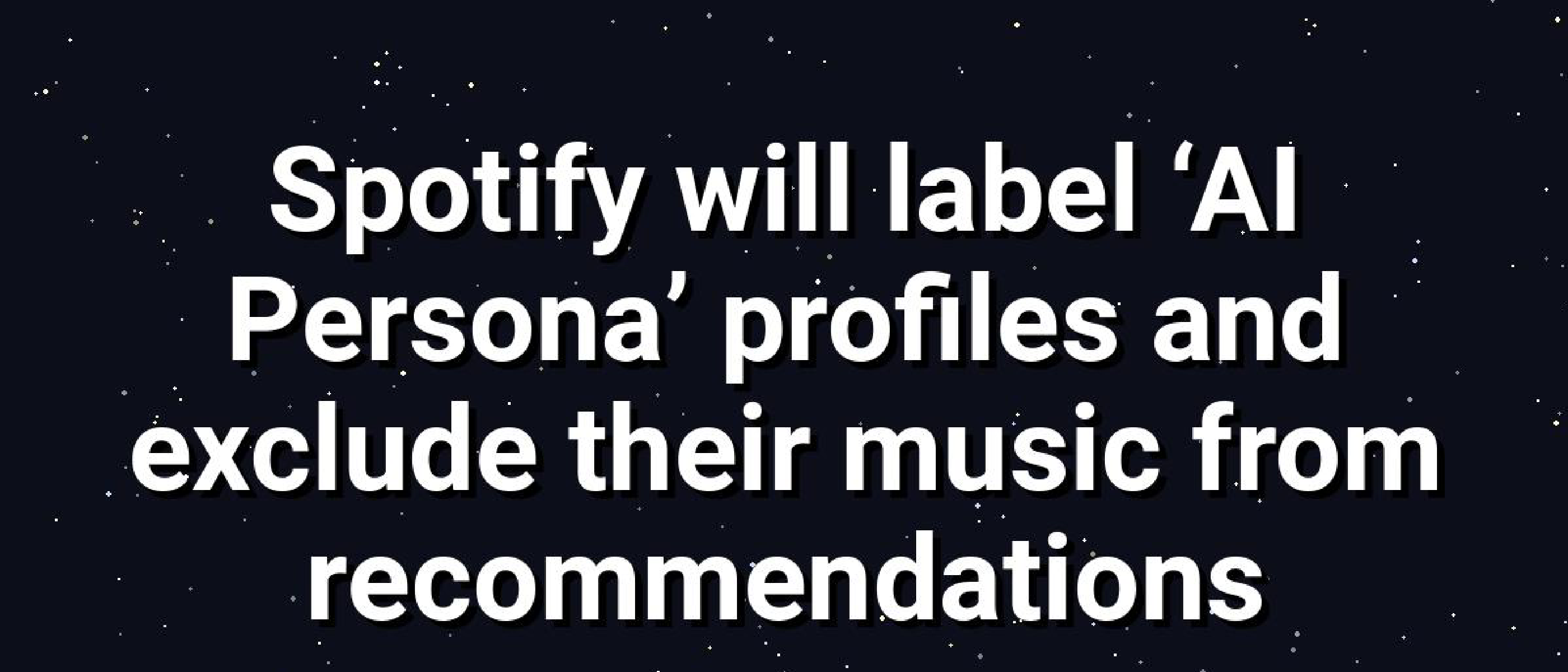
Spotify’s AI Persona Labels: A Bold Step Toward Music Authenticity
In an industry increasingly flooded with AI-generated content, Spotify is drawing a clear line in the sand. Starting mid-September 2026, the streaming giant will begin labeling AI-generated artist profiles with “AI Persona” tags and exclude their music from editorial and algorithmic recommendations. This move is part of Spotify’s broader strategy to balance innovation with authenticity, ensuring users can distinguish between human artists and AI-generated personas. But what does this policy entail, and why does it matter for the future of music?
The AI Persona Labeling System: A Technical Breakdown
Spotify’s new AI Persona labeling system is designed to bring transparency to its platform. Here’s how it works:
1. Where the Labels Appear
The “AI Persona” badge will be visible in multiple locations across the platform:
- Artist profile banners
- The “About” section of artist profiles
- Search results
- Track rows in playlists
This ensures users are aware of an artist’s AI-generated status at every touchpoint.
2. Implementation Timeline
- August 11, 2026: Artists can begin self-disclosing as AI Personas.
- Mid-September 2026: Spotify will start rolling out the labels, prioritizing profiles that meet pre-defined audience thresholds (e.g., higher-listening artists).
3. Review and Appeals Process
Spotify won’t rely solely on self-disclosure. The company will:
- Review profiles where the artist’s name and imagery appear photorealistic or AI-generated.
- Allow artists to appeal if they believe the label was incorrectly applied.
This dual-layered approach ensures accuracy while preventing misuse.
4. Exclusion from Recommendations
AI Personas will be excluded from:
- Editorial recommendations
- Algorithmic playlists (e.g., Discover Weekly, Release Radar)
- Personalized recommendations
The only exception? If a user explicitly follows an AI Persona, their music may appear in the user’s feed.
Why Spotify’s Policy Matters: Industry Impact
Spotify’s decision reflects a growing tension in the music industry: how to embrace AI innovation without diluting artistic authenticity. Here’s why this policy is a game-changer:
1. Combating “AI Slop”
The term “AI slop”—low-quality, mass-produced AI content—has become a hot-button issue. Platforms like YouTube have already taken steps to curb it by tightening monetization rules for AI-generated videos. Spotify’s policy aligns with this trend, ensuring users aren’t overwhelmed by low-effort, algorithmically generated music.
For more on how platforms are fighting AI slop, check out our article on YouTube’s new monetization rules .
2. Protecting Human Artists
By excluding AI Personas from recommendations, Spotify is prioritizing human creativity. This move could help independent artists compete in an increasingly crowded market, where AI-generated tracks can flood playlists and drown out organic talent.
3. Balancing Innovation and Authenticity
Spotify isn’t rejecting AI outright. The company is still investing in AI-powered features like:
- AI DJ (personalized DJ experience)
- Prompted Playlists (AI-generated playlists based on user input)
- AI Chat (interactive chat feature)
- AI Remixes (enabled by licensing deals with UMG and Merlin)
This dual approach—embracing AI tools while labeling AI-generated personas—sets a precedent for how platforms can innovate responsibly.
The Technical Challenges Behind AI Persona Detection
Identifying AI-generated artist profiles isn’t as simple as flipping a switch. Spotify’s system must account for several complexities:
1. Photorealistic AI Imagery
AI-generated images (e.g., artist profile pictures) are becoming indistinguishable from real photos. Spotify will need advanced image recognition tools to flag AI-generated visuals accurately.
2. AI-Generated vs. AI-Assisted Music
Spotify’s policy focuses on artist identity, not the music itself. This means:
- An AI-generated persona (e.g., a fictional artist with AI-created imagery) will be labeled.
- A human artist using AI tools (e.g., AI-assisted mixing or mastering) won’t be affected.
This distinction is crucial for avoiding overreach while maintaining transparency.
3. User Reporting and Moderation
Spotify plans to introduce a user reporting tool for unlabeled AI Personas. This crowdsourced approach will help the platform stay ahead of evolving AI techniques that might bypass automated detection.
What This Means for Artists and Listeners
For Artists
- Human artists benefit from reduced competition in recommendations.
- AI-generated personas can still exist on the platform but won’t be algorithmically promoted.
- Appeals process ensures fair labeling.
For Listeners
- Transparency: Users will know when an artist is AI-generated.
- Curated experience: Recommendations will focus on human creativity.
- Choice: Users can still follow AI Personas if they wish.
For the Music Industry
- Licensing deals (e.g., with UMG and Merlin) show that AI-generated content can coexist with human artistry—if properly regulated.
- Revenue models for AI-generated music will need to evolve to ensure fair compensation for original artists.
The Future of AI in Music: What’s Next?
Spotify’s policy is just the beginning. Here’s what we can expect in the coming years:
1. More Platforms Will Follow Suit
If Spotify’s approach succeeds, other streaming services (e.g., Apple Music, Amazon Music) may adopt similar AI labeling systems.
2. Stricter AI Regulations
Governments and industry bodies may introduce standardized AI disclosure rules for music platforms, similar to how deepfake laws are evolving in other sectors.
3. AI Credits and Song DNA
Spotify’s upcoming AI Credits and Song DNA features will provide detailed breakdowns of how music was made, further enhancing transparency.
4. The Rise of Hybrid Creativity
Expect more collaborations between human artists and AI tools, where AI assists in production but doesn’t replace the artist’s identity.
FAQ: Spotify’s AI Persona Policy
1. Will AI-generated music be banned from Spotify?
No. Spotify is labeling AI-generated artist profiles, not banning AI-generated music. Human artists using AI tools (e.g., for mixing) won’t be affected.
2. Can AI Personas still grow on Spotify?
Yes, but organically. AI Personas won’t appear in recommendations, but users can still follow them manually.
3. How will Spotify detect AI-generated profiles?
Spotify will use a mix of self-disclosure, image recognition, and user reports to identify AI Personas.
4. What happens if an artist is mislabeled?
Artists can appeal the AI Persona label if they believe it was applied incorrectly.
5. Will this policy affect AI-powered features like the AI DJ?
No. Spotify’s AI-powered tools (e.g., AI DJ, Prompted Playlists) will remain unaffected.
Conclusion: A Step Toward Responsible AI in Music
Spotify’s AI Persona labeling system is a bold step toward transparency and authenticity in the music industry. By distinguishing between human artists and AI-generated personas, the platform is addressing consumer concerns while still embracing AI innovation.
This policy could set a new standard for how streaming services handle AI-generated content—balancing creativity, fairness, and user experience. As AI continues to reshape the music landscape, Spotify’s approach offers a blueprint for responsible integration.
For more on how AI is transforming digital platforms, explore our coverage of YouTube’s fight against AI slop .
Source: Original Article