






Why Sony’s RAM Announcement Matters
In the latest earnings release, Sony disclosed that it has secured the quantity of GDDR6 memory required to satisfy its projected PS5 sales for fiscal year 2026 (ending April 2027). The statement is more than a supply‑chain reassurance; it is a strategic signal to investors, developers, and consumers that the console’s production pipeline will remain uninterrupted despite the global semiconductor crunch that industry insiders have dubbed “Ramageddon.”
Key takeaways:
- Supply certainty eliminates a major bottleneck that has forced other console makers to throttle shipments in recent quarters.
- Investor confidence is bolstered, as the memory‑related risk factor is now quantified and mitigated.
- Developer planning can proceed without fearing sudden component shortages that would delay game launches or post‑launch patches.
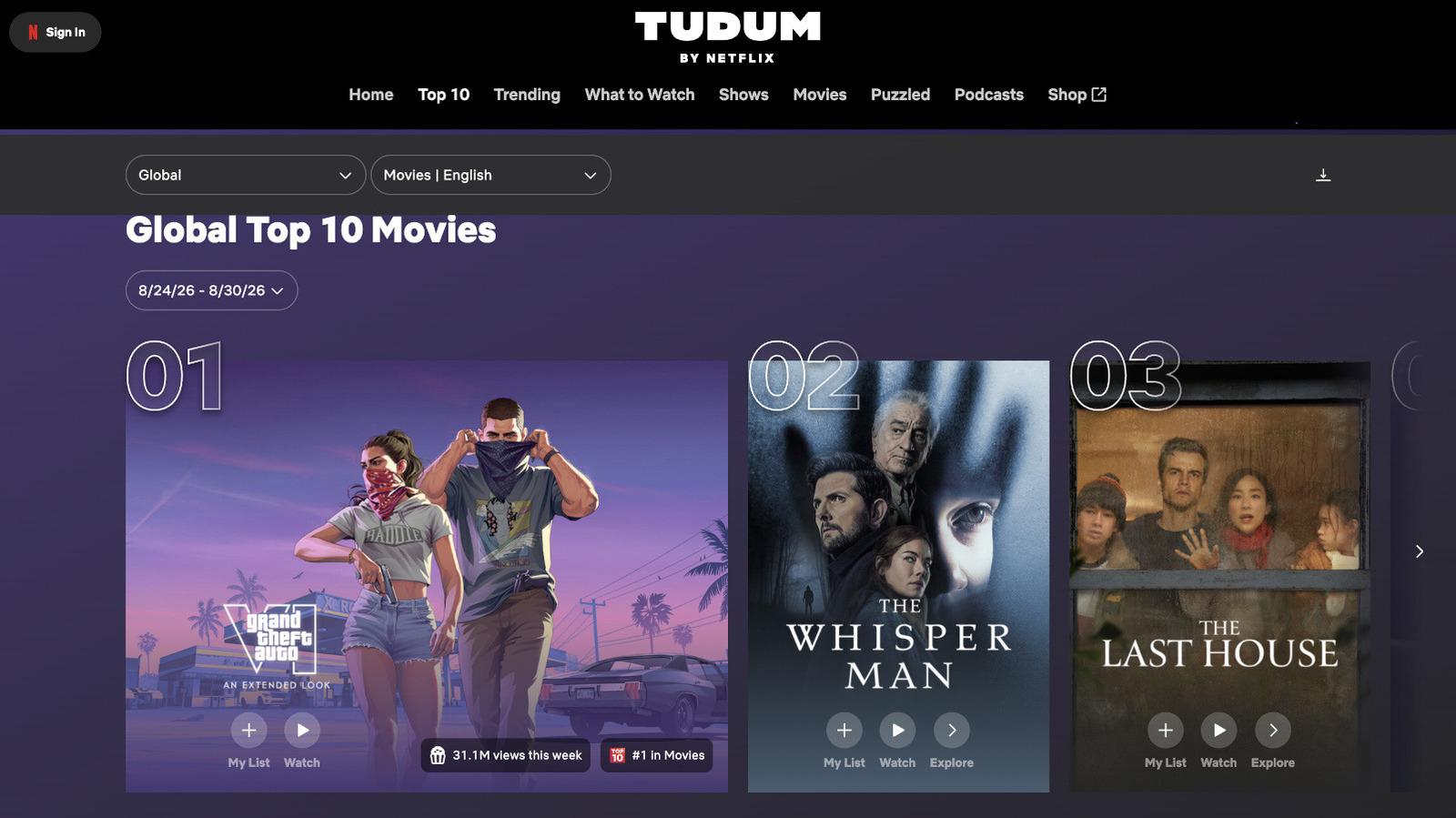
The timing aligns with the anticipated November 19 release of Grand Theft Auto 6 (GTA 6), a title expected to generate a pronounced holiday sales spike. By confirming RAM availability now, Sony positions the PS5 to capture the full demand wave without the “out‑of‑stock” scenarios that plagued the early‑2020s.
Technical Breakdown: GDDR6 Memory and the PS5 Architecture
The Role of GDDR6 in the PS5
The PS5’s custom AMD RDNA 2 GPU and Zen 2‑based CPU rely on a unified memory pool of 16 GB GDDR6, running at 448 GB/s bandwidth. This configuration enables:
- Ray‑traced graphics at 4K resolution with high frame rates.
- Fast SSD‑to‑GPU data paths, essential for the console’s “instant‑load” experience.
- Efficient AI‑driven upscaling (e.g., FidelityFX Super Resolution) that reduces rendering load while preserving visual fidelity.
Any shortfall in GDDR6 supply would force Sony to either reduce the memory capacity per unit (unlikely given the architecture) or delay shipments while waiting for new wafer runs.
Securing the Supply Chain
Sony’s statement does not disclose the exact number of memory chips purchased, but industry analysts infer that the company has entered multi‑year contracts with major DRAM fabs (e.g., Samsung, SK Hynix, Micron). These contracts likely include:
- Volume‑based pricing guarantees that protect against price spikes caused by tariff adjustments.
- Allocation clauses that prioritize Sony’s orders over lower‑margin consumer electronics manufacturers.
- Redundancy across multiple fabs, reducing the risk of a single‑point failure due to plant outages or geopolitical disruptions.
The move mirrors strategies employed by smartphone OEMs facing similar shortages, as discussed in the article on Xiaomi’s limited U.S. sales, where memory constraints forced inventory throttling. Sony’s proactive stance helps avoid the “stock‑out” narrative that has haunted the console market since 2022.
Market Impact: Sales, Profitability, and Competitive Landscape
Current Sales Snapshot
- Q1 FY2026 PS5 sales: 1.6 million units, down from 2.5 million YoY.
- Cumulative shipments since launch: 95.3 million units.
- Profit: ¥54.1 billion ($337 million), a 37 % YoY increase despite flat console sales.
The decline in unit sales is attributed to two primary factors:
- Price inflation caused by U.S. tariffs on imported components. Sony retained the tariff refunds rather than passing savings to consumers, keeping retail prices stable but limiting price‑sensitivity‑driven demand.
- Product maturity: The PS5 is now six years old, and the market is naturally shifting toward the next‑generation hardware cycle.
Nevertheless, the profit surge demonstrates that Sony’s cost‑management tactics—particularly the favorable foreign‑exchange environment and tariff refund retention—have offset the sales dip.
Competitive Pressures
Sony’s main rival, Microsoft, continues to push the Xbox Series X|S with aggressive bundling and a strong Game Pass subscription model. However, Microsoft has not publicly disclosed any memory‑supply concerns, suggesting either a diversified component strategy or a lower reliance on high‑bandwidth GDDR6 (the Xbox Series X also uses 16 GB GDDR6, but its supply chain details remain opaque).
The RAM assurance gives Sony a tactical edge: developers can confidently target the PS5’s full hardware envelope, and retailers can stock the console without fearing sudden shortages—a competitive advantage during the crucial holiday window.
GTA 6 and the Holiday Sales Surge
Anticipated Demand Spike
Grand Theft Auto 6 is slated for a worldwide launch on November 19. Historically, flagship titles from Rockstar Games have driven console sales spikes of 20‑30 % in the launch month. The combination of a new blockbuster and a fully stocked PS5 inventory creates a perfect storm for revenue growth.
Pricing Strategy Implications
Sony has not confirmed whether PS5 prices will rise again in FY2026. The company’s previous decision to retain tariff refunds rather than lower retail prices suggests a willingness to protect margin rather than chase volume. With GTA 6’s release, Sony may:
- Maintain current MSRP to preserve profit per unit.
- Introduce limited‑edition bundles (e.g., console + GTA 6) that command a premium.
- Leverage promotional events similar to the Woot Prime Day model, offering time‑limited discounts that drive urgency without eroding long‑term price perception.
These tactics echo the retail dynamics explored in the Woot Prime Day Event article, where strategic discount windows boost short‑term sales while preserving brand value.
Future Outlook: What Comes After FY2026?
Potential PS5 Refresh
Given the console’s six‑year lifecycle, analysts anticipate a mid‑cycle refresh (often called a “PS5 Pro”) before the next generation arrives. A refreshed model would likely retain the same GDDR6 memory configuration but could feature higher clock speeds or additional AI accelerators. Sony’s secured RAM inventory positions it to launch such a refresh without the supply delays that plagued the original PS5 launch.
Long‑Term Memory Market Trends
The broader semiconductor industry is gradually easing the RAM shortage as new fab capacity comes online. However, demand from AI accelerators, data‑center servers, and high‑end smartphones continues to pressure GDDR6 and DDR5 production. Sony’s multi‑year contracts should shield it for the next 12‑18 months, but a future “Ramageddon 2.0” cannot be ruled out.
Impact on First‑Party Development
First‑party shipments fell by 900,000 units YoY, indicating a slowdown in PlayStation Studios output. The underperformance of Saros from Housemarque, as noted by Kotaku, underscores the
challenges Sony faces in balancing blockbuster releases with smaller, experimental titles. The RAM supply assurance may encourage PlayStation Studios to greenlight more ambitious projects, knowing that hardware constraints won’t limit their creative vision.
Strategic Implications for Developers and Publishers
Third-Party Confidence Boost
Third-party publishers have increasingly prioritized multi-platform releases, but Sony’s RAM supply confirmation could shift the calculus for some studios. With guaranteed PS5 stock levels, developers may:
- Optimize titles more aggressively for PS5 to leverage its unified memory architecture, rather than defaulting to a “lowest-common-denominator” approach for cross-gen releases.
- Delay or cancel Xbox/PC exclusivity deals if they perceive Sony’s platform as more stable and profitable.
- Invest in PS5-exclusive content (e.g., timed DLC, higher-resolution textures) to capitalize on the console’s installed base.
This dynamic mirrors the competitive landscape discussed in the Xiaomi’s U.S. Sales Limitations article, where hardware constraints forced developers to deprioritize certain platforms.
Indie Developer Opportunities
Smaller studios often struggle with hardware supply uncertainties, as they lack the purchasing power to secure long-term component contracts. Sony’s announcement could:
- Encourage more indie exclusives on PS5, as developers gain confidence in the console’s availability.
- Reduce porting costs for indies, since they won’t need to optimize for as many hardware configurations (e.g., older consoles with fragmented memory specs).
- Increase participation in Sony’s indie funding programs, such as the PlayStation Indies Initiative, which has historically supported titles like Hades and Stray.
Cloud Gaming and Streaming
Sony’s RAM supply security also has implications for its cloud gaming strategy. With a stable hardware pipeline, the company can:
- Expand PlayStation Plus Premium’s cloud streaming catalog, ensuring that high-end titles (e.g., Final Fantasy XVI, Spider-Man 2) run smoothly on remote servers.
- Develop hybrid cloud-local experiences, where games leverage both the PS5’s GDDR6 memory and cloud-based assets for seamless transitions between local and remote play.
- Avoid the “stock-out” stigma that has plagued cloud gaming services like Xbox Cloud Gaming, where hardware shortages have limited server capacity.
Risks and Unanswered Questions
Pricing Uncertainty
While Sony has secured RAM for FY2026, the company has not clarified whether it will pass any future cost savings to consumers. Potential scenarios include:
- Price increases: If memory prices spike again, Sony may raise PS5 MSRP to protect margins, as it did with tariff-related adjustments.
- Stagnant pricing: The company could maintain current prices to avoid alienating budget-conscious gamers, especially with GTA 6’s release looming.
- Selective discounts: Sony might introduce temporary price cuts (e.g., Black Friday, Prime Day) to clear inventory before a PS5 Pro launch.
Next-Gen Timing
The PS5’s six-year lifecycle suggests a next-gen console (PS6) could arrive by 2026–2027. However, Sony’s RAM supply announcement raises questions about its long-term hardware strategy:
- Will Sony skip a “Pro” model? If the company is already planning a PS6, it may forgo a mid-cycle refresh to avoid cannibalizing sales.
- How will memory demands evolve? The PS6 will likely require faster or more abundant RAM (e.g., GDDR7), which could introduce new supply chain challenges.
- Will Sony prioritize backward compatibility? Securing GDDR6 supply now ensures PS5 games remain viable, but future-proofing may require additional investments in memory standards.
First-Party Performance
The underperformance of Saros and the 900,000-unit decline in first-party shipments highlight potential weaknesses in Sony’s first-party strategy. Key concerns include:
- Over-reliance on blockbusters: Sony’s profit surge is driven by third-party sales and cost management, not first-party output. If flagship titles like The Last of Us Part III or God of War: Ragnarök 2 underperform, the company may face pressure to diversify its portfolio.
- Indie and mid-tier gaps: Smaller first-party studios (e.g., Housemarque, Firewalk Studios) may struggle to compete with Sony’s internal juggernauts (Naughty Dog, Insomniac), leading to inconsistent quality.
- Live-service challenges: Sony’s push into live-service games (e.g., Concord, Marvel’s Wolverine) could falter if the company fails to secure long-term player engagement, as seen with Saros.
Conclusion: A Calculated Bet on Stability
Sony’s confirmation of sufficient GDDR6 supply for FY2026 is a masterclass in risk mitigation. By addressing the “Ramageddon” threat head-on, the company has:
- Reassured investors that memory shortages won’t derail its console business.
- Empowered developers to fully leverage the PS5’s hardware, fostering a stronger software ecosystem.
- Positioned itself for a strong holiday season, with GTA 6’s release serving as a demand catalyst.
However, the announcement also underscores the fragility of the gaming hardware market. Sony’s success hinges on its ability to navigate pricing pressures, first-party performance, and the looming next-gen transition. If the company can maintain its supply chain advantage while delivering compelling exclusives, the PS5 could extend its lifecycle well into the late 2020s. But if memory prices surge again or first-party titles falter, Sony may find itself playing catch-up in an increasingly competitive landscape.
For now, the message is clear: the PS5’s production pipeline is secure, and the stage is set for a blockbuster holiday season. The real test will come in 2027, when the industry’s attention shifts to the next generation—and the next potential “Ramageddon.”
FAQ
1. Why is GDDR6 memory so important for the PS5?
GDDR6 is the high-bandwidth memory standard used in the PS5’s GPU, enabling fast data transfer for 4K gaming, ray tracing, and SSD load times. A shortage would force Sony to either reduce memory capacity (degrading performance) or delay shipments.
2. Will PS5 prices increase in 2026?
Sony has not confirmed any price changes. The company previously retained tariff refunds rather than lowering prices, suggesting it may prioritize margins over volume. However, a GTA 6 bundle or limited-time discounts could emerge.
3. How does GTA 6’s release affect PS5 sales?
Historically, Rockstar’s GTA releases have driven console sales spikes of 20–30% in the launch month. With Sony’s RAM supply secured, the PS5 is well-positioned to meet this demand without stock shortages.
4. What is “Ramageddon”?
“Ramageddon” refers to the global semiconductor shortage, particularly for GDDR6 and DDR5 memory, which has disrupted console, PC, and smartphone production since 2020. Sony’s announcement aims to mitigate this risk for FY2026.
5. Could Sony release a PS5 Pro before the PS6?
Analysts expect a mid-cycle refresh (PS5 Pro) before the PS6, likely featuring higher clock speeds or AI accelerators. Sony’s RAM supply security suggests it could launch such a model without supply delays.
6. Why did first-party shipments decline by 900,000 units?
The decline reflects a slowdown in PlayStation Studios output, possibly due to:
- Development delays (e.g., The Last of Us Part II Remake, Marvel’s Wolverine).
- Underperformance of smaller titles (e.g., Saros).
- Shift toward live-service games, which require longer development cycles.
7. How does Sony’s RAM supply compare to Microsoft’s?
Microsoft has not disclosed its memory supply status for the Xbox Series X|S. However, the Xbox Series X also uses 16GB GDDR6, so both companies face similar supply chain risks. Sony’s proactive announcement gives it a transparency advantage.
8. What are the risks if memory prices spike again?
If GDDR6 prices rise, Sony could:
- Increase PS5 prices to protect margins.
- Delay a PS5 Pro launch until prices stabilize.
- Reduce memory capacity in future models (unlikely, given the PS5’s architecture).
9. Will Sony’s RAM supply help with cloud gaming?
Yes. A stable hardware pipeline ensures Sony can expand PlayStation Plus Premium’s cloud streaming catalog and develop hybrid cloud-local experiences without server capacity constraints.
10. What’s next for the PS5 after FY2026?
Expect:
- A PS5 Pro (mid-cycle refresh) with enhanced specs.
- A PS6 announcement (likely 2026–2027).
- Continued focus on first-party exclusives to drive demand.
Source: Original Article