




Background and Announcement
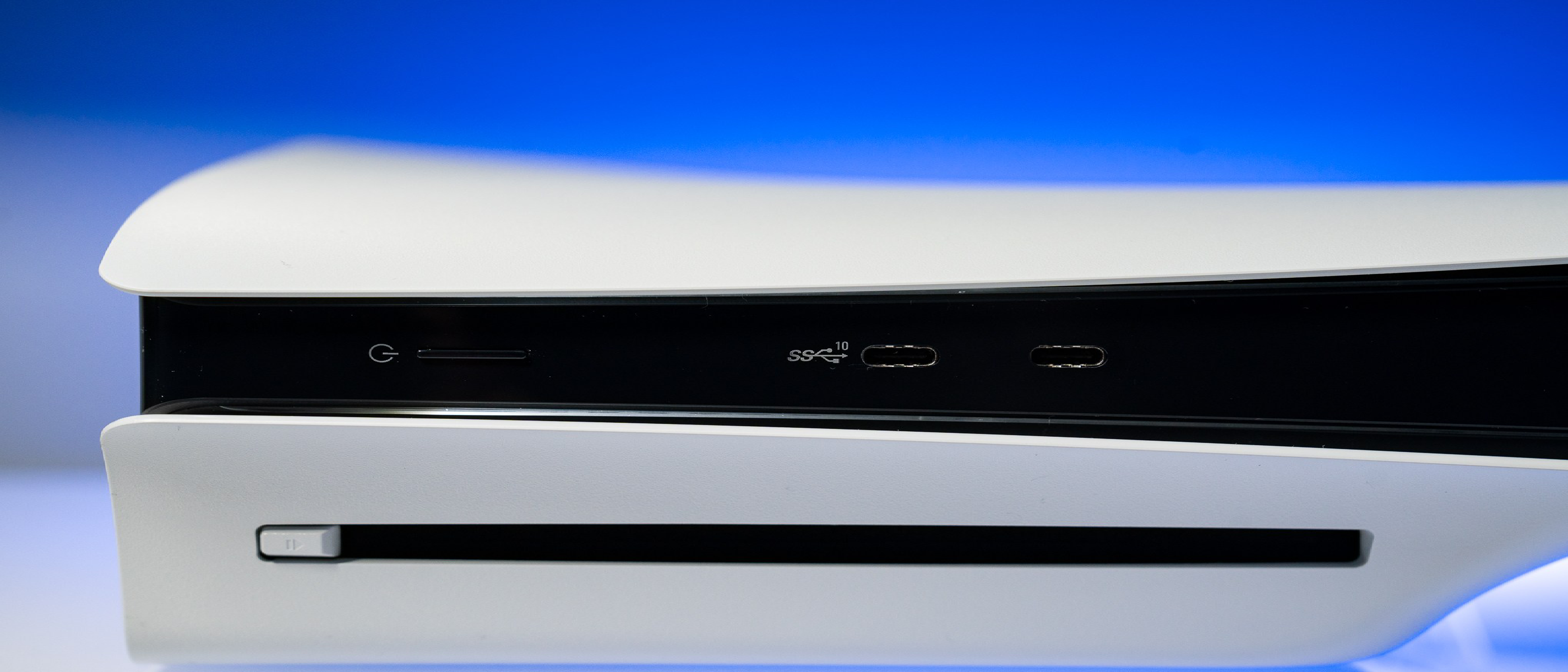
During Sony’s most recent earnings call, CFO Lin Tao delivered a statement—through an interpreter—that the company will discontinue the production of physical game discs for PlayStation. The announcement was brief but decisive, and it immediately ignited a firestorm across forums, social media, and gaming news outlets.
“We put in a lot of thought and time when considering the opposition put forward by its gaming community, Sony has come to the conclusion that it will cautiously move this forward.” – Lin Tao, CFO
“There are various reasons we made this decision, the biggest being that the digitalization of content overall has been progressing, that’s the big factor.” – Lin Tao, CFO
The full story was covered by The Verge, but the core message is clear: Sony believes the trajectory of digital content consumption outweighs the demand for physical media. The decision was not presented as a phased sunset; it is framed as an immediate shift, leaving retailers, collectors, and developers to adjust on short notice.
Technical Rationale Behind Dropping Discs
Digital Distribution Maturity
The PlayStation Network (PSN) now supports over 10,000 titles available for instant download, many of which are offered at launch with no physical counterpart. Bandwidth improvements, widespread SSD adoption in consoles, and the rise of 5G have reduced latency and download times to a point where waiting for a disc is often longer than streaming a game.
Cost Structure
Manufacturing, shipping, and inventory management for optical media represent a non‑trivial portion of a game’s marginal cost. By eliminating discs, Sony can:
- Reduce logistics overhead (warehousing, freight, returns).
- Lower environmental impact (plastic and metal usage).
- Allocate more R&D budget toward cloud gaming services like PlayStation Now and upcoming streaming initiatives.
Security and Anti‑Piracy
Physical discs require sophisticated encryption and DRM schemes to prevent piracy. Digital distribution allows Sony to push dynamic license checks, revocation, and real‑time patching, which are harder to enforce on static media. This shift aligns with industry trends where publishers favor online activation over disc‑based protection.
Impact on Consumers and Collectors
Immediate Concerns
- Pre‑ordered Physical Copies: Gamers who have already placed orders for upcoming titles may face cancellations or forced digital conversions.
- Regional Availability: In markets with limited broadband infrastructure, physical discs have historically been the primary access point. The decision could widen the digital divide.
- Resale Market: The secondary market for used games—once a vibrant ecosystem—will shrink dramatically, affecting both sellers and buyers.
Long‑Term Benefits
- Instant Access: Players can start a game within minutes of purchase, eliminating the wait for shipping or store trips.
- Space Savings: No need for physical storage, which is a practical advantage for households with limited shelf space.
- Potential Price Reductions: Without manufacturing costs, digital titles may see price adjustments over time, though this is not guaranteed.
Collector Sentiment
Collectors view physical media as cultural artifacts. The loss of new disc releases threatens the continuity of complete library sets. Some collectors may turn to preservation initiatives or third‑party services to archive existing titles, but the community’s emotional response is already evident in the backlash.
Industry Ripple Effects
Competitor Reactions
- Microsoft: Already emphasizes Xbox Game Pass and cloud streaming. Sony’s move could accelerate Microsoft’s push for subscription models, potentially reshaping console competition.
- Nintendo: While Nintendo still ships cartridges for Switch, its recent focus on digital sales suggests a possible parallel path. The Woot Prime Day Event article highlights Nintendo’s promotional strategies, indicating that even hardware‑centric companies are aware of digital trends. ( https://ltdeveloperblogs.github.io/posts/woot-launches-prime-day-event-with-up-to-50-off-nintendo-switch-2 )
Retail Landscape
Big‑box retailers and specialty game stores have long relied on disc sales for foot traffic. A rapid decline in physical inventory could force these outlets to pivot toward merchandise, accessories, or experiential services. Some may double down on retro gaming, where physical media remains essential.
Content Creation and Distribution
Developers now have to consider download size constraints more seriously. With no disc fallback, large‑scale games must optimize compression and streaming assets. This could spur innovation in progressive download and on‑the‑fly asset streaming, technologies already explored in cloud gaming.
Legal and Licensing Considerations
Licensing agreements often differentiate between physical and digital rights. Sony’s shift may trigger renegotiations with publishers, especially for titles that previously relied on physical sales for revenue sharing. This could influence future contract structures across the industry.
Future Outlook for Physical Media
Potential Niche Survival
While Sony plans to cease production, niche markets—such as collector’s editions, limited‑run indie titles, or archival releases—might still see physical discs produced through third‑party manufacturers. However, these would likely be premium‑priced and limited in quantity.
Cloud Gaming as the Endgame
Sony’s broader strategy appears to be a cloud‑first approach. By reducing reliance on discs, the company can allocate resources to improve streaming infrastructure, reduce latency, and expand global server coverage. This aligns with the industry’s gradual migration toward Game-as-a-Service (GaaS) models.
Consumer Adaptation Timeline
- Short Term (0‑12 months): Backlash, confusion, and a spike in digital sales as consumers scramble to secure titles.
- Mid Term (1‑3 years): Stabilization of digital storefronts, increased adoption of subscription services, and a gradual decline in disc‑related aftermarket activity.
- Long Term (3‑5 years): Physical media becomes a rarity, primarily reserved for retro collections and special editions.
Frequently Asked Questions
Q1: Will existing physical copies become unusable?
A: No. Current discs will continue to work on existing hardware. The change only affects future production.
Q2: How will this affect game preservation?
A: Preservation groups may need to rely more on digital archives and emulation. Physical preservation will become limited to existing stock.
Q3: Are there plans for a new physical format?
A: Sony has not announced any alternative physical medium. The focus is on digital and cloud delivery.
Q4: What about regions with poor internet connectivity?
A: Sony has not detailed a regional rollout plan. Consumers in those markets may face delayed access or need to seek alternative distribution channels.
Q5: How does this decision compare to other media industries?
A: Similar to the music and film sectors, which have largely transitioned to streaming, the gaming industry is following a comparable digital‑first trajectory. The D&D Crosses Into Warcraft & Star Wars Rebellion article illustrates how cross‑media franchises adapt to digital ecosystems. (
https://ltdeveloperblogs.github.io/posts/dd-is-getting-world-of-warcraft-and-star-wars-crossovers
)
Conclusion
Sony’s decision to discontinue PlayStation physical game discs marks a watershed moment for the gaming ecosystem. While the move aligns with broader digitalization trends and offers clear operational advantages, it also challenges long‑standing consumer habits, collector culture, and retail models. The industry will watch closely as Sony balances cloud ambitions with the emotional attachment many gamers have to tangible media. Whether this shift accelerates the dominance of digital distribution or sparks a resurgence of niche physical releases remains to be seen, but one thing is certain: the conversation about how we own and experience games has entered a new chapter.
Source: Original Article