


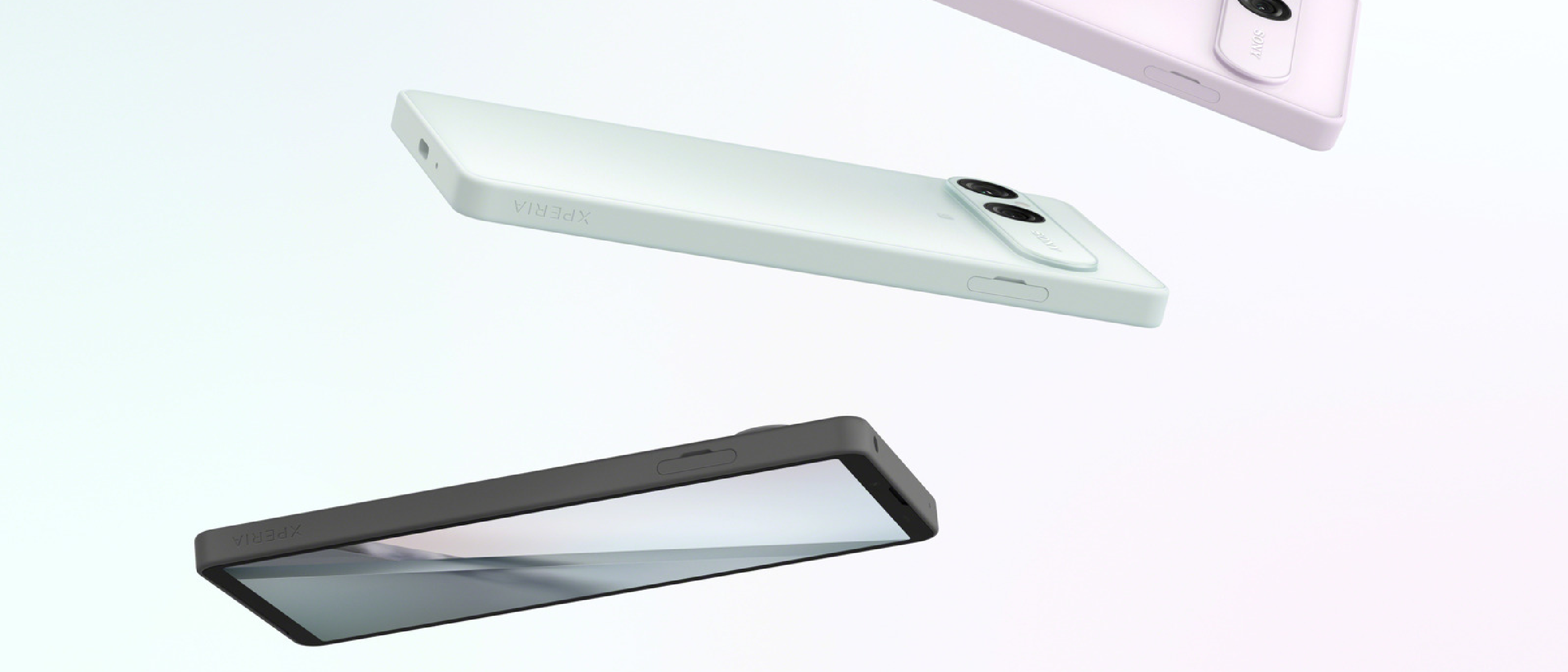
What’s New in the Xperia 10 VIII?
Sony’s Xperia 10 VIII arrives as a direct successor to the Xperia 10 VII, but the headline isn’t just “new hardware”—it’s a significant price increase. While the core design language stays true to Sony’s minimalist aesthetic, the device introduces several tangible upgrades:
- Display – A 6.1‑inch OLED panel now reaches 2340 × 1080 resolution and is advertised as 50 % brighter than the previous generation, improving outdoor readability.
- Processor – The handset moves to Qualcomm’s Snapdragon 6 Gen 3, a mid‑range SoC that promises better AI‑driven performance and power efficiency.
- Memory & Storage – Standard configuration of 8 GB RAM and 128 GB UFS storage, a modest bump that aligns with current mid‑range expectations.
- Battery – Capacity is lifted to 5,000 mAh, paired with Sony’s adaptive charging algorithms to extend real‑world endurance.
- Camera System – A dual‑rear setup featuring a 50 MP primary sensor (f/1.9) and a 13 MP ultra‑wide sensor, plus an 8 MP front‑facing lens.
- Audio – Speakers are tuned to be 15 % louder, reinforcing Sony’s reputation for strong multimedia playback.
- Design Touches – A translucent rear panel gives the phone a premium feel, and three colour options—Frozen White, Frosted Grey, Misty Lilac—target style‑conscious buyers.
- Digital Payments – A double‑tap of the power button launches a quick‑access payment UI, echoing the convenience of Apple Wallet’s car‑key integration discussed in Chinese Auto Giant Moves to Apple Wallet Car Keys .
These refinements are substantial on paper, but the real question for consumers is whether the £150 price jump to £549 (≈ $750) in the UK market is justified.
Technical Deep Dive: Display, SoC, and Battery
OLED Brightness and Color Fidelity
Sony’s OLED panels have historically excelled in colour accuracy, a legacy from its TV business. The 6.1‑inch screen now reaches a peak brightness of roughly 500 nits, a 50 % increase over the Xperia 10 VII’s 330 nits. This translates to:
- Improved HDR playback – Content mastered for HDR10+ will appear more vivid.
- Better outdoor visibility – Users can comfortably read notifications under direct sunlight without sacrificing contrast.
The panel retains a 21:9 aspect ratio, catering to Sony’s “cinematic” positioning and making multitasking with split‑screen apps more ergonomic.
Snapdragon 6 Gen 3: Mid‑Range Muscle
The Snapdragon 6 Gen 3 is built on a 4 nm process, offering:
- Kryo 560 CPU cores (2x high‑performance, 6x efficiency) delivering up to 2.2 GHz peak.
- Adreno 730 GPU with 20 % higher rasterization rates compared to the Gen 2 predecessor.
- Integrated AI Engine capable of 2 TOPS, which powers on‑device photo enhancement and the new payment shortcut.
Performance benchmarks place the Xperia 10 VIII comfortably within the mid‑range sweet spot—smooth 1080p gaming, rapid app launches, and competent multitasking. However, it still lags behind flagship Snapdragon 8‑series chips, a gap that may influence power‑users.
Battery Life and Charging
A 5,000 mAh cell, combined with the efficiency gains of the 4 nm SoC, yields:
- Up to 2 days of mixed‑usage endurance (streaming, browsing, moderate gaming).
- 30 W fast charging (USB‑PD) that fills the battery to 50 % in roughly 25 minutes.
Sony’s adaptive power management, discussed in the context of Android security in Zoom Zero‑Day Exploit: Remote Takeover of iPhone & Mac , helps mitigate background drain, an essential factor for a device positioned as a daily driver.
Pricing Strategy and Market Position
The £150 Hike: Rationale or Misstep?
When Sony announced the Xperia 10 VIII, the UK price of £549 placed it above many established mid‑range competitors such as the Google Pixel 7a (£449) and Samsung Galaxy A54 (£429). Sony justifies the premium with:
- Enhanced display brightness and audio output.
- Higher‑resolution main camera (50 MP vs. 48 MP on the Pixel 7a).
- Unique design language with a translucent rear panel.
However, the price increase also reflects supply‑chain pressures and Sony’s desire to maintain a profitable margin in a market where it no longer sells Xperia phones in the United States. The decision to exit the US market—while still serving Europe, Asia, and Latin America—suggests Sony is consolidating its resources around regions where brand loyalty remains stronger.
Competitive Landscape
| Device | Display | SoC | Camera (MP) | Battery | Price (UK) |
|---|---|---|---|---|---|
| Xperia 10 VIII | 6.1" OLED 1080p | Snapdragon 6 Gen 3 | 50 + 13 | 5,000 mAh | £549 |
| Pixel 7a | 6.1" OLED 1080p | Tensor G2 | 64 + 13 | 4,800 mAh | £449 |
| Galaxy A54 | 6.4" Super AMOLED 1080p | Exynos 1380 | 50 + 12 | 5,000 mAh | £429 |
| OnePlus Nord 3 | 6.7" AMOLED 120Hz | Snapdragon 7 Gen 2 | 50 + 8 | 5,000 mAh | £479 |
Sony’s pricing places the Xperia 10 VIII in the upper‑mid tier, competing more directly with devices that offer higher refresh‑rate displays or more aggressive camera software. The decision may appeal to brand enthusiasts but could deter price‑sensitive buyers.
Implications for Sony’s Global Mobile Strategy
Retreat from the US Market
Sony’s announced withdrawal from the US Xperia lineup signals a strategic pivot:
- Focus on core competencies – Sony continues to dominate in imaging sensors, audio, and entertainment hardware. By reallocating R&D funds, it can enhance those strengths within its phone portfolio.
- Regional specialization – Markets like Japan, Europe, and parts of Asia still show demand for Sony’s design‑centric phones, especially among photography enthusiasts who value the company’s sensor technology.
The Xperia 10 VIII serves as a test case: if sales meet expectations in these regions, Sony may double‑down on premium‑mid‑range devices that leverage its imaging pedigree.
Ecosystem Integration
The double‑tap payment shortcut hints at a broader ecosystem play. Sony could integrate its phones more tightly with PlayStation, Xperia audio accessories, and even upcoming Sony Vision‑Pro AR/VR headsets. A cohesive ecosystem would justify higher price points by offering exclusive cross‑device features.
Security Considerations
With Android’s open nature, Sony must stay vigilant against exploits. The recent Zoom zero‑day incident ( Zoom Zero‑Day Exploit: Remote Takeover of iPhone & Mac ) underscores the importance of timely patches. Sony’s track record for Android security updates has been mixed; the Xperia 10 VIII will need three years of OS upgrades and four years of security patches to stay competitive.
Future Outlook and Consumer Expectations
Potential Software Enhancements
While we cannot speculate on unreleased software, Sony’s history suggests:
- Camera app refinements that exploit the 50 MP sensor’s dynamic range.
- Audio tuning leveraging its proprietary “Dolby Atmos” integration for headphones and speakers.
- Battery‑saving modes that adapt to user habits, possibly using AI on‑device.
Market Trends
- 5G saturation – The Xperia 10 VIII supports sub‑6 GHz 5G, aligning with global rollout but lacking mmWave, which may limit appeal in markets where carriers push ultra‑fast bands.
- Sustainability – Sony’s use of recycled plastics in the translucent rear panel could attract environmentally conscious buyers, a narrative that can be amplified in marketing.
Consumer Decision Matrix
Potential buyers should weigh:
| Factor | Xperia 10 VIII | Competitor |
|---|---|---|
| Display Brightness | + |
| Factor | Xperia 10 VIII | Typical Mid‑Range Competitor |
|---|---|---|
| Display Brightness | + (≈ 500 nits, 50 % brighter) | – (≈ 330 nits) |
| Camera Resolution | + (50 MP main, 13 MP ultra‑wide) | – (48 MP‑64 MP main, 12‑13 MP ultra‑wide) |
| Battery Capacity | ≈ (5,000 mAh, 2‑day endurance) | ≈ (4,800‑5,000 mAh, similar endurance) |
| Audio Output | + (15 % louder speakers) | – (standard stereo) |
| Design & Build | + (translucent rear, premium feel) | – (plastic/metal blend) |
| Price (UK) | – (£549, £150 above predecessor) | + (≈ £429‑£449) |
| Software Support | ≈ (3 years OS, 4 years security) | ≈ (similar) |
| 5G Compatibility | ≈ (sub‑6 GHz only) | ≈ (sub‑6 GHz, some mmWave) |
Bottom Line: Is the Premium Worth It?
Sony’s Xperia 10 VIII is undeniably a well‑engineered device. The brighter OLED, louder speakers, and a 50 MP sensor are tangible upgrades that will be noticeable in daily use. However, the £150 price premium pushes it into a bracket where other manufacturers deliver comparable—or even superior—specs (higher refresh‑rate displays, mmWave 5G, or more aggressive pricing) without sacrificing build quality.
For Sony loyalists, photography enthusiasts who value the company’s sensor lineage, and users who appreciate the distinctive translucent design, the Xperia 10 VIII makes sense. For the broader mid‑range crowd focused on value‑for‑money, the Pixel 7a, Galaxy A54, or OnePlus Nord 3 remain more compelling choices.
Who Should Consider Buying the Xperia 10 VIII?
| User Profile | Why It Fits |
|---|---|
| Creative Professionals / Content Creators | The 50 MP sensor paired with Sony’s image‑processing algorithms delivers detailed stills and decent video quality, especially in well‑lit environments. |
| Audiophiles & Media Consumers | 15 % louder speakers and Dolby Atmos support provide a richer playback experience without needing external audio gear. |
| Design‑Conscious Buyers | The translucent rear panel and limited‑edition colour palette give the phone a premium aesthetic that stands out from the usual matte finishes. |
| Existing Sony Ecosystem Users | Seamless integration with PlayStation Remote Play, Sony WH‑1000XM headphones, and upcoming AR/VR devices can create a cohesive multi‑device workflow. |
| Security‑Aware Users | Sony’s commitment to four years of security patches aligns with the expectations of privacy‑focused consumers. |
Frequently Asked Questions
Q: Does the Xperia 10 VIII support wireless charging?
A: No. Sony has kept the device limited to wired USB‑PD fast charging (30 W). Wireless charging may appear on future flagship models but is absent here.
Q: Will the phone receive Android 15 updates?
A: Sony has pledged three major OS upgrades. The Xperia 10 VIII ships with Android 14 and is slated to receive Android 15 and Android 16 during its support window.
Q: How does the double‑tap payment shortcut differ from Google Pay’s quick‑access?
A: The feature launches Sony’s native payment UI, which aggregates supported wallets (Google Pay, Samsung Pay, etc.) into a single overlay. It’s a convenience layer rather than a new payment system.
Q: Is the device water‑resistant?
A: Yes. It carries an IP68 rating, offering protection against dust and immersion up to 1.5 m for 30 minutes.
Q: Can I expand storage with a microSD card?
A: The Xperia 10 VIII does not include a microSD slot, a decision Sony made to streamline internal architecture and improve durability.
Q: Will Sony release a US‑spec version later?
A: As of now, Sony has confirmed it will not re‑enter the US Xperia market for the foreseeable future. The focus remains on Europe, Japan, and select Asian territories.
Final Verdict
Sony’s Xperia 10 VIII is a polished, feature‑rich mid‑range phone that showcases the company’s strengths in display technology, audio engineering, and camera hardware. Its price hike, however, makes it a premium‑priced mid‑range device, narrowing its appeal to a niche audience that values Sony’s brand DNA over pure spec‑on‑spec competition.
If you’re already invested in Sony’s ecosystem or prioritize a brighter OLED and louder speakers, the Xperia 10 VIII is a solid, albeit pricey, choice. If you’re hunting for the best bang‑for‑buck in the mid‑range segment, you’ll likely find more balanced options elsewhere.
Source: Original Article