




Why AI Upscaling Matters for the PS5 Ecosystem
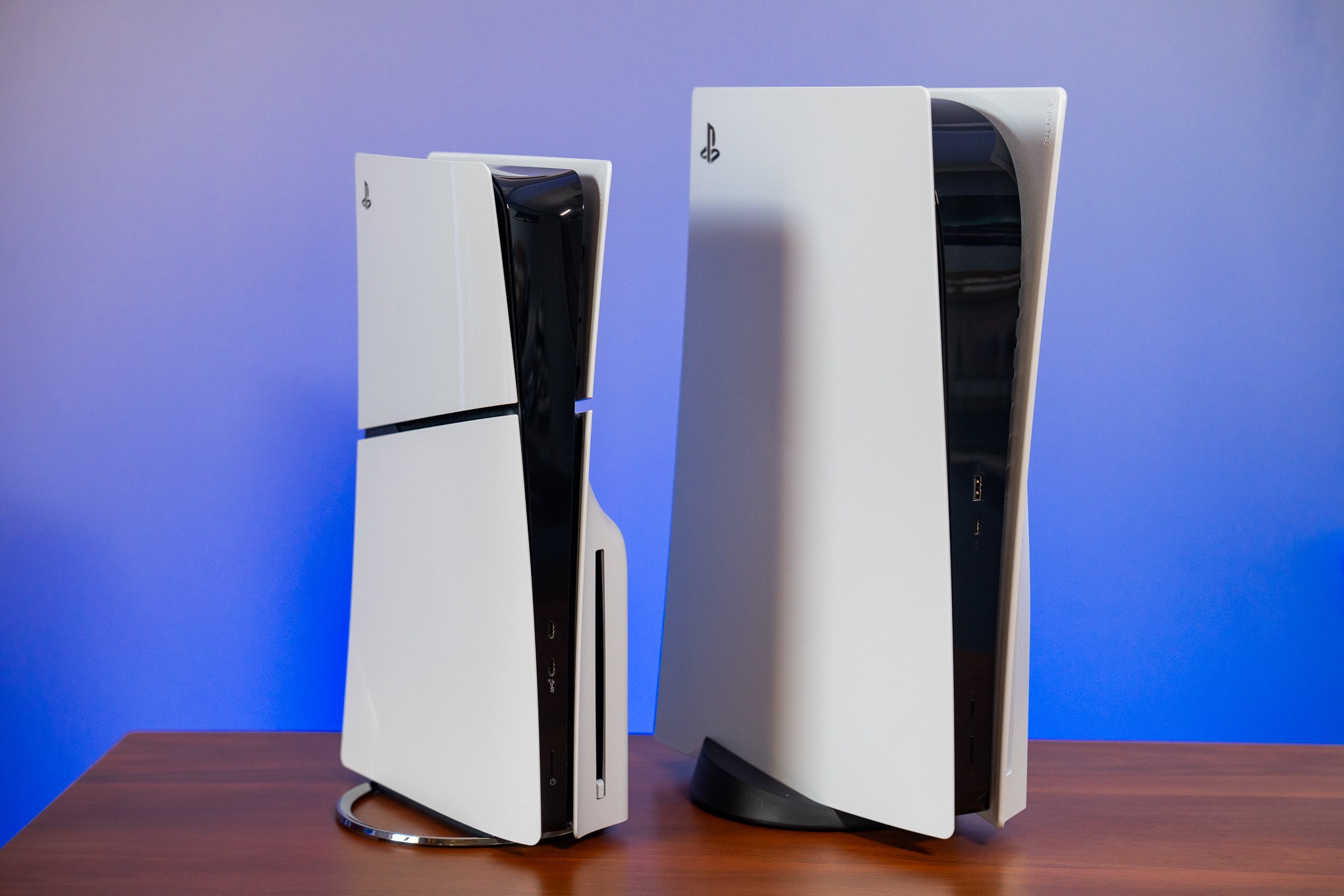
Sony’s decision to roll out Quick Spectral Super Resolution (QSSR) on the standard PS5 is a watershed moment for console graphics. Historically, the PS5 Pro, launched two years ago, offered the more advanced Play Station Spectral Super Resolution (PSSR) to deliver higher frame rates and sharper detail. By democratizing AI upscaling, Sony removes a hardware barrier that previously limited visual fidelity to a niche segment of its user base. This shift aligns with broader industry trends where AI is increasingly used to bridge performance gaps without demanding new hardware.
The immediate benefit is twofold: players on the base PS5 can now experience near‑Pro quality visuals, and developers can target a wider audience without re‑optimizing assets for multiple hardware tiers. This parity also simplifies the publishing pipeline, allowing studios to focus on content rather than hardware fragmentation.
Technical Breakdown of QSSR
QSSR is a lightweight neural network that operates in real time, leveraging the PS5’s custom RDNA 2 GPU and the console’s 16 GB GDDR6 memory. Unlike PSSR, which relies on a more complex multi‑stage pipeline, QSSR uses a single‑pass model trained on a diverse dataset of high‑resolution textures and game footage. Key technical aspects include:
- Spectral Analysis: The algorithm decomposes input frames into frequency bands, allowing it to selectively enhance edges and textures while preserving color fidelity.
- Temporal Consistency: By incorporating motion vectors from the GPU, QSSR reduces flicker and ghosting, a common issue in traditional upscaling methods.
- Dynamic Scaling: The model adapts its processing load based on scene complexity, ensuring consistent frame rates even in graphically dense environments.
Because QSSR is integrated into the PS5’s firmware, it operates transparently to developers. They can enable the feature via a simple flag in the game’s configuration file, and the console handles the rest.
First Titles and Patching
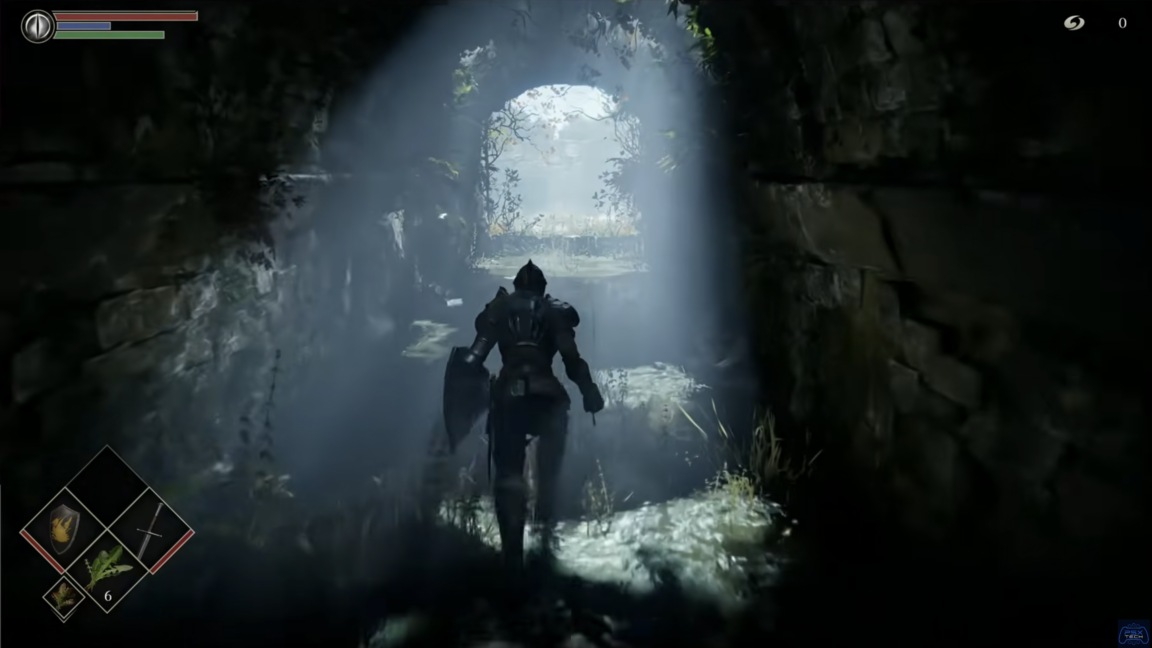
Insomniac Games and Sucker Punch Productions were the first to showcase QSSR on the base PS5 with Marvel’s Wolverine and Ghost of Yōtei. Both titles received patches today that activate the new upscaling mode. Mike Fitzgerald, head of technology at Insomniac, emphasized that the visual jump is noticeable without compromising performance:
“We’re seeing up to a 30 % increase in perceived detail, especially in the character models and environmental textures. The frame rate stays within the 60 fps target, which is critical for competitive play.”
Sucker Punch’s Ghost of Yōtei Complete Edition—released simultaneously with the QSSR patch—adds a roguelike mode reminiscent of The Last of Us Part 2. The new mode benefits from QSSR’s ability to render complex, dynamic lighting with minimal latency, enhancing immersion.
Impact on Game Development
The introduction of QSSR reshapes how studios approach asset creation and optimization. With AI upscaling, developers can:
- Reduce Texture Resolution: Lower‑resolution textures can be used during development, saving memory and bandwidth, then upscaled at runtime.
- Simplify LOD Systems: Level‑of‑detail transitions become smoother, as the AI can fill in missing detail on distant objects.
- Accelerate Iteration: Artists can preview high‑fidelity visuals without waiting for hardware builds, speeding up the feedback loop.
These changes also influence marketing strategies. Publishers can now promise “Pro‑quality visuals” on the base console, potentially boosting sales and reducing the need for a separate Pro tier.
Industry Implications and Future Outlook
Sony’s move is likely to ripple across the console market. Competitors such as Microsoft and Nintendo may accelerate their own AI‑driven graphics initiatives to stay competitive. Moreover, the success of QSSR could spur third‑party middleware developers to create plug‑in solutions that extend AI upscaling to other platforms, including PC and mobile.
From a consumer perspective, the line between base and premium consoles is blurring. As AI continues to mature, we may see a future where hardware differences are less pronounced, and software becomes the primary differentiator. This shift could also influence subscription models, as developers may offer AI‑enhanced content as part of premium tiers.
The broader tech landscape reflects similar trends. For instance, the recent Zoom Annotation Flaw Patched After AI‑Prompt Exploit highlighted how AI can both empower and expose vulnerabilities. While Sony’s QSSR is a positive leap, it underscores the need for robust security practices around AI components.
Similarly, the Zoom Zero-Day Exploit: Remote Takeover of iPhone & Mac reminds developers that AI models can be targeted by attackers. Sony’s firmware update process will need to incorporate secure boot and integrity checks to safeguard the upscaling pipeline.
Even pricing strategies are being reconsidered. The Pandora Price Hike: Impact on Users & Industry article illustrates how feature enhancements can justify price adjustments. Sony’s decision to add QSSR to the base console may influence future pricing debates, especially if the feature becomes a standard expectation.
FAQ
What is the difference between QSSR and PSSR?
QSSR is a lightweight, single‑pass AI upscaling model designed for the base PS5, while PSSR is a more complex, multi‑stage pipeline used on the PS5 Pro. QSSR offers comparable visual quality with less computational overhead.
Will all games support QSSR automatically?
No. Game developers must opt‑in by enabling the QSSR flag in their build. However, major studios are already integrating the feature, and Sony’s SDK includes comprehensive documentation.
Does QSSR affect battery life on handheld versions?
The PS5 does not have a handheld variant. For portable devices, Sony’s handhelds (e.g., PS Vita) use different hardware and do not support QSSR.
How does QSSR impact frame rates?
Because QSSR is optimized for real‑time performance, it typically maintains the target frame rate (e.g., 60 fps) even in graphically intensive scenes. Some developers report negligible impact on performance.
Is QSSR available on PS5 Digital Edition?
Yes. The feature is part of the base PS5 firmware and is available on all variants, including the Digital Edition.
Source: Original Article