




1. Sonos 27voice: What’s New and Why It Matters
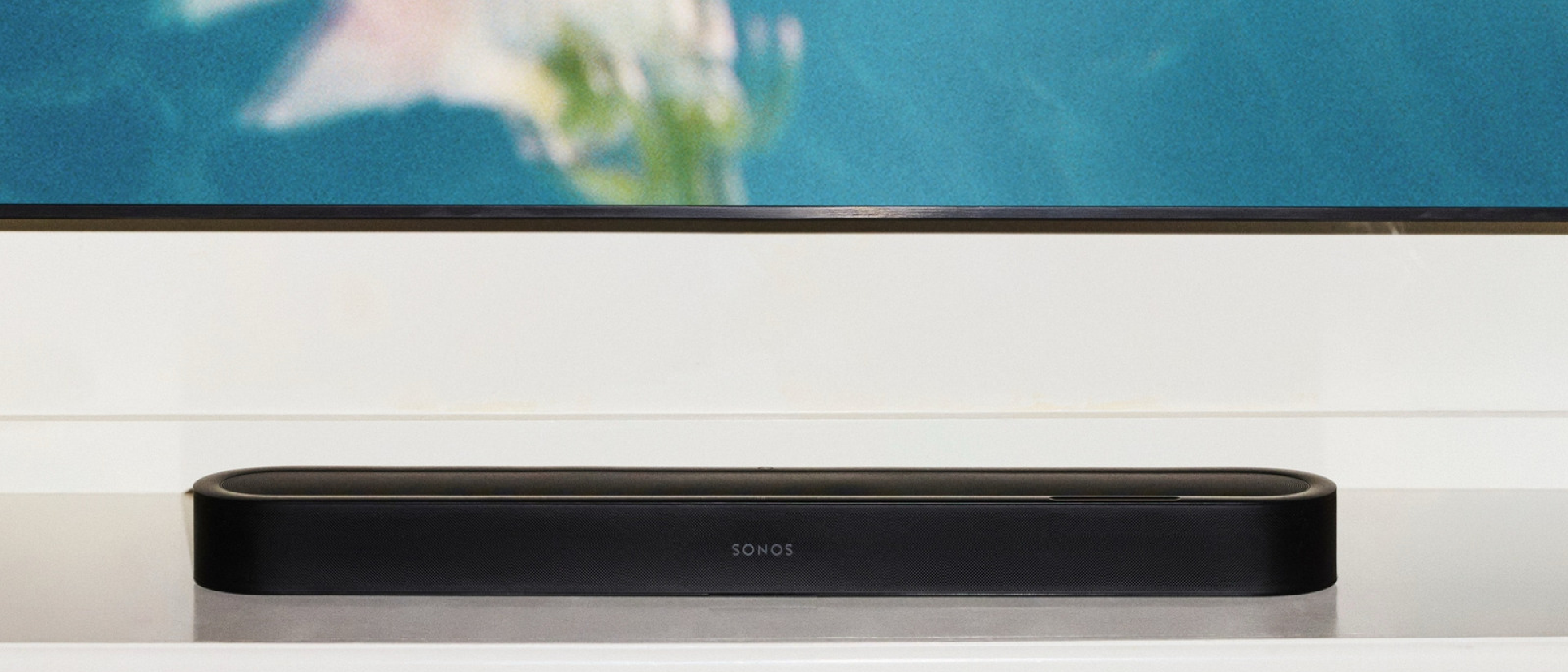
Sonos has long positioned itself as a premium audio ecosystem, but its recent announcement of the 27voice assistant marks a strategic pivot toward integrated AI. The early‑access rollout on November 6 is part of a broader Sonos 27 software update that also introduces Presets and System Health. Unlike the company’s earlier Voice Control feature, 27voice promises natural‑language understanding and a broader knowledge base, allowing users to request music by mood, genre, or even specific album narratives—think “play that Bowie album about an adventure in space.” It can also answer factual queries such as “who won the Super Bowl this year,” delivering up‑to‑date responses.
This move is significant for several reasons:
- Competitive parity: Alexa and Google Assistant have dominated the smart‑home voice space for years. By offering a built‑in assistant that can handle both audio playback and general knowledge, Sonos closes the gap and reduces reliance on third‑party services.
- User experience continuity: The assistant is designed to work seamlessly across all Sonos devices, ensuring that voice commands affect the entire system without the need for external hubs.
- Data privacy: Sonos has historically emphasized local processing for audio control. The new assistant’s architecture is still under early access, but the company hints at a hybrid model that balances on‑device processing with cloud‑based knowledge retrieval.
2. Technical Breakdown: Natural Language, AI Integration, and System Health
Natural‑Language Processing (NLP)
27voice’s core differentiator is its ability to parse and respond to conversational queries. The assistant uses a lightweight NLP engine that runs on Sonos devices, reducing latency for playback commands. For broader knowledge questions, the assistant forwards the request to a cloud endpoint that hosts a curated knowledge graph. This hybrid approach keeps the user experience snappy while still offering up‑to‑date answers.
Integration with Third‑Party AI
While Sonos 27voice can operate independently, the platform also supports integration with external AI agents such as Chat GPT. Developers can create custom agents that run on the Sonos platform, extending the assistant’s capabilities beyond music and weather. This modularity is a key selling point for tech‑savvy users who want to tailor their audio environment.
System Health and Presets
The System Health feature, exclusive to the iOS app, provides a dashboard view of each speaker’s connection status, Wi‑Fi network, and firmware version. If a speaker is offline or experiencing interference, the app flags the issue, allowing quick troubleshooting. Presets let users save a combination of music, volume, and speaker selection as a single tap. For example, a user can save a “garage party” preset that plays a specific playlist at full volume on the garage speaker cluster.
Connectivity Considerations
Sonos devices rely on Wi‑Fi for most interactions. For users who prefer wired connections, the USB‑C on Your Phone article explains how USB‑C ports can provide power and data, offering a potential fallback for devices that struggle with Wi‑Fi stability. Additionally, the Starlink Mini Home Use post discusses how a high‑bandwidth satellite link can improve streaming reliability in remote areas—an important factor for users who depend on Sonos for high‑fidelity audio.
3. Early Access Process and User Experience
To participate in the early‑access program, users must request approval within the Sonos app. The process involves:
- Eligibility check: Only devices running the S2 platform and located in the United States are eligible.
- Request submission: Users tap “Request Early Access” and agree to a brief survey about usage patterns.
- Approval and installation: Once approved, the assistant is installed as part of the Sonos 27 update. Users receive a notification and can start testing immediately.
During the testing phase, Sonos collects feedback to refine the assistant’s accuracy and reduce the risk of repeating the 2024 app redesign backlash. The company explicitly states that the assistant will be fully released in 2027, giving developers and users a clear roadmap.
4. Industry Impact: Competing with Alexa, Google Assistant, and Third‑Party AI
Sonos’s entry into the voice assistant arena is a calculated response to the dominance of Amazon and Google. By embedding a native assistant, Sonos can:
- Reduce dependency on external ecosystems: Users no longer need to route commands through Alexa or Google Home to control Sonos speakers.
- Enhance brand loyalty: A seamless, integrated experience encourages users to stay within the Sonos ecosystem for both audio and smart‑home control.
- Open new revenue streams: The ability to host custom AI agents could lead to partnerships with content providers, music labels, and even gaming platforms.
However, the assistant’s limited availability—only in English and only in the U.S. at launch—means Sonos will need to scale carefully. The company’s cautious approach mirrors the lessons learned from its 2024 redesign, where a rushed rollout caused widespread user frustration.
5. Future Outlook: 2027 Release, Feature Expansion, and Potential Pitfalls
Looking ahead, Sonos plans to roll out the full 27voice assistant in 2027, with a roadmap that likely includes:
- Multilingual support: Expanding beyond English to cater to global markets.
- Deeper smart‑home integration: Native support for more third‑party devices and protocols.
- Enhanced privacy controls: Options for local-only processing or user‑managed cloud data.
Potential challenges include maintaining low latency for voice commands while delivering up‑to‑date knowledge, and ensuring that the assistant’s learning algorithms do not introduce biases or inaccuracies. The Why You Can Skip The $59 Brick With Free NFC Apps article highlights how smart‑home ecosystems can become cluttered; Sonos must avoid adding complexity that could alienate its core audio‑centric audience.
FAQ
Q: Is Sonos 27voice available worldwide? A: No, early access is limited to the United States and only in English.
Q: Can I use 27voice with non‑Sonos smart‑home devices? A: The assistant can control playback on Sonos devices and interact with supported smart‑home accessories, but full integration with non‑Sonos devices depends on the specific accessory’s compatibility.
Q: Will the assistant replace Alexa or Google Assistant on my Sonos speakers? A: 27voice is designed to coexist with existing assistants. Users can choose which assistant to use for different tasks.
Q: How does Sonos handle privacy with the assistant? A: Sonos emphasizes local processing for playback commands and uses a hybrid model for knowledge queries, but detailed privacy policies are available in the app’s settings.
Q: When will the full 27voice release be available? A: Sonos plans a 2027 release, following the early‑access testing phase.
Source: Original Article