



Introduction to Midjourney’s Pivot
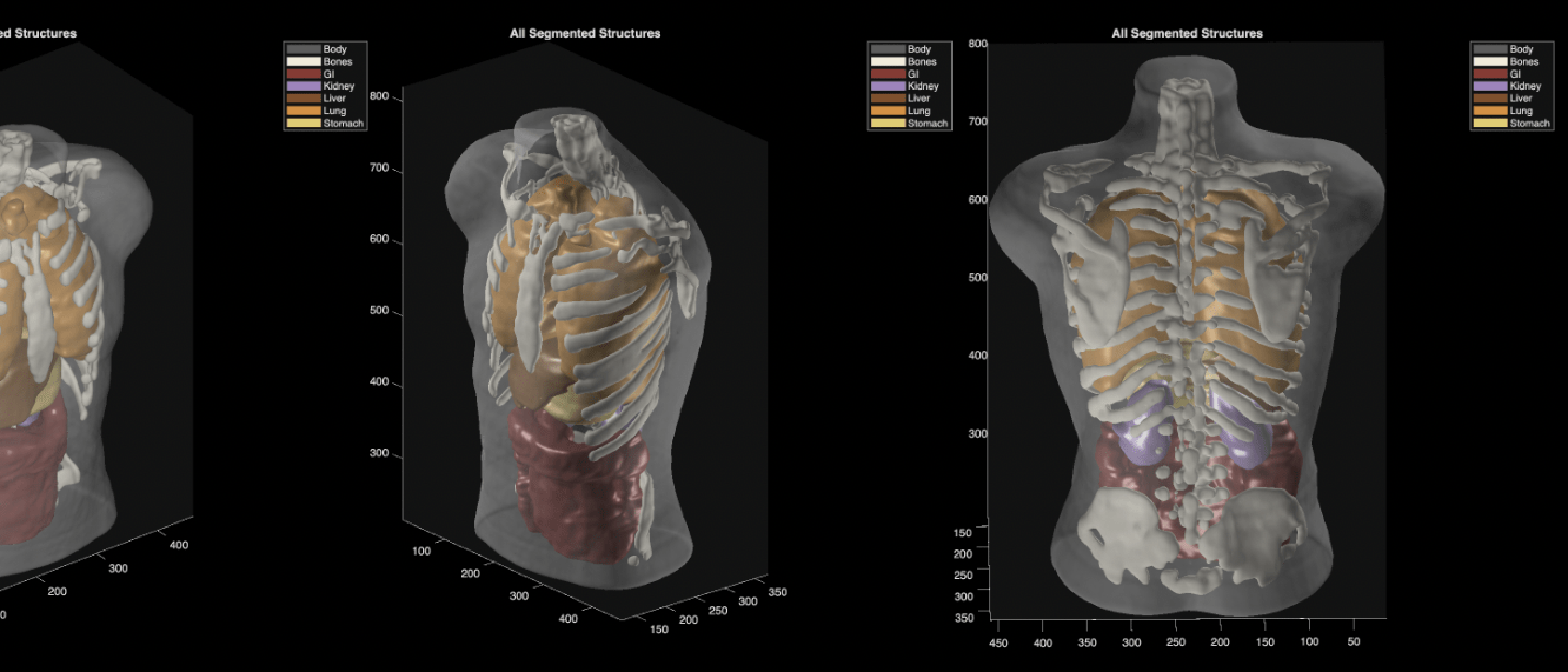
Midjourney, a company known for its innovative approach to artificial intelligence, particularly in image generation, has made a surprising move into the medical imaging sector. This pivot, announced recently, involves the development of a futuristic ultrasound scanner that promises to revolutionize the way medical imaging is performed. The concept, which involves dunking users into a vat of water, aims to produce images as detailed as those from an MRI but with the ease and casualness of a spa visit. This bold move has sparked interest and skepticism within the medical and technological communities.
Background on Midjourney
Before diving into the details of Midjourney’s medical imaging venture, it’s essential to understand the company’s background. Midjourney has been at the forefront of AI-generated imagery, pushing the boundaries of what is possible with artificial intelligence in the creative sector. Their image generator has been praised for its ability to produce high-quality, realistic images based on textual descriptions. This technology has far-reaching implications for various industries, from art and design to entertainment and education.
The Futuristic Ultrasound Scanner
The centerpiece of Midjourney’s pivot into medical imaging is a futuristic ultrasound scanner. This device is designed to immerse the user in a water-filled environment, utilizing advanced ultrasound technology to generate detailed images of the body. The goal, as stated by Midjourney’s CEO David Holz, is to create a system that can produce images as powerful as those from an MRI but with the accessibility and comfort of a casual, non-invasive procedure.
Key Features and Technologies
Several key features and technologies are expected to be integrated into Midjourney’s ultrasound scanner:
- Advanced Ultrasound Technology: Utilizing high-frequency sound waves to create detailed images of the inside of the body.
- AI-Driven Image Processing: Leveraging Midjourney’s expertise in AI to enhance image quality, reduce noise, and improve diagnostic accuracy.
- Water Immersion: The unique aspect of dunking users into a vat of water, which is expected to enhance the clarity of the ultrasound images by reducing interference from air and improving sound wave transmission.
- Comfort and Accessibility: Designed to be as comfortable and accessible as a spa visit, aiming to reduce anxiety and make medical imaging more approachable for a wider range of patients.
Expert Reactions and Skepticism
While the idea of a futuristic, user-friendly medical imaging device is intriguing, several medical imaging specialists have expressed skepticism about Midjourney’s claims. The primary concerns include:
- Lack of Public Evidence: Critics argue that Midjourney has not provided sufficient public evidence to support their claims about the scanner’s capabilities and potential to surpass MRI technology.
- Technical Challenges: Experts point out the significant technical challenges involved in achieving MRI-quality images through ultrasound, especially considering the physics of sound wave transmission and the limitations of current ultrasound technology.
- Regulatory Approval: The process of gaining regulatory approval for such a device is lengthy and rigorous, requiring extensive clinical trials to prove safety and efficacy.
Addressing Skepticism
In response to the skepticism, Midjourney would need to:
- Publish Peer-Reviewed Research: Sharing detailed, peer-reviewed studies on the technology and its capabilities to build credibility within the scientific community.
- Collaborate with Medical Professionals: Working closely with medical professionals and researchers to validate the device’s performance and identify areas for improvement.
- Transparent Development Process: Maintaining transparency throughout the development process, including sharing updates on challenges faced and how they are addressed.
Potential Impact on Medical Imaging
If successful, Midjourney’s futuristic ultrasound scanner could have a significant impact on the medical imaging landscape:
- Increased Accessibility: Making high-quality medical imaging more accessible to a broader population, potentially in non-traditional settings such as community centers or even at home.
- Reduced Costs: Potentially reducing the costs associated with medical imaging, both in terms of the device itself and the procedures required to operate it.
- Enhanced Patient Experience: Improving the patient experience by making medical imaging less intimidating and more comfortable.
Challenges to Widespread Adoption
However, several challenges must be overcome for widespread adoption:
- Cost and Accessibility: The initial cost of the device and the cost per use need to be competitive with existing technologies.
- Training and Education: Healthcare professionals will need training on the new technology, which could be a barrier to adoption.
- Integration with Existing Systems: The device must be able to integrate seamlessly with existing healthcare systems and electronic health records.
Conclusion
Midjourney’s pivot into medical imaging with a futuristic ultrasound scanner is an ambitious endeavor that could potentially revolutionize the field. While the concept is intriguing and the goals are laudable, the path forward is fraught with technical, regulatory, and adoption challenges. As the company moves forward, it will be crucial for them to address the skepticism of experts, collaborate with the medical community, and provide transparent, peer-reviewed evidence of their technology’s capabilities.
FAQ
Q: What is Midjourney’s background before entering medical imaging?
A: Midjourney is known for its work in artificial intelligence, particularly in generating high-quality images based on textual descriptions.
Q: How does the futuristic ultrasound scanner work?
A: The scanner involves immersing the user in water and using advanced ultrasound technology, combined with AI-driven image processing, to generate detailed body images.
Q: What are the potential benefits of Midjourney’s medical imaging technology?
A: The benefits could include increased accessibility, reduced costs, and an enhanced patient experience, making medical imaging more approachable and less intimidating.
Q: What are the main concerns expressed by medical imaging specialists?
A: Specialists are concerned about the lack of public evidence, technical challenges, and the lengthy process of gaining regulatory approval.
Q: How can Midjourney address the skepticism and move forward?
A: By publishing peer-reviewed research, collaborating with medical professionals, and maintaining transparency throughout the development process.
Q: What challenges must be overcome for widespread adoption of the technology?
A: Challenges include the cost and accessibility of the device, training healthcare professionals, and integrating the technology with existing healthcare systems.