



Overview of the Dyson Camera Jet Launch
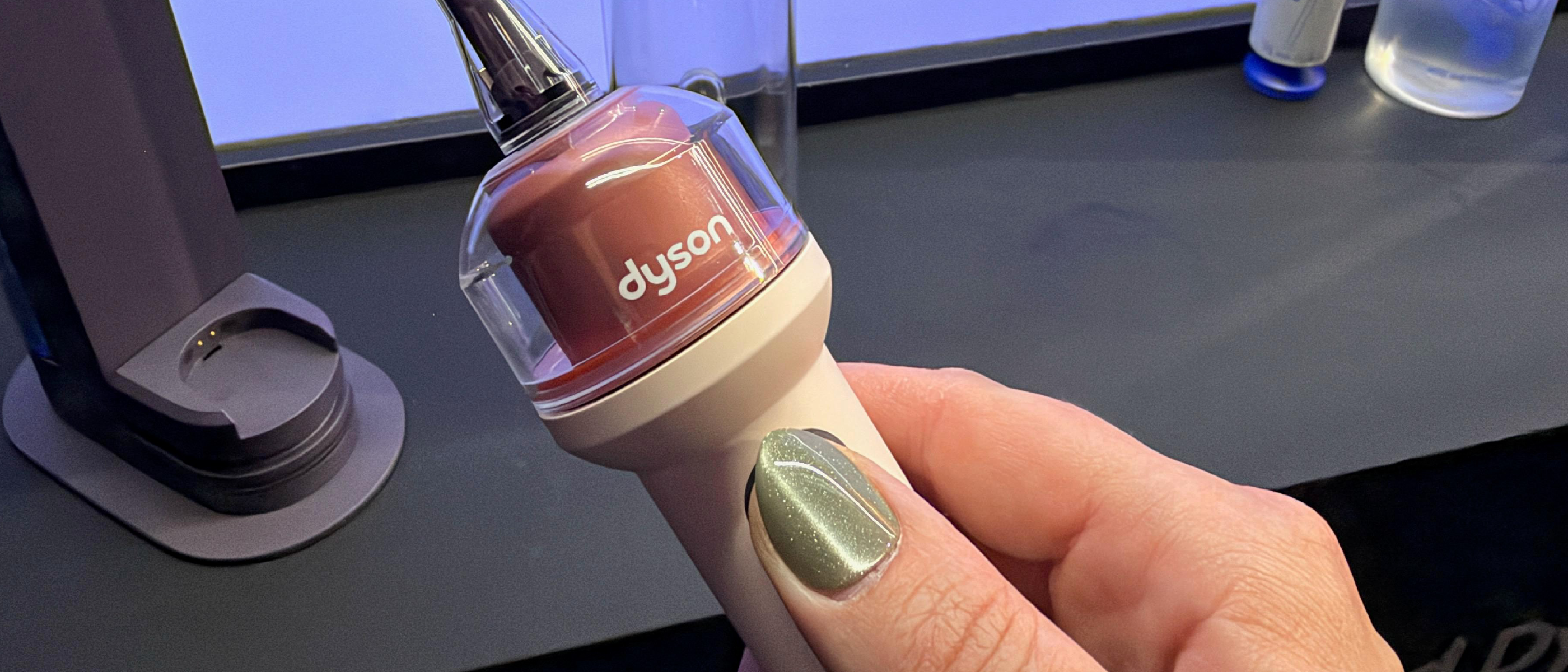
Dyson entered the oral‑care market with the Camera Jet, a $499.99 electric toothbrush that combines a high‑resolution camera, AI‑driven gap detection, and an automatic mouthwash dispenser. The device promises to “see” the spaces between teeth, capture a live feed on a companion app, and then fire a micro‑spray of mouthwash directly into those gaps. The concept generated buzz on tech sites and social media, especially after a striking photo credit to Jennifer Pattison Tuohy / The Verge.
Within days of the launch, however, the excitement turned into alarm. Multiple Reddit users—one on the r/Dyson subreddit and another from the UK—reported that their units stopped working within seconds. The common denominator? Water had seeped into the battery compartment, short‑circuiting the device. An official statement from Dyson hinted that “a small number of early batches of Dyson Camera Jet products may have experienced a component …”—the rest of the sentence was cut off, but the implication is clear: a manufacturing defect is allowing moisture to reach the lithium‑ion cells.
Technical Breakdown of the Failure Mode
1. Design of the Water‑Dispersal System
The Camera Jet’s mouthwash delivery relies on a small pump and a nozzle positioned near the brush head. In theory, the system should be sealed from the rest of the toothbrush. In practice, the following design choices create a vulnerability:
- Shared internal cavity: The pump, battery, and electronics share a single housing with only a thin silicone gasket separating the mouthwash reservoir from the battery bay.
- Lack of conformal coating: The printed‑circuit board (PCB) inside the handle appears to have minimal protective coating, making it susceptible to moisture.
- Pressure spikes: When the mouthwash is expelled, a brief pressure increase can force liquid past the gasket, especially if the seal is not perfectly uniform.
2. Battery Chemistry and Risk
Dyson uses a compact lithium‑ion cell to keep the handle lightweight. Lithium‑ion batteries are highly sensitive to moisture; even a small amount of water can:
- Create a conductive path between the positive and negative terminals.
- Accelerate internal heating, leading to thermal runaway.
- Corrode the battery’s internal components, permanently reducing capacity.
3. Evidence from Early User Reports
- Reddit user (r/Dyson): “Broke within 30 seconds. The brush stopped vibrating, and a faint hissing sound came from the handle.”
- UK Reddit user: “After a week of normal use, the unit stopped. I opened it and found water pooling around the battery contacts.”
Both accounts describe immediate failure, consistent with a short circuit rather than a gradual degradation.
4. Potential Manufacturing Tolerances
The phrase “early batches” suggests a production‑line issue rather than a design flaw that would affect every unit. Possible causes include:
- Inconsistent silicone gasket thickness.
- Misaligned assembly that leaves a micro‑gap.
- Insufficient drying of the mouthwash reservoir before sealing.
Why It Matters to Consumers and the Industry
Consumer Trust
Dyson has built its brand on premium engineering—air purifiers, vacuums, and hair tools are known for durability. A high‑priced oral‑care device that fails instantly threatens that reputation. Consumers paying nearly $500 expect a product that lasts months, if not years.
Safety Implications
A shorted lithium‑ion battery can overheat, emit smoke, or, in extreme cases, catch fire. While no incidents of fire have been reported yet, the risk is non‑trivial, especially for a device used daily in a bathroom environment where steam and water are ubiquitous.
Regulatory Scrutiny
Electrical devices that combine liquids and batteries fall under strict safety standards (e.g., IEC 60335‑2‑9 for electric toothbrushes). If Dyson’s product does not meet those standards, regulators could issue recalls or mandatory remediation orders.
Market Ripple Effects
The oral‑care market is already competitive, with established players like Philips Sonicare and Oral‑B introducing AI‑enhanced brushes. A high‑profile failure could slow adoption of AI‑driven dental tech, giving rivals a chance to capture market share with more conservative, proven designs.
Industry Impact and Competitive Landscape
AI Integration in Personal Care
Dyson’s attempt illustrates the growing trend of embedding computer vision and AI into everyday hygiene tools. The Camera Jet’s camera‑based gap detection is a novel use case, but the failure underscores that hardware reliability must keep pace with software ambition.
- Lesson for startups: When adding AI sensors, prioritize waterproofing and modular design.
- Lesson for incumbents: Companies like Philips and Oral‑B can leverage this misstep to emphasize their long‑standing, water‑proof designs while still integrating AI features.
Cross‑Industry Safety Standards
The incident may accelerate discussions around AI safety in consumer hardware. Microsoft’s recent announcement of ten AI safety principles for schools ( Microsoft Commits Ten AI Safety Principles for Schools ) highlights that safety is not just a software concern. Dyson’s hardware issue could become a case study in how AI‑enabled devices need holistic safety frameworks.
Security Considerations
While the primary problem is physical, any device with wireless connectivity (the Camera Jet syncs to a smartphone app) could become a vector for cyber‑attacks if the hardware is compromised. The recent Zoom zero‑day exploit ( Zoom Zero‑Day Exploit: Remote Takeover of iPhone & Mac ) reminds us that software vulnerabilities often arise from hardware flaws. A compromised battery compartment could, in theory, be used to inject malicious firmware.
Future Outlook and Possible Remedies
Dyson’s Likely Response
- Recall or repair program: Offering free battery‑compartment seals or replacement units for affected customers.
- Design revision: Adding a secondary waterproof barrier, improving gasket material, and applying conformal coating to the PCB.
- Software update: Temporarily disabling the mouthwash‑spray feature until hardware is fixed.
Consumer Actions
- Stop using the device: Until Dyson confirms it is safe, users should discontinue use to avoid potential injury.
- Check for water: If comfortable opening the handle, inspect for moisture around the battery contacts.
- Document the issue: Keep receipts and photos; they will be useful if a recall is announced.
Long‑Term Market Implications
If Dyson resolves the issue quickly, the Camera Jet could still set a benchmark for AI‑driven oral care. However, a prolonged controversy may push the industry toward modular designs where the liquid‑handling system is physically separate from the power source—similar to how some electric shavers have detachable heads.
Frequently Asked Questions
Q1: Is the Camera Jet still safe to use?
A: Current reports indicate water can reach the battery, creating a short‑circuit risk. Until Dyson issues an official safety notice, it is advisable to stop using the device.
Q2: Will Dyson replace the faulty units?
A: Dyson has acknowledged “a small number of early batches” may be affected. Historically, the company offers repair or replacement for manufacturing defects, but the exact policy has not been disclosed.
Q3: Does the problem affect the AI camera functionality?
A: The AI camera itself is not at fault; the failure originates from the
Q3: Does the problem affect the AI camera functionality?
A: The AI camera itself is not at fault; the failure originates from the water intrusion into the battery compartment, which can cause a short‑circuit and shut down the entire device, including the camera and AI processing. In theory the camera hardware would work once power is restored, but until the moisture issue is remedied the unit will remain dead.
Q4: What is Dyson doing to address the issue?
A: Dyson’s brief statement alludes to a “small number of early batches” that may have experienced a faulty component. The company has not yet released a formal recall, but industry insiders expect a two‑pronged approach: (1) a voluntary repair‑or‑replace program for owners who can provide proof of purchase, and (2) an engineering revision that adds a secondary waterproof barrier and applies conformal coating to the internal PCB.
Q5: Should I request a refund?
A: If you purchased the Camera Jet within the first two weeks of launch and have experienced the failure, you are well within most retailers’ return windows. Contact the point of sale for a refund or exchange, and keep all packaging and receipts in case Dyson later issues a broader recall.
Q6: Could this issue affect future Dyson products?
A: The problem appears to be limited to the early production run of the Camera Jet. However, it serves as a cautionary tale for any Dyson product that combines liquid handling with high‑energy batteries. Future releases are likely to undergo stricter water‑ingress testing, especially after the regulatory attention this incident has attracted.
Conclusion
The Dyson Camera Jet entered the market with a bold promise: AI‑driven, camera‑guided oral care that literally “sprays” mouthwash into hard‑to‑reach gaps. The concept is undeniably innovative, but the early‑batch water‑intrusion defect has turned excitement into a safety concern. For a premium brand, a $500 toothbrush that can short‑circuit in seconds is a serious reputational risk, and it underscores a broader industry lesson—hardware reliability must keep pace with software ambition.
Consumers should pause use of any affected units, document the problem, and seek a repair, replacement, or refund while Dyson finalizes its response. The incident also highlights the need for stricter waterproofing standards in AI‑enabled personal‑care devices, a topic that regulators and competitors will be watching closely. If Dyson can swiftly remediate the flaw and reinforce its design, the Camera Jet could still set a new benchmark for smart oral hygiene. Until then, the toothbrush remains a cautionary example of how a single manufacturing oversight can jeopardize both safety and brand trust.
References
- The Verge, Dyson’s $499 Camera Jet toothbrush is breaking due to water in the battery compartment (2026).
- Reddit, r/Dyson thread “Broke within 30 seconds” (2026‑09‑10).
- Reddit, UK user post on water‑filled battery compartment (2026‑09‑09).
- IEC 60335‑2‑9: Safety of electric toothbrushes.
- Microsoft, Ten AI Safety Principles for Schools (2024).
- Zoom, Zero‑Day Exploit Allows Remote Takeover of iPhone & Mac (2025).
Source: Original Article