
Background of the Siri AI Lawsuit
In March 2025, a class‑action suit was filed against Apple Inc. alleging false advertising surrounding the promised capabilities of “personalized Siri.” The complaint centered on a June 2024 product preview that showcased Siri with deep personal‑context understanding, on‑screen awareness, and per‑app controls. Apple’s marketing, amplified by a high‑profile TV spot featuring actress Bella Ramsey, suggested that the next generation of Siri would act as a true personal assistant, capable of pulling flight details, restaurant reservations, and even reading information directly from the screen.
When Apple postponed the rollout of the “personalized Siri” feature to March 2025, early adopters of the iPhone 15 Pro line felt misled. The lawsuit argued that Apple’s statements constituted deceptive trade practices under U.S. consumer‑protection law. After months of discovery and mediation, a federal judge granted preliminary approval for a $250 million settlement that will compensate eligible iPhone owners.
Settlement Details and Eligibility
The settlement framework is straightforward yet nuanced. Apple will distribute up to $95 per device to members of the class who meet the following criteria:
- Residency: Must be a U.S. resident.
- Purchase Window: The iPhone must have been bought between June 10 2024 and March 29 2025.
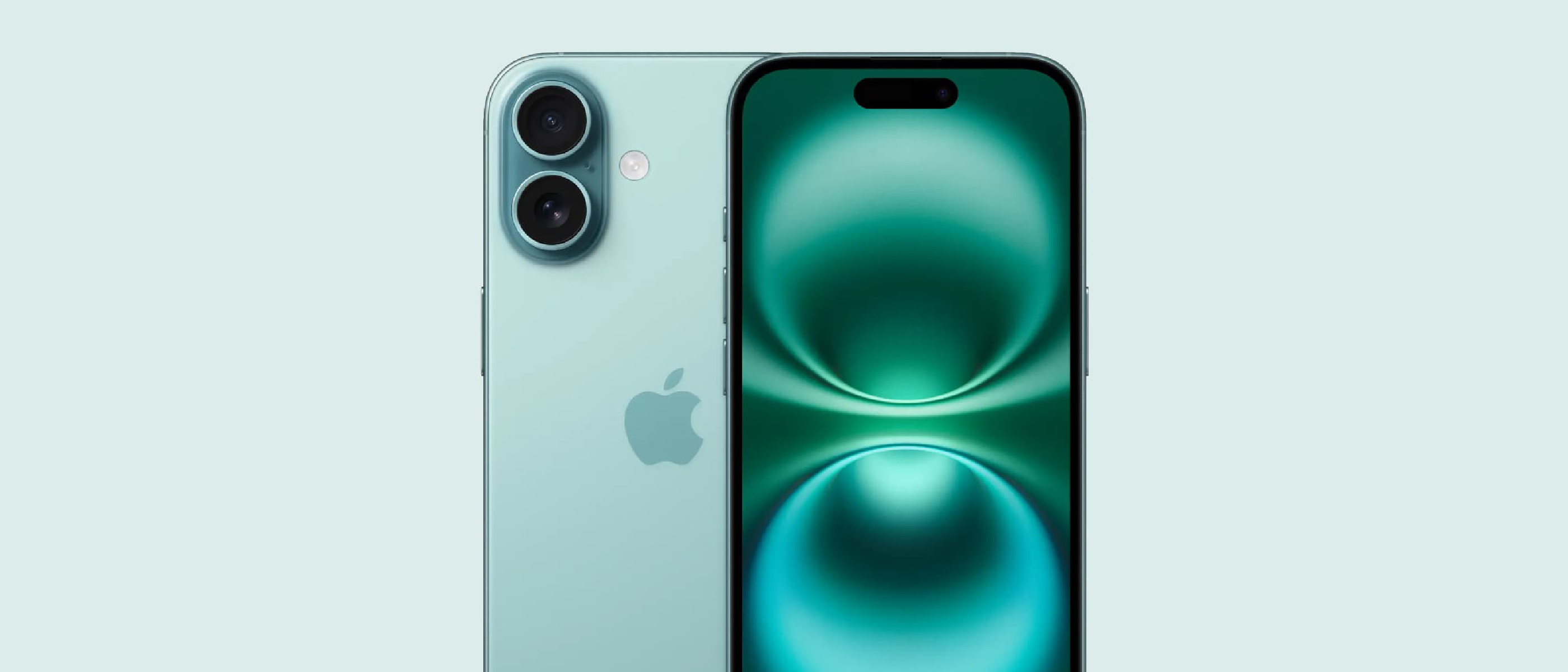
- Eligible Models: Only the following devices qualify, listed in chronological release order:
- iPhone 15 Pro
- iPhone 15 Pro Max
- iPhone 16
- iPhone 16e
- iPhone 16 Plus
- iPhone 16 Pro
- iPhone 16 Pro Max
The payout structure is tiered. If a claimant’s expectations of Siri’s capabilities were higher than the actual delivery, the base payment of $25 applies. Conversely, if the claimant’s expectations were lower, the maximum $95 per device is awarded. Apple has not disclosed the exact algorithm used to assess each claim, but the court document notes that eligible class members will be notified by email within approximately 45 days after the settlement receives preliminary approval—projected for late August 2026.
A dedicated settlement website will host the claim form, but it is not live yet. Apple advises users to wait for official communication before submitting any documentation. Proof of purchase may be required, typically via serial number or receipt, though the final requirements remain to be announced.
Technical Expectations vs. Delivered Features
Advertised Features (June 2024 Preview)
- Personal Context Understanding – Siri would automatically reference user‑specific data such as upcoming flights or lunch reservations without explicit prompts.
- On‑Screen Awareness – The assistant could read and act upon information displayed on the device screen, effectively bridging visual content and voice commands.
- Deeper Per‑App Controls – Integration with native apps like Mail and Messages would enable Siri to draft replies, schedule meetings, and perform nuanced actions based on app context.
Delayed Feature (March 2025)
The centerpiece, Personalized Siri, was postponed. Apple cited the need for additional machine‑learning training and privacy safeguards, but the delay triggered the lawsuit.
Released Features (2026)
At WWDC 2026, Apple announced Siri AI as part of iOS 27, slated for a September 2026 release. While the long‑awaited personalized context features are now part of the broader “Apple Intelligence” suite, Apple also introduced separate AI‑driven capabilities across its ecosystem, such as the Siri‑AI Formatting Bar in macOS 27 Beta for Mail. The formatting bar demonstrates how Apple is integrating generative AI into everyday workflows, a development covered in detail in our earlier post: Apple Mail’s Siri‑AI Formatting Bar in macOS 27 Beta .
The public beta of Siri AI is expected in July 2026, with a developer beta already available. When iOS 27 ships, Siri AI will be enabled on iPhone 15 Pro and newer models, effectively covering all devices eligible for the settlement.
Industry Impact and Legal Precedent
Apple’s settlement is one of the largest consumer‑class actions involving AI‑related claims. It underscores several emerging trends:
- Regulatory Scrutiny of AI Marketing: Companies are increasingly being held accountable for overstating AI capabilities. The settlement mirrors actions taken against other tech firms for “AI hype,” a theme explored in our analysis of YouTube’s response to AI‑generated content: YouTube Fights AI Slop with New Monetization Rules .
- Consumer Expectations for Transparency: Users now demand clear, verifiable roadmaps for AI features. The lawsuit forced Apple to articulate a more concrete timeline for Siri AI, which may influence future product announcements.
- Precedent for Future AI Litigation: Legal scholars predict that the Siri case will be cited in upcoming disputes over generative‑AI tools, especially as platforms like X (formerly Twitter) adjust their algorithms to prioritize authentic replies—a shift discussed in our piece on the X Algorithm Update: X Algorithm Update Prioritizes Replies .
From a business perspective, the $250 million payout is modest relative to Apple’s cash reserves, but the reputational cost of a high‑profile AI delay could be more significant. By settling, Apple avoids a protracted trial that might expose internal development timelines and further erode consumer trust.
Future Outlook for Siri AI and Apple Intelligence
Looking ahead, several factors will shape Siri’s evolution:
- Integration with Apple Intelligence: Apple is positioning Siri as a component of a larger AI ecosystem that includes generative text, image analysis, and on‑device inference. The rollout of iOS 27 will be a litmus test for how seamlessly these pieces work together.
- Privacy‑Centric Machine Learning: Apple’s differentiator remains on‑device processing. The delayed personalized Siri feature was reportedly postponed to ensure that contextual data never leaves the device, aligning with Apple’s privacy narrative.
- Developer Ecosystem: With the developer beta already out, third‑party app developers will have a window to embed Siri AI into their services. Early adopters who built on the anticipated contextual APIs may need to adjust their implementations, but the broader “Apple Intelligence” toolkit could open new monetization pathways.
- Regulatory Landscape: Ongoing investigations by the FTC and state attorneys general into AI advertising claims suggest that future product announcements will be vetted more rigorously. Apple’s settlement may serve as a template for how tech giants negotiate with regulators while preserving product roadmaps.
Consumers who receive the settlement notice should verify eligibility, retain proof of purchase, and monitor Apple’s official communications for the claim‑submission portal. For developers, the upcoming iOS 27 beta will be the first chance to experiment with Siri AI’s new capabilities, making it a critical period for testing integration and performance.
FAQ
Q1: Which iPhone models are covered by the settlement?
A: The settlement applies to iPhone 15 Pro, iPhone 15 Pro Max, iPhone 16, iPhone 16e, iPhone 16 Plus, iPhone 16 Pro, and iPhone 16 Pro Max purchased between June 10 2024 and March 29 2025.
Q2: How much can I receive per device?
A: Payments range from a base $25 to a maximum $95 per eligible device, depending on the claimant’s expectations versus the actual Siri AI delivery.
Q3: When will I be notified about the settlement?
A: Apple expects to email eligible class members within approximately 45 days of the preliminary approval, likely by late August 2026.
Q4: Do I need to physically return my iPhone?
A: No physical return is required. Proof of purchase—such as a receipt or serial number—may be requested when you submit your claim.
Q5: When will Siri AI be generally available?
A: Siri AI will launch with iOS 27 in September 2026, and a public beta is slated for July 2026.
Q6: Will the settlement affect future Apple AI announcements?
A: While the settlement resolves this specific class action, Apple is expected to adopt more cautious language in future AI marketing to avoid similar litigation.
Source: Original Article