



The Political Spark: Why Trump Wants to Rename AI
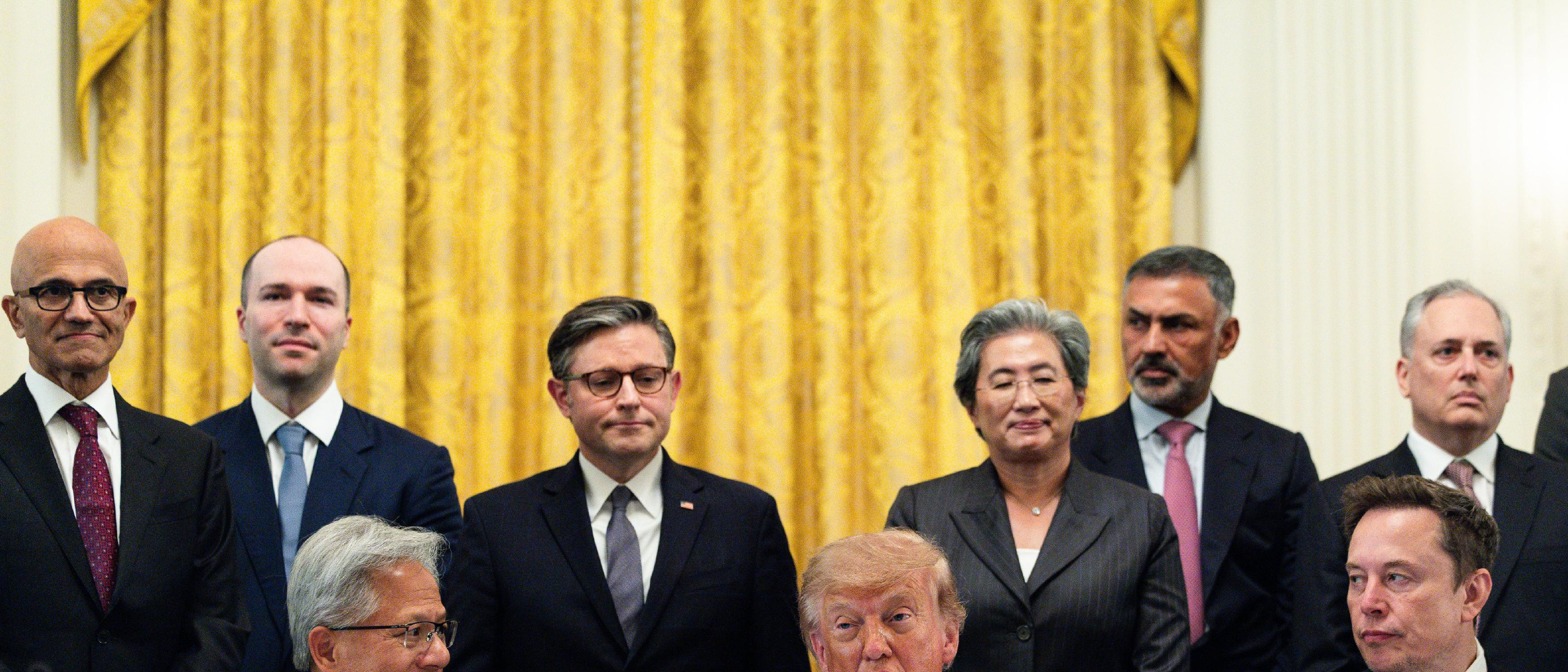
In a surprise press briefing, President Donald Trump announced a federal initiative to replace the term “artificial intelligence” with “super intelligence.” The administration argues that “super intelligence” more accurately reflects the transformative potential of machine‑driven systems and avoids the perceived hype associated with the older label. The White House memo, partially quoted in the briefing, warned that continued use of “Artificial Intelligence” could be seen as outdated or even misleading.
The move is not merely semantic. By establishing a new lexical standard, the administration hopes to shape public perception, influence funding priorities, and create a regulatory framework that aligns with its broader technology agenda. The timing coincides with heightened congressional scrutiny of AI‑related privacy, bias, and national‑security concerns, suggesting a strategic attempt to steer the narrative before new legislation takes shape.
Technical Breakdown: What “Super Intelligence” Means for Engineers
From a technical standpoint, the term “super intelligence” carries connotations that differ from the current definition of AI. Traditional AI encompasses narrow models—vision classifiers, language generators, reinforcement‑learning agents—each optimized for specific tasks. “Super intelligence,” as framed by the White House, implies a level of generality and autonomy that surpasses human cognitive capabilities across a broad spectrum of domains.
Key implications for engineers include:
- Model Scope Expansion: Projects may be required to demonstrate cross‑domain competence, pushing research toward artificial general intelligence (AGI) benchmarks rather than isolated performance metrics.
- Safety Protocols: The elevated ambition necessitates more rigorous alignment and interpretability standards. Existing frameworks like OpenAI’s “Safety Gym” could become mandatory compliance tools.
- Funding Realignment: Grants and contracts may prioritize “super intelligence” initiatives, potentially diverting resources from incremental AI improvements.
These shifts could accelerate research trajectories but also raise the bar for verification, testing, and ethical oversight.
Silicon Valley’s Reaction: Musk, SpaceX, and the Ripple Effect
Elon Musk, CEO of SpaceX, was among the first high‑profile tech leaders to publicly endorse the rebranding. In a tweet, Musk announced that his internal AI effort, previously known as Space XAI, would be renamed Space XSI (“Space X Super Intelligence”). The change is more than a branding exercise; it signals alignment with the administration’s narrative and may influence partner ecosystems, from satellite data pipelines to autonomous launch‑control software.
Other Silicon Valley figures—venture capitalists, startup founders, and academic researchers—have begun echoing the terminology in conference talks and whitepapers. This rapid adoption suggests a coordinated effort to avoid potential regulatory friction and to position themselves favorably for upcoming federal contracts.
The rebranding also intersects with ongoing discussions about AI governance. For instance, the recent article “ Voice AI Still Awaits Its ChatGPT Moment, Execs Say ” highlights how industry leaders are cautious about overpromising capabilities. The “super intelligence” label could exacerbate that caution, prompting firms to temper marketing claims while still meeting the new nomenclature.
Industry Impact: From Startups to Enterprise
Market Perception
The terminology shift is likely to affect market valuations. Companies that already market themselves as AI leaders may need to re‑position their messaging, potentially affecting investor sentiment. Conversely, firms that can credibly claim “super intelligence” capabilities may experience a premium in funding rounds.
Legal and Compliance Landscape
Regulators may adopt the term in legislation, creating a legal distinction between “AI” and “super intelligence.” This could lead to tiered compliance regimes, where “super intelligence” systems face stricter reporting, audit trails, and impact assessments. Companies will need to monitor policy developments closely to avoid non‑compliance penalties.
Talent Acquisition
Recruitment pipelines could also feel the impact. Job postings that previously listed “AI Engineer” may transition to “Super Intelligence Engineer,” influencing the skill sets that candidates emphasize. Universities might adjust curricula to incorporate more interdisciplinary coursework—spanning cognitive science, ethics, and advanced systems theory—to meet emerging employer expectations.
Future Outlook: Risks, Opportunities, and the Path Forward
Risks
- Terminology Fatigue: Frequent rebranding can dilute brand equity and confuse stakeholders, especially if “super intelligence” fails to deliver on its promise.
- Regulatory Overreach: A stricter legal regime could stifle innovation, particularly for smaller startups lacking compliance resources.
- Public Mistrust: The term “super intelligence” may evoke dystopian narratives, potentially fueling public resistance or backlash.
Opportunities
- Strategic Alignment: Early adopters like SpaceX can secure preferential treatment in federal contracts, research grants, and data‑sharing agreements.
- Standardization: A unified term could simplify cross‑industry communication, fostering collaborative research initiatives.
- Innovation Incentives: The heightened ambition may attract talent eager to work on frontier problems, accelerating progress toward truly generalizable systems.
The Road Ahead
The next 12‑18 months will be critical. Watch for:
- Legislative Drafts: Bills that explicitly reference “super intelligence” will clarify the regulatory scope.
- Industry Consortia: Groups such as the Partnership on AI may issue position papers to guide ethical development under the new terminology.
- Academic Publications: Expect a surge in papers that redefine benchmarks and evaluation metrics to align with “super intelligence” goals.
Frequently Asked Questions
Q: Does the rebranding affect existing AI products?
A: Existing products will not be forced to change names, but marketing and compliance materials may need to adopt the new terminology to stay aligned with federal guidance.
Q: Is “Super Intelligence” a legal term?
A: Not yet. It is currently a policy recommendation. Future legislation could codify it, creating distinct legal obligations.
Q: How does this affect AI safety research?
A: The emphasis on broader capabilities intensifies the need for robust safety frameworks. Researchers are likely to see increased funding for alignment and interpretability studies.
Q: Will other tech giants follow Musk’s lead?
A: Early signals suggest many will. Companies that rely heavily on AI branding—Google, Microsoft, Meta—are already reviewing their terminology guidelines.
Q: Are there any immediate changes to AI regulations?
A: No concrete regulatory changes have been enacted yet, but the administration’s language indicates that new rules may be drafted within the next fiscal year.
Connecting the Dots: Related Coverage
- The evolving AI narrative ties into broader concerns about AI misuse, as detailed in “ Zoom Annotation Flaw Patched After AI‑Prompt Exploit ”.
- Policy shifts around AI content moderation are explored in “ YouTube Fights AI Slop with New Monetization Rules ”.
By monitoring these developments, stakeholders can better anticipate how the “super intelligence” rebrand will reshape the technology landscape.
Source: Original Article