
Introduction
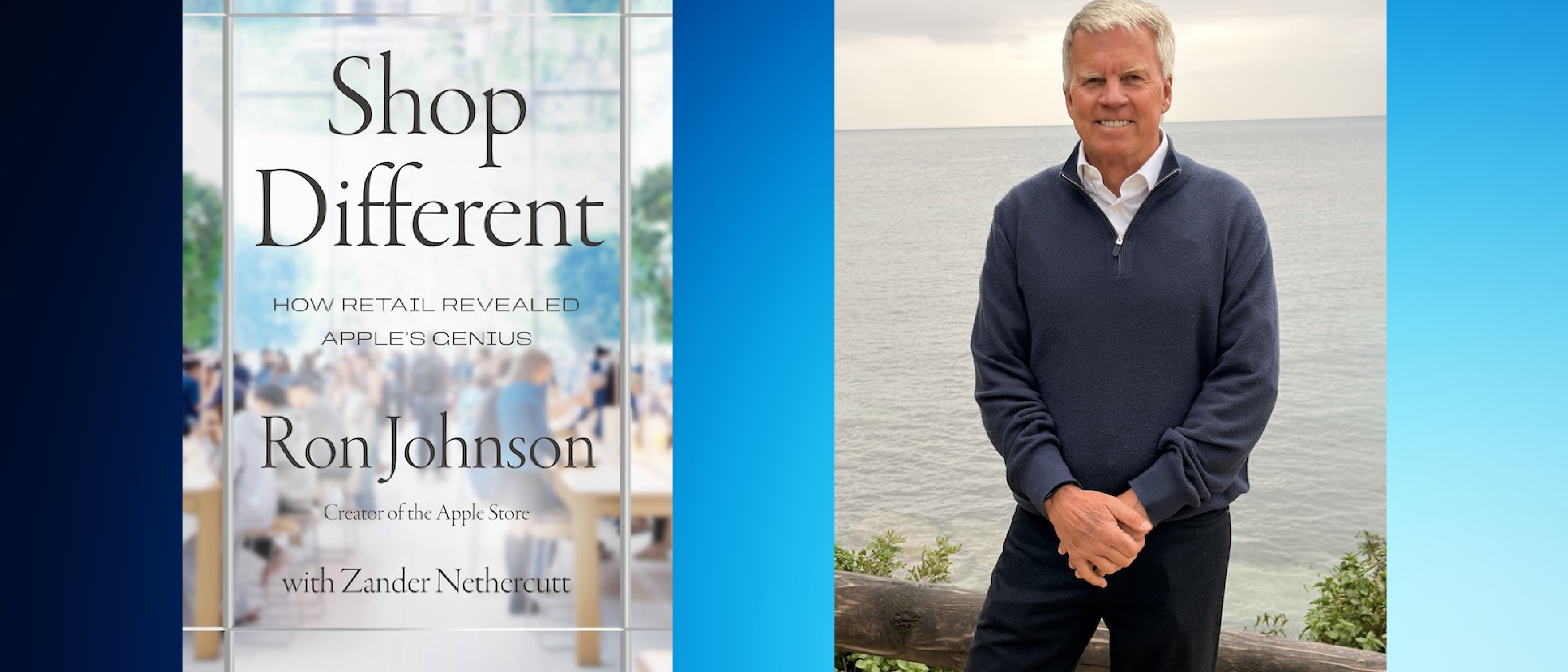
On Tuesday, September 22, former Apple Retail chief Ron Johnson and writer Zander Nethercutt released Shop Different: How Retail Revealed Apple’s Genius. The book offers a rare, insider view of how Apple’s retail empire was conceived, built, and refined over two decades. Johnson, whose career spans Mervyn’s, Target, Apple, and JCPenney, recounts the trials of launching the first Apple Stores in 2001, the creation of the Genius Bar, and his personal interactions with Steve Jobs. The narrative is not just a memoir; it is a case study in retail innovation that continues to influence global commerce.
Why It Matters
Apple’s retail strategy has long been a benchmark for experiential commerce. Johnson’s account demystifies the process that turned a handful of stores into a worldwide phenomenon. The book’s relevance extends beyond Apple:
- Retail Evolution: It illustrates how a technology company can redefine the customer experience, turning a store into a brand ambassador.
- Leadership Lessons: Johnson’s journey—from Target’s merchandising to Apple’s retail vision—highlights the importance of cross‑industry learning.
- Strategic Risk‑Taking: The early failures and “trials and tribulations” Johnson describes underscore that even the most successful brands must iterate relentlessly.
For entrepreneurs and executives, the book is a practical guide to building a retail ecosystem that supports product launches, fosters community, and drives brand loyalty.
Technical Breakdown of Apple Retail
Store Architecture and Design
Apple’s first stores opened in May 2001, a mere year after Johnson joined the company. The design process involved:
- Full‑Scale Mockups: Johnson oversaw a mockup in a Cupertino warehouse that tested layout, lighting, and product placement.
- Modular Construction: Stores were built with a standardized framework that allowed rapid replication across cities and countries.
- Human‑Centric Flow: The layout prioritized natural movement, guiding customers from product displays to the Genius Bar without friction.
The Genius Bar Concept
The Genius Bar, a cornerstone of Apple’s retail experience, was engineered to provide:
- On‑Demand Support: Technicians offered troubleshooting, repairs, and product education.
- Community Building: The bar became a social hub where customers could share tips and experiences.
- Data Collection: Interactions were logged to refine product design and support services.
Johnson’s narrative reveals that the Genius Bar was not an afterthought; it was integral to the store’s mission to “launch new products and create a culture of love and connection.”
Supply Chain Integration
Apple’s retail model required tight coordination with manufacturing and logistics:
- Just‑In‑Time Inventory: Stores received products directly from Apple’s distribution centers, reducing overstock.
- Real‑Time Analytics: Sales data fed back into Apple’s supply chain, informing production decisions.
- Cross‑Functional Teams: Retail operations worked closely with product engineering to align store capabilities with product features.
These technical underpinnings enabled Apple to maintain a consistent customer experience worldwide.
Industry Impact
Apple’s retail success has rippled across multiple sectors:
- Retail Technology Adoption: The Genius Bar’s support model has inspired similar in‑store tech hubs at other retailers.
- Brand‑Driven Store Design: Competitors now prioritize experiential design, moving beyond traditional shelving to immersive environments.
- Global Expansion Strategies: Apple’s modular approach has become a template for rapid international rollout, influencing how brands enter new markets.
The book also highlights Johnson’s later tenure at JCPenney, where he applied retail insights but faced challenges that underscore the importance of cultural fit and strategic alignment.
Future Outlook
While Apple continues to evolve its retail footprint—expanding into new countries and integrating digital tools—the core principles Johnson outlines remain relevant:
- Customer‑Centric Innovation: Future stores will likely deepen personalization through AI‑driven recommendations, building on the Genius Bar’s human touch.
- Sustainability Focus: Apple’s commitment to renewable energy and recyclable materials will shape store construction and operations.
- Hybrid Experiences: The line between physical and digital retail will blur, with stores serving as both product launchpads and community centers.
Readers can anticipate that Apple will keep refining its retail model, balancing the proven experiential elements with emerging technologies.
Frequently Asked Questions
What is the main theme of Shop Different?
The book centers on how Apple’s retail stores were conceived, built, and refined, offering insights into the strategic vision behind the Genius Bar and the broader customer experience.
Who co‑authored the book with Ron Johnson?
Zander Nethercutt, a writer known for his work on technology and business narratives, partnered with Johnson to craft the book’s storyline.
When did the first Apple Stores open?
The first two Apple Stores opened in May 2001, a year after Johnson joined the company.
How does the Genius Bar influence Apple’s retail success?
The Genius Bar provides on‑demand support, fosters community, and collects data that informs product development and customer service improvements.
Where can I pre‑order the book?
Pre‑orders are available on Amazon and other major book retailers.
Related Reads
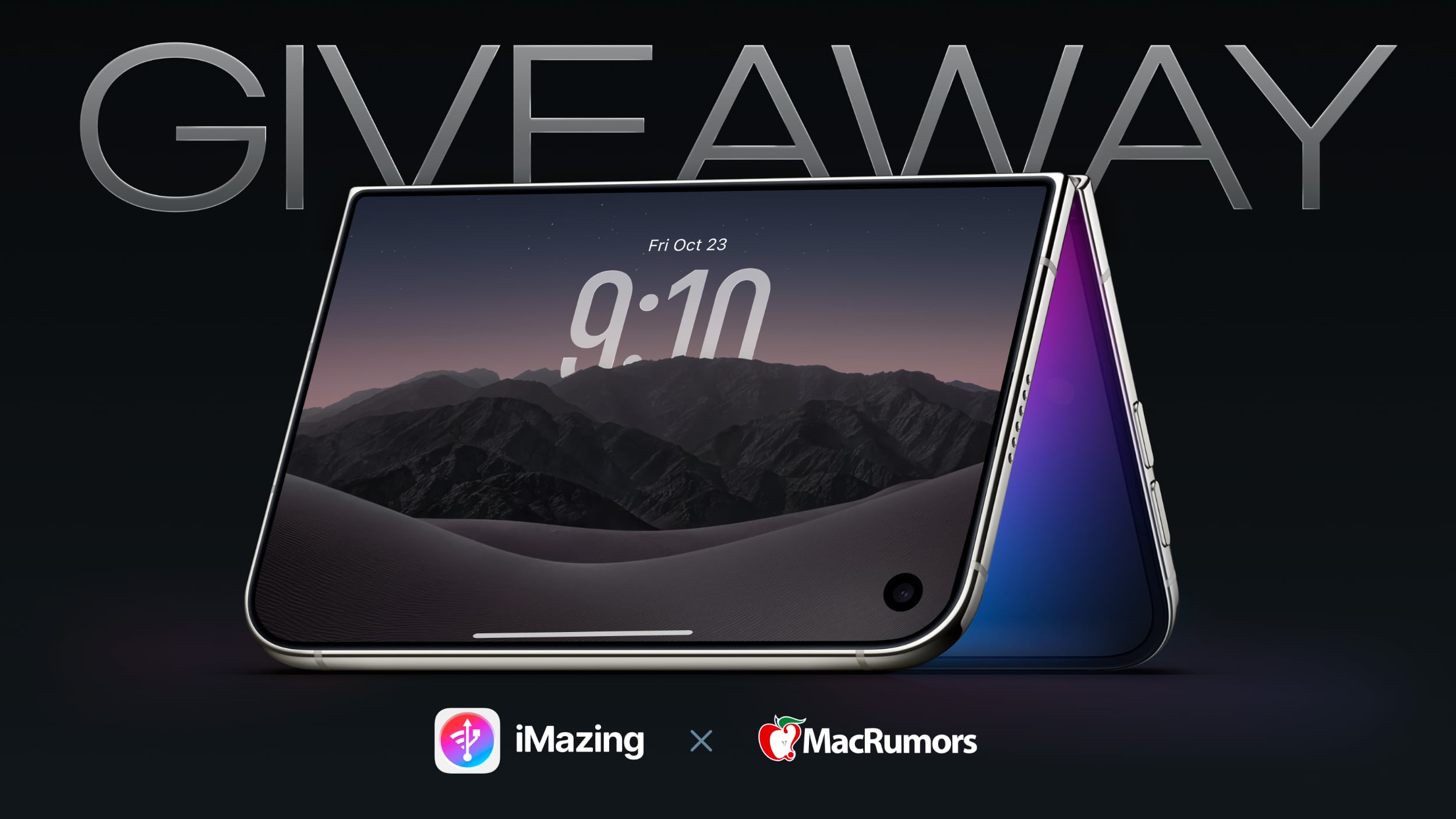
- Explore the rumored iPhone Duo and its potential impact on retail in the MacRumors & iMazing Giveaway: Win iPhone Duo + Software article.
- Learn how Apple’s retail strategy intersects with security concerns in the Zoom Zero‑Day Exploit: Remote Takeover of iPhone & Mac piece.
- Understand the broader tech ecosystem with insights from the Zoom Annotation Flaw Patched After AI‑Prompt Exploit article.
Source: Original Article