




Why It Matters
Apple’s dominance in the personal computing and mobile markets has made its ecosystem a prime target for attackers. The company’s Security Bounty Program rewards researchers for discovering vulnerabilities, but the sheer volume of code and the rapid pace of feature releases create a moving target for defenders. In this context, the emergence of an “always‑on AI security engineer” from OpenHack, coupled with Mosyle’s Apple Unified Platform, signals a paradigm shift: continuous, automated vulnerability discovery and enterprise‑grade hardening can finally keep pace with the evolving threat landscape.
The conversation between Ananay Arora and the “Security Bite” podcast host highlighted three core themes:
- Automation of vulnerability hunting – AI can scan code, binaries, and runtime behavior 24/7, reducing the lag between discovery and patching.
- Integration with bounty programs – Seamless reporting to Apple’s bounty portal accelerates reward cycles and encourages responsible disclosure.
- Enterprise readiness – Mosyle’s platform turns individual device hardening into a scalable, policy‑driven operation across thousands of Macs.
These developments are not isolated; they reflect a broader industry trend toward AI‑augmented security and zero‑trust architectures.
Technical Breakdown: OpenHack’s AI Security Engineer
OpenHack’s AI security engineer is built on a multi‑layered architecture that blends static analysis, dynamic instrumentation, and behavioral modeling. While the full technical stack remains proprietary, the publicly disclosed components provide insight into its capabilities:
| Layer | Function | Key Techniques |
|---|---|---|
| Static Analysis | Scans source and binary code for known patterns | Symbolic execution, taint analysis, pattern matching |
| Dynamic Analysis | Executes code in sandboxed environments | Runtime instrumentation, memory forensics, API call tracing |
| Behavioral Modeling | Learns normal execution profiles to spot anomalies | Machine learning classifiers, unsupervised clustering |
| Reporting Engine | Generates CVE‑style reports and submits to bounty portals | Structured JSON payloads, API integration with Apple |
Continuous Learning Loop
The AI engine ingests new code commits, test results, and vulnerability reports in real time. Each cycle refines its models, enabling it to flag previously unseen attack vectors. For example, when a new sandbox escape technique is discovered, the system automatically updates its detection rules and propagates them to all monitored repositories.
Integration with Apple’s Security Bounty
OpenHack’s platform includes a dedicated module that formats findings into the exact schema required by Apple’s bounty portal. This eliminates manual effort and reduces the risk of misreporting, which historically has delayed payouts. The system also tracks the status of each submission, providing visibility into the review process.
First CVE Success Story
Arora’s interview mentioned a recent CVE that was identified, reported, and patched within a matter of days. While the specific vulnerability was not disclosed, the case study demonstrates the end‑to‑end efficiency of the AI pipeline—from detection to remediation.
Mosyle Apple Unified Platform: Enterprise‑Ready Defense
Mosyle’s Unified Platform is designed to make Apple devices “work‑ready and enterprise‑safe.” Its architecture centers on a cloud‑based policy engine that orchestrates device configuration, security hardening, and compliance monitoring across millions of endpoints.
Core Features
- Automated Hardening & Compliance – Enforces macOS security defaults, disables unnecessary services, and ensures compliance with industry standards (e.g., ISO 27001, SOC 2).
- Next‑Generation EDR – Detects lateral movement, fileless attacks, and suspicious process activity in real time.
- AI‑Powered Zero Trust – Applies least‑privilege access controls and continuously verifies device posture before granting network access.
- Exclusive Privilege Management – Manages local admin rights, reducing the attack surface for privileged escalation.
- Apple MDM Integration – Leverages native Apple MDM APIs for seamless device enrollment and configuration.
Scale and Reach
With a user base of over 45,000 organizations and the ability to manage millions of Apple devices, Mosyle’s platform demonstrates that enterprise‑grade security can be delivered at scale without compromising the user experience that Apple users expect.
Synergy with OpenHack
Mosyle’s platform can ingest vulnerability data from OpenHack’s AI engine, automatically applying hardening rules or patch recommendations. This tight coupling creates a feedback loop: discovered vulnerabilities lead to immediate policy updates, while policy violations trigger new scans.
Industry Impact: Apple Bounty and Beyond
The collaboration between OpenHack and Mosyle, as highlighted in the podcast, has ripple effects across the security ecosystem:
- Accelerated Patch Cycles – Automated detection and reporting reduce the time between vulnerability discovery and patch release.
- Lowered Cost of Security Operations – Continuous AI monitoring diminishes the need for large, dedicated security teams.
- Enhanced Bounty Participation – Streamlined submission processes encourage more researchers to engage with Apple’s program.
- Improved Compliance Posture – Enterprise customers can meet regulatory requirements more efficiently through Mosyle’s automated compliance checks.
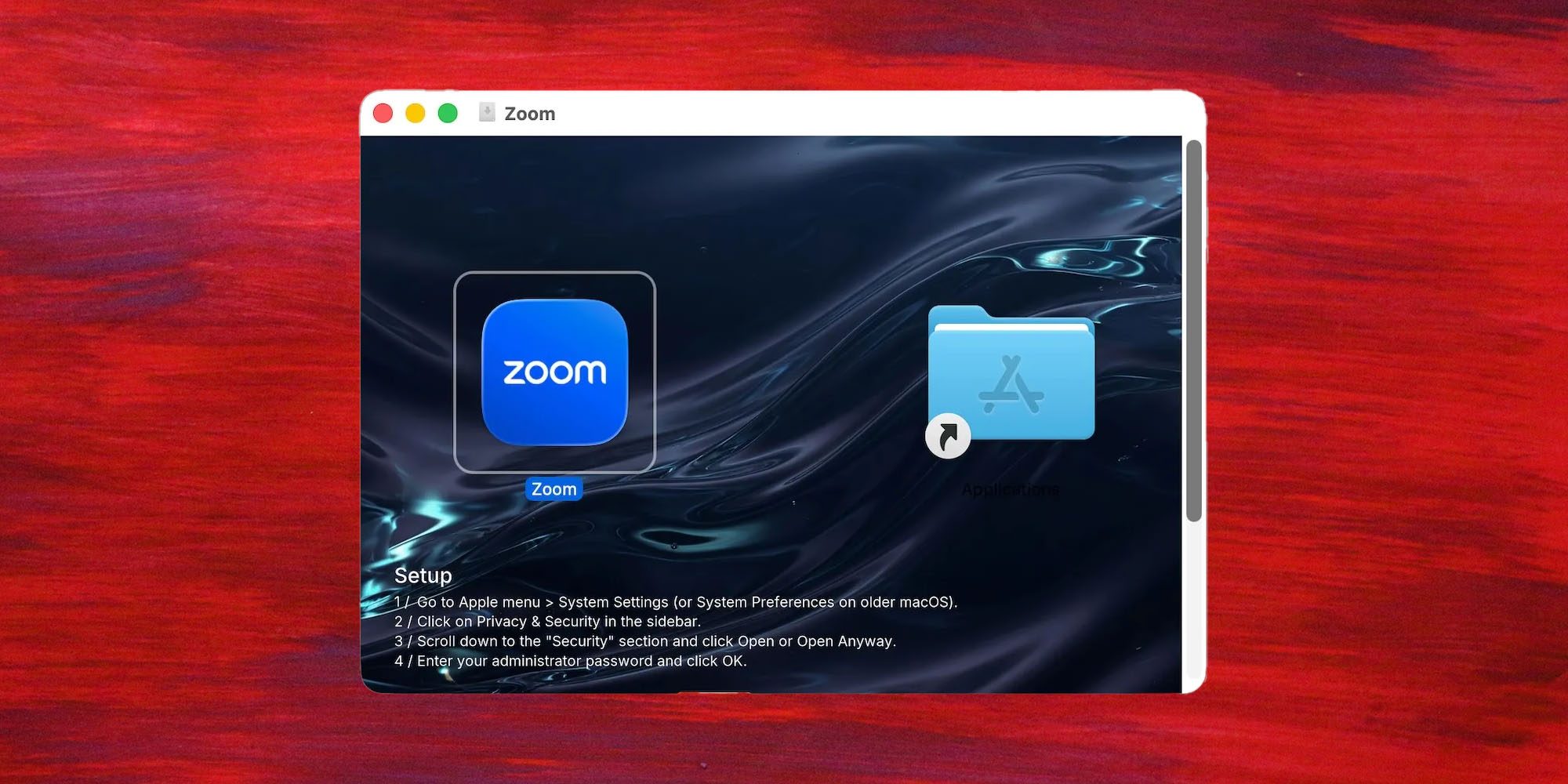
These benefits are echoed in related security discussions, such as the recent exposure of a fake Zoom Mac installer that bypassed Gatekeeper, underscoring the necessity of robust, automated defenses. The same principles apply to the Zoom Annotation flaw patched after an AI‑prompt exploit, illustrating how AI can both create and mitigate threats.
- Fake Zoom Mac Installer Skips Gatekeeper, Steals Data
- Zoom Annotation Flaw Patched After AI‑Prompt Exploit
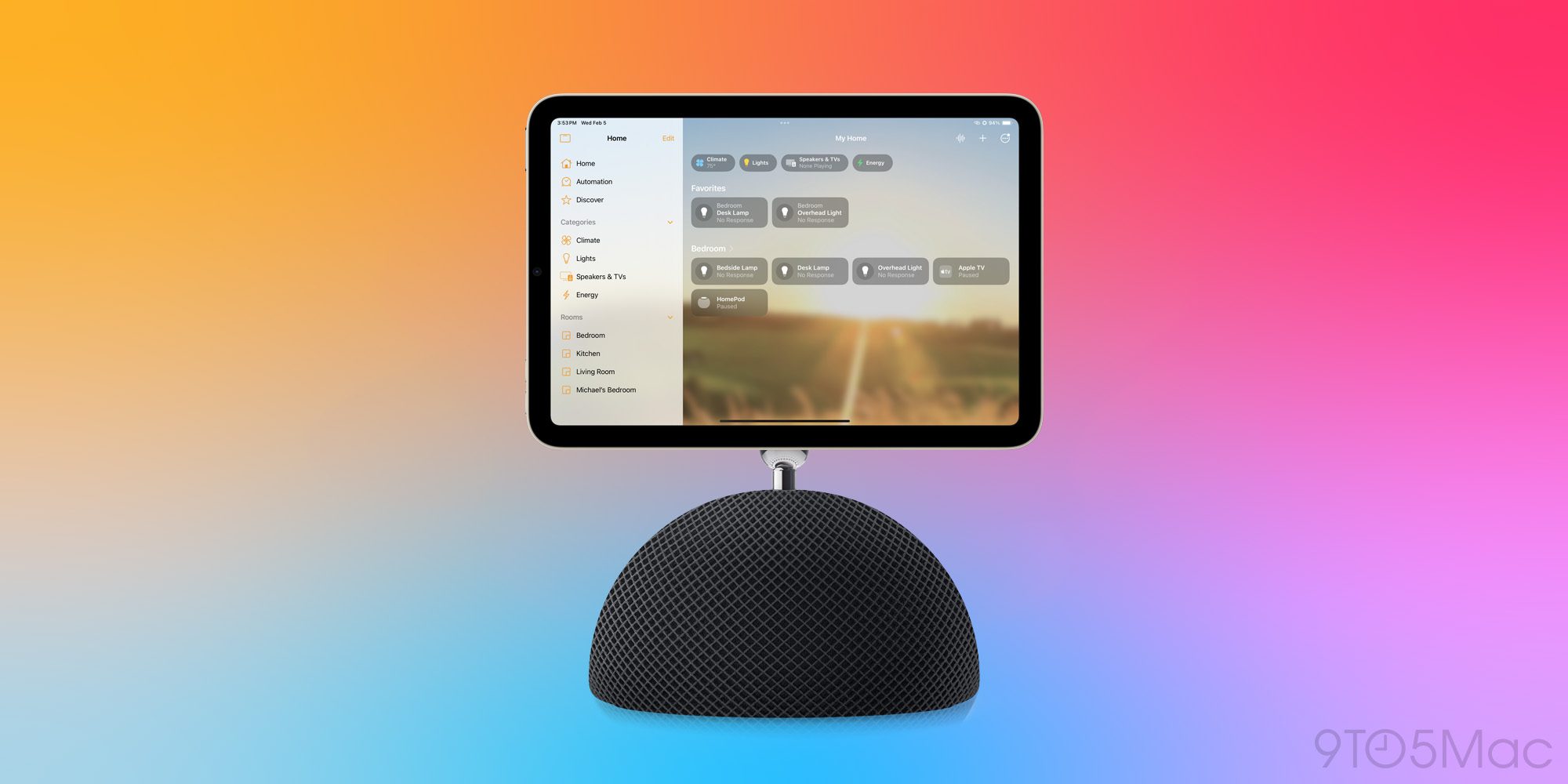
- Apple HomePad Setup Shares Feature with iPhone Duo
These articles collectively illustrate the broader trend of AI‑driven security tools reshaping how vulnerabilities are discovered, reported, and remediated across platforms.
Future Outlook: AI, Zero Trust, and the Mac Ecosystem
Looking ahead, several trajectories emerge:
- Deepening AI Integration – Future iterations of OpenHack’s engine will likely incorporate reinforcement learning to anticipate attacker moves, not just detect them.
- Zero Trust Maturity – Mosyle’s AI‑powered zero‑trust model will evolve to include continuous authentication and micro‑segmentation, further tightening network boundaries.
- Cross‑Platform Expansion – While the current focus is on macOS, the underlying architecture can be adapted for iOS, iPadOS, and even Windows, broadening the impact.
- Regulatory Alignment – As data protection laws tighten, automated compliance reporting will become a differentiator for enterprises.
- Community‑Driven Threat Intelligence – Open source contributions and shared vulnerability feeds could accelerate the discovery of novel attack vectors.
The convergence of AI, automated hardening, and enterprise‑grade policy management positions Apple’s ecosystem to not only keep pace with attackers but to set new standards for secure software development.
FAQ
Q: Is OpenHack’s AI security engineer available to the public?
A: OpenHack offers its platform as a SaaS solution to security teams and enterprises. Availability may be limited to beta partners initially.
Q: How does Mosyle’s platform handle macOS updates?
A: The policy engine automatically detects new macOS releases and applies pre‑defined hardening rules, ensuring devices remain compliant without manual intervention.
Q: Can these tools be integrated with existing SIEM solutions?
A: Yes. Both OpenHack and Mosyle expose APIs and log outputs compatible with popular SIEMs such as Splunk and Elastic Stack.
Q: Does the AI engine support custom rule creation?
A: Users can define custom detection rules and feed them into the AI pipeline, allowing tailored threat models for specific environments.
Q: What is the impact on developer workflow?
A: Developers receive automated vulnerability alerts during CI/CD pipelines, enabling immediate remediation before code reaches production.
Source: Original Article