





Overview of the Myawaddy Surge
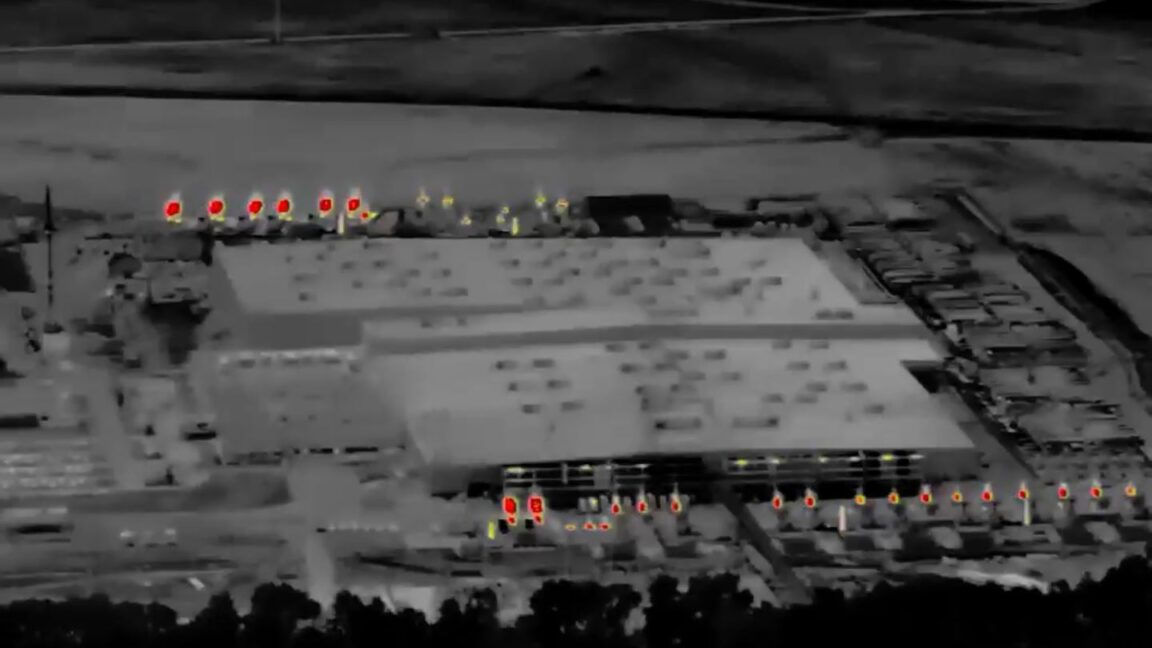
In early 2024, satellite analysts from International Justice Mission (IJM) identified a startling pattern: at least 25 new structures—dubbed “scam compounds”—have sprung up in Myanmar’s Myawaddy region, a border town adjacent to Thailand. The compounds are characterized by cleared forest, flattened terrain, clusters of multi‑storey buildings, and newly‑paved access roads.
The rapid construction timeline is alarming. One site, for example, went from an empty field in January to a fully‑operational complex with roughly 24 buildings by April. The growth persisted despite a series of high‑profile raids launched by the Myanmar military junta in October 2023. According to Eric Heintz, Global Analyst at IJM, “While that crackdown did disrupt operations, the scale of these new developments appears to be more than enough to absorb what was destroyed last year.”
Why It Matters: Human‑Trafficking, Finance, and Geopolitics
Human‑Trafficking Engine
The compounds are not merely warehouses for hardware; they are human‑trafficking hubs. Victims from over 60 countries are lured with false job offers, have their passports confiscated, and are forced to work under brutal conditions. The victims are coerced into running cryptocurrency and romance scams that target consumers worldwide, especially in the United States. Mechelle B. Moore, CEO of Global Alms Incorporated, confirmed that drone footage shows nine previously “emptied” sites now fully populated with new victims.
Financial Flow and Global Impact
Estimates suggest the scam industry siphons billions of dollars annually. The use of cryptocurrency enables near‑instant cross‑border transfers, complicating law‑enforcement tracking. When these illicit funds are laundered through legitimate channels, they can destabilize local economies and fund further organized‑crime activities.
Geopolitical Ripple Effects
Myawaddy’s proximity to Thailand makes it a transnational node. Thai authorities have been forced to confront the spill‑over of trafficking victims and the digital infrastructure that powers the scams. The involvement of Chinese organized‑crime groups adds another layer of diplomatic sensitivity, as regional powers grapple with jurisdictional challenges and the need for coordinated cyber‑law enforcement.
Technical Breakdown: Satellite Imaging and Starlink Connectivity
Satellite Imagery as a Forensic Tool
IJM leveraged high‑resolution commercial satellite imagery to map land‑use changes over time. By comparing images from January, March, and June, analysts could pinpoint the exact moment a field was cleared and a building footprint appeared. The methodology mirrors techniques used in environmental monitoring and disaster response, proving its versatility for human‑rights investigations.
Starlink’s Role in Enabling Remote Operations
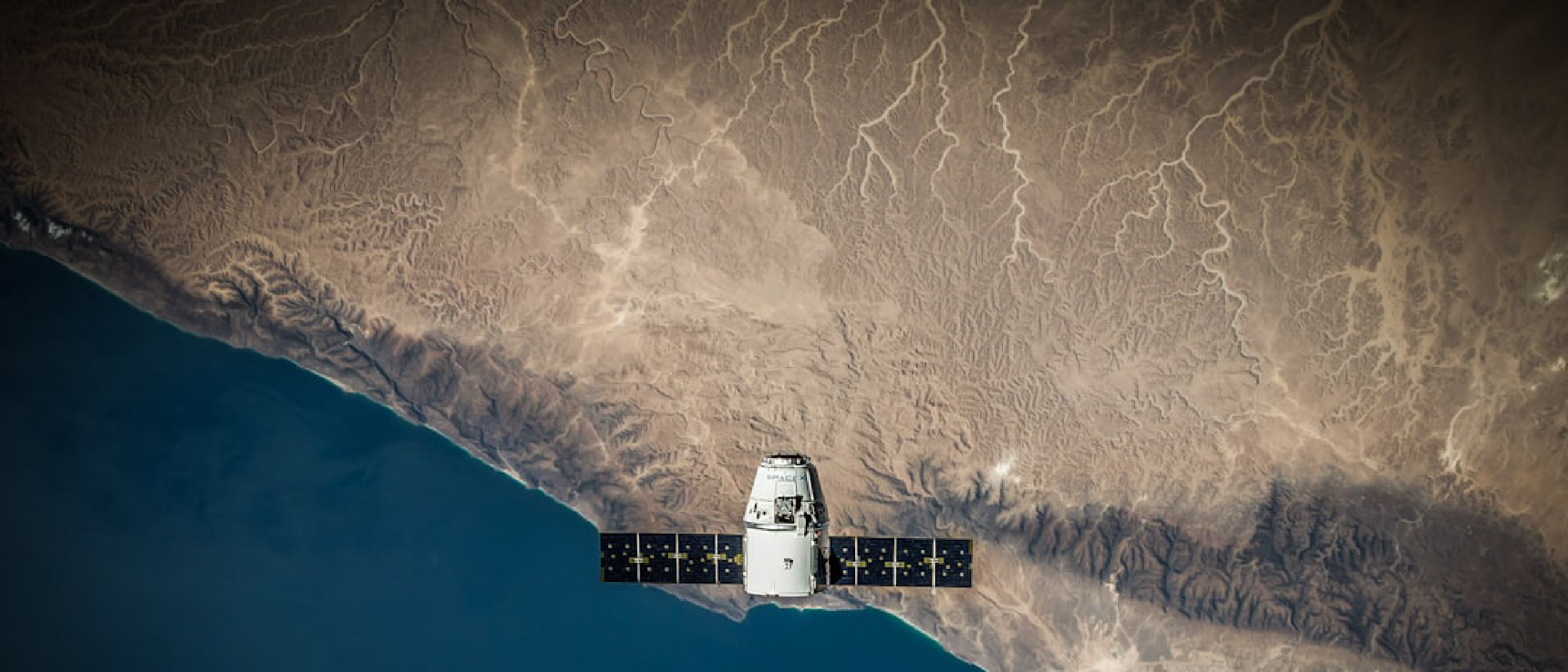
Starlink satellite terminals have become the primary internet backbone for these compounds. A prior WIRED investigation identified eight Myawaddy sites already using Starlink; Heintz now estimates that at least half of the 25 new compounds rely on the same service. Starlink’s low‑latency, high‑bandwidth connections allow victims to run real‑time chat platforms, video calls, and cryptocurrency transactions from locations that lack terrestrial fiber.
SpaceX has publicly stated that it has disabled connections to roughly 2,500 devices linked to Myanmar scam compounds. While this demonstrates corporate responsibility, the sheer number of terminals—potentially dozens per site—means that cutting off a single IP address does not cripple the operation. The modular nature of Starlink hardware lets operators quickly replace or relocate terminals.
Infrastructure Footprint
Beyond internet, the compounds feature:
- Power Generation: Diesel generators and solar arrays supplement satellite power.
- Security Perimeter: Fencing, watchtowers, and guard posts visible in infrared imagery.
- Logistics Hubs: Large parking lots for trucks delivering food, equipment, and cash.
These physical assets underscore the industrial scale of the scam ecosystem.
Operational Model: From Recruitment to Revenue
- Recruitment: Online ads, social‑media outreach, and fake recruitment agencies lure victims with promises of high‑pay remote work.
- Seizure & Indoctrination: Upon arrival, passports are confiscated; victims are confined to dormitory‑style buildings.
- Scam Execution: Teams are assigned to specific fraud types—cryptocurrency pump‑and‑dump schemes, romance scams, or “tech support” scams.
- Monetization: Funds are funneled through crypto mixers, offshore bank accounts, and shell corporations.
- Reinvestment: Profits finance the construction of new compounds, purchase of additional Starlink terminals, and bribes to local officials.
The model is self‑reinforcing: each successful raid only creates a vacuum that is quickly filled by new construction, as evidenced by the 25‑site surge.
Industry Impact and Response
Law‑Enforcement Challenges
Traditional police raids are hampered by the compounds’ remote locations and the rapid re‑deployment of technology. Even after the junta’s October raids, satellite data shows a net increase in operational capacity. Coordinated international action—combining satellite surveillance, cyber‑forensics, and diplomatic pressure—is essential.
Corporate Responsibility
SpaceX’s decision to cut off 2,500 devices demonstrates a willingness to intervene, yet the scale of the problem suggests a need for more proactive monitoring. Partnerships with NGOs like IJM could enable automated detection of suspicious terminal deployments.
NGO and Advocacy Efforts
Both IJM and Global Alms Incorporated are using drone footage, on‑the‑ground testimonies, and satellite data to build legal cases and raise public
awareness. Their work has already prompted calls for a regional task force to dismantle the scam infrastructure.
Policy Recommendations
Governments and international bodies must adopt a multi-pronged approach to combat the scam compound boom:
- Enhanced Satellite Monitoring: Expand the use of commercial satellite imagery to track land-use changes in real time, enabling faster intervention.
- Stricter ISP Oversight: Mandate that satellite internet providers like Starlink implement geofencing and device authentication to prevent misuse in high-risk regions.
- Cross-Border Collaboration: Establish a joint task force between Myanmar, Thailand, and China to share intelligence, conduct coordinated raids, and prosecute organized crime leaders.
- Victim Repatriation Programs: Increase funding for NGOs to identify, rescue, and repatriate trafficking victims, while providing legal and psychological support.
- Public Awareness Campaigns: Educate job seekers about the risks of fraudulent employment offers, particularly in regions known for human trafficking.
The Road Ahead: Can the Scam Industry Be Stopped?
The resilience of Myanmar’s scam compounds underscores the challenges of dismantling a decentralized, profit-driven criminal enterprise. While raids and internet disruptions create temporary setbacks, the industry’s ability to relocate and expand suggests that a long-term solution will require sustained international cooperation, technological innovation, and political will.
For now, the satellite images tell a clear story: the scam compounds are not just surviving—they are thriving. Without decisive action, the human cost will continue to rise, and the financial losses will mount, leaving victims and governments alike struggling to keep pace with an industry that operates faster than the systems designed to stop it.
FAQ
1. How are victims recruited into these scam compounds?
Victims are typically lured through fake job advertisements on social media, messaging apps, or recruitment websites. These ads promise high-paying remote work in fields like customer service, IT, or marketing. Once victims arrive in Myanmar, their passports are confiscated, and they are forced into scamming operations under threat of violence.
2. Why is Myanmar’s Myawaddy region a hotspot for these compounds?
Myawaddy’s proximity to Thailand provides easy access to cross-border logistics, including the movement of victims, cash, and equipment. The region’s weak governance, porous borders, and limited law enforcement presence make it an ideal location for criminal operations. Additionally, the junta’s focus on internal conflicts has left scam compounds largely unchecked.
3. How do Starlink terminals enable these scam operations?
Starlink’s satellite internet provides high-speed, low-latency connectivity in remote areas where traditional infrastructure is lacking. This allows scam compounds to run real-time fraud operations, including cryptocurrency scams and romance scams, without relying on local ISPs. The modular nature of Starlink hardware also makes it easy for operators to relocate or replace terminals if they are disabled.
4. What role do Chinese organized crime groups play in these operations?
Chinese triads and other organized crime groups are the primary operators of these scam compounds. They control the recruitment networks, manage the financial flows, and oversee the day-to-day operations. Their involvement adds a layer of complexity to law enforcement efforts, as they often operate across multiple jurisdictions with impunity.
5. What can be done to help victims trapped in these compounds?
Rescuing victims requires a coordinated effort between NGOs, governments, and law enforcement. Key steps include:
- Identifying and verifying victim locations through satellite imagery, drone footage, and on-the-ground intelligence.
- Conducting safe extraction operations with the support of local authorities or international organizations.
- Providing legal and psychological support to victims, including repatriation assistance and trauma counseling.
- Prosecuting traffickers and scam operators to dismantle the criminal networks.
6. How can individuals protect themselves from falling victim to these scams?
To avoid being lured into scam compounds or targeted by their fraud operations, individuals should:
- Verify job offers by researching the company and contacting them through official channels.
- Avoid sharing personal or financial information with strangers online, especially in unsolicited messages.
- Be skeptical of high-paying remote jobs that require upfront payments or promise unrealistic earnings.
- Report suspicious activity to local authorities or organizations like the International Justice Mission.
7. What is the global impact of these scam operations?
The financial impact of these scams is staggering, with billions of dollars stolen annually from victims worldwide. Beyond the financial losses, the human cost is devastating, with thousands of people trapped in forced labor and subjected to physical and psychological abuse. The scams also undermine trust in digital communication and financial systems, posing a broader threat to global cybersecurity.
Source: Original Article