



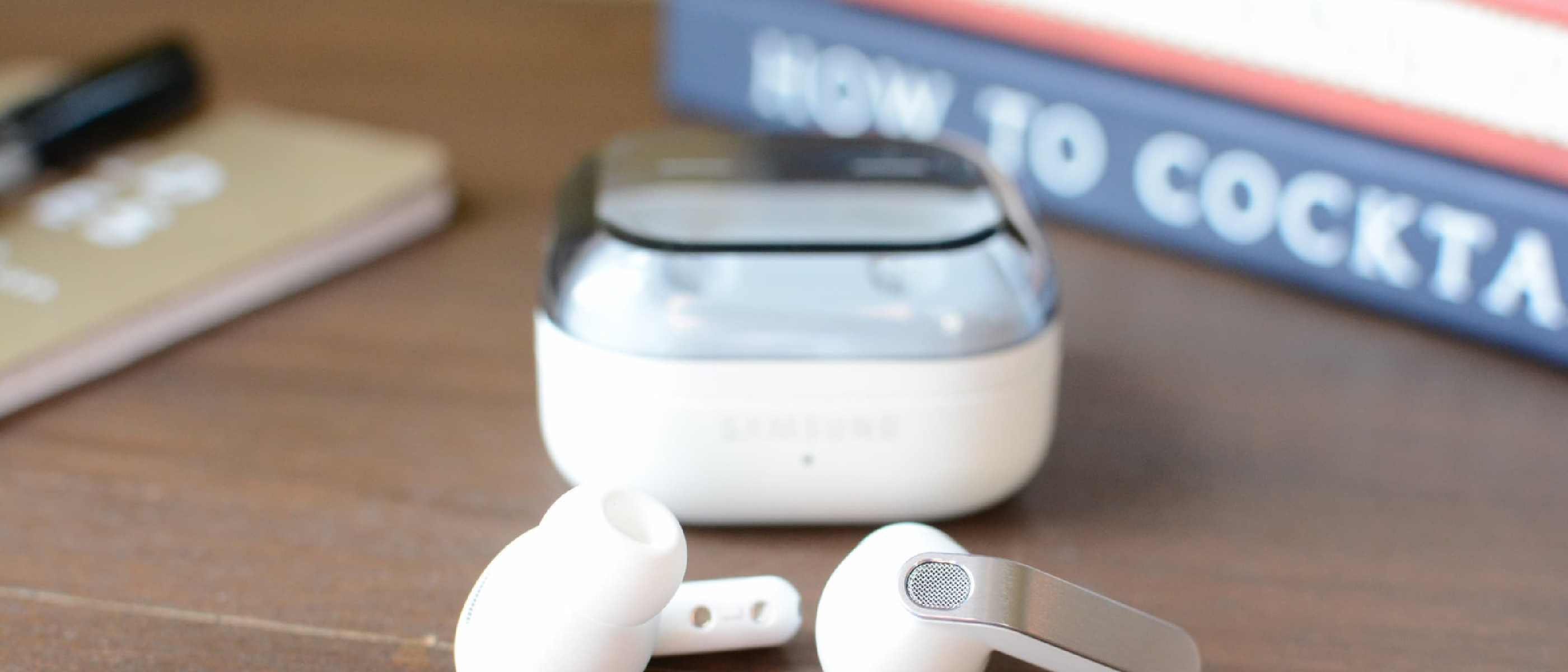
Why FDA Clearance Matters
The U.S. Food and Drug Administration’s approval is more than a regulatory stamp; it signals that Samsung’s hearing‑aid mode meets the same safety and efficacy standards required of traditional medical devices. For consumers, this means:
- Confidence in clinical performance – The feature has been vetted for accuracy, latency, and sound quality under real‑world conditions.
- Insurance and OTC eligibility – FDA clearance opens the door for over‑the‑counter (OTC) sales, allowing adults 18 + with mild to moderate hearing loss to purchase the solution without a prescription.
- Competitive parity – Apple introduced a similar “Live Listen”‑style feature in AirPods Pro, but it remains a software‑only enhancement. Samsung’s FDA‑cleared mode positions the Galaxy Buds as a bona‑fide hearing‑aid alternative, potentially reshaping the consumer‑grade hearing‑aid market.
The clearance also aligns Samsung with a growing regulatory trend that encourages tech companies to bring health‑focused features to mainstream devices, a movement highlighted in the broader discussion of device standards in the article “ USB‑C on Your Phone: More Than Just Charging and Data ”.
Technical Breakdown of the Hearing‑Aid Mode
Core Audio Processing
Samsung leverages the existing hardware pipeline of the Galaxy Buds 3 Pro and 4 Pro:
| Component | Role in Hearing‑Aid Mode |
|---|---|
| Beam‑forming microphones | Isolate speech from background noise, improving intelligibility for distant voices. |
| Active Noise Cancellation (ANC) | Reduces ambient sound, allowing the amplification algorithm to focus on target frequencies. |
| Custom DSP (Digital Signal Processor) | Applies a dynamic gain curve that boosts whispers, high‑frequency consonants, and speech in the 2–8 kHz range—critical for understanding spoken language. |
| Latency optimization | Maintains sub‑30 ms delay, ensuring that amplified sound feels natural and does not cause echo or disorientation. |
The algorithm adapts in real time based on the user’s environment, automatically scaling gain when the user moves from a quiet office to a bustling street.
Integration with Samsung Health
Results from the hearing test are stored in the Samsung Health app, where users can:
- Track changes over time with a simple visual chart.
- Export data for a professional audiologist if needed.
- Receive personalized tips on volume limits and ear‑care.
This seamless health‑data loop mirrors the way Samsung integrates fitness metrics, reinforcing the ecosystem’s value proposition.
The Five‑Minute Medical‑Grade Hearing Test
The test, launched from the Buds settings on a compatible Galaxy phone, follows a protocol comparable to clinical pure‑tone audiometry:
- Calibration – The earbuds emit calibrated tones at specific frequencies (0.5 kHz, 1 kHz, 2 kHz, 4 kHz, 8 kHz).
- Ear‑by‑Ear Assessment – Users respond via the phone UI when they hear each tone, allowing the system to map hearing thresholds for each ear independently.
- Result Classification – The software categorizes hearing into five bands: Normal, Mild, Moderate, Severe, and Profound loss.
- Data Sync – Results are uploaded to Samsung Health, where they are stored securely and can be shared with a healthcare provider.
The five‑minute duration is a significant improvement over traditional audiology appointments that can take 30 minutes or more, making it a practical first‑step screening tool for millions of potential users.
Industry Impact and Competitive Landscape
OTC Hearing Aids: A Growing Market
The FDA’s 2022 OTC hearing‑aid rule opened a $2‑3 billion market in the United States. Samsung’s entry with a mainstream consumer product accelerates adoption by:
- Lowering cost barriers – Galaxy Buds already sit in the $200‑$250 price range, far below dedicated hearing‑aid devices that can exceed $1,000.
- Leveraging existing distribution – Samsung’s retail channels, carrier partnerships, and online stores can push the feature to a broader audience faster than niche audiology clinics.
Apple’s Parallel Moves
Apple’s AirPods Pro already offer a “Live Listen” feature that streams external audio to the earbuds, but it lacks FDA clearance and a formal hearing‑test workflow. Samsung’s approach, backed by regulatory approval, may force Apple to pursue a similar path or risk losing market share among users who prioritize medical validation. Apple’s broader ecosystem strategy, including its recent push into car‑key functionality (see “ Chinese Auto Giant Moves to Apple Wallet Car Keys ”), demonstrates how tightly integrated hardware can become a platform for health and safety services.
Security and Data Privacy
Storing health data on a mobile device raises privacy concerns. Samsung’s handling of hearing‑test results must comply with HIPAA‑like standards, especially if users choose to share data with clinicians. The company’s recent response to security vulnerabilities, such as the Zoom annotation flaw discussed in “ Zoom Annotation Flaw Patched After AI‑Prompt Exploit
), suggests a proactive stance on data protection. However, Samsung will need to transparently communicate its encryption protocols and opt-in policies to build trust among users who may be wary of storing sensitive health data on a consumer device.
User Experience and Accessibility
Setup and Daily Use
Activating the hearing-aid mode is designed to be intuitive:
- Initial Setup – Users navigate to the Galaxy Buds settings on their Galaxy phone, where they are guided through the hearing test.
- Profile Creation – Based on test results, the system generates a personalized amplification profile.
- Quick Toggle – A dedicated button in the Buds’ touch controls allows users to switch between ANC, transparency mode, and hearing-aid mode without opening the app.
- Adaptive Scenes – The Buds automatically adjust amplification based on ambient noise levels, ensuring optimal clarity in diverse environments.
Accessibility Features
Samsung has integrated several accessibility-focused enhancements:
- Visual Feedback – The Galaxy Wearable app provides on-screen cues for users with partial hearing loss, such as vibration alerts for incoming calls or notifications.
- Customizable Touch Controls – Users can remap touch gestures to suit their preferences, including single-tap, double-tap, or long-press actions.
- Compatibility with Hearing Aids – The Buds are designed to work alongside traditional hearing aids via Bluetooth, allowing users to pair them with their existing devices for hybrid use cases.
Potential Challenges and Limitations
Battery Life and Performance
Amplifying sound in real time demands significant processing power, which could impact battery life. Samsung has optimized the DSP to minimize energy consumption, but users may need to recharge the Buds more frequently when using the hearing-aid mode extensively. The company has not yet disclosed specific battery life estimates for this use case.
Regulatory and Market Variability
While the FDA clearance applies to the U.S. market, Samsung will need to navigate varying regulatory landscapes in other regions. For example:
- European Union – The feature may require CE marking under the Medical Devices Regulation (MDR), which could delay availability.
- Asia-Pacific – Countries like Japan and South Korea have stringent medical device approval processes, potentially limiting the feature’s rollout timeline.
User Adoption and Education
Despite the convenience of an OTC solution, many users with hearing loss may still prefer traditional hearing aids due to stigma or lack of awareness. Samsung will need to invest in educational campaigns to highlight the benefits of its FDA-cleared feature, particularly among older demographics who may be less tech-savvy.
Future Prospects and Ecosystem Expansion
Integration with Other Samsung Devices
Samsung’s broader ecosystem could enhance the utility of the hearing-aid feature:
- Galaxy Watch – Future updates may allow users to adjust hearing-aid settings directly from their smartwatch, providing a more discreet control method.
- SmartThings – The feature could integrate with smart home devices, such as doorbell alerts or emergency notifications, to improve accessibility for users with hearing loss.
- Bixby – Voice commands could enable hands-free adjustments, such as increasing amplification or switching modes.
Potential for AI Enhancements
Samsung’s investment in AI could further refine the hearing-aid experience:
- Real-Time Translation – AI-powered translation could be integrated into the Buds, allowing users to hear and understand foreign languages with amplified clarity.
- Context-Aware Amplification – Machine learning could analyze the user’s environment and automatically adjust settings for optimal performance, such as prioritizing speech in noisy restaurants or reducing background noise in quiet settings.
- Predictive Maintenance – AI could monitor the Buds’ performance and alert users to potential issues, such as earwax buildup or hardware degradation.
Competitive Responses
Samsung’s FDA clearance may prompt competitors to accelerate their own hearing-aid initiatives:
- Google – Pixel Buds could introduce a similar feature, leveraging Google’s AI expertise for real-time sound processing.
- Sony – The company’s WF-1000XM5 earbuds already offer advanced noise cancellation and could be adapted for hearing-aid use.
- Bose – With a strong reputation in audio technology, Bose could enter the OTC hearing-aid market with its own FDA-cleared solution.
Conclusion
Samsung’s FDA clearance for the hearing-aid feature in Galaxy Buds 3 Pro and 4 Pro marks a significant milestone in the convergence of consumer technology and healthcare. By offering a medical-grade solution at a fraction of the cost of traditional hearing aids, Samsung is democratizing access to hearing assistance while leveraging its ecosystem to provide a seamless user experience. The feature’s integration with Samsung Health, adaptive audio processing, and five-minute hearing test position it as a compelling alternative for adults with mild to moderate hearing loss.
However, challenges remain, including battery life, regulatory hurdles in international markets, and user education. As Samsung continues to refine the feature and expand its ecosystem, the hearing-aid mode could redefine the role of earbuds in everyday life, transforming them from mere audio accessories into essential health tools.
FAQ
1. Is the hearing-aid feature available now?
No, the feature is expected to launch later this year in the United States and select other markets. Samsung has not announced an exact release date.
2. Do I need a prescription to use the hearing-aid mode?
No, the FDA clearance allows the feature to be sold over the counter (OTC) without a prescription for adults aged 18 and older with mild to moderate hearing loss.
3. How accurate is the five-minute hearing test?
The test follows a protocol comparable to clinical pure-tone audiometry and provides medical-grade results. However, it is not a substitute for a professional audiologist’s evaluation, especially for users with severe or profound hearing loss.
4. Can I use the hearing-aid feature with non-Galaxy phones?
The feature is optimized for Galaxy phones, and the hearing test is initiated from the Galaxy Buds settings on a compatible Galaxy device. Samsung has not confirmed compatibility with non-Galaxy phones.
5. Will the hearing-aid mode work with other hearing aids?
The Galaxy Buds can be paired with traditional hearing aids via Bluetooth, allowing users to use them in tandem. However, the hearing-aid mode itself is designed to function independently.
6. How does Samsung ensure the privacy of my hearing test data?
Samsung stores hearing test results in the Samsung Health app, which complies with HIPAA-like standards for health data privacy. Users can choose to share their data with healthcare providers, but this is an opt-in process.
7. What happens if my hearing loss worsens over time?
The hearing test can be retaken periodically to update your amplification profile. If your hearing loss progresses beyond the mild to moderate range, Samsung recommends consulting a professional audiologist.
8. Are there any side effects or risks associated with using the hearing-aid mode?
When used as directed, the feature is safe for adults with mild to moderate hearing loss. However, prolonged exposure to high amplification levels could potentially worsen hearing damage. Samsung includes volume limits and safety warnings in the app to mitigate this risk.
Source: Original Article