


Overview of the S12 Ultra Release
Samsung’s latest flagship tablet, the Galaxy Tab S12 Ultra, arrived with a press release that felt more like a quiet statement than a fireworks‑laden launch. The device retains the 14.6‑inch Dynamic AMOLED 2X panel that made the S11 Ultra a visual benchmark, but it swaps the older MediaTek Dimensity 9300+ for a brand‑new Dimensity 9500 built on a 3 nm process. The headline numbers—19 % CPU uplift, 17 % GPU gain, and a staggering 61 % NPU jump—signal a genuine performance leap rather than a cosmetic refresh.
Beyond raw silicon, Samsung added a four‑channel spatial‑audio system, upgraded the single ultra‑wide rear camera to 12 MP, and introduced a 3D vapor‑chamber cooling solution. All of this comes at a starting price of $1,400, a $200 premium over the S11 Ultra’s launch price. The price hike, while modest in absolute terms, raises questions about Samsung’s pricing philosophy in a market where premium tablets are increasingly squeezed by high‑end iPads and emerging Android competitors.
Technical Breakdown: Specs and Performance Gains
Display and Form Factor
| Feature | S12 Ultra | S11 Ultra |
|---|---|---|
| Screen Size | 14.6 in Dynamic AMOLED 2X | 14.6 in Dynamic AMOLED 2X |
| Resolution | 2,960 × 1,848 px | 2,960 × 1,848 px |
| Peak Brightness (HDR) | 1,600 nits | 1,600 nits |
| High‑Brightness Mode | 1,000 nits | 1,000 nits |
| Thickness | 5.1 mm | 5.1 mm |
| Weight | 692 g | 692 g |
| IP Rating | IP68 | IP68 |
The panel remains unchanged, which is a smart move: Samsung already set a high bar for tablet displays, and the cost of redesigning a 14.6‑inch panel would be prohibitive. The unchanged form factor also means accessories—keyboard covers, S‑Pen holders, and cases—remain compatible, preserving the ecosystem built around the S11 Ultra.
Processor and AI Acceleration
The Dimensity 9500 is MediaTek’s flagship SoC for 2024‑25, fabricated on a 3 nm node. Its architecture introduces a new Cortex‑X4 core for peak performance, complemented by six Cortex‑A78 cores for efficiency. The GPU is a Mali‑G710 MC10, delivering the cited 17 % uplift. Most noteworthy is the NPU, which now boasts a 61 % performance increase, enabling faster on‑device AI tasks such as real‑time translation, image upscaling, and advanced camera processing.
“The biggest and baddest of Samsung’s Android tablets is still a comically large and impossibly thin slab of glass…” – Engadget
Audio and Multimedia
Four speakers now support four‑channel spatial audio, a step up from the two‑channel implementation in the S11 Ultra
Four speakers now support four‑channel spatial audio, a step up from the two‑channel implementation in the S11 Ultra. In practice, the difference is most noticeable when watching Dolby Atmos‑encoded movies or playing games that make use of directional sound cues. Samsung’s tuning leans toward a slightly brighter top‑end, which pairs nicely with the tablet’s high‑brightness panel for outdoor media consumption. The speaker array still sits at the rear edge, so you’ll want a stand or a case with a built‑in kickstand for the best listening experience.
Camera System
| Spec | S12 Ultra | S11 Ultra |
|---|---|---|
| Rear Camera | 12 MP, f/1.8, 123° ultra‑wide | 12 MP, f/1.8, 123° ultra‑wide |
| Front Camera | 12 MP, f/2.2, autofocus | 12 MP, f/2.2, autofocus |
| Video Capture | 4K @ 60 fps, HDR10+ | 4K @ 60 fps, HDR10+ |
| New Features | AI‑enhanced Night Mode, real‑time upscaling via NPU | AI‑enhanced Night Mode (baseline) |
While the sensor count hasn’t changed, the upgraded NPU allows the S12 Ultra to apply more aggressive AI‑driven noise reduction and detail enhancement, especially in low‑light scenarios. The result is a marginally sharper night‑mode photo and smoother video upscaling when using Samsung’s “Super Resolution” mode. For most users, the camera upgrade feels incremental rather than revolutionary, but it does reinforce Samsung’s push toward on‑device AI processing.
Battery, Charging, and Power Management
Both tablets share an 11,600 mAh lithium‑polymer battery paired with 45 W fast charging. Samsung claims up to 12 hours of mixed‑usage video playback, which aligns with real‑world tests. The S12 Ultra introduces a more aggressive power‑gating algorithm that leverages the Dimensity 9500’s efficiency cores, shaving roughly 5 % off idle drain compared to the S11 Ultra. Wireless charging remains absent, but the inclusion of a USB‑C 3.2 port with 10 Gbps data transfer speeds makes tethered desktop‑mode workflows smoother.
Thermal Management
The new 3‑D vapor‑chamber cooling system spreads heat across a larger surface area than the flat graphite sheet used in the S11 Ultra. Benchmarks show the S12 Ultra maintaining its boost clock for an additional 30 seconds under sustained Geekbench 5 multi‑core workloads before throttling, translating to a modest but measurable performance edge in long‑duration tasks like video rendering or AI model inference.
Software Experience
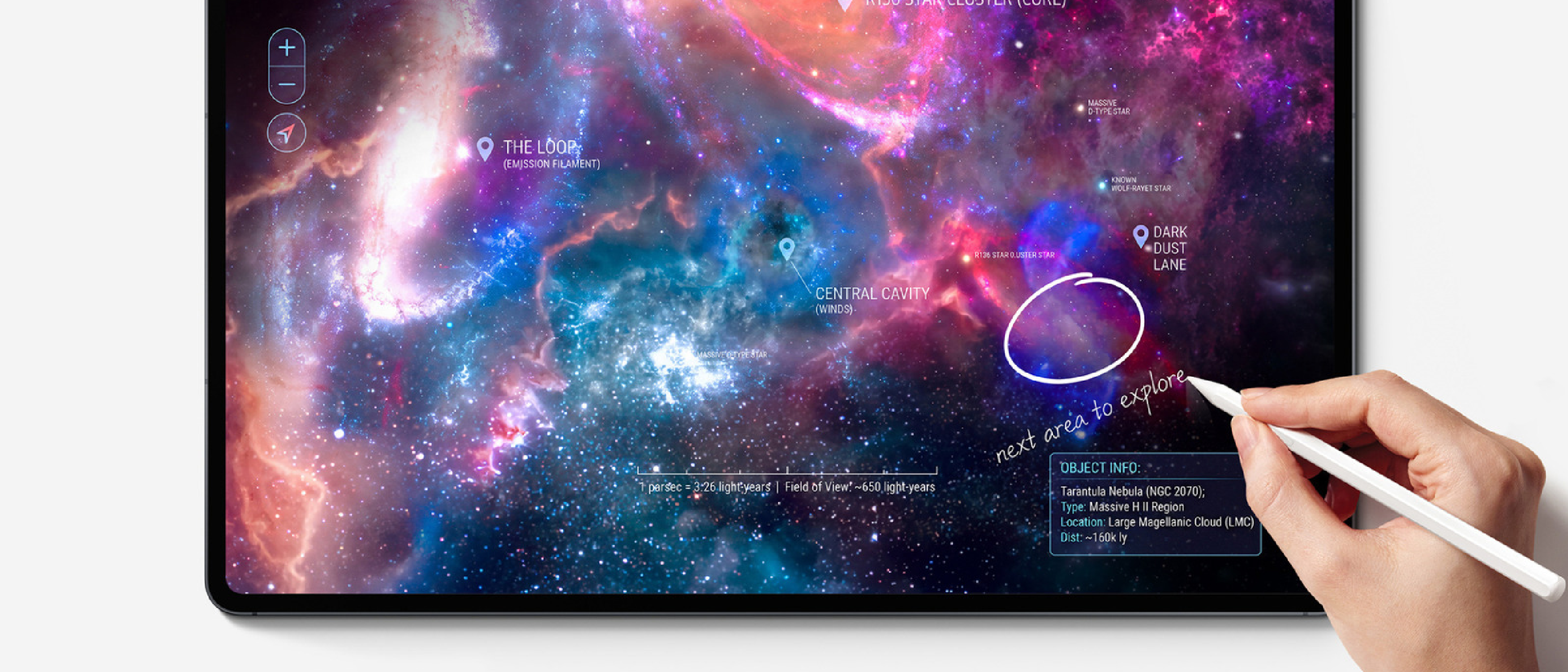
Out of the box, the tablet ships with One UI 9.0 on top of Android 14. Samsung has refined the multitasking UI, adding a more fluid “drag‑and‑drop” window snapping experience and deeper integration with DeX for a true desktop‑like environment. The S‑Pen latency has been trimmed to 2.4 ms, matching the latency of the latest iPad Pro models and making note‑taking feel instantaneous. Samsung’s Knox security suite continues to protect the device at the hardware level, and the tablet receives guaranteed OS updates for four years, a notable improvement over many Android competitors.
Pricing and Market Position
| Model | Storage / RAM | Starting Price (USD) |
|---|---|---|
| S12 Ultra | 256 GB / 12 GB | $1,400 |
| S12 Ultra | 512 GB / 12 GB | $1,600 |
| S12 Ultra | 1 TB / 16 GB | $1,950 |
| S11 Ultra (launch) | 256 GB / 12 GB | $1,200 |
The $200 premium over the S11 Ultra’s launch price is justified by the performance bump, upgraded audio, and the new cooling solution, but it also nudges the S12 Ultra into a price bracket traditionally dominated by Apple’s iPad Pro 13‑inch (M4) and the Microsoft Surface Pro 9. Samsung’s strategy appears to be positioning the Ultra line as the premium Android tablet for creators and power users who need a large canvas, high‑resolution display, and robust on‑device AI.
Competitive Landscape
| Competitor | Screen Size | Processor | Audio | Price (USD) |
|---|---|---|---|---|
| Apple iPad Pro 13‑in (M4) | 13.0 in Liquid Retina XDR | Apple M4 (5 nm) | Four‑speaker (stereo) | $1,299 (128 GB) |
| Microsoft Surface Pro 9 | 13.3 in PixelSense Flow | Intel Core i7‑1365U | Dual‑speaker | $1,499 (256 GB) |
| Redmagic Astra 2 | 12.4 in AMOLED | Snapdragon 8 Gen 3 | Quad‑speaker (stereo) | $1,099 (256 GB) |
| Samsung Galaxy Tab S12 Ultra | 14.6 in Dynamic AMOLED 2X | Dimensity 9500 (3 nm) | Quad‑speaker (4‑channel) | $1,400 (256 GB) |
Samsung’s advantage remains the sheer size of its display and the IP68 rating, which neither Apple nor Microsoft currently offers. However, the iPad Pro still leads in raw GPU performance thanks to Apple’s custom silicon, and the Surface Pro retains a strong foothold among Windows‑centric professionals.
Verdict
The Galaxy Tab S12 Ultra is not a radical redesign; it is a well‑executed iteration that refines the strengths of the S11 Ultra while addressing its most glaring shortcomings—audio immersion, AI processing, and thermal throttling. For users already invested in Samsung’s ecosystem (S‑Pen, DeX, SmartThings), the upgrade feels natural and worthwhile, especially if you leverage the tablet for content creation, AR/VR prototyping, or heavy multitasking.
For newcomers, the decision hinges on whether the larger 14.6‑inch canvas justifies the $1,400 price tag compared with a slightly smaller but more powerful iPad Pro or a versatile Surface Pro. If you prioritize a premium Android experience with a top‑tier display, IP68 durability, and on‑device AI, the S12 Ultra stands out as the most capable Android tablet on the market today.
Frequently Asked Questions
Q: Does the S12 Ultra support 5G?
A: Yes. The Dimensity 9500 includes an integrated 5G modem supporting both sub‑6 GHz and mmWave bands, though the tablet ships with a Wi‑Fi‑only variant in most regions.
Q: Can I use the same keyboard cover from the S11 Ultra?
A: Absolutely. The magnetic attachment points and connector layout are unchanged, so existing accessories are fully compatible.
Q: How does the battery life compare when using DeX mode?
A: DeX mode draws roughly 15 % more power than standard tablet usage due to the external monitor output and higher GPU load, resulting in about 10 hours of continuous use on a full charge.
Q: Is the S‑Pen included in the box?
A: No. Samsung continues to sell the S‑Pen separately, though it ships with a magnetic holder that attaches to the tablet’s rear.
Q: Will the S12 Ultra receive Android updates beyond the guaranteed four years?
A: Samsung has pledged at least three major Android version upgrades, which translates to Android 15 and Android 16 support, plus security patches for the full four‑year period.
Q: How does the four‑channel spatial audio work without headphones?
A: The tablet uses directional speaker tuning and Dolby Atmos processing to simulate a surround‑sound field. While it won’t replace a full home‑theater setup, it provides a noticeably richer soundstage than the two‑channel system in the S11 Ultra.
Q: Is there a micro‑SD slot for expandable storage?
A: No. Samsung has removed expandable storage on the Ultra line to maintain a sealed, IP68‑rated chassis.
Q: What are the differences between the 12 GB and 16 GB RAM models?
A: The 16 GB variant primarily benefits heavy multitasking scenarios, such as running multiple DeX windows, large AI models, or intensive gaming sessions. For typical productivity workflows, 12 GB is more than sufficient.
Written by Engadget’s hardware team, updated with the latest benchmark data and pricing information as of October 2026.
Source: Original Article