



Overview – Why the S26 FE Matters Now
Samsung’s Fan Edition (FE) line has become the company’s safety valve for delivering flagship‑level experiences at a more approachable price point. The Galaxy S26 FE, launched in mid‑2026, is the latest iteration of that strategy. On paper it looks like a modest step up from the S25 FE: a slightly larger 6.7‑inch OLED, a brighter 1,900‑nit panel, and a refreshed “connected camera island.” Yet the price tag has jumped to $700, a $50 premium over its predecessor and a full $200 below the flagship S26+. Engadget’s Mat Smith gave the device a 6.7 / 10, calling it “a hard sell.” Understanding why the S26 FE matters requires digging into three intersecting forces: the tightening midrange market, Samsung’s component cost curve, and the expectations set by competing ecosystems such as Google’s Pixel line.
Design & Build – Glossy Ambitions with a Heavier Feel
A New Finish, Same Thin Profile
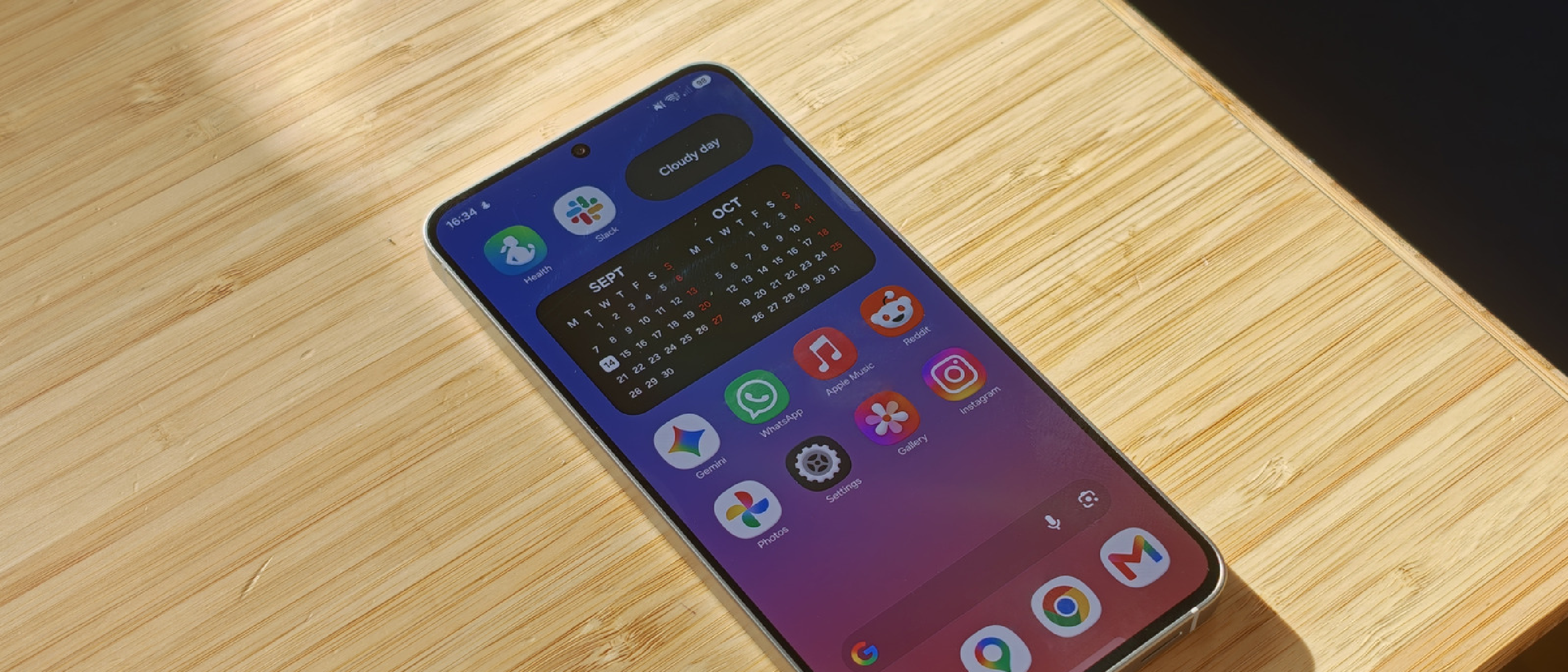
The S26 FE abandons the matte back of the S25 FE for a glossy, high‑gloss finish that catches light—and fingerprints. Samsung markets the new look with a limited‑edition “Pistachio” color, a nod to the brand’s recent pastel trend. Physically, the phone is marginally taller, wider, and now weighs 3 g more, though the 7.4 mm thickness remains unchanged. The most noticeable visual change is the bottom chin, which has grown more pronounced to accommodate a larger battery and the Exynos 2500’s thermal envelope.
Connected Camera Island
Instead of the protruding lens modules seen on previous FE models, Samsung introduced a “connected camera island.” The three lenses sit flush within a single bar, linked by a thin polymer bridge. This design reduces the risk of accidental snags and gives the rear panel a cleaner silhouette. However, the trade‑off is a slightly higher camera module height, which may affect ergonomics for one‑handed use.
Build Quality in Context
For a $700 device, the build feels solid. The Gorilla Glass Victus 2 front and back protect against everyday drops, while the aluminum frame adds rigidity. Compared to the Pixel 10a’s polycarbonate shell, the S26 FE feels premium, but the incremental weight gain raises the question of whether the glossy finish justifies the added heft.
Performance & Battery – Exynos 2500 Meets Real‑World Demands
Processor and Memory
The S26 FE is powered by Samsung’s in‑house Exynos 2500, the same chip that runs the Z Flip 7. Built on a 4 nm process, the SoC delivers respectable single‑core performance but falls short in sustained multi‑core workloads. Paired with 8 GB of LPDDR5 RAM, the phone handles everyday tasks—social media, video streaming, and office apps—smoothly. However, Mat Smith noted noticeable frame drops in graphically intensive titles like Wuthering Waves, especially during complex boss fights where texture streaming spikes.
Battery Life and Charging
A 4,900 mAh cell powers the device, delivering just over 21 hours of video playback in mixed usage. The 45 W wired charger tops out at about 70 % in 30 minutes, while the 15 W wireless charger is functional but lacks the magnetic ring found on the S26+ series. For users who rely on fast wireless charging, the omission feels like a cost‑saving compromise.
Real‑World Implications
The performance‑to‑price ratio is where the S26 FE’s value proposition frays. Competing midrange phones, such as the Pixel 10a with its Google‑optimized Tensor G3, offer smoother gaming experiences at $500. Samsung’s decision to reuse the Exynos 2500—while sensible for component commonality—means the S26 FE inherits the same thermal throttling patterns observed in the Z Flip 7.
Camera System – Ambitious Specs, Uneven Execution
Hardware Overview
- Wide: 50 MP, f/1.8, OIS
- Ultrawide: 12 MP, 123° field of view
- Telephoto: 8 MP, 3× optical zoom, OIS
On paper, the triple‑camera suite rivals many flagship devices. The 50 MP sensor captures detailed daylight shots, while the ultrawide lens expands creative possibilities. The telephoto lens, however, is the weakest link; reviewers reported blurry or over‑exposed results in low‑light scenarios.
Software Enhancements
Samsung layers its hardware with several AI‑driven features:
- Pro Visual Engine: Enhances texture fidelity in RAW‑like processing.
- My Fan Cam: Isolates, crops, and tracks a single subject in group videos.
- Horizon‑Lock Video: Keeps the horizon level up to 4K resolution.
- Now Brief & Now Nudge: Contextual AI that surfaces daily activity summaries and shortcuts, reminiscent of Google’s Magic Cue.
While these tools add polish, the camera app itself feels sluggish. Opening the app, switching between lenses, or applying AI filters introduces a noticeable lag, undermining the otherwise solid hardware.
Comparative Lens
The telephoto performance is especially relevant when compared to the Pixel 10a’s 2× optical zoom, which, despite a lower megapixel count, delivers cleaner results thanks to Google’s computational photography pipeline. Samsung’s reliance on AI for post‑processing cannot fully compensate for the smaller sensor size and limited aperture.
Software & AI Features – Samsung’s Push Toward Contextual Intelligence
Now Suite: Brief and Nudge
The “Now” suite is Samsung’s answer to Google Discover and Magic Cue. Now Brief aggregates notifications, app usage, and health data into a concise daily snapshot. Now Nudge proactively suggests actions—like opening a navigation app when you’re near a familiar location. Early impressions suggest the features are useful but occasionally intrusive, popping up at inopportune moments.
Security and Updates
Samsung promises four years of Android OS upgrades and five years of security patches for the S26 FE. This aligns with industry standards for premium Android devices and is a selling point for users wary of rapid OS obsolescence.
Connectivity
The phone supports Wi‑Fi 7, 5G Sub‑6, and Bluetooth 5.3. While not groundbreaking, the inclusion of Wi‑Fi 7 positions the S26 FE for future‑proof home networking—a point worth noting alongside the Starlink Mini article, which explores emerging broadband options for mobile users. Starlink Mini Home Use: Costs, Speed & What’s Next
Market Position & Value – The Price‑Performance Equation
Pricing Landscape
| Device | Price | Key Specs |
|---|---|---|
| Samsung Galaxy S26 FE | $700 | Exynos 2500, 6.7″ OLED, 4,900 mAh |
| Samsung Galaxy S25 FE (current) | <$650 | Same size, matte finish |
| Samsung Galaxy S26+ | $900 | Snapdragon 8 Gen 3, 5,000 mAh |
| Google Pixel 10a | $500 | Tensor G3, 4,800 mAh |
| Refurbished S24+ (certified) | $650 | Snapdragon 8 Gen 2, 4,800 mAh |
The $700 price places the S26 FE squarely between a high‑end midrange and an entry‑level flagship. For consumers who value a glossy design and Samsung’s ecosystem (SmartThings, DeX), the price may be justified. For price‑sensitive buyers, the Pixel 10a offers a cleaner Android experience with superior AI photography at a $200 discount.
Component Cost vs. Feature
Component Cost vs. Feature Trade‑offs
Samsung’s decision to reuse the Exynos 2500 and a 4,900 mAh battery—both already in the Z Flip 7—keeps the bill of materials relatively low. However, the cost savings are partially offset by the premium glossy finish, the new “connected camera island,” and the inclusion of Wi‑Fi 7. Those upgrades push the S26 FE’s price into a bracket where consumers start expecting flagship‑level performance. In practice, the phone delivers a solid everyday experience but falters when the hardware is pushed, revealing a mismatch between component cost and the $700 price tag.
Verdict – Is the S26 FE Worth Its Price?
The Galaxy S26 FE is a well‑built, aesthetically pleasing device that brings a slice of Samsung’s flagship DNA to the midrange. Its 6.7‑inch OLED is bright and fluid, the design feels premium, and the software suite adds useful AI touches. Yet the incremental hardware upgrades—most notably the Exynos 2500 and a modest battery increase—don’t translate into a noticeable real‑world advantage over the S25 FE or cheaper rivals like the Pixel 10a.
Pros
- Gorgeous 1,900‑nit OLED with 120 Hz refresh
- Premium build with Gorilla Glass Victus 2 and aluminum frame
- Versatile camera hardware (50 MP main, ultrawide, telephoto)
- Samsung’s “Now” AI suite adds contextual convenience
- Four‑year OS upgrade promise and five‑year security patches
Cons
- $700 price feels steep for the performance level
- Exynos 2500 shows throttling in demanding games
- Camera app latency and inconsistent telephoto results
- Wireless charging lacks magnetic alignment, a feature present on the S26+
- Glossy back attracts fingerprints and smudges
Overall, the S26 FE feels like a stop‑gap that leans heavily on brand cache rather than delivering a compelling performance leap. For users entrenched in Samsung’s ecosystem who value the design language and DeX integration, it may still be a viable upgrade. For the broader market, especially price‑sensitive buyers, the Pixel 10a or a certified refurbished S24+ present more balanced value propositions.
Rating: 6.7 / 10
Frequently Asked Questions
Q: Does the S26 FE support Samsung DeX?
A: Yes. You can connect the phone to a monitor via USB‑C or wirelessly to enable DeX mode, turning the device into a desktop‑like experience.
Q: How does the camera performance compare to the Pixel 10a in low light?
A: The Pixel 10a’s computational photography generally outperforms the S26 FE’s telephoto and night‑mode shots, delivering cleaner images with less noise.
Q: Is the “Now” suite optional, and can it be disabled?
A: The suite can be turned off in Settings under “Advanced Features → Now,” though some background services may still run to collect data for Samsung’s ecosystem.
Q: Will Samsung provide a 5G mmWave variant of the S26 FE?
A: No. The S26 FE ships with Sub‑6 5G only, reserving mmWave support for the flagship S26+ and higher‑tier models.
Q: How does the battery life hold up with the 120 Hz display enabled?
A: With the refresh rate set to 120 Hz, you can expect roughly 18‑19 hours of mixed usage. Dropping to 60 Hz extends playback to around 22 hours.
Q: Does the phone have an IP rating?
A: Yes, the S26 FE carries an IP68 rating for dust and water resistance, matching the protection level of the S26+.
Q: Are there any plans for a larger storage variant?
A: Samsung currently offers 128 GB and 256 GB models. No official word on a 512 GB version has been released as of this writing.
Mat Smith contributed this review to Engadget. For more in‑depth coverage of Samsung’s midrange strategy, see our feature on the evolution of the Fan Edition line.
Source: Original Article