

The Rumor Landscape: What’s Being Said
Multiple sources converging on a single date—Tuesday, October 13—suggest Apple is poised to announce two intertwined moves: a brand‑new smart home hub and a strategic partnership with security giant ADT. The timing aligns with a noticeable lull in ADT’s hiring announcements, where “Low Voltage Technician” postings have surfaced since July, each accompanied by NDAs and iPhone 17 Pro devices for new hires.
A person familiar with the matter told us that ADT’s exclusivity agreement with Google has expired and will not be renewed, leaving a vacuum that Apple could fill. Google, in turn, appears to be shifting its focus toward AT&T for future collaborations. While Apple has delayed its hub reveal in the past, citing the need for a “Siri AI‑ready” platform, the revamped Siri AI launched last month, potentially clearing the technical hurdle.
The core of the rumor package includes:
- Two form factors: a tabletop version with a speaker base and a wall‑mounted version.
- Integrated services: accessory management, security monitoring, photo galleries, calendar overviews, music playback, and FaceTime video calling.
- Third‑party collaboration: early partnerships with brands like LG for accessories that could be installed by ADT technicians.
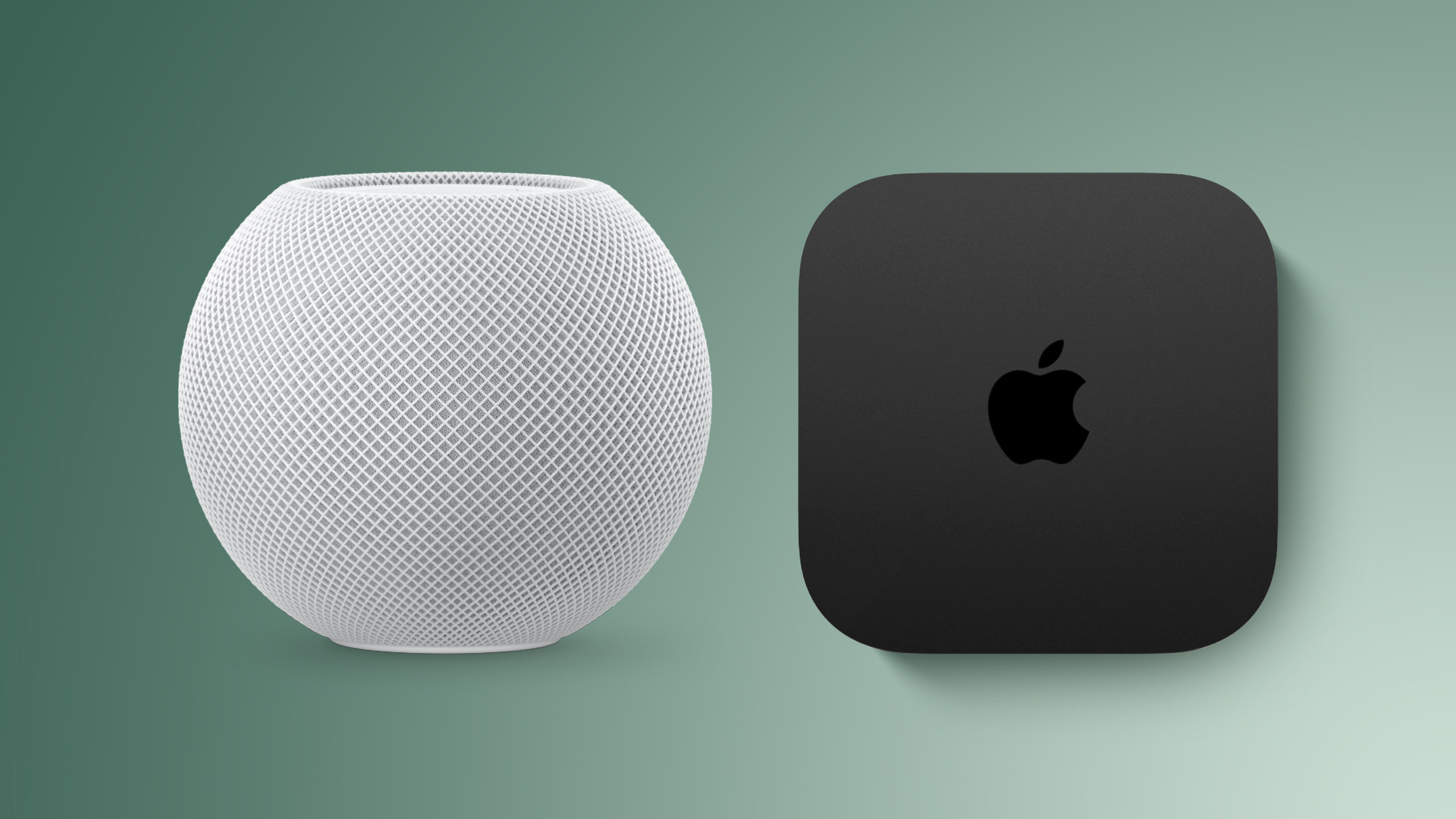
If true, the announcement would be a decisive step toward a more cohesive Apple‑centric smart home ecosystem, echoing the company’s recent hardware rollouts such as the Apple TV 4K and HomePod mini launch detailed in our earlier coverage ( Apple TV 4K & HomePod mini Ship Oct 30 with A19 & S10 ).
Technical Breakdown of the Expected Smart Home Hub
Form Factor & Hardware Design
Apple’s hub appears to be engineered for flexibility:
- Tabletop Model: A cylindrical speaker base reminiscent of the HomePod mini, likely housing a high‑fidelity driver, spatial audio processing, and a built‑in temperature sensor.
- Wall‑Mounted Model: A sleek, low‑profile panel designed to blend with modern interiors, possibly featuring a touch‑enabled display for quick glanceable information (calendar, security alerts, etc.).
Both versions are expected to run on Apple’s custom silicon, perhaps an iteration of the S7 or a new “H‑Series” chip optimized for low‑latency home automation and on‑device AI inference. The inclusion of a dedicated neural engine would enable Siri to process voice commands locally, reducing reliance on cloud services and improving privacy—a point Apple has emphasized across its product line.
Software Stack & Integration
The hub will sit at the center of Apple’s HomeKit ecosystem, but the rumored ADT partnership suggests deeper integration:
- HomeKit Accessory Protocol (HAP) 2.0: Enhanced encryption, faster device discovery, and support for Thread and Matter standards, ensuring cross‑brand compatibility.
- ADT Security Layer: A proprietary API that could expose ADT’s alarm systems, motion sensors, and professional monitoring services directly within the hub’s UI.
- Siri AI Enhancements: Leveraging the latest on‑device language model, the hub could understand context‑rich commands like “Show me the front‑door camera feed and play my evening playlist.”
Developers may gain access to new HomeKit APIs that allow third‑party accessories (e.g., LG’s smart appliances) to be auto‑configured during ADT‑led installations, streamlining the user experience.
Connectivity & Power
Expect support for Wi‑Fi 6E, Thread, Bluetooth 5.3, and possibly Ethernet on the wall‑mounted variant for reliable, low‑latency communication. Power delivery will likely follow Apple’s standard 20 W USB‑C adapter, with the wall model possibly integrating Power over Ethernet (PoE) to simplify installation in new builds.
Why an ADT Partnership Is a Game‑Changer
Professional Installation Meets Consumer Simplicity
ADT’s core competency lies in large‑scale, professional installation and ongoing monitoring. By leveraging ADT technicians for the wall‑mounted hub and LG accessories, Apple can bypass the DIY friction that has limited HomeKit adoption. This mirrors the strategy Apple used with its retail Genius Bar, where expert assistance reduces the barrier to entry for complex products.
Competitive Positioning Against Google Nest and Amazon Ring
Google’s Nest ecosystem currently dominates the high‑end smart home market, while Amazon’s Ring offers a more budget‑friendly approach. ADT’s historical alignment with Google gave the latter an edge in professional monitoring services. With ADT’s exclusivity ending, Apple can now embed a trusted security brand into its ecosystem, potentially offering:
- 24/7 professional monitoring directly from the hub’s interface.
- Integrated emergency services (e.g., automatic dispatch of police or fire services) without third‑party apps.
- Bundled hardware bundles that combine Apple’s hub, LG appliances, and ADT sensors at a single point of sale.
Data Privacy and Security Implications
Apple’s brand is built on privacy, and ADT’s involvement could reinforce that narrative. By keeping video streams and alarm data on‑device or within Apple’s encrypted cloud, the partnership could mitigate the privacy concerns that have plagued Google Nest and Amazon Ring—issues highlighted by recent security research such as the Zoom Zero‑Day Exploit: Remote Takeover of iPhone & Mac and the Zoom Annotation Flaw Patched After AI‑Prompt Exploit . While those incidents involve different platforms, they underscore the industry‑wide need for robust, on‑device processing and end‑to‑end encryption—areas where Apple traditionally excels.
Industry Impact and Competitive Landscape
Accelerating Matter Adoption
Matter, the industry‑wide standard for interoperable smart home devices, is still in its early adoption phase. Apple’s hub, built on Matter‑compatible hardware, could act as a catalyst for broader adoption, especially if ADT’s extensive sensor catalog becomes Matter‑certified through Apple’s certification program.
Ripple Effects on LG and Other OEMs
LG’s early involvement suggests a deeper OEM partnership. If ADT technicians install LG appliances alongside Apple’s hub, we could see a new “LG‑Apple” bundle that competes directly with Samsung’s SmartThings ecosystem. This could force other OEMs to accelerate their own Matter‑ready roadmaps.
Potential Shifts in Carrier Partnerships
Google’s pivot toward AT&T after losing ADT’s exclusivity hints at a broader realignment of carrier‑backed smart home services. Apple, traditionally carrier‑agnostic, may leverage its own cellular capabilities (e.g., eSIM in the hub) to offer optional LTE connectivity for homes without reliable broadband, further differentiating its offering.
Future Outlook & Potential Challenges
Pricing and Market Segmentation
No pricing details have emerged, but Apple’s historical pricing strategy suggests a premium tier for the wall‑mounted hub, possibly $299–$399, with the tabletop version positioned closer to $199. Bundles with ADT monitoring could add recurring revenue streams, similar to Apple’s AppleCare plans.
Software Maturity and Siri AI
The hub’s success hinges on Siri’s ability to handle nuanced home commands. While the latest Siri AI update improves natural language understanding, real‑world performance in noisy environments and multi‑device contexts remains unproven. Apple will need to demonstrate low‑latency, accurate responses to win over power users.
Regulatory and Privacy Scrutiny
Integrating a security service raises regulatory questions around data retention, emergency response protocols, and cross‑border data flows. Apple’s strict privacy stance may clash with local regulations that require certain data to be stored on government‑controlled servers. Navigating these legal waters will be critical for global rollout.
Competitive Response
Google and Amazon are unlikely to sit idle. Google could accelerate its partnership with AT&T to offer bundled cellular‑backed Nest hubs, while Amazon may push deeper integration of Ring with its Alexa ecosystem. Apple must therefore deliver a compelling, differentiated experience quickly to capture market share.
Frequently Asked Questions
Q: When will the Apple smart home hub be available?
A: The official unveiling is expected on Tuesday, October 13. Availability dates and pricing will likely be announced during the event.
Q: Will the hub work with existing HomeKit accessories?
A: Yes. The hub is designed to be a central controller for all HomeKit‑compatible devices, and it will also support Matter‑certified accessories from other brands.
Q: How does ADT’s involvement affect privacy?
A: Apple’s on‑device processing and end‑to‑end encryption should keep video and alarm data private. ADT’s role will be limited to professional installation and optional monitoring services, subject to Apple’s privacy policies.
Q: Can I use the hub without an ADT subscription?
A: The hub will function as a standalone HomeKit controller. ADT services will be an optional add‑on for users who want professional monitoring.
Q: Will the hub support cellular connectivity?
A: Rumors suggest the wall‑mounted version may include LTE eSIM support, enabling operation in homes without reliable Wi‑Fi.
Conclusion
Apple’s potential partnership with ADT, coupled with the launch of a dual‑form smart home hub, could reshape the smart home market by marrying Apple’s design and privacy ethos with ADT’s professional installation and monitoring expertise. If the October 13 announcement lives up to the rumors, we can expect a device that not only centralizes HomeKit and Matter accessories but also offers a seamless, secure gateway to professional security services. The move would pressure Google, Amazon, and other OEMs to accelerate their own integrations, potentially ushering in a new era of interoperable, privacy‑first smart homes.
Source: Original Article