






The $266 Million Deal: Rocket Lab’s Largest Contract to Date
Rocket Lab has achieved a major milestone with its $266 million multi-launch contract awarded by the U.S. Space Force’s Space Systems Command. This deal marks the company’s largest contract to date, underscoring its growing role in national security space missions. The agreement requires Rocket Lab to execute 12 suborbital launches, with an option for up to six additional missions, beginning no earlier than late 2026.
For Rocket Lab, this contract is a significant validation of its Electron rocket, a small-lift launch vehicle that has become a workhorse for delivering payloads to low Earth orbit (LEO). The Electron’s reliability and cost-effectiveness have made it a preferred choice for government and commercial customers alike. This deal also highlights the U.S. military’s increasing reliance on commercial launch providers to meet its growing demand for rapid, flexible, and cost-efficient access to space.
Why This Contract Matters for the Space Industry
A Shift Toward Commercial Partnerships
The U.S. military’s decision to award this contract to Rocket Lab reflects a broader industry trend: the shift from government-led space programs to commercial partnerships. Historically, the Department of Defense (DoD) and Space Force have relied on traditional aerospace contractors like Lockheed Martin and Boeing. However, the rise of agile, privately funded companies like Rocket Lab and SpaceX has disrupted this model.
This contract is part of the Space Force’s Orbital Services Program-4 (OSP-4), which aims to leverage commercial launch providers for responsive and scalable space access. By partnering with companies like Rocket Lab, the military can reduce costs, increase launch cadence, and maintain a competitive edge in space capabilities.
The Role of Small-Lift Rockets in National Security
While heavy-lift rockets like SpaceX’s Falcon Heavy and NASA’s Space Launch System (SLS) dominate headlines, small-lift rockets like the Electron play a critical role in national security. These vehicles are ideal for deploying small satellites, technology demonstrations, and suborbital experiments—missions that don’t require the payload capacity of larger rockets.
The Electron’s ability to launch quickly and frequently makes it particularly valuable for the Space Force, which increasingly prioritizes responsive space operations. In a conflict scenario, the ability to rapidly replace damaged or degraded satellites could be a game-changer. Rocket Lab’s contract underscores the military’s recognition of this capability.
Technical Breakdown: The Electron Rocket’s Capabilities
Design and Performance
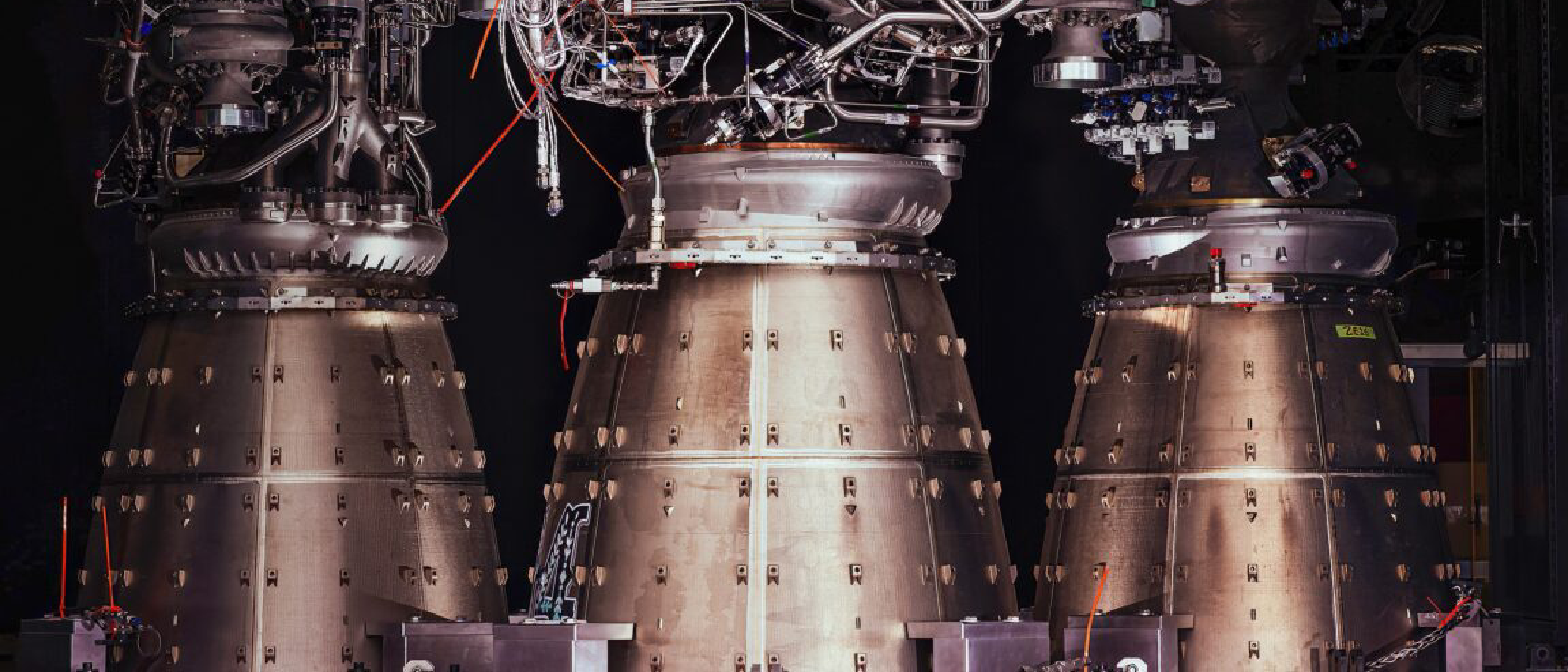
The Electron rocket is a two-stage, small-lift launch vehicle designed and manufactured by Rocket Lab. Key specifications include:
- Height: 18 meters (59 feet)
- Diameter: 1.2 meters (3.9 feet)
- Payload Capacity: Up to 300 kg (660 lbs) to LEO
- Propellant: Rocket-grade kerosene (RP-1) and liquid oxygen (LOX)
- Engines: Nine Rutherford engines in the first stage, one Rutherford vacuum engine in the second stage
The Rutherford engine is notable for being the first electric-pump-fed engine to power an orbital-class rocket. This design reduces complexity and cost while improving reliability.
Reusability and Future Upgrades
While the Electron is not currently reusable, Rocket Lab has been testing recovery and reuse technologies to reduce launch costs further. The company has successfully recovered first stages via parachute and helicopter, though full reusability is still in development.
Additionally, Rocket Lab is developing the Neutron rocket, a medium-lift vehicle designed to compete with SpaceX’s Falcon 9. The Neutron will feature a reusable first stage and a larger payload capacity, positioning Rocket Lab to compete for even more lucrative contracts in the future.
SpaceX’s Falcon 9: The Workhorse of Medium-Lift Missions
While Rocket Lab’s Electron handles small-lift missions, SpaceX’s Falcon 9 remains the dominant player in medium-lift launches for the U.S. military. The Falcon 9 has been a cornerstone of the Space Force’s launch strategy for over a decade, thanks to its reliability, cost-efficiency, and rapid reusability.
Falcon 9’s Role in Military Launches
The Falcon 9 has been used for a wide range of military missions, including:
- GPS satellite deployments
- National Reconnaissance Office (NRO) payloads
- Space Development Agency (SDA) missions
- Resupply missions to the International Space Station (ISS)
Its reusable first stage has dramatically reduced launch costs, making it an attractive option for government contracts. The Falcon 9’s success has also paved the way for SpaceX’s Starship, which is poised to revolutionize heavy-lift launches in the coming years.
Competition and Collaboration
While Rocket Lab and SpaceX are often seen as competitors, their roles in the space industry are complementary. Rocket Lab’s Electron excels in small-lift missions, while SpaceX’s Falcon 9 dominates medium-lift. This dynamic allows the U.S. military to diversify its launch providers, reducing risk and ensuring mission success.
For example, the Space Force’s National Security Space Launch (NSSL) Phase 2 program awarded contracts to both SpaceX and United Launch Alliance (ULA), demonstrating the military’s preference for multiple launch providers. Rocket Lab’s recent contract suggests that the Space Force is extending this strategy to small-lift missions as well.
Industry Impact: What This Means for the Future of Space Launches
Increased Competition in the Small-Lift Market
Rocket Lab’s $266 million contract is a significant win for the company, but it also signals increased competition in the small-lift launch market. Companies like Firefly Aerospace, Relativity Space, and Astra are all vying for a share of this growing segment. As the demand for small satellite launches continues to rise, we can expect to see more innovation and cost reductions in this space.
The Rise of Responsive Space Operations
The U.S. military’s focus on responsive space operations—the ability to rapidly deploy and replace satellites—is driving demand for small-lift rockets. Traditional launch providers often require months or years of lead time, but companies like Rocket Lab can offer faster turnaround times, making them ideal for time-sensitive missions.
This trend is likely to accelerate as the Space Force expands its Tactically Responsive Launch (TacRL) program, which aims to demonstrate the ability to launch payloads on short notice.
The Role of Commercial Providers in National Security
The shift toward commercial launch providers reflects a broader transformation in the space industry. Government agencies are increasingly relying on private companies to drive innovation, reduce costs, and increase flexibility. This model has proven successful in other sectors, such as cloud computing, where companies like Amazon Web Services (AWS) and Microsoft Azure dominate government contracts.
For the space industry, this means more opportunities for startups and established players alike. However, it also raises questions about supply chain security, intellectual property, and the long-term sustainability of commercial partnerships. As the industry evolves, these issues will need to be addressed to ensure the continued success of public-private collaborations.
Future Outlook: What’s Next for Rocket Lab and SpaceX?
Rocket Lab’s Path Forward
With its largest contract to date, Rocket Lab is poised for significant growth. The company’s focus on small-lift launches, reusability, and the Neutron rocket positions it well for future military and commercial contracts. However, it will need to navigate challenges such as increased competition, regulatory hurdles, and the technical complexities of reusable rockets.
Rocket Lab’s success will also depend on its ability to scale production and maintain reliability. The company has already demonstrated its capability with over 40 successful Electron launches, but the stakes are higher than ever with this new contract.
SpaceX’s Continued Dominance
SpaceX’s Falcon 9 remains the gold standard for medium-lift launches, but the company is not resting on its laurels. The Starship program is the next frontier, with the potential to revolutionize heavy-lift launches and enable missions to the Moon and Mars. If successful, Starship could further solidify SpaceX’s dominance in the space industry.
However, SpaceX also faces challenges, including regulatory scrutiny, competition from ULA and Blue Origin, and the technical risks associated with Starship’s development. The company’s ability to innovate and execute will determine its long-term success.
The Broader Space Industry
The space industry is entering a new era of commercialization, competition, and innovation. Companies like Rocket Lab and SpaceX are leading the charge, but they are not alone. Startups and established players alike are pushing the boundaries of what’s possible in space.
For the U.S. military, this means more options, lower costs, and greater flexibility. For the commercial sector, it means new opportunities and challenges. As the industry continues to evolve, one thing is clear: the future of space launches is brighter than ever.
FAQ
What is the Electron rocket?
The Electron is a small-lift launch vehicle developed by Rocket Lab. It is designed to deliver payloads of up to 300 kg (660 lbs) to low Earth orbit (LEO) and is powered by the company’s Rutherford engines.
Why did the U.S. Space Force award this contract to Rocket Lab?
The Space Force awarded the contract to Rocket Lab due to the Electron rocket’s reliability, cost-effectiveness, and ability to support responsive space operations. The contract is part of the Space Force’s Orbital Services Program-4 (OSP-4), which aims to leverage commercial launch providers for flexible and scalable space access.
How does this contract compare to SpaceX’s military launches?
While SpaceX’s Falcon 9 dominates medium-lift missions, Rocket Lab’s Electron is focused on small-lift launches. The two companies serve complementary roles in the U.S. military’s launch strategy, with SpaceX handling larger payloads and Rocket Lab supporting smaller, more frequent missions.
What are responsive space operations?
Responsive space operations refer to the ability to rapidly deploy and replace satellites in response to changing mission requirements or threats. This capability is critical for national security, as it allows the military to maintain space superiority in dynamic environments.
What’s next for Rocket Lab and SpaceX?
Rocket Lab is focused on expanding its launch capabilities, developing the Neutron rocket, and advancing reusability. SpaceX, meanwhile, is continuing to refine the Falcon 9 and Starship programs, with an eye toward future missions to the Moon and Mars.
Source: Original Article