






The Genesis of a Slithering Savior
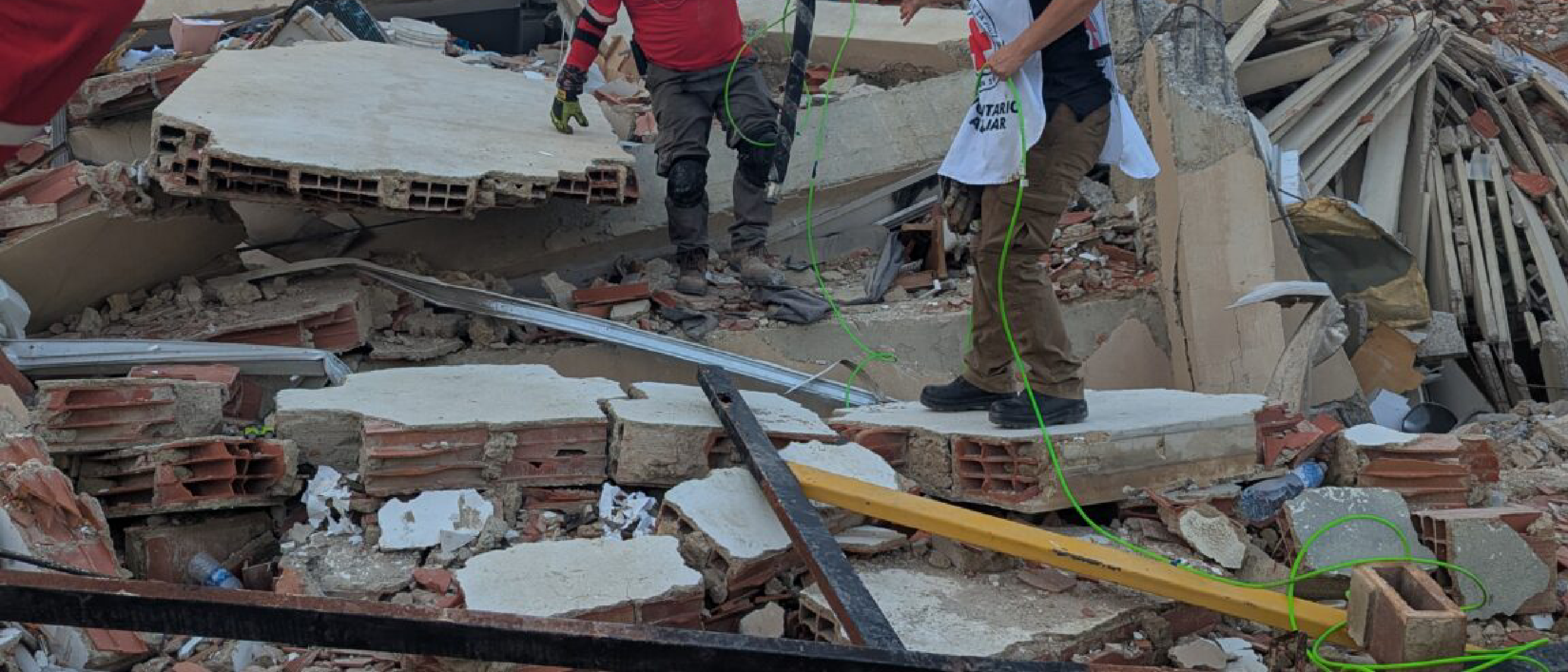
On June 24, 2026, Venezuela was struck by a double earthquake that left more than 5,000 dead and 16,740 injured. In the rubble of collapsed buildings, conventional rescue equipment struggled to reach the most dangerous and inaccessible spaces. Enter the snake robot—an engineered marvel from the Biorobotics Lab at Carnegie Mellon University, led by Dr. Howie Choset. These slender, articulated machines, equipped with high‑resolution video cameras, slithered through tight volumes that human rescuers and heavy machinery could not access. Their ability to extend visual reach in a safe, minimally invasive manner has reshaped the way disaster response teams operate on the ground.
Why It Matters: A New Paradigm for Disaster Response
1. Rapid Situational Awareness
In a disaster zone, time is the most precious commodity. Traditional search methods rely on human teams navigating unstable debris, often exposing them to secondary collapse risks. Snake robots provide instant visual feedback from within collapsed structures, allowing teams to assess structural integrity, locate survivors, and plan extraction routes without putting rescuers in harm’s way.
2. Human‑Robot Collaboration
The deployment of snake robots exemplifies a symbiotic relationship between humans and machines. While the robot gathers data, human operators interpret the feed and make critical decisions. This collaboration reduces the cognitive load on rescuers and increases overall mission efficiency.
3. Cost‑Effective Scalability
Unlike large, expensive robotic platforms, snake robots are relatively lightweight and can be produced in larger quantities at a lower cost. This scalability is crucial for regions with limited emergency response budgets, enabling broader adoption of robotic assistance in future disasters.
Technical Breakdown: How the Slither Works
Design Philosophy
Snake robots are inspired by biological snakes, which achieve locomotion through a series of lateral undulations and body flexions. The Biorobotics Lab’s design incorporates:
- Segmented Actuators: Each segment houses a pair of servo motors that control bending in orthogonal planes, allowing the robot to navigate complex 3‑D environments.
- Modular Construction: Segments can be added or removed to adjust the robot’s length, tailoring it to specific mission profiles.
- Lightweight Materials: Composite skins and aluminum frames keep the overall mass below 5 kg, facilitating rapid deployment.
Sensor Suite
- High‑Resolution Video Camera: Mounted at the front, the camera captures 4K footage, providing clear imagery even in low‑light conditions.
- Inertial Measurement Unit (IMU): Tracks orientation and movement, enabling precise navigation and mapping.
- Proximity Sensors: Detect obstacles and help maintain safe distances from fragile debris.
Control Architecture
The robot operates on a hybrid control system:
- Manual Teleoperation: Operators use a joystick interface to guide the robot in real time, essential for unpredictable environments.
- Autonomous Navigation: When connectivity permits, the robot can follow pre‑programmed paths using SLAM (Simultaneous Localization and Mapping) algorithms, reducing operator workload.
Safety Features
- Soft End‑Effector: The robot’s tip is padded to prevent damage to delicate structures and to minimize the risk of causing additional collapse.
- Emergency Stop: A fail‑safe mechanism halts movement instantly if the robot encounters a sudden obstacle or loses power.
Industry Impact: From Disaster Zones to Everyday Applications
1. Search and Rescue (SAR) Operations
The success in Venezuela has prompted emergency services worldwide to integrate snake robots into their SAR toolkits. The ability to “perform minimally invasive surgery on a structure”—as Dr. Choset described—has become a standard phrase in SAR training programs.
2. Infrastructure Inspection
Beyond disaster response, snake robots are now being deployed for routine inspections of pipelines, tunnels, and bridges. Their slender form factor allows them to traverse confined spaces that traditional drones or ground vehicles cannot.
3. Military and Security Uses
The military sector has shown interest in snake robots for breaching operations and mine detection. Their silent, low‑profile movement makes them ideal for covert missions.
4. Space Robotics Synergy
The same principles of compliant, modular design that underpin snake robots are echoed in space robotics. For instance, Northrop Grumman’s MRV & MEPs robotic servicing satellites share a focus on minimally invasive manipulation of delicate structures in hostile environments. The cross‑fertilization of ideas between terrestrial SAR robots and orbital servicing systems underscores the versatility of compliant robotic platforms.
For a deeper look at how robotic servicing is revolutionizing space operations, check out the article on Northrop Grumman’s MRV & MEPs: https://ltdeveloperblogs.github.io/posts/this-is-the-worlds-most-advanced-robotic-servicing-satellitethat-we-know-about
5. Commercial and Consumer Applications
The consumer market is beginning to see snake‑style robots in home cleaning devices and hobbyist kits. While still niche, the proliferation of open‑source designs has lowered entry barriers for enthusiasts.
Future Outlook: What Lies Ahead for Snake Robotics
1. AI‑Driven Autonomy
Integrating advanced machine learning models will enable snake robots to make real‑time decisions about navigation and obstacle avoidance, reducing reliance on human operators. This shift could mirror the AI advancements discussed in the recent YouTube AI policy updates, where platforms are tightening AI governance to ensure safety and reliability.
Learn more about AI policy changes affecting tech companies here: https://ltdeveloperblogs.github.io/posts/youtube-clarifies-policies-around-ai-slop-and-upsetting-videos
2. Swarm Coordination
Research is underway to coordinate multiple snake robots simultaneously, creating a swarm that can cover larger areas more efficiently. Swarm robotics could dramatically cut search times in large-scale disasters.
3. Enhanced Sensing
Future iterations may incorporate thermal imaging, gas sensors, and acoustic detectors, turning snake robots into multi‑modal sensing platforms capable of detecting survivors through heat signatures or trapped gas leaks.
4. Regulatory Frameworks
As snake robots become more prevalent, regulatory bodies will need to establish guidelines for their safe use in public spaces. This includes standards for battery safety, electromagnetic interference, and operator certification.
5. Cross‑Industry Collaboration
Partnerships between academia, industry, and government agencies will accelerate development. The Biorobotics Lab’s open‑source hardware and software frameworks encourage collaboration, fostering rapid iteration and deployment.
Frequently Asked Questions
Q1: How fast can a snake robot move through rubble?
A1: Typical speeds range from 0.1 to 0.3 m/s, sufficient to cover several meters per minute while maintaining stability in uneven terrain.
Q2: Are snake robots safe for use around humans?
A2: Yes. Their soft end‑effectors and low mass minimize the risk of injury. Operators still maintain a safe distance during deployment.
Q3: What power source do these robots use?
A3: Most models run on rechargeable lithium‑ion batteries, offering 30–60 minutes of continuous operation depending on load and terrain.
Q4: Can they operate in extreme temperatures?
A4: Current designs are rated for temperatures between –10 °C and 50 °C. Extreme environments may require specialized thermal management.
Q5: How does the robot handle communication loss?
A5: The robot defaults to a pre‑programmed safe mode, returning to the last known safe position or hovering in place until connectivity is restored.
Conclusion
The deployment of snake robots in Venezuela’s earthquake aftermath has proven that compliant, modular robotic systems can dramatically improve search and rescue outcomes. By combining biological inspiration with cutting‑edge engineering, these machines extend human reach into the most dangerous environments, offering a safer, faster, and more cost‑effective solution to disaster response. As AI, swarm intelligence, and cross‑industry collaboration continue to evolve, snake robots are poised to become a staple in emergency operations, infrastructure inspection, and beyond—ushering in a new era where robots and humans work hand‑in‑hand to save lives.
Source: Original Article