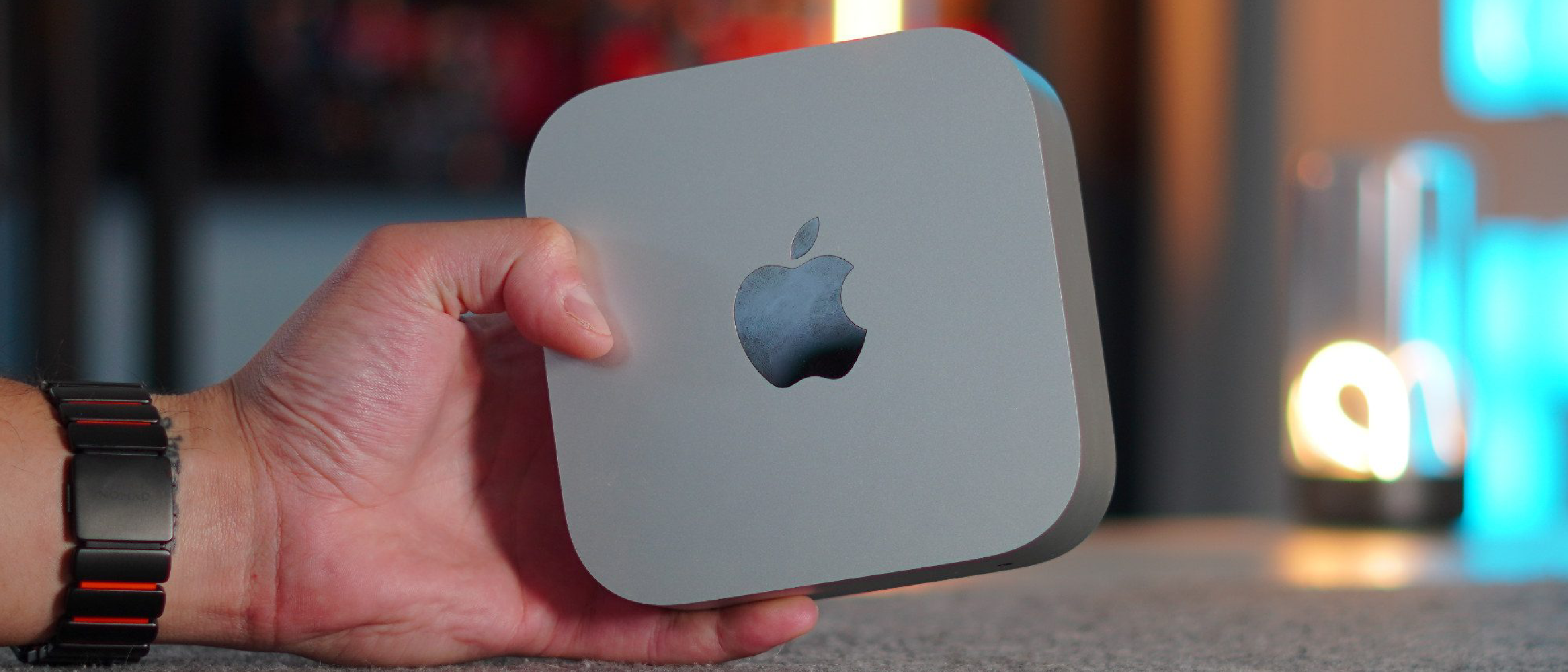
Why the Mac mini Rumor Matters Now
Apple’s product cadence has always been a barometer for the broader PC market. A surprise Mac mini release before the September keynote would be the first deviation from the company’s traditional launch rhythm in years. Historically, the Mac mini has served as Apple’s entry point for budget‑conscious consumers and developers who need a compact, affordable desktop. Its 2005 debut as the first sub‑$500 Mac cemented that role, and the device has since become a testbed for early Apple Silicon generations.
If a new Mac mini appears ahead of the iPhone‑focused event, it signals that Apple may be recalibrating its pricing strategy for the entire Mac family. A pre‑event launch could also be a tactical move to generate buzz and capture market share before competitors roll out their own mid‑year refreshes. For developers, a fresh Mac mini equipped with the latest Apple Silicon would provide an early‑access platform for testing macOS‑specific software, especially in areas like machine learning, video rendering, and server‑side workloads.
Technical Breakdown: What Could Be Inside
While Apple has not disclosed specifications, the rumor ecosystem offers clues:
Apple Silicon Upgrade: The current Mac mini ships with the M2 or M2 Pro chip, depending on configuration. A pre‑event model would likely feature the next‑generation Apple Silicon—potentially an M3 or an early‑stage M3 Pro. This would bring higher transistor density, improved neural engine performance, and better power efficiency, aligning the mini with the performance envelope of the MacBook Air while retaining its desktop form factor.
Memory and Storage Options: Expect a baseline of 8 GB unified memory, with optional 16 GB or 32 GB upgrades. Storage could start at 256 GB SSD, scaling to 2 TB. Apple has been pushing higher‑capacity SSDs across its lineup, and a competitive offering would keep the mini attractive for developers and home‑studio users.
Connectivity: The current mini includes two Thunderbolt 4 ports, HDMI 2.0, and Ethernet. A new version may upgrade to HDMI 2.1, add a third Thunderbolt port, and possibly integrate Wi‑Fi 7 for lower latency and higher throughput—critical for streaming and cloud‑based workflows.
Thermal Design: Apple’s recent silicon generations have benefited from refined thermal architectures. A slimmer fan or passive cooling solution could be feasible, especially if the chip’s power envelope is lower than the M2 Pro.
Pricing: The original 2005 mini broke the $500 barrier, establishing a price‑to‑performance benchmark. If Apple aims to undercut Windows‑based mini PCs, a starting price near $599 could be plausible, especially if the device ships with a less‑powerful chip initially and offers higher‑end configurations at premium tiers.
These speculations align with Apple’s pattern of incremental hardware improvements paired with strategic pricing moves. The upcoming launch could also include a “Mac mini for developers” SKU, pre‑installed with macOS Server tools and optimized for container workloads.
Industry Impact: Ripple Effects Across the Ecosystem
Desktop Market Dynamics
A pre‑September Mac mini would pressure Windows‑based mini PCs (e.g., Intel NUC, ASUS Mini PC) that dominate the low‑cost desktop segment. Apple’s brand cachet and the efficiency of Apple Silicon could shift purchasing decisions for small businesses, educational institutions, and remote workers who value a small footprint without sacrificing performance.
Software Development and Cloud Services
Developers often use the Mac mini as a cost‑effective build server for iOS/macOS apps. An early‑release model with the newest silicon would accelerate adoption of the latest SDKs, especially for Vision Pro and visionOS development, where Apple encourages native performance. Moreover, cloud providers that offer macOS instances (e.g., MacStadium) could leverage the new hardware to improve their service offerings, potentially lowering costs for CI/CD pipelines.
Supply Chain and Component Forecasting
Apple’s decision to launch a new Mac mini ahead of its flagship event could indicate a healthier supply chain for Apple Silicon. After the pandemic‑induced shortages, an early launch suggests that Apple has secured enough wafer capacity to meet both consumer and professional demand. This could also hint at a broader rollout of Apple Silicon across other product lines later in the year.
Security Landscape
New hardware invariably brings new firmware and driver code, which can introduce vulnerabilities. Security‑focused readers may recall Apple’s recent bug bounty adjustments, detailed in the Apple Bug Bounty Cool‑Down Explained & Mosyle Impact article. A fresh Mac mini would be a prime target for researchers, and Apple’s expanded bounty program may see an influx of submissions related to the new silicon’s boot process, secure enclave, and kernel extensions.
Future Outlook: What Comes After the Mini?
If the Mac mini lands successfully, Apple could use it as a launchpad for several strategic initiatives:
Unified Desktop Architecture: By standardizing on a single Apple Silicon family across all desktops (Mac mini, iMac, Mac Studio, Mac Pro), Apple simplifies software optimization and reduces development overhead.
**Server
Server‑Grade Mac mini Variants: Apple may introduce a dedicated “Mac mini Server” SKU that ships with higher‑end M3 Pro or M3 Max silicon, expanded memory (up to 64 GB), and built‑in 10 Gb Ethernet. This would directly challenge traditional rack‑mount servers in small‑to‑medium businesses and could be paired with macOS Server‑style tools for container orchestration, CI/CD pipelines, and on‑premise development environments.
Developer‑Centric Bundles: Leveraging its strong developer ecosystem, Apple could bundle the new mini with extended Xcode licenses, access to Apple Developer Program perks, and pre‑installed virtualization frameworks (e.g., Apple Virtualization Framework). Such bundles would accelerate adoption among indie developers and enterprise teams building for visionOS, iOS, and macOS.
Sustainability Narrative: Apple’s environmental commitments could be highlighted by using a higher proportion of recycled aluminum and a more energy‑efficient power supply. A “Carbon‑Neutral Mini” badge would resonate with education and corporate buyers who prioritize green procurement.
Potential Challenges and Risks
| Challenge | Why It Matters | Mitigation Strategies |
|---|---|---|
| Supply‑Chain Bottlenecks | Even with improved wafer capacity, components like Wi‑Fi 7 modules and high‑density SSDs remain scarce. | Apple could stagger launch volumes, prioritize enterprise orders, or offer a “pre‑order‑only” window to smooth demand. |
| Pricing Perception | If the entry price creeps too high, the mini loses its “budget‑friendly” identity, ceding ground to Windows‑based alternatives. | Maintaining a sub‑$600 entry point while offering clear value‑add (e.g., free developer tools) can preserve the price‑to‑performance narrative. |
| Thermal Constraints | Packing more powerful silicon into the same chassis may lead to fan noise or throttling under sustained loads. | A revised internal layout, larger heat‑pipe network, or optional passive‑cooling variant for low‑power models can address heat concerns. |
| Software Compatibility | Early‑adopter developers may encounter bugs in macOS releases optimized for the new chip, slowing adoption. | Apple’s expanded bug bounty program and a dedicated “Early Access” developer preview can surface issues before mass shipment. |
What to Watch For
- Official Announcement Timing – Rumors suggest a “surprise” reveal in early August, but Apple could push it to late July to pre‑empt competitor announcements.
- Configuration Matrix – Pay attention to whether Apple offers a base model with the standard M3 chip versus a “Pro” variant with M3 Pro. The distinction will dictate pricing tiers and target audiences.
- Accessory Ecosystem – New mini models may debut alongside updated Thunderbolt docks, external GPUs (if Apple revisits eGPU support), and a refreshed line of Studio Display accessories.
- Software Roadmap – Look for macOS 15 (or the next named release) beta notes that reference “optimized for M3” or “enhanced server capabilities,” which would corroborate hardware rumors.
Conclusion
A pre‑September launch of the Mac mini would be more than a simple product refresh; it would signal Apple’s willingness to break its own calendar conventions in order to capture market momentum and address emerging developer needs. By potentially bundling next‑gen M3 silicon, expanded memory, and a refreshed connectivity suite, Apple could re‑establish the mini as the go‑to entry‑level desktop for both hobbyists and professional workloads. The move also offers a litmus test for Apple’s broader silicon strategy—if the mini ships smoothly and meets demand, we can expect a cascade of Apple Silicon upgrades across the entire Mac lineup later in the year.
For now, the tech community watches closely. Whether the rumor materializes into a tangible product or remains a speculative whisper, the conversation around the Mac mini underscores a larger narrative: Apple is actively reshaping the desktop landscape, balancing performance, price, and sustainability in ways that could reverberate throughout the entire PC ecosystem.
Frequently Asked Questions
Q: Will the new Mac mini replace the current M2/M2 Pro models?
A: Apple typically retains older configurations as lower‑priced options for a limited time. Expect the M2‑based mini to stay available for a few months, possibly at a discounted price, while the M3‑based version becomes the flagship entry point.
Q: Is a bundled monitor included with the new mini?
A: Historically, Apple sells the Mac mini as a standalone unit. However, a promotional bundle with the 27‑inch Studio Display or a new 24‑inch Apple Monitor could appear as a limited‑time offer.
Q: Will the new mini support external GPUs?
A: Apple discontinued official eGPU support with the transition to Apple Silicon, and there are no indications that this will change. Developers needing extra GPU horsepower are more likely to look at Mac Studio or Mac Pro.
Q: How does the rumored Wi‑Fi 7 integration affect real‑world performance?
A: Wi‑Fi 7 offers higher throughput (up to 30 Gbps) and lower latency, which benefits large file transfers, cloud‑based development, and high‑resolution streaming. The actual benefit will depend on compatible routers and network infrastructure.
Q: When can I expect pricing details?
A: Apple usually reveals pricing at the launch event or on its website shortly thereafter. If the mini is announced ahead of the September keynote, pricing should be disclosed within the same press release.
Q: Will the new Mac mini run iOS or iPadOS apps natively?
A: macOS already supports many iOS/iPadOS apps via the Mac App Store. The newer silicon will likely improve performance for these apps, but Apple has not announced any expanded cross‑platform capabilities specific to the mini.
Q: Is there a chance the mini will ship with macOS Server pre‑installed?
A: Apple discontinued the standalone macOS Server app in 2022, but a “Server” SKU could include pre‑configured services (e.g., Xcode Cloud, CI agents) out‑of‑the‑box, targeting enterprise and developer audiences.
Source: Original Article