
What Apple Is Bringing to the Home
In a few days Apple will step onto the smart‑home stage with a quartet of products that could redefine how its ecosystem talks to the physical world. The lineup consists of:
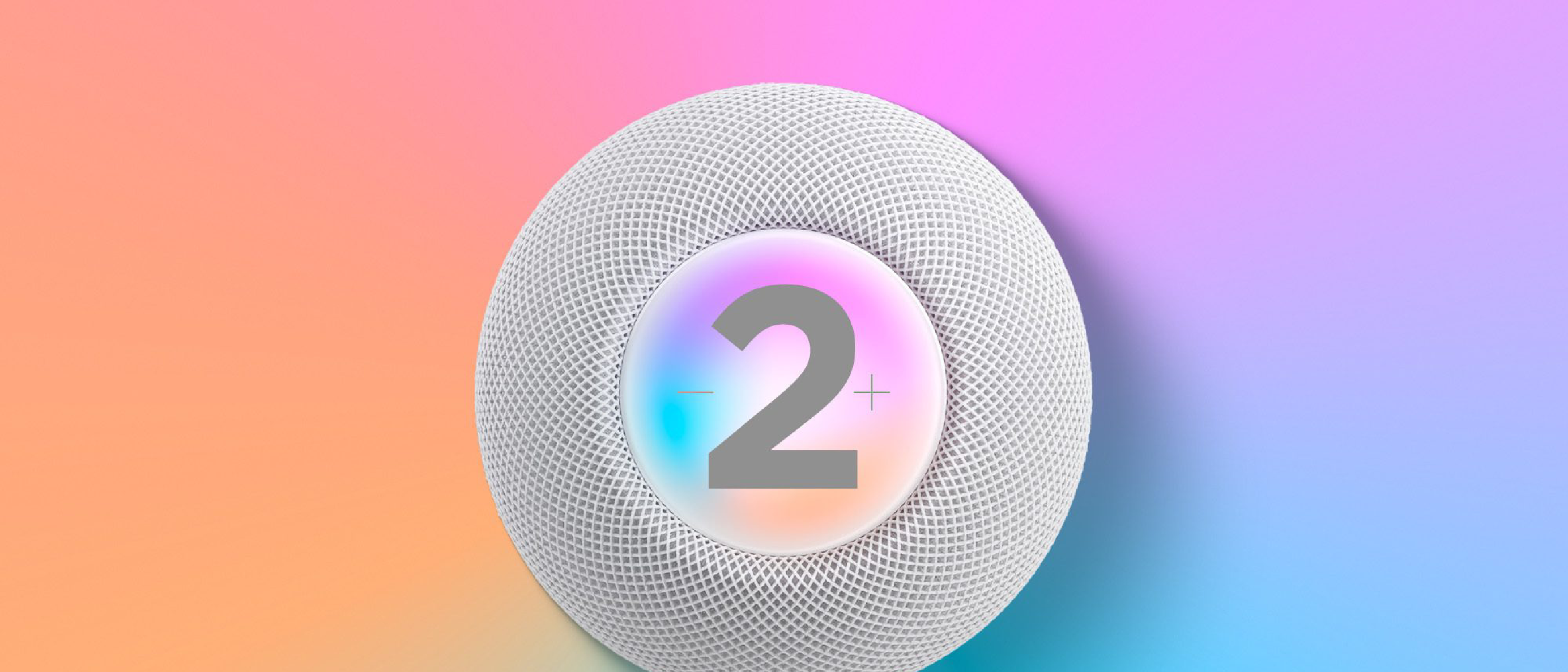
- HomePod mini 2 – an updated version of the compact smart speaker.
- Apple TV 4K – the latest media hub, expected to carry new processing power.
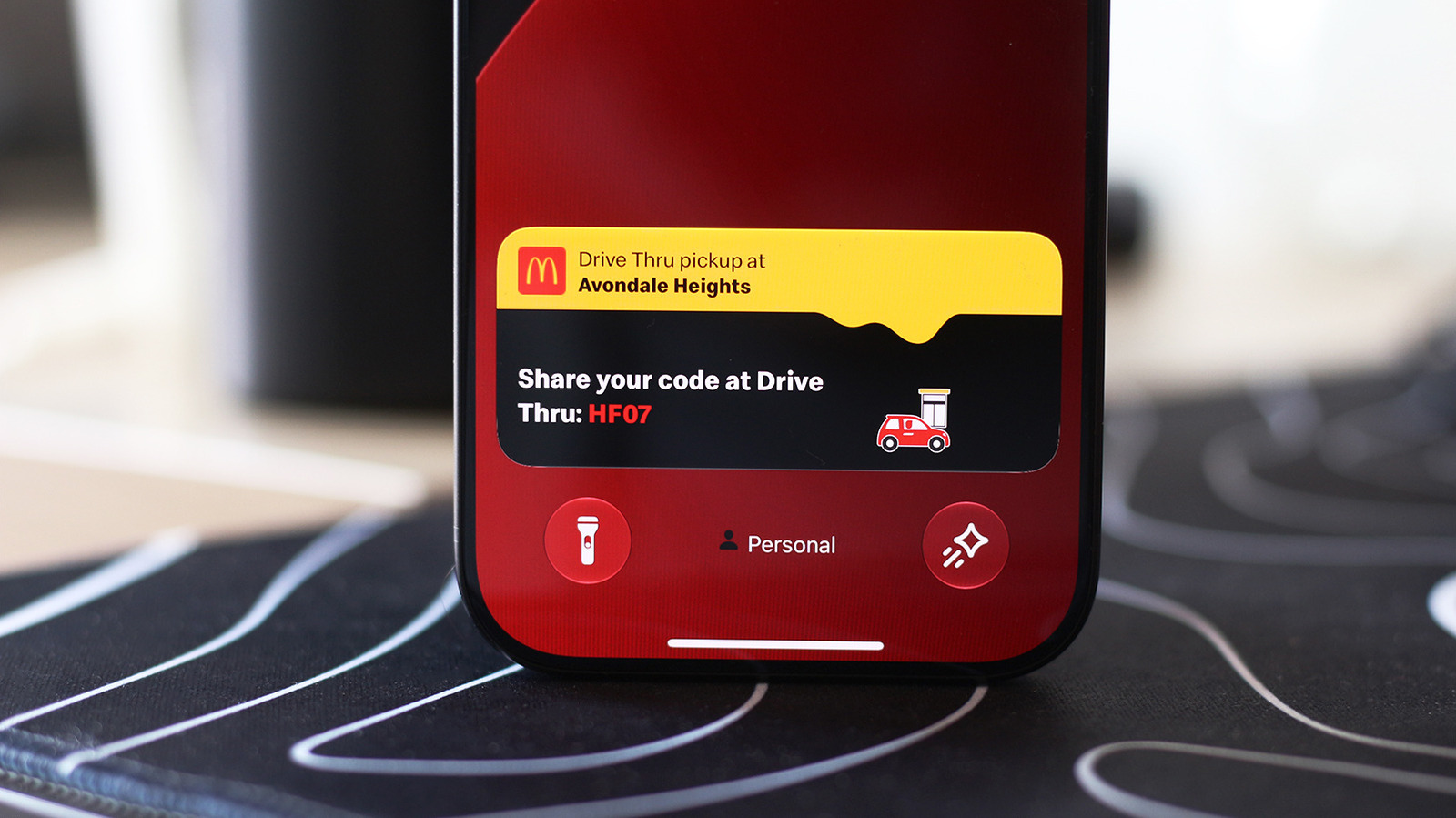
- Home View – a dedicated smart‑home hub that will act as the central brain for Apple‑first accessories.
- A suite of smart‑home accessories built in partnership with LG, ranging from lighting to climate control.
While Apple has been quiet on pricing and exact launch dates, the timing suggests a coordinated reveal that aligns with the company’s broader push to make iOS, iPadOS, macOS, and watchOS work seamlessly across the home.
Why It Matters: The Strategic Shift
Apple’s home strategy has historically been incremental—adding HomeKit support to existing devices, then releasing a few dedicated accessories. This new bundle signals three strategic moves:
- Hardware‑first approach – By delivering a purpose‑built hub (Home View) and a refreshed speaker, Apple is moving from a software‑centric model to a hardware‑centric one, similar to its approach with the Apple Watch.
- Ecosystem lock‑in – The LG partnership expands the catalog of HomeKit‑compatible devices, giving users more reasons to stay within Apple’s ecosystem rather than adopting competing standards like Google Nest or Amazon
or Amazon’s ecosystem.
What to Expect from Each Device
| Device | Key Upgrades / Features | Anticipated Benefits |
|---|---|---|
| HomePod mini 2 | • New S7‑class audio driver for richer bass • Integrated Thread / Matter radio for faster, more reliable device communication • Spatial awareness microphones that can triangulate sound sources for improved Siri interactions | • Better sound quality without a price jump • Seamless connection to Thread‑enabled accessories, reducing latency • More natural voice control throughout the house |
| Apple TV 4K (2026) | • A15‑Bionic chip with a dedicated Neural Engine for on‑device AI processing • Support for HDMI 2.1, 8K HDR, and Variable Refresh Rate • Built‑in Home Hub capabilities, allowing it to double as a fallback Home View controller | • Faster app launches and smoother gaming via Apple Arcade • Future‑proof video playback for high‑end TVs • Redundancy for HomeKit automations if the dedicated hub is offline |
| Home View Hub | • Standalone Thread border router with Matter certification • 4‑core Apple silicon for local automation processing • Integrated environmental sensors (temperature, humidity, air quality) and a small OLED display for quick status checks | • Lower reliance on cloud services, improving privacy and speed • Ability to run complex automations locally (e.g., “if humidity > 70 % and temperature < 20 °C, turn on dehumidifier”) • Visual feedback for users without pulling up the Home app |
| LG‑Partnered Accessories | • Smart bulbs with tunable white and color spectrum, supporting Thread and Matter • Thermostats with AI‑driven energy‑saving algorithms that learn household patterns • Motorized blinds and smart plugs, all controllable via Siri and the Home app | • A broader, high‑quality catalog of accessories that work out‑of‑the‑box with Apple’s ecosystem • Energy‑efficiency gains for consumers and potential carbon‑footprint reductions • Competitive edge against Google Nest and Amazon Echo devices that often require third‑party bridges |
Potential Market Impact
- Accelerated Adoption of Matter – By bundling a Thread‑enabled hub with Matter‑ready accessories, Apple is nudging developers and manufacturers toward the new standard, potentially hastening its industry‑wide dominance.
- Increased Revenue Streams – Hardware sales have historically been a modest portion of Apple’s earnings. A compelling smart‑home lineup could open a recurring revenue channel through accessories, subscription services (e.g., HomeKit Secure Video), and potential future licensing of the Home View platform to third‑party OEMs.
- Competitive Pressure on Rivals – Google and Amazon have long leveraged price‑driven ecosystems. Apple’s emphasis on privacy, seamless integration, and premium design may attract higher‑spending consumers who value a cohesive experience over sheer device count.
Challenges and Criticisms
- Price Sensitivity – Apple’s premium pricing could deter budget‑conscious buyers, especially when comparable smart‑home devices from competitors are often half the cost.
- Limited Third‑Party Ecosystem – While the LG partnership expands the accessory pool, the overall HomeKit catalog still lags behind the sheer volume of devices available for Google Assistant or Alexa. Developers may be hesitant to invest heavily until a clear market demand is demonstrated.
- Fragmented User Experience – Introducing a dedicated hub adds another piece of hardware that users must set up and maintain. If the hub’s UI is not intuitive, it could create friction, especially for non‑technical households.
What This Means for Consumers
For existing Apple users, the upcoming announcements promise a more robust, reliable, and privacy‑first smart‑home experience. The integration of Thread and Matter means fewer connectivity hiccups and faster response times, while the new environmental sensors could enable truly “smart” automations that adapt to real‑world conditions.
For newcomers, Apple’s entry may still feel like a high‑entry barrier due to cost and the need to adopt the broader Apple ecosystem (iPhone, iPad, or Mac). However, the partnership with LG introduces a familiar brand that could ease the transition for those already using LG appliances or TVs.
Looking Ahead
If Apple follows its typical rollout cadence, we can expect the HomePod mini 2 and Home View hub to ship within weeks of the announcement, with the Apple TV 4K arriving in the holiday quarter. The LG accessories will likely roll out gradually, starting with lighting and thermostats before expanding to more niche categories like security cameras and door locks.
Analysts will be watching two key metrics:
- Accessory Adoption Rate – How quickly third‑party manufacturers join the HomeKit/Matter ecosystem after Apple’s push.
- Revenue Contribution – Whether smart‑home hardware begins to represent a noticeable share of Apple’s Services segment, indicating successful cross‑selling.
FAQ
Q: Do I need an iPhone to use the new Home View hub?
A: While the hub can operate independently for local automations, initial setup and ongoing management are performed through the Apple Home app, which requires an iPhone, iPad, or Mac running the latest OS version.
Q: Will existing HomePod mini devices receive any software upgrades to support Thread or Matter?
A: Apple has confirmed that the current HomePod mini will receive a software update enabling Matter compatibility, but it will not gain Thread radio hardware, so performance may not match the new mini 2.
Q: Can I use the LG accessories with other smart‑home platforms?
A: The LG devices announced for this launch are Matter‑certified, meaning they can also be paired with Google Home, Amazon Alexa, or any other Matter‑compatible ecosystem, though certain Apple‑exclusive features (e.g., Siri shortcuts) will be limited to HomeKit.
Q: Is the Home View hub required if I already own an Apple TV 4K?
A: The Apple TV 4K includes basic HomeKit hub functionality, but the dedicated Home View hub offers faster local processing, built‑in sensors, and a dedicated Thread border router, delivering a more responsive and feature‑rich experience.
Q: When will the new products be available for purchase?
A: Apple has not disclosed exact dates, but industry insiders expect pre‑orders to open within a week of the event, with shipments beginning in late October for the HomePod mini 2 and Home View, and a broader rollout through December for the Apple TV 4K and LG accessories.
Apple’s upcoming home‑hardware suite could be the catalyst that finally brings its vision of a tightly integrated, privacy‑first smart home to mainstream consumers. Whether the market embraces the premium price point remains to be seen, but the combination of Thread, Matter, and a strong hardware pedigree positions Apple as a serious contender in the next generation of connected living.
Source: Original Article