Background: Vision Pro and the Quest for Comfort
When Apple unveiled the Vision Pro in early 2024, it set a new benchmark for mixed‑reality (MR) hardware. The device combined dual 4K micro‑OLED displays, an M2‑class processor, and a dedicated R1 sensor array that tracked eyes, hands, and the surrounding environment with sub‑millimeter precision. The result was an immersive experience that felt more like a window to the digital world than a bulky visor.
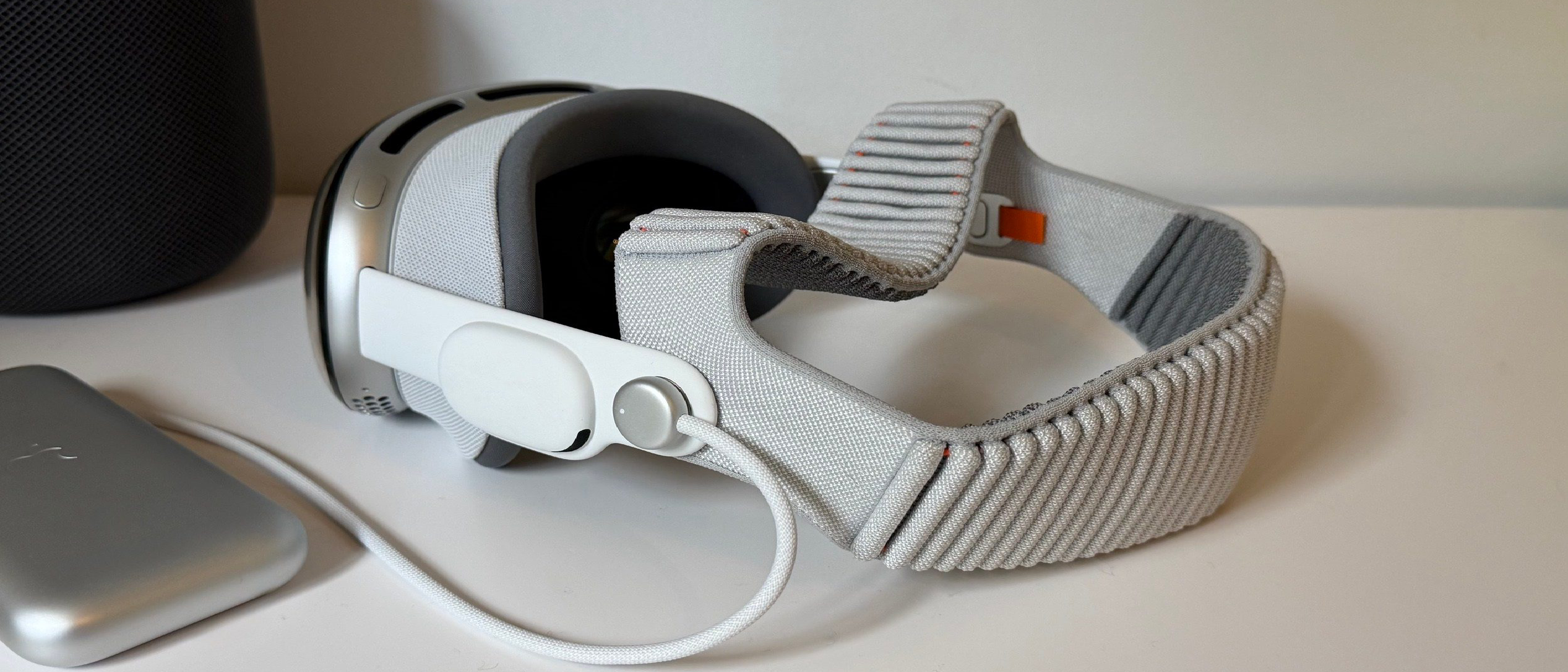
However, the Vision Pro’s premium price tag and its 579‑gram weight quickly became talking points in reviews and user forums. While the headset’s ergonomics were praised for the adjustable headband and balanced weight distribution, many early adopters reported fatigue after an hour of continuous use. The bulkiness also limited its appeal for mobile scenarios—something that competitors such as Meta Quest and Microsoft’s HoloLens have been capitalizing on with lighter, more portable designs.
In response, Bloomberg reported that Apple is quietly developing a new headset that mirrors the Vision Pro’s core capabilities but adopts a slimmer form factor. The project, internally referenced as “N100” during the earlier Vision Air initiative, was shelved in 2023. The renewed effort suggests Apple believes a lighter device is essential to broaden adoption beyond the niche of developers and enterprise pilots.
Why a Lighter Form Factor Matters
User Comfort and Session Length
Extended wear comfort is a decisive factor for MR adoption. A headset that feels like a pair of glasses rather than a head‑mounted display can sustain longer sessions, making it viable for education, remote work, and entertainment. Studies on wearable ergonomics indicate that every 100‑gram reduction in weight can improve perceived comfort by roughly 10 %. For a device originally weighing 579 g, even a modest 100‑g reduction would be noticeable.
Mobility and Real‑World Integration
A slimmer headset opens doors for “on‑the‑go” mixed‑reality use. Imagine a commuter slipping the device on during a train ride to attend a virtual meeting, or a field technician using AR overlays while walking through a warehouse. The current Vision Pro, with its external battery pack, is less suited for such scenarios. A lighter, possibly battery‑integrated design would align better with mobile workflows.
Market Positioning
Apple’s ecosystem thrives on seamless integration across devices. By offering a lighter headset, Apple can position the product as a natural extension of the iPhone and Mac lineup, competing directly with Meta’s Quest 3 and upcoming competitors from Sony and Google. The form‑factor shift also signals to investors that Apple is listening to consumer feedback—a crucial narrative for maintaining its premium brand image.
Technical Challenges and Potential Solutions
Optics and Display Scaling
The Vision Pro’s dual 4K displays are a major contributor to its thickness. Shrinking the optical stack while preserving resolution and field‑of‑view (FOV) is non‑trivial. Apple may explore:
- Waveguide optics: Leveraging diffractive waveguides can reduce lens bulk while maintaining a wide FOV.
- Micro‑LED panels: Smaller, brighter micro‑LEDs could replace the current OLED panels, offering comparable pixel density with thinner substrates.
Processing Power vs. Thermal Envelope
The M2‑class chip delivers the performance needed for real‑time rendering and sensor fusion, but it also generates heat. A slimmer chassis reduces the space available for passive cooling. Potential mitigations include:
- Advanced silicon packaging: 3D‑stacked logic and memory can lower power draw.
- Low‑power sensor ASICs: Custom R1‑derived chips optimized for eye‑tracking could reduce overall thermal load.
Battery Integration
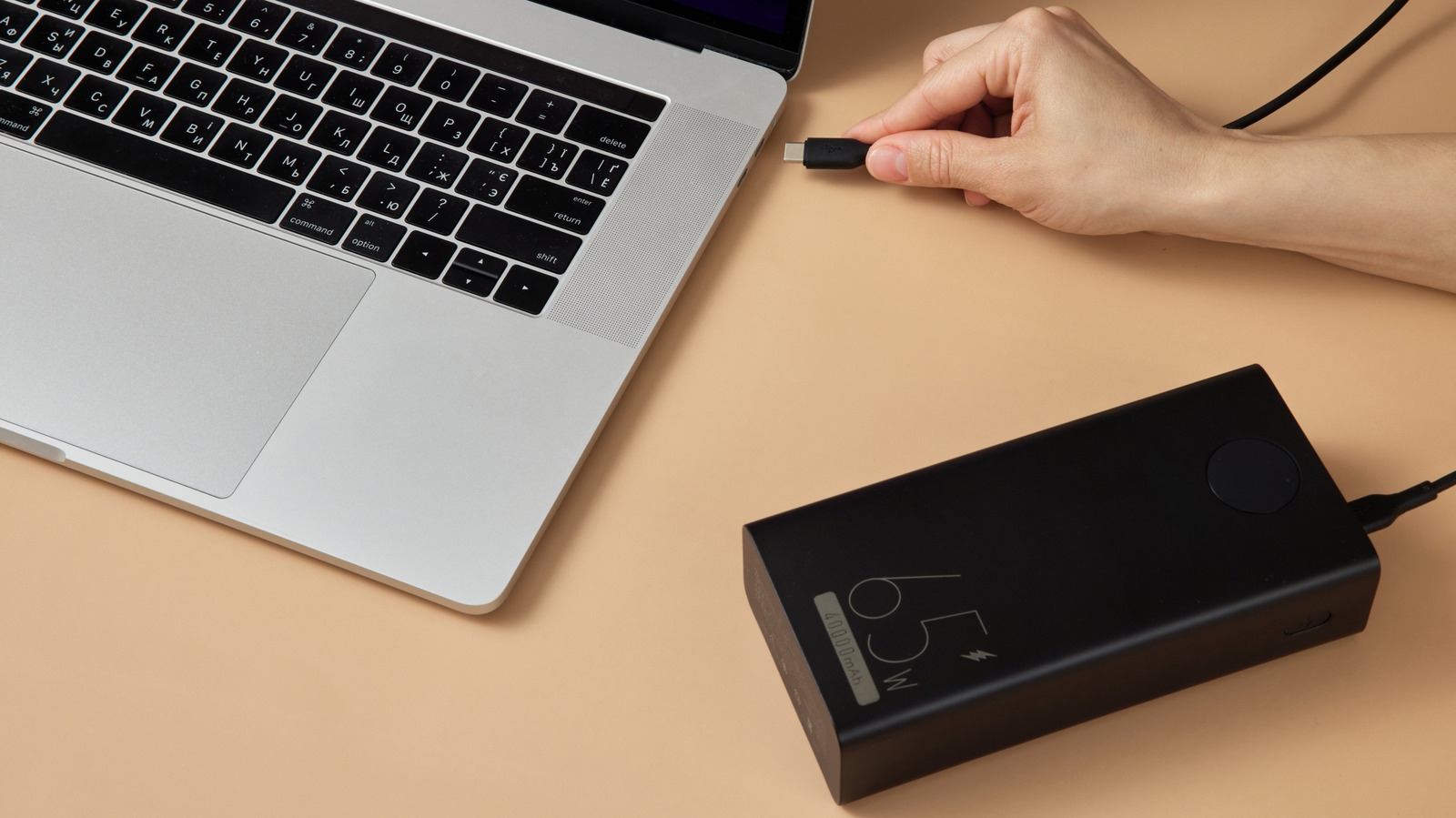
The external battery on Vision Pro adds to perceived bulk. Integrating a higher‑energy‑density battery within the headband could eliminate the external pack. Apple’s recent work on custom Li‑ion cells for the MacBook line suggests they have the expertise to create a compact, safe power source that still delivers several hours of mixed‑reality use.
Materials and Manufacturing
Weight reduction often hinges on material choices. Apple could adopt:
- Carbon‑fiber composites: Used in the MacBook Air, these provide strength with minimal mass.
- Magnesium‑aluminum alloys: Already present in the Vision Pro frame, further alloy optimization could shave grams.
Security and Privacy Considerations
A lighter headset will likely be used in more public settings, raising concerns about data capture. Apple’s reputation for on‑device processing can mitigate privacy risks, but developers must still adhere to strict guidelines. For a deeper look at Apple’s security posture, see our coverage of Mac Antivirus Intego One .
Industry Impact and Competitive Landscape
Shifting the AR Adoption Curve
If Apple succeeds, the mixed‑reality market could see a noticeable inflection point. Historically, Apple’s entry into a product category accelerates mainstream acceptance—think iPhone and Apple Watch. A lighter headset would likely push AR from “early‑adopter” to “early‑majority” status, encouraging developers to invest in native MR apps.
Pressure on Competitors
Meta’s Quest line has prioritized affordability and weight, but it lacks Apple’s tight hardware‑software integration. A slimmer Apple headset could force Meta to double down on its own form‑factor innovations or differentiate through price and open‑platform flexibility. Similarly, Microsoft’s HoloLens 2, aimed at enterprise, may need to revisit its design to stay relevant for consumer‑grade use cases.
Ecosystem Synergy
Apple can leverage its existing ecosystem—iOS, macOS, and watchOS—to deliver cross‑device experiences. For example, a user could start a design review on a Mac, transition to the headset for 3D inspection, and then share annotations via iPhone. The collaboration angle ties directly into tools like Zoom, whose recent security patch for annotation exploits underscores the importance of secure, real‑time collaboration in mixed‑reality contexts. Read more about that in our article on the Zoom Annotation Flaw .
Supply Chain and Production
Apple’s ability to secure advanced displays and custom silicon has historically given it a competitive edge. However, the shift to lighter materials may require new supplier relationships, especially for carbon‑fiber composites. This could ripple through the supply chain, influencing component pricing and availability for other manufacturers.
Future Outlook and Consumer Expectations
Timeline Speculation
While Bloomberg has not disclosed a release window, Apple’s typical product cadence suggests a possible launch in late 2027 or early 2028, aligning with the usual 18‑month refresh cycle for major hardware. The company will likely unveil the device at a dedicated “Apple Reality” event, positioning it as the next step after Vision Pro.
Software Roadmap
Apple’s ARKit already supports spatial computing, hand tracking, and eye‑tracking. A lighter headset will likely run the same OS (visionOS) but could introduce new APIs optimized for lower‑power operation. Developers will benefit from continuity, but the hardware shift may also inspire new interaction paradigms—perhaps more reliance on voice commands and subtle gestures to conserve battery.
Consumer Pricing
Apple has not hinted at pricing, but the Vision Pro’s $3,499 price point set a high bar. A lighter, possibly more mass‑market device could be priced closer to $1,500–$2,000, making it accessible to professionals and enthusiasts alike. The exact figure will depend on component costs and the degree of integration achieved.
Form‑Factor Inspiration from Other Apple Products
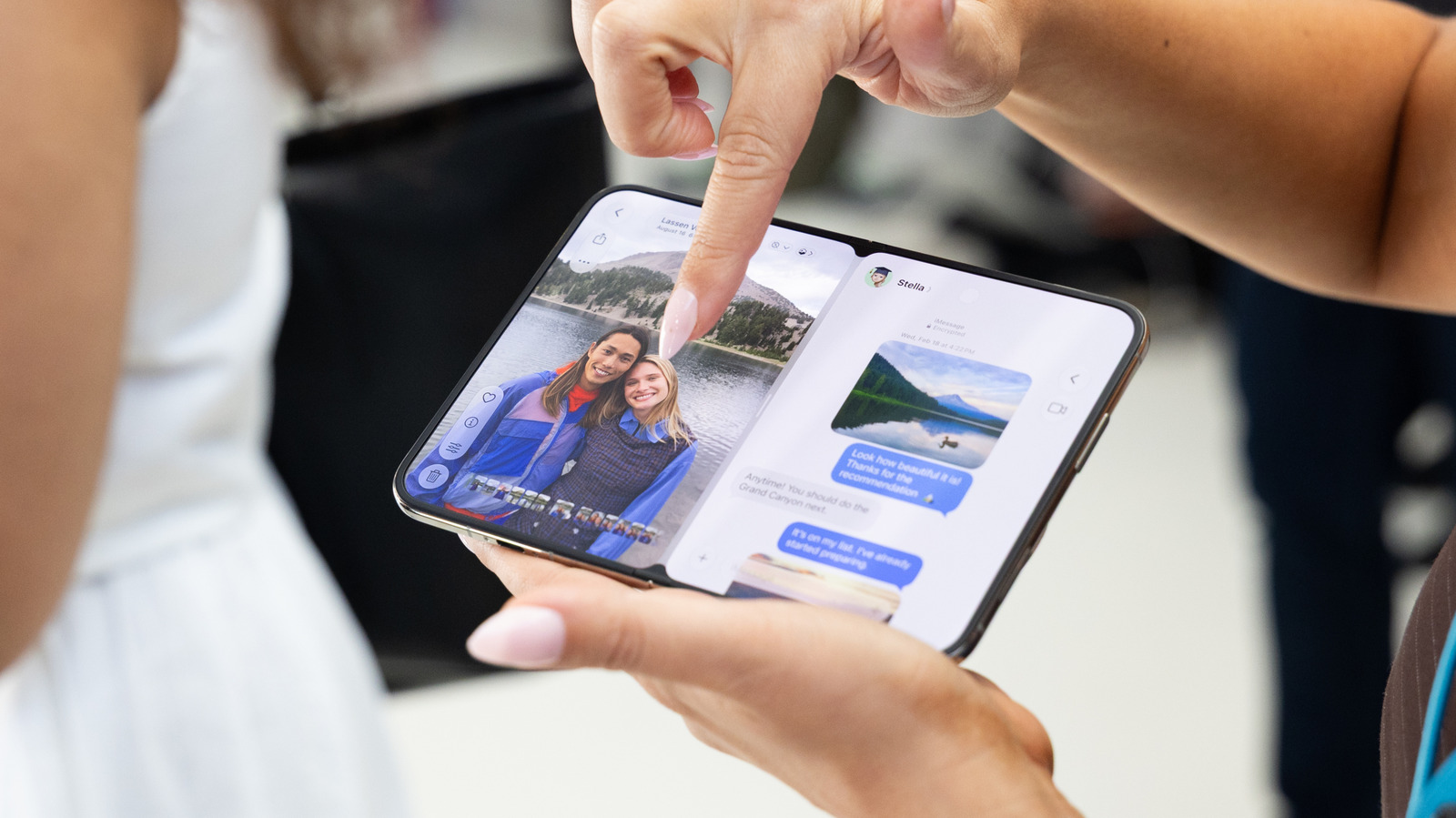
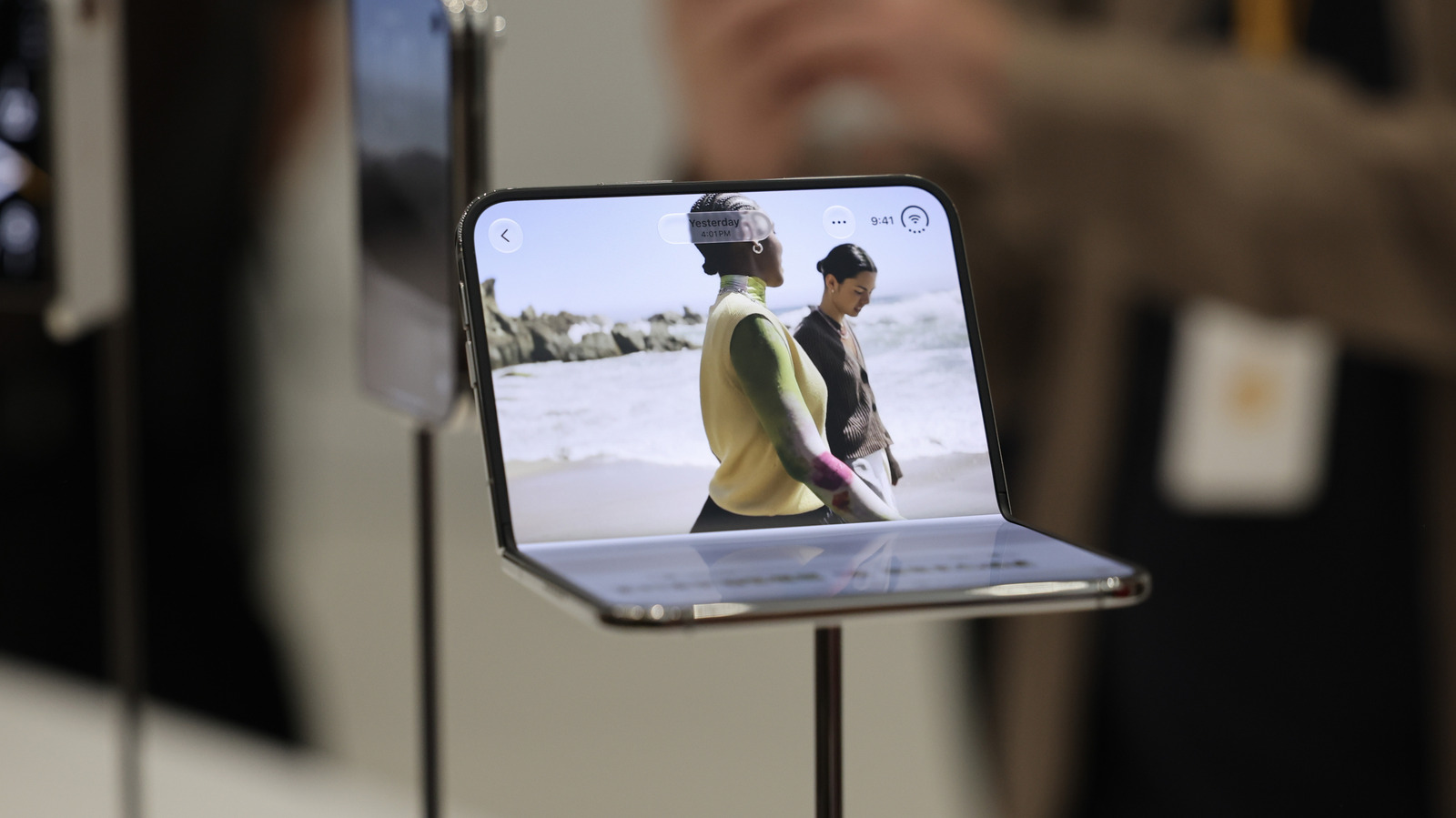
Apple’s recent work on the iPhone Duo Foldable, detailed in our crease visibility test , showcases the company’s willingness to experiment with flexible displays and compact designs. Lessons learned from that project—particularly around hinge durability and thin‑glass engineering—could inform the headset’s chassis design.
Frequently Asked Questions
Q: Is the new headset a revival of the Vision Air project?
A: Bloomberg indicates that Apple is pursuing a “new project with similar aspirations.” While the internal codename N100 was associated with Vision Air, the current effort appears to be a fresh iteration rather than a direct continuation.
Q: Will the new headset support existing Vision Pro apps?
A: Apple’s ecosystem typically emphasizes backward compatibility. It is expected that visionOS apps built for Vision Pro will run on the lighter device, though performance may vary based on hardware constraints.
Q: How will battery life compare to the current Vision Pro?
A: Integrating the battery into the headband could improve ergonomics but may reduce total capacity. Apple will likely balance this with more efficient silicon and adaptive power management to achieve comparable usage times.
Q: What impact will this have on developers?
A: A lighter headset expands the potential user base, encouraging developers to create content that assumes longer, more mobile sessions. Existing ARKit tools will remain relevant, but new guidelines may emerge for optimizing performance on a slimmer platform.
Q: Are there any privacy concerns with a more portable headset?
A: Apple’s on‑device processing model minimizes data transmission, but increased usage in public spaces raises awareness about camera and microphone exposure. Users should stay informed about permission settings and software updates.
Conclusion
Apple’s pursuit of a lighter, Vision Pro‑style headset signals a strategic pivot toward mass‑market mixed‑reality adoption. By tackling the ergonomic challenges that have limited the original device’s appeal, Apple aims to unlock new use cases—from mobile collaboration to immersive education—while reinforcing its ecosystem dominance. The technical hurdles are significant, involving optics, thermal management, battery integration, and material science, but Apple’s track record suggests it can deliver a compelling solution. Competitors will feel the pressure, and the broader AR industry may experience a rapid acceleration in both hardware innovation and software creativity. As the launch window approaches, developers, investors, and consumers alike should watch closely for Apple’s next move in the evolving reality landscape.
Source: Original Article