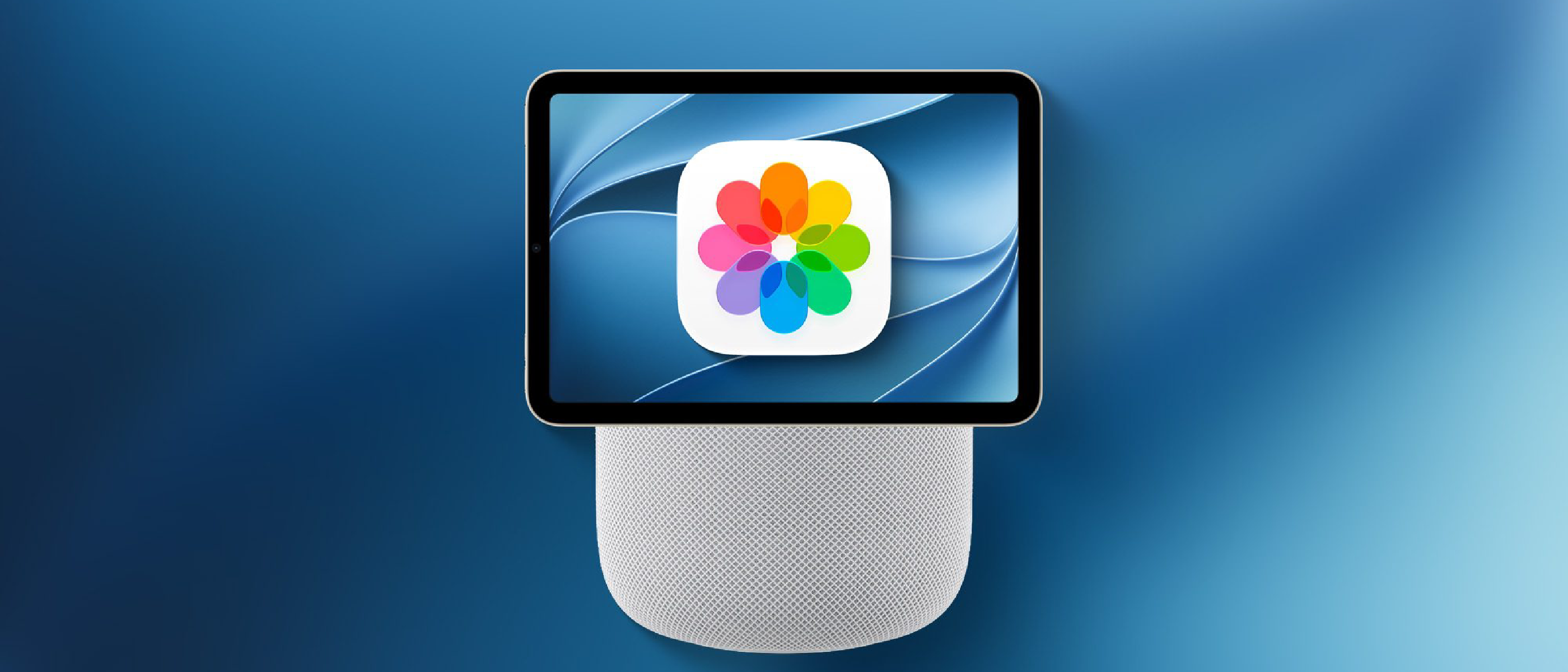
Apple’s Home View Announcement: What We Know So Far
On October 13, Apple will unveil Home View, a new smart‑home hub presented during the “Welcome Home” event. The information comes from Bloomberg’s veteran Apple reporter Mark Gurman, who notes that while the device will be announced on Tuesday, production timelines suggest a mid‑November market entry. Home View is positioned as a sibling to the existing HomePod speakers, extending Apple’s audio‑first approach into a broader control‑center for the connected home.
Key takeaways from the announcement:
- Form factor: Early renders suggest a compact, square device that can sit on a tabletop or be wall‑mounted.
- Color options: Four finishes are rumored, echoing the palette used for recent HomePod models.
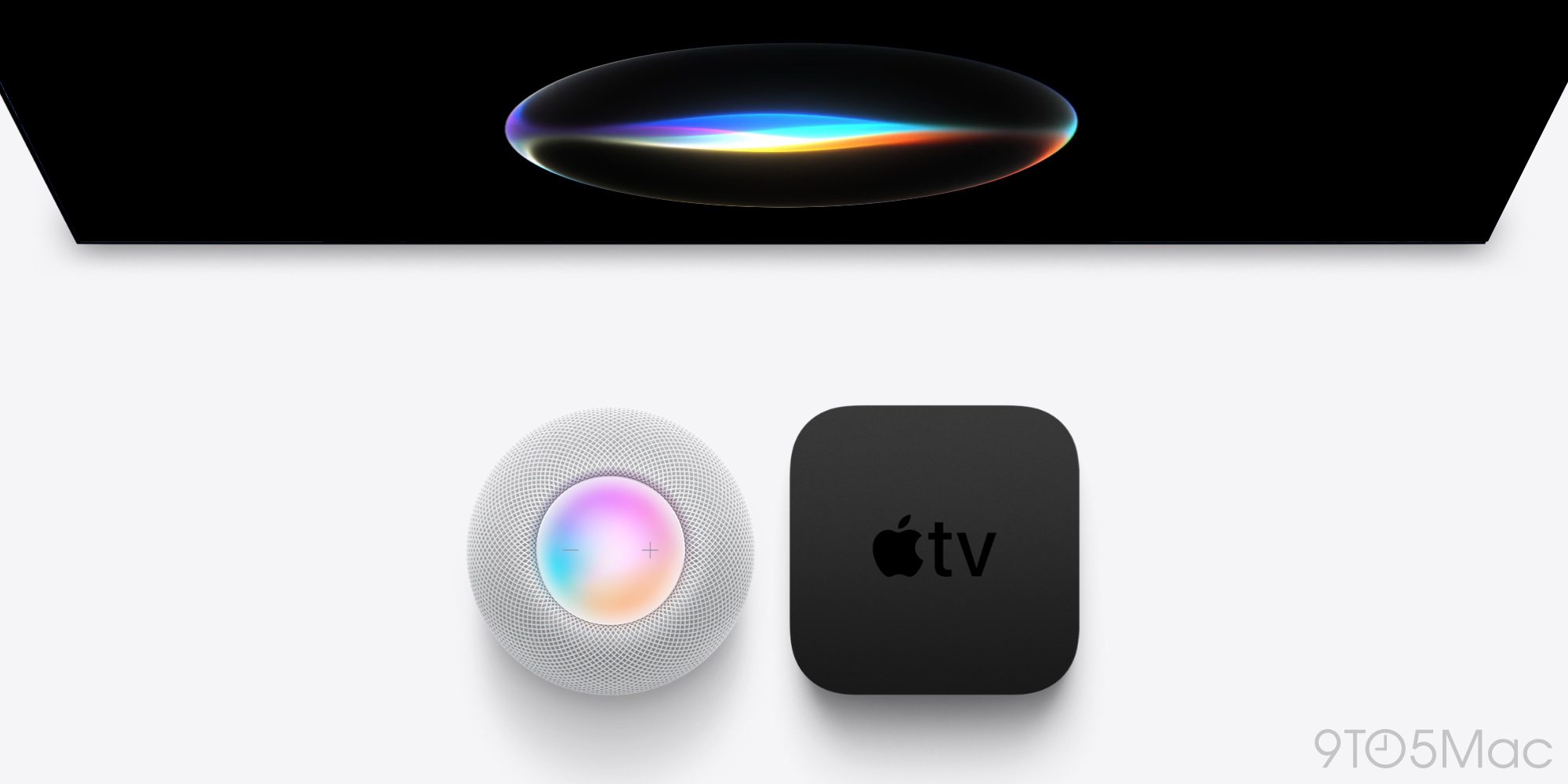
- Integration: Deep ties to Siri, HomeKit, and Apple’s broader ecosystem, including the newly announced Apple TV 4K features.
The timing is strategic. Apple’s “Welcome Home” event follows a series of product refreshes across its lineup, and the Home View launch signals a renewed focus on the smart‑home market—a segment where Apple has traditionally lagged behind competitors like Amazon and Google.
For a deeper look at the event’s broader hardware announcements, see our coverage of the Apple Unveils Home View & New TV 4K at Welcome Home article: https://ltdeveloperblogs.github.io/posts/apple-testing-two-new-features-for-upgraded-apple-tv-4k-per-report .
Technical Architecture and Potential Capabilities
While Apple has kept most specifications under wraps, industry analysts can infer several technical directions based on Apple’s recent silicon strategy and HomeKit evolution.
A‑Series Chipset
Apple is likely to power Home View with a custom A‑series processor, possibly the A18 chip that debuted in the latest iPhone models. An on‑device neural engine would enable faster Siri processing, reducing latency for voice commands and allowing offline operation for core functions such as lighting control or thermostat adjustments.
Spatial Audio and Microphone Array
Given HomePod’s reputation for spatial audio, Home View may retain a multi‑speaker array to act as a hub for synchronized sound across the home. A six‑mic array, similar to the HomePod mini, would provide far‑field voice detection, ensuring reliable command capture even in noisy environments.
Connectivity Suite
- Wi‑Fi 6E for higher throughput and reduced interference.
- Thread support, aligning with the Matter standard that Apple championed at WWDC.
- Bluetooth 5.3 for low‑energy peripheral pairing (e.g., smart locks, sensors).
These radios would allow Home View to serve as the primary Matter border router, simplifying device onboarding for third‑party accessories.
Software Stack
Home View will run a variant of iOS or visionOS, leveraging the same secure enclave architecture that protects HomeKit credentials. Expect a Home app redesign that consolidates scenes, automations, and device status into a single dashboard, with the ability to push OTA updates to connected accessories.
Security and Privacy
Apple’s emphasis on on‑device processing means that voice recordings are likely encrypted and stored locally unless the user opts into cloud analysis. The device will also inherit Apple’s Secure Enclave and DeviceCheck frameworks, providing tamper‑resistant authentication for third‑party accessories.
Positioning Within Apple’s Smart‑Home Portfolio
Home View is not a replacement for the HomePod line but an expansion. The HomePod series continues to focus on high‑fidelity audio, while Home View appears to be a control‑centric hub with optional audio capabilities.
Complementary Use Cases
- Primary speaker: Users can keep a HomePod in the living room for music and use Home View in the hallway as a command center.
- Multi‑room audio: Home View can act as a bridge, synchronizing playback across HomePod speakers via AirPlay 2.
- Automation hub: With Thread and Matter support, Home View could become the default gateway for all smart‑home devices, reducing the need for separate bridges (e.g., Philips Hue Bridge).
Apple’s broader strategy appears to be building a tiered ecosystem: entry‑level devices (HomePod mini), premium audio (HomePod), and a dedicated hub (Home View). This mirrors the approach taken by competitors—Amazon’s Echo line includes Echo Dot, Echo, and Echo Show—but Apple retains its design‑first philosophy.
For context on how Apple integrates hardware across its ecosystem, see the Apple iPad mini 2026 analysis: https://ltdeveloperblogs.github.io/posts/bloomberg-new-ipad-mini-with-oled-display-will-be-significantly-more-expensive-than-current-model .
Market Impact and Competitive Landscape
Apple’s entry into the dedicated smart‑home hub market could shift consumer expectations in several ways.
Differentiation Through Privacy
Apple’s privacy narrative is a strong differentiator. While Amazon and Google monetize voice data, Apple’s on‑device processing model offers a compelling alternative for privacy‑concerned consumers. This could attract a segment of the market that currently avoids voice assistants.
Ecosystem Lock‑In
Home View will deepen the Apple ecosystem lock‑in. Users already invested in iPhone, iPad, Apple Watch, and Apple TV will find added value in a hub that seamlessly integrates with their existing devices. The upcoming Apple TV 4K features, which also support Matter, will likely be synchronized with Home View, creating a unified home‑control experience.
Competitive Response
- Amazon Echo: Continues to dominate with a broad skill set and aggressive pricing. Apple will need to justify a higher price point through design, privacy, and seamless integration.
- Google Nest Hub: Offers a visual interface and strong AI capabilities. Apple may counter with a more refined UI in the Home app and tighter integration with iOS widgets.
Retail and Distribution
Apple’s retail footprint—both physical stores and online—provides a direct channel for Home View, unlike competitors that rely heavily on third‑party retailers. This could accelerate adoption among existing Apple customers.
A look at Apple’s retail strategy can be found in the Apple Store Power: Battery Bank & AirPods Pro 2 Review article: https://ltdeveloperblogs.github.io/posts/apple-planning-huge-iphone-duo-demo-experiences-at-select-retail-stores-report .
Future Outlook and Developer Opportunities
Home View’s launch opens several avenues for developers and accessory manufacturers.
Matter‑First Development
Since Home View will likely act as a Matter border router, developers can design accessories that natively support Matter, bypassing proprietary bridges. Apple’s HomeKit certification will still be required for deep integration, but the barrier to entry is lower.
Siri Shortcuts and Automation
The expanded Siri engine on Home View could enable more complex Siri Shortcuts, allowing users to trigger multi‑device scenes with a single voice command. Developers can expose new intents via the Intents framework, enriching the voice‑first experience.
Integration with VisionOS
If Home View runs a variant of visionOS, there may be opportunities for augmented‑reality overlays on compatible iPhone or Apple Glasses, showing real‑time device status or energy consumption graphs.
Security Considerations
Given Apple’s focus on privacy, developers must adhere to strict data handling guidelines. The Secure Enclave will protect cryptographic keys, and any cloud interaction will require user consent.
Frequently Asked Questions
Q: When will Home View be available for purchase?
A: Bloomberg reports a mid‑November release, following the October 13 announcement.
Q: Will Home View replace the HomePod mini?
A: No. Home View is positioned as a hub with optional audio, while the HomePod mini remains a compact speaker‑first device.
Q: Does Home View support Matter out of the box?
A: While Apple has not confirmed, industry expectations are that Home View will act as a Matter border router, enabling seamless onboarding of compatible accessories.
Q: Can I use Home View without an iPhone?
A: Home View relies on Apple ID authentication, so an iPhone or other Apple device is required for initial setup.
Q: Will there be a visual display on Home View?
A: Current rumors focus on a speaker‑only design; no display has been confirmed.
Apple’s Home View could be the missing piece that finally brings Apple’s smart‑home vision to parity with its rivals. By leveraging its own silicon, privacy‑first software stack, and deep ecosystem integration, Apple is poised to offer a hub that feels both familiar to existing users and compelling to newcomers seeking a secure, unified home experience.
Source: Original Article