
The Hatfield Apple I: A Piece of Computing History
When the original Apple I left Steve Wozniak’s garage in 1976, it was priced at a modest $666.66—a figure that reflected both the nascent state of personal computing and the hobbyist market it targeted. Fast‑forward nearly five decades, and a single surviving unit, affectionately known as the “Hatfield” Apple I, is poised to fetch between $500,000 and $800,000 at a Bonhams auction on October 14, 2024.
The moniker comes from Fred Hatfield, the first private buyer of an Apple I, who purchased his machine in Apple’s inaugural year. The unit’s provenance is immaculate: the motherboard bears Wozniak’s signature, and a 1978 letter signed by Steve Jobs is included in the lot. Such documentation transforms the computer from a mere artifact into a narrative capsule of Apple’s founding drama.
Only about 200 Apple I units were ever assembled, and fewer than 75 survive today. Even fewer are still operational, making the Hatfield unit one of the rarest examples of a fully assembled, working motherboard from the era. Its upcoming public showcase—touring Los Angeles, Boston, San Francisco, and New York—offers enthusiasts a chance to see the machine in action before it disappears into a private collection.
Technical Anatomy of the 1976 Apple I
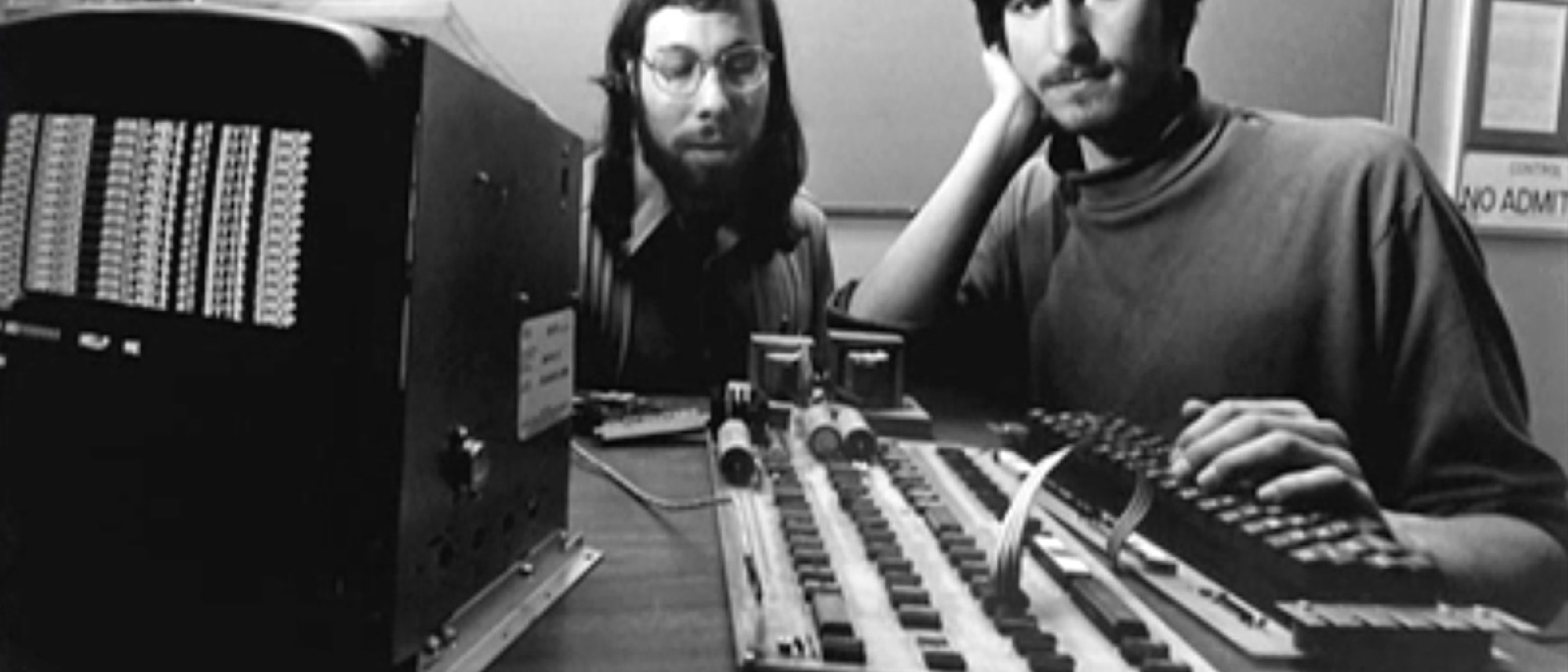
From a hardware perspective, the Apple I was revolutionary for its time, yet primitive by modern standards. Understanding its architecture helps explain why collectors prize it so highly.
- Memory: The base configuration shipped with 4 KB of RAM, expandable via additional chips. This modest amount forced early programmers to write highly efficient code, a stark contrast to today’s gigabyte‑scale memory.
- Motherboard: Unlike many contemporaries that required users to solder components onto a bare board, the Apple I arrived as a fully assembled motherboard. This pre‑assembly was a rarity and contributed to the unit’s operational reliability.
- Video Output: It featured a built‑in video circuit that could drive a television set directly—a forward‑thinking feature that pre‑dated the Apple II’s color graphics.
- External Dependencies: The system required a power supply, keyboard, and monitor—components that were not included. This modularity reflected the hobbyist ethos: users could mix and match peripherals they already owned.
The technical simplicity of the Apple I is part of its charm. It forces a focus on the fundamentals of computing—binary logic, memory addressing, and low‑level I/O—making it a valuable teaching tool for anyone interested in the roots of modern hardware design.
Provenance, Signatures, and the Story Behind the Letter
The Hatfield Apple I’s value is amplified by its documented history. Two signatures anchor it firmly to Apple’s founding narrative:
- Steve Wozniak’s Signature: Wozniak hand‑signed the motherboard, confirming his direct involvement in the machine’s construction. For collectors, a signature from the chief engineer is akin to a composer’s autograph on a first‑edition score.
- Steve Jobs’ 1978 Letter: The lot includes a handwritten letter from Jobs, responding to Hatfield’s complaint about the lack of software for the Apple I. Jobs offered a trade‑in: “send your Apple I (without memory) and $400, and we’ll ship you an Apple II 4K board.” Hatfield declined, later selling the unit for $40,000, a sum he used for “good dinners and nights of music in New Orleans.”
The letter not only provides a glimpse into early Apple customer service but also illustrates the company’s rapid pivot from hobbyist kits to the more consumer‑friendly Apple II. It underscores how quickly the market dynamics shifted—a theme explored in recent coverage of tech‑industry valuations, such as the antitrust case involving Google’s ad exchange ( Judge Rejects DOJ Push to Force Google Sell Ad X
…follow). While the Apple I story is a micro‑cosm of early Silicon Valley hustle, the upcoming auction offers a tangible way for collectors to own a piece of that narrative.
Auction Logistics and What to Expect
Bonhams has listed the Hatfield Apple I under its “Historic Computing” category, assigning it lot number 2024‑07. The catalogue notes that the machine will be sold as‑is, fully operational, and includes the following items:
| Item | Description |
|---|---|
| Apple I motherboard | Fully assembled, Wozniak‑signed, tested to boot |
| Letter from Steve Jobs (1978) | Hand‑written, framed, with provenance documentation |
| Original power supply (optional) | Not included; buyer may source a compatible unit |
| Display & keyboard | Not included; typical for museum‑grade sales |
| Certificate of Authenticity | Issued by the Apple I Registry (Unit #48) |
| Shipping insurance | Up to US $1 million, arranged by Bonhams |
Bidders can participate in‑person at Bonhams’ New York gallery on October 14, 2024, or online via the auction house’s secure portal. A minimum bid of $500,000 has been set, with incremental raises of $25,000. The reserve price is undisclosed but is believed to be near the lower end of the estimate, ensuring the lot will clear the floor.
Pre‑Auction Tour: Seeing the Hatfield Apple I in Action
Before the hammer falls, Bonhams is staging a traveling exhibition that lets enthusiasts interact with the machine. Each stop features a live demonstration where a vintage‑era programmer runs a simple BASIC program and displays a scrolling text demo on a CRT monitor. The schedule is as follows:
| City | Dates | Venue |
|---|---|---|
| Los Angeles | Sep 9 – 11 | The Getty Research Institute |
| Boston | Sep 21 – 23 | MIT Museum |
| San Francisco | Sep 30 – Oct 1 | Computer History Museum |
| New York | Oct 12 – 13 | Bonhams Gallery, 450 W 42nd St |
Tickets are free, but registration is required due to limited capacity. The exhibition also includes a panel discussion with former Apple engineers, vintage‑computing historians, and a representative from the Apple I Registry, offering deeper insight into the machine’s cultural impact.
Market Context: Why Vintage Apple Hardware Is So Valuable
The Apple I’s price trajectory mirrors a broader trend in the collectibles market where historically significant technology commands premium valuations. Several factors drive this:
- Scarcity – With fewer than 75 surviving units and only a handful still functional, supply is extremely limited.
- Provenance – Direct links to Apple’s founders, especially signatures and original documentation, add a “story premium.”
- Cultural Resonance – Apple’s brand has transcended consumer electronics to become a symbol of innovation; owning an early artifact is akin to possessing a piece of that mythos.
- Investor Interest – High‑net‑worth individuals view vintage tech as an alternative asset class, similar to classic cars or fine art, diversifying portfolios with tangible, non‑correlated holdings.
Recent sales reinforce this pattern: a 1977 Apple II sold for $1.2 million in 2022, while a Commodore PET fetched $250,000 in 2023. The Hatfield Apple I sits squarely in the upper tier of this market, and its upcoming auction will likely set a new benchmark for early‑stage personal computers.
The Legacy of the Hatfield Unit
Beyond its monetary value, the Hatfield Apple I embodies a pivotal moment when a garage‑born startup began shaping the future of personal computing. The machine’s fully assembled motherboard demonstrated that a hobbyist kit could be transformed into a ready‑to‑use system, foreshadowing the user‑friendly design philosophy that would later define Apple’s products.
Moreover, the inclusion of Jobs’s 1978 letter provides a rare, human glimpse into Apple’s early customer‑service mindset—an era when the company was still figuring out how to support a fledgling user base. The letter’s trade‑in offer, though ultimately declined, illustrates Apple’s rapid pivot toward the more marketable Apple II, a move that would catapult the company into mainstream success.
Collecting this unit is therefore not just about owning a piece of hardware; it is about preserving a narrative that continues to influence modern technology culture.
Conclusion
The Hatfield Apple I’s journey—from a modest $666.66 garage sale to a potential half‑million‑dollar auction block—captures the extraordinary arc of Apple’s evolution and the broader tech‑collectibles market. Whether you are a seasoned collector, a historian, or simply a fan of Apple’s origin story, the upcoming Bonhams auction offers a rare opportunity to acquire a tangible fragment of computing history.
If you cannot attend the live auction, consider watching the pre‑auction tour at one of the four cities or following Bonhams’ live‑stream coverage. Either way, the Hatfield Apple I will continue to inspire curiosity about the humble beginnings of an industry that now defines modern life.
FAQ
Q: Is the Apple I fully functional out of the box?
A: Yes. The motherboard has been tested and boots a simple monitor program. However, it requires external peripherals (power supply, keyboard, monitor) which are not included.
Q: Can I purchase the machine after the auction if I’m not the winning bidder?
A: Bonhams may offer a “buy‑it‑now” option for qualified collectors within 30 days of the sale, subject to the seller’s agreement.
Q: How does the Apple I Registry verify authenticity?
A: The Registry cross‑references serial numbers, board markings, and provenance documents (including the Wozniak signature and Jobs letter) to assign a unique identifier—this unit is listed as #48.
Q: What is the expected resale value after the auction?
A: While market conditions can fluctuate, historically Apple I units have appreciated 10‑15 % annually since the early 2000s, suggesting a strong likelihood of continued value growth.
Q: Are there any legal restrictions on exporting the Apple I?
A: The machine is not subject to export controls, but buyers should verify local regulations regarding the import of vintage electronics, especially concerning hazardous materials like leaded solder.
Q: How can I learn more about early Apple hardware?
A: The Apple I Registry website, the Computer History Museum, and the book “Apple: The Inside Story of Intrigue, Innovation, and the Rise of the World’s Most Valuable Company” are excellent resources.
Source: Original Article