





The intersection of dermatology and consumer electronics has reached a fever pitch with the proliferation of at-home Light Emitting Diode (LED) devices. No longer confined to clinical settings, red-light therapy (RLT) has transitioned into a household staple. However, the market is saturated with varying claims, from “medical grade” to “cosmetic glow.” To separate the signal from the noise, a comprehensive investigation involving 22 devices over 6–12 week periods—backed by board-certified dermatologists and skin scans—provides a technical roadmap for consumers.
The Science of Photobiomodulation
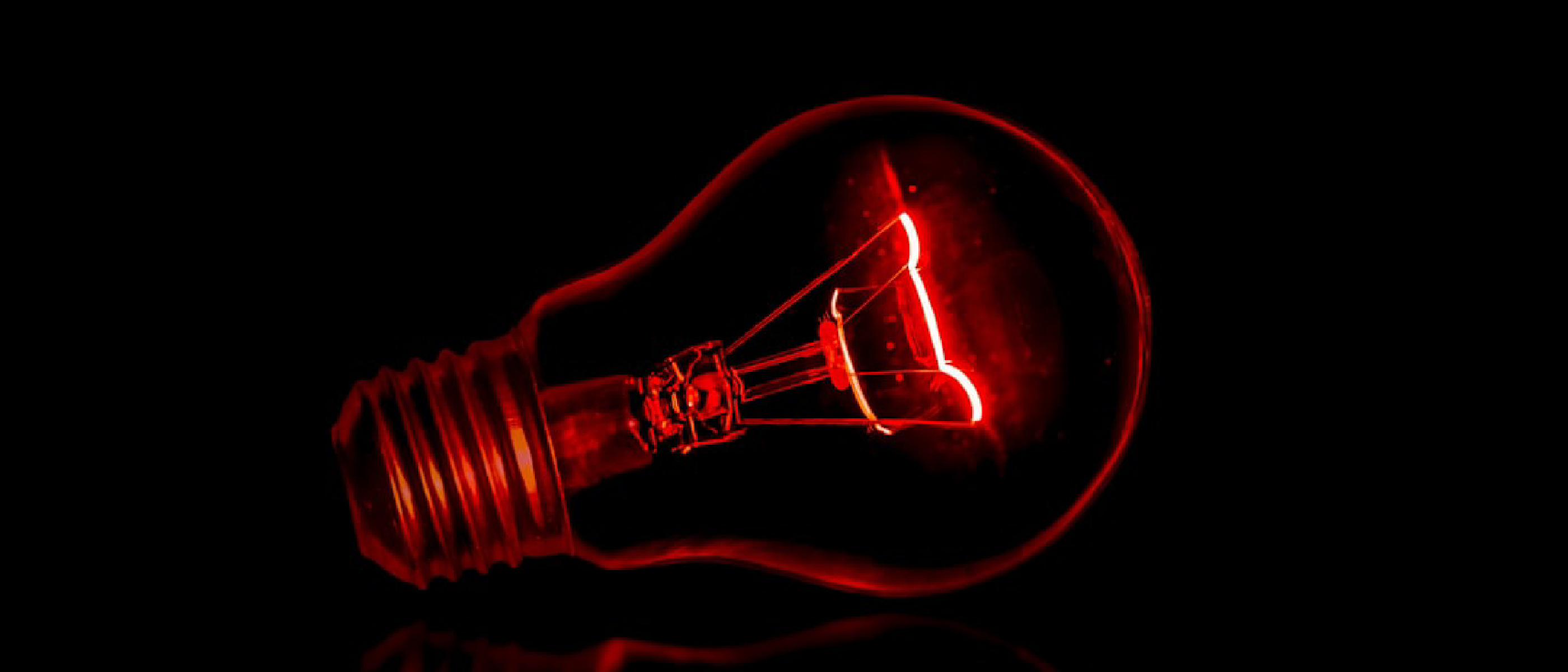
At its core, LED therapy relies on photobiomodulation. This process involves using specific wavelengths of light to trigger a biological response within the skin cells. Red light (typically 630–830 nm) penetrates deeper into the dermis to stimulate collagen production and reduce inflammation. Near-infrared (NIR) light goes even deeper, targeting cellular repair and mitochondrial function.
The efficacy of these devices is not merely about the color of the light, but the irradiance (power output) and the specific nanometer (nm) wavelength. As experts note, “You can’t get the same effect with just any red LED from the hardware store.” The precision of the wavelength determines whether the light is absorbed by the skin or simply reflected, which is why technical specifications are the only reliable metric for judging a device’s potential.
Technical Breakdown of Top-Performing Devices
The current landscape is divided between hard-shell masks, flexible silicone interfaces, and targeted handheld wands. Each offers a different trade-off between power, comfort, and versatility.
The Powerhouses: Hard-Shell Masks
The Shark Cryo Glow LED Face Mask ($350) stands out as a versatile overall winner. Its technical edge lies in its multi-modal approach, combining blue light (415 nm) for blemish repair with red and infrared LEDs for aging. A unique hardware addition is the integrated cryotherapy under-eye pads, which address puffiness through temperature contrast—a feature rarely seen in LED-only devices.
Conversely, the Dr. Dennis Gross DRx Spectra Lite Face Ware Pro ($455) prioritizes efficiency. With 3-minute automatic sessions and high irradiance, it is designed for the “power user” who lacks the time for 20-minute routines. While its hard-shell design can feel bulky—described by some as feeling like a “rose-gold Optimus Prime”—the battery life and output consistency are superior.
The Comfort Leaders: Silicone and Soft Masks
For those prioritizing skin contact and stability, the Current Body LED Face Mask Series 2 ($470) is the gold standard. Utilizing a flexible silicone design with 236 LEDs, it offers deep penetration via near-infrared (830 nm) and deep near-infrared (1,072 nm) wavelengths. This flexibility ensures the LEDs remain closer to the skin, reducing light leakage and increasing the effective dose.
The Higher Dose Red Light Therapy Face Mask ($349) also emphasizes comfort with a soft mask and a three-layer strap system, though users should be aware of reports regarding fragile wiring.
Targeted and Budget Solutions
Handheld devices like the Lightstim for Wrinkles ($249) offer a different utility. By using a “shower head” design with 72 LEDs, it allows users to treat the neck, chest, and specific muscle areas that masks cannot reach. While it requires more time (20 minutes for a full face), its versatility is unmatched.
For those entering the space on a budget, the Skin Gym Wrinklit Heart LED Mask ($99) provides an accessible entry point. When paired with retinol, it has shown efficacy in treating “11 lines” (glabellar lines), though its plastic-lined eye holes can occasionally blur vision.
Industry Impact and the “Looksmaxxing” Trend
The surge in LED adoption is closely tied to the broader cultural shift toward “looksmaxxing”—the pursuit of maximizing one’s physical appearance through a combination of fitness, grooming, and technology. This trend mirrors the obsession with optimization seen in other niches, such as the legacy of Zyzz: The Rise, Tragedy, and Legacy of a Fitness Icon , where the focus shifted from general health to aesthetic perfection.
As consumers move toward high-tech skincare, the industry is seeing a convergence of modalities. The Laduora Lumeo Skin Lift 4D is a prime example, combining red light and infrared with microcurrent stimulation to provide a comprehensive lifting and glowing effect in one kit.
Future Outlook and Pipeline Analysis
The next generation of LED devices is moving toward higher price points and more specialized wavelengths. Upcoming tests on the Foreo Sweden FAQ 202 ($799) suggest a move toward “luxury medical” grade hardware, while the Omnilux Clear ($395) continues to challenge the mid-range market.
We expect to see more integration of AI-driven session tracking and personalized wavelength adjustments based on real-time skin scans. As the hardware evolves, the focus will likely shift from “more LEDs” to “smarter delivery,” ensuring that the irradiance is optimized for the user’s specific skin type and concerns.
FAQ: Red Light Therapy Essentials
Q: How often should I use these devices? A: Most devices, such as the Shark Cryo Glow or Current Body, recommend sessions ranging from 4 to 20 minutes, depending on the program (maintenance vs. repair).
Q: Can I use LED masks with other skincare products? A: Yes, though caution is advised. Some users find that pairing the Skin Gym mask with retinol enhances results for fine lines, but you should always consult a dermatologist to avoid over-stimulating the skin.
Q: What is the difference between Red and Near-Infrared light? A: Red light (approx. 630 nm) is primarily for surface-level texture and redness. Near-Infrared (830 nm+) penetrates deeper into the tissue to support collagen and cellular energy.
Q: Are there any side effects? A: While generally safe, some users of the Therabody Thera Face Mask Glo reported headaches due to the vibration placement in the straps. Others with oily skin reported breakouts with the Skin Gym mask due to trapped humidity.
Source: Original Article