






Overview: A Classic Facade for a Modern Powertrain
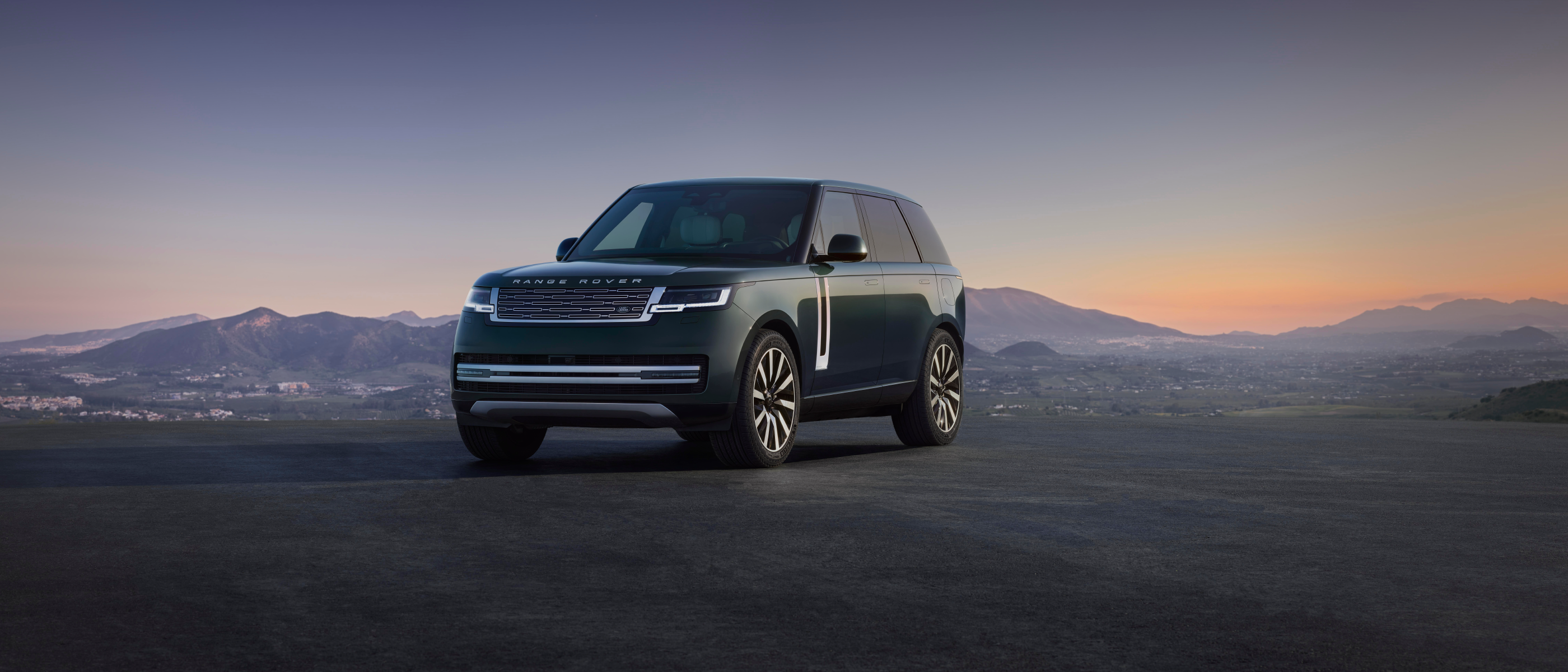
When Land Rover unveiled the first images of its all‑electric Range Rover, the reaction was immediate: “I think automakers are finally getting the memo,” one analyst remarked, noting the brand’s decision to forgo the futuristic, pod‑like styling that has become common among new EVs. Instead, the vehicle looks almost indistinguishable from its gasoline‑powered siblings. The design team deliberately avoided “trying to pass off some sleek, spaceship‑looking pod as a Range Rover,” preserving the heritage that loyal customers expect while slipping a cutting‑edge electric drivetrain under the familiar skin.
The result is a full‑size luxury SUV that retains the iconic silhouette, high‑ground‑clearance stance, and premium interior appointments of the traditional Range Rover, but is powered by twin permanent‑magnet electric motors, a double‑stacked 118.5 kWh lithium‑ion battery, and an all‑wheel‑drive system capable of delivering 330 miles of real‑world range.
Technical Breakdown
Powertrain Architecture
- Twin permanent‑magnet motors – Each motor is rated at 260 kW (approximately 350 hp). The dual‑motor layout provides instantaneous torque to both the front and rear axles, ensuring seamless torque vectoring and superior off‑road capability.
- All‑wheel‑drive system – The motors are integrated with a sophisticated torque‑distribution unit that can dynamically allocate power between the front and rear wheels, preserving the Range Rover’s legendary traction on loose surfaces.
Battery Pack
- Double‑stacked lithium‑ion configuration – The 118.5 kWh pack is arranged in two vertical stacks, a design that maximizes energy density while fitting within the vehicle’s floorpan. This layout also improves thermal management, allowing the battery to maintain optimal operating temperatures during high‑performance driving or rapid charging.
- Estimated real‑world range – 330 miles per charge under mixed‑city/highway conditions, a figure that places the Range Rover Electric comfortably within the range expectations of luxury SUV buyers.
Charging and Energy Management
Land Rover has confirmed support for DC fast charging up to 250 kW, enabling an 80 % charge in roughly 30 minutes on compatible stations. On‑board energy‑recovery systems, including regenerative braking and a heat‑pump climate control unit, further extend the usable range by recapturing kinetic and thermal energy that would otherwise be wasted.
Interior and Infotainment
While the exterior remains faithful to the classic design language, the cabin receives a modern overhaul: a fully digital instrument cluster, a large central touchscreen powered by the latest version of Land Rover’s infotainment OS, and over‑the‑air (OTA) software updates that keep the vehicle’s firmware current without dealer visits.
Why It Matters: Bridging Heritage and Electrification
Preserving Brand Identity
Luxury marques often face a paradox when transitioning to electric powertrains: the need to signal technological progress while protecting the visual cues that define the brand. By keeping the Range Rover’s recognizable shape, Land Rover sidesteps the risk of alienating its core clientele, many of whom associate the vehicle’s silhouette with status, capability, and a storied heritage.
Consumer Acceptance
A major barrier to EV adoption in the premium segment is range anxiety and unfamiliar styling. The 330‑mile range directly addresses the former, while the familiar exterior eases the psychological transition for buyers who might otherwise feel they are abandoning a beloved design. This approach could accelerate EV uptake among traditional SUV enthusiasts.
Competitive Positioning
Competitors such as Tesla, Rivian, and Mercedes‑EQ have all embraced bold, futuristic aesthetics. Land Rover’s decision to stay grounded differentiates the Range Rover Electric in a crowded market, positioning it as the “luxury off‑roader that looks like a Range Rover, but drives like a future‑ready machine.” The strategy may force rivals to reconsider whether avant‑garde styling is always the optimal path for premium buyers.
Industry Impact
Signals a Shift in Design Philosophy
The Verge’s coverage of the launch highlights a broader industry trend: manufacturers are listening to consumer feedback that “they didn’t try to pass off some sleek, spaceship‑looking pod as a Range Rover.” This sentiment echoes across other sectors where legacy brands are integrating new technology without abandoning their visual DNA.
Business Implications
The move mirrors strategic pivots seen in other tech companies. For instance, Uber’s workforce reduction article illustrates how large organizations recalibrate resources to focus on core competencies—in Uber’s case, optimizing operational efficiency, and for Land Rover, concentrating R&D on electrification while preserving brand equity.
Security and Software Considerations
As EVs become more software‑centric, cybersecurity becomes paramount. The Zoom zero‑day exploit story underscores the risks of remote attacks on connected devices. Range Rover’s OTA update capability must be paired with robust encryption and intrusion‑detection mechanisms to protect vehicle control systems from similar threats.
Legal and Regulatory Landscape
The OpenAI lawsuits piece reminds us that emerging technologies can quickly become entangled in legal disputes. While not directly related to automotive hardware, the case highlights the importance of proactive compliance and liability management as new EV platforms navigate evolving emissions standards, safety regulations, and data‑privacy laws.
Future Outlook
Platform Scalability
Land Rover’s double‑stacked battery architecture suggests a modular approach that could be adapted across its lineup, from the smaller Discovery Sport to the flagship Range Rover SV. Sharing a common electric platform reduces development costs and accelerates the rollout of additional EV models.
Integration with Renewable Energy
The 118.5 kWh pack is large enough to serve as a vehicle‑to‑grid (V2G) asset, allowing owners to feed stored electricity back into the grid during peak demand. While Land Rover has not announced V2G support, the battery capacity positions the Range Rover Electric as a potential participant in future smart‑grid ecosystems.
Autonomous Driving Prospects
The vehicle’s sensor suite, already equipped for advanced driver‑assistance systems (ADAS), could be leveraged for higher levels of autonomy as regulatory frameworks evolve. OTA updates will be crucial for rolling out new perception algorithms and safety features without requiring physical retrofits.
Market Timing
Although pricing and launch dates remain undisclosed, the timing aligns with a global push toward zero‑emission vehicles. By delivering a range‑competitive, heritage‑respecting SUV, Land Rover is poised to capture a segment of buyers who have been waiting for a luxury electric off‑roader that feels familiar.
Frequently Asked Questions
Q1: How does the Range Rover Electric’s range compare to other luxury EV SUVs?
A: With an estimated 330 miles per charge, it sits near the top of the range spectrum, outperforming many rivals such as the Audi e‑tron (up to 260 miles) and matching the Tesla Model X Long Range (around 340 miles).
Q2: Will the interior differ significantly from the gasoline model?
A: The cabin retains the premium materials and layout of the traditional Range Rover but adds a fully digital instrument cluster, larger infotainment screen, and OTA update capability.
Q3: What charging infrastructure is required for the 250 kW fast‑charge capability?
A: Owners will need access to DC fast‑charging stations that support CCS (Combined Charging System) at 250 kW or higher. Many European and North American networks are already rolling out such stations.
Q4: Is the vehicle’s software open to third‑party developers?
A: Land Rover has not announced an open‑developer platform yet, but the company’s history of integrating third‑party apps suggests future possibilities for ecosystem expansion.
**Q5: How does the all‑
Q5: How does the all‑wheel‑drive system manage power distribution between the front and rear axles?
A: The dual‑motor setup is coupled with an advanced torque‑vectoring unit that continuously monitors wheel slip, steering angle, and driver inputs. Using high‑speed electronics, it can shift torque in fractions of a second, sending up to 100 % of power to either axle when needed. This ensures optimal traction on slippery surfaces, steep inclines, and during spirited driving, while also improving efficiency by disengaging the front motor during steady‑state cruising.
Q6: What warranty coverage does Land Rover offer for the battery and drivetrain?
A: While official figures have not yet been released, Land Rover historically provides an 8‑year/100,000‑mile warranty on its powertrain components for hybrid models. Industry analysts expect a similar or slightly extended warranty for the Range Rover Electric’s battery pack, likely covering capacity loss below 70 % of the original rating within that period.
Q7: Will the Range Rover Electric support over‑the‑air (OTA) updates for performance tuning?
A: Yes. The vehicle’s central control unit is designed for OTA delivery of software enhancements, ranging from infotainment upgrades to refinements in motor control algorithms and battery management. Land Rover has emphasized a “continuous improvement” philosophy, meaning owners can expect periodic performance boosts and new features without visiting a service centre.
Q8: Is there a plan for a dedicated charging network or partnerships?
A: Land Rover has hinted at collaborations with existing high‑power charging providers such as Ionity in Europe and Electrify America in the United States. Additionally, the company is exploring the integration of its own “RoverCharge” stations at select dealerships and flagship locations, offering 250 kW DC fast‑charging and complimentary charging for early adopters.
Conclusion
Land Rover’s decision to cloak its first fully electric flagship in the familiar Range Rover silhouette marks a pivotal moment for the luxury SUV segment. By marrying a heritage‑rich exterior with a state‑of‑the‑art electric powertrain—twin 260 kW permanent‑magnet motors, a 118.5 kWh double‑stacked battery, and a 330‑mile real‑world range— the brand demonstrates that electrification need not come at the expense of identity.
The strategy addresses two of the most stubborn hurdles to EV adoption among premium buyers: range anxiety and brand loyalty. It also forces competitors to reconsider whether radical, futuristic styling is the only path to market differentiation. As the industry moves toward greater software reliance, modular platforms, and potential vehicle‑to‑grid integration, the Range Rover Electric positions itself as both a technological showcase and a bridge for traditional customers stepping into the electric era.
If Land Rover can deliver on its promised performance, charging speed, and long‑term reliability, the Range Rover Electric could become the benchmark for legacy automakers navigating the transition to zero‑emission mobility—proving that you can indeed have a spaceship under the hood without needing a spaceship on the outside.
Source: Original Article