


Apple’s Sticky Innovation: A Closer Look at the Adhesive iPhone Case
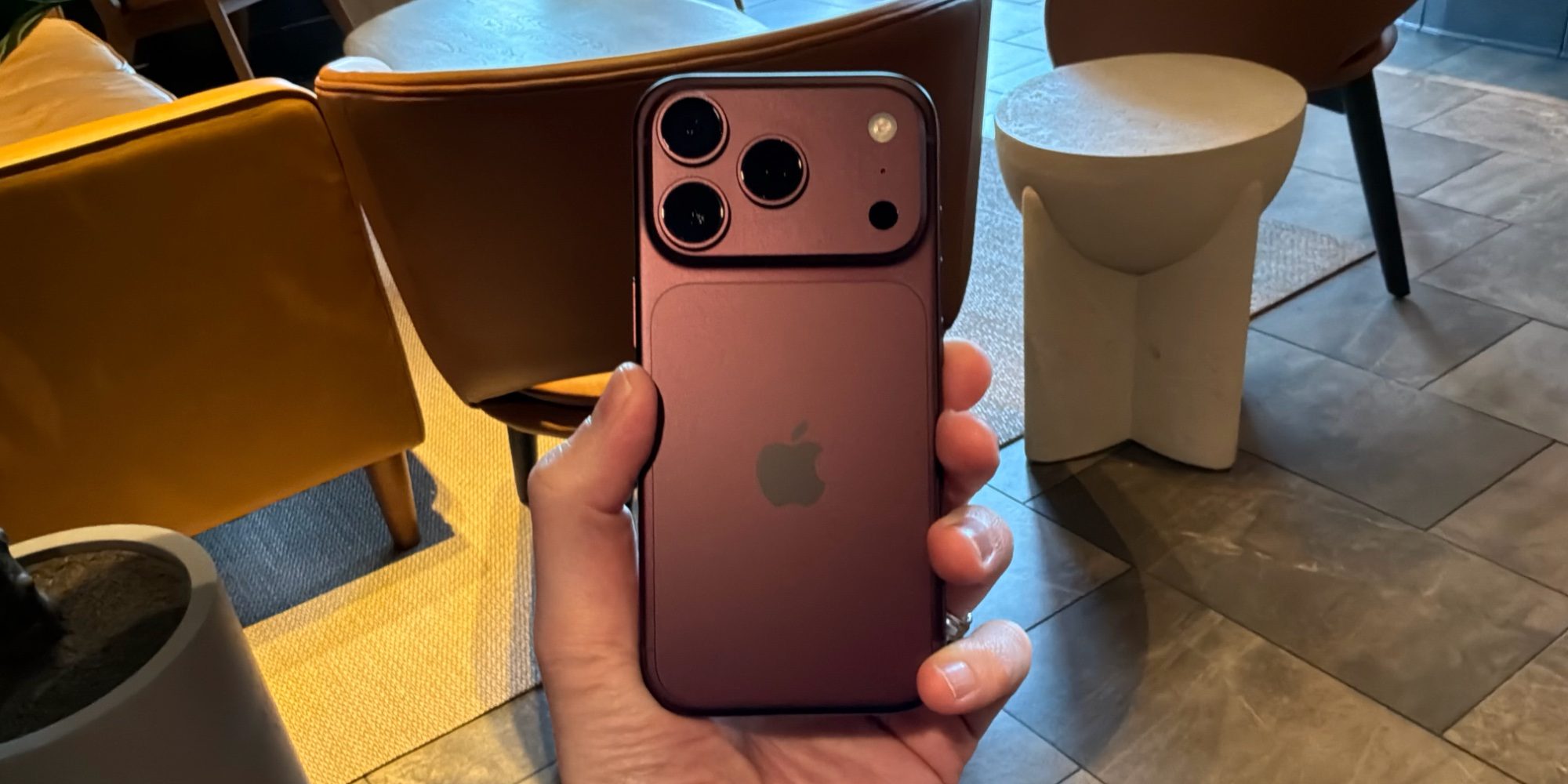
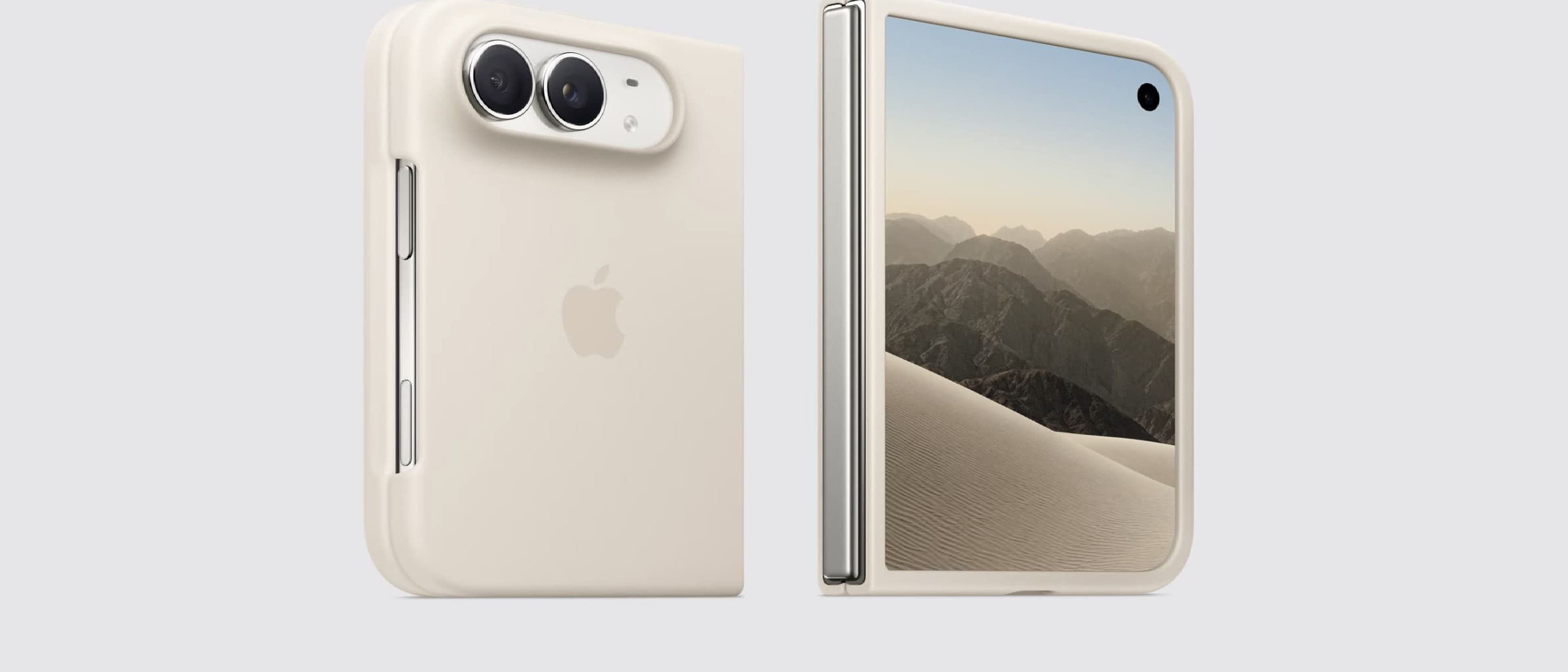
Apple’s latest accessory announcement has sparked curiosity and concern among iPhone users. According to 9to5Mac reporter Michael Burkhardt, the upcoming official silicone iPhone Duo case will require adhesive to stick to the device. This departure from traditional snap-on cases raises questions about Apple’s design choices and the potential impact on user experience.
Why the Adhesive Approach?
While Apple hasn’t provided official reasoning, we can speculate on the potential benefits of an adhesive-based case design:
Slimmer Profile: Adhesive could allow for a thinner case, maintaining the iPhone’s sleek aesthetics without adding bulk.
Improved Grip: A securely adhered case might offer a more confident grip, reducing the risk of accidental drops.
Enhanced Protection: Adhesive could potentially provide better protection against impacts by distributing force more evenly across the device.
Wireless Charging Compatibility: A well-designed adhesive case could ensure uninterrupted wireless charging functionality.
However, these potential advantages come with significant considerations.
Potential Drawbacks and User Concerns
The adhesive requirement raises several concerns for iPhone users:
- Removal Difficulty: Removing an adhesive case without damaging the iPhone’s finish or leaving residue could be challenging.
- Reusability: Traditional cases can be easily removed and reapplied. Adhesive cases may not offer the same level of flexibility.
- Long-Term Adhesion: Will the adhesive maintain its strength over time, especially with exposure to heat, dust, and everyday wear and tear?
- Repairability: Adhesive cases could complicate repairs, potentially requiring professional removal if access to internal components is needed.
Industry Trends and Alternatives
Apple isn’t the first company to experiment with adhesive cases. Some third-party manufacturers have offered adhesive-backed cases for years, often targeting users seeking maximum protection or a minimalist aesthetic. However, these cases often come with the same drawbacks mentioned above. Related Reading: For a deeper dive into mobile accessories and their impact on user experience, check out our article on Power on the Go: Battery Bank & AirPods Pro 2 Deep Dive .
The Future of iPhone Cases: Balancing Form and Function
Apple’s adhesive case experiment highlights the ongoing tension between design aesthetics, functionality, and user experience. While adhesive technology offers potential benefits, it also presents challenges that need to be carefully addressed.
FAQ
Q: When will the adhesive iPhone Duo case be released?
A: Apple hasn’t announced a release date yet.
Q: Will the adhesive damage my iPhone?
A: It’s too early to say for sure. Apple will likely provide instructions for proper application and removal to minimize the risk of damage. Q: Are there any alternatives to adhesive cases?
A: Yes, traditional snap-on cases remain widely available from Apple and third-party manufacturers.
Q: Will the adhesive case work with wireless charging?
A: Apple will likely confirm wireless charging compatibility closer to the case’s release.
Conclusion
Apple’s adhesive iPhone Duo case represents a bold design choice that could redefine the smartphone case market. While it offers potential advantages in terms of slimness and protection, the drawbacks related to removal, reusability, and repairability cannot be ignored. As we await further details from Apple, users should carefully consider their priorities before embracing this sticky innovation.
Source: Original Article