



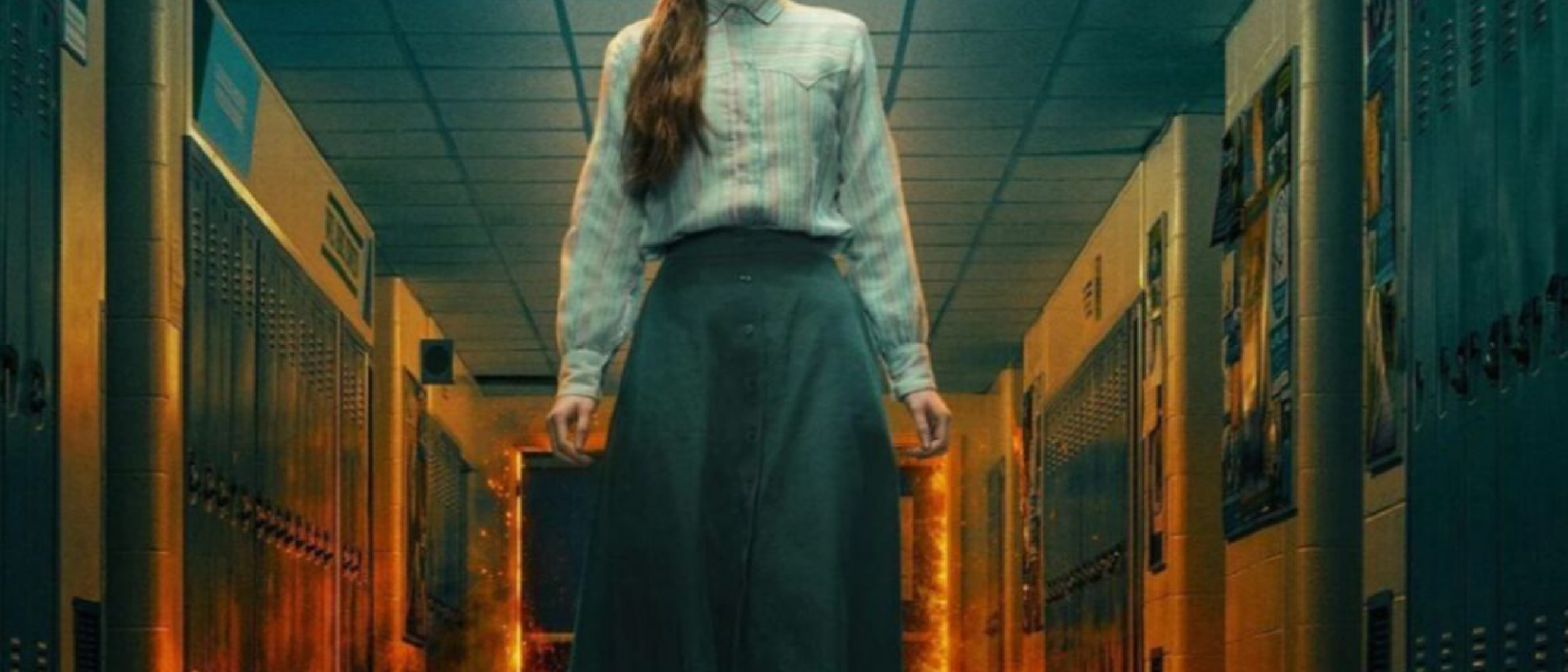
Background: The Original Carrie Legacy
When Brian De Palma unleashed Carrie in 1976, the film did more than introduce a telekinetic teenager—it set a template for horror cinema that still informs the genre today. De Palma’s use of practical effects, tight pacing, and a climactic prom scene created a cultural touchstone that critics still reference when evaluating new adaptations.
The novel itself, written half a century ago, reflects a different social landscape: a small‑town high school, a deeply religious upbringing, and a world where bullying is largely physical. Modern audiences, however, consume media through streaming platforms that demand binge‑worthy storytelling, often in limited‑run series rather than two‑hour films. This shift creates both an opportunity and a risk for any new Carrie project.
“Carrie was written half a century ago,” Flanagan said at San Diego Comic‑Con earlier this year.
Flanagan’s acknowledgment of the novel’s age underscores a central tension: how to honor a story that feels dated while delivering a narrative that resonates with today’s viewers.
Mike Flanagan’s Horror Pedigree and King Influence
Mike Flanagan has become synonymous with the modern horror renaissance on streaming services. His work on Netflix’s The Haunting of Hill House and Midnight Mass demonstrated an ability to blend psychological dread with character‑driven drama. Moreover, Flanagan’s long‑standing admiration for Stephen King’s oeuvre informs his storytelling philosophy: horror should be rooted in human emotion, not just jump scares.
Flanagan’s quote at Comic‑Con reveals his reverence for De Palma’s film:
“Carrie was adapted spectacularly by Brian De Palma. It is iconic. It is untouchable. There is no reason whatsoever to try to follow in those footsteps and to try to walk on that path. However, the world has changed quite a lot. I think a lot of people think they know what the show is. And the biggest thing I’m excited about today is just knowing what a big surprise our Carrie is going to be.”
By positioning himself as a steward rather than a copycat, Flanagan signals that the upcoming miniseries will diverge dramatically from the 1976 blueprint. His track record suggests a willingness to experiment with structure—evident in the six‑episode format, which allows for deeper character arcs without the constraints of a feature‑length runtime.
What the Reboot Promises: Narrative Shifts and Surprises
A Six‑Episode Canvas
A six‑episode series provides roughly 45–60 minutes per installment, granting writers room to explore subplots that were impossible in the original film. Potential avenues include:
- Expanded backstory for Carrie’s mother (Margaret White), exploring her own trauma and how it shapes her fanaticism.
- A modern take on bullying, incorporating cyber‑harassment, social media pressure, and the role of algorithms in amplifying cruelty.
- A deeper look at the high school ecosystem, perhaps introducing a subplot about a teacher grappling with institutional failure.
These expansions could transform Carrie from a singular revenge tale into a multi‑layered critique of contemporary power dynamics.
The “Big Surprise”
Flanagan refuses to reveal specifics, but the phrasing suggests a structural twist—perhaps a non‑linear narrative, an alternate timeline, or even a genre blend that incorporates sci‑fi elements. The surprise could also be tonal: shifting from pure horror to a more tragic, almost mythic, storytelling mode.
Technical Enhancements
Modern VFX pipelines enable telekinetic powers to be rendered with a realism that 1970s practical effects could only hint at. Coupled with high‑dynamic‑range (HDR) imaging, the series can deliver visceral, immersive moments that feel both intimate and spectacular.
Technical and Production Considerations for a Six‑Episode Format
Production Workflow
- Pre‑visualization (Previs): Flanagan’s team likely employs advanced previs tools to map out the complex telekinetic sequences, ensuring continuity across episodes.
- Virtual Production: Using LED walls and real‑time rendering (similar to the technology popularized by The Mandalorian), the series can shoot interior scenes with dynamic backgrounds, reducing location costs.
- Post‑Production Pipeline: A hybrid workflow that blends practical effects (e.g., blood rigs) with CGI allows for a tactile feel while maintaining visual fidelity.
Streaming Infrastructure
Prime Video’s global delivery network must handle the bandwidth demands of HDR and 4K streams. For viewers in regions with limited connectivity, adaptive bitrate streaming ensures a smooth experience. Interestingly, the same satellite‑based internet solutions that power remote streaming—like the Starlink Mini Home Use: Costs, Speed & What’s Next —could become essential for fans wanting to binge the series without buffering.
Device Compatibility
Modern smartphones increasingly rely on USB‑C for both power and high‑speed data transfer. The USB‑C on Your Phone: More Than Just Charging and Data article explains how USB‑C can support external displays and high‑resolution video output, meaning viewers can watch the series on larger screens without sacrificing quality.
AI‑Driven Recommendation
Prime Video’s recommendation engine, powered by machine‑learning models, will likely prioritize the series for horror‑enthusiast segments. The Anthropic Researcher Quits, Warns AI Could Kill Us piece touches on the broader conversation about AI safety; while not directly related, it underscores the importance of responsible AI use in content curation—ensuring that a surprise‑laden series like Flanagan’s reaches the right audience without over‑exposure.
Bullet‑Point Summary of Technical Highlights
Hybrid VFX: Practical blood rigs
Virtual Production: LED‑wall stages and real‑time rendering will allow the crew to capture dynamic, in‑camera lighting for telekinetic scenes, cutting down on post‑production time while preserving an organic look.
HDR & Color Grading: A dedicated color‑grading suite will push the series’ palette into the deep reds and stark whites that echo the original’s iconic blood‑splatter moments, but with the nuance of modern HDR displays.
Adaptive Bitrate Streaming: Prime Video’s CDN will automatically adjust stream quality based on user bandwidth, ensuring that viewers on slower connections still receive a smooth, uninterrupted experience.
Audio Immersion: Dolby Atmos mixing will place the audience in the middle of the chaos—whether it’s the whisper of a locker door or the roar of a telekinetic blast—enhancing the visceral impact of each episode.
Casting and Creative Team
Flanagan has assembled a diverse ensemble that blends fresh faces with seasoned talent. While the studio has kept most casting decisions under wraps, rumors suggest that a rising star will portray Carrie White, bringing a blend of vulnerability and fierce determination. Veteran character actors are slated for the roles of Margaret White and Sue Snell, promising performances that can navigate the heightened emotional stakes Flanagan intends to explore.
Behind the camera, the series benefits from a crew that has already proven its mettle on high‑profile streaming projects:
| Role | Notable Past Credits |
|---|---|
| Showrunner / Writer | The Haunting of Bly Manor, Midnight Mass |
| Director of Photography | The Haunting of Hill House (Neil Brown) |
| Production Designer | The Witch (Patrice Vermette) |
| VFX Supervisor | The Midnight Sky (Paul Franklin) |
This combination of horror‑savvy storytellers and technically proficient artisans positions the reboot to deliver both narrative depth and visual spectacle.
Potential Risks and Audience Reception
Fan Expectations
The original Carrie holds a near‑mythic status among horror aficionados. Any deviation—especially a “big surprise” that could subvert the familiar climax—risks alienating purists. However, Flanagan’s track record of re‑imagining classic horror tropes (e.g., the gender‑reversed The Haunting of Hill House) suggests he can balance reverence with innovation.
Narrative Pacing
A six‑episode arc offers room for expansion, yet it also demands tight pacing to avoid filler. If the series leans too heavily into subplots, the central revenge arc could lose momentum. Early test screenings and iterative script revisions will be crucial to maintain tension across the season.
Streaming Competition
Prime Video is currently competing with Netflix, Disney+, and HBO Max for horror viewership. The series must not only stand out visually but also generate buzz on social platforms. Flanagan’s Comic‑Con tease, combined with strategic trailer drops and behind‑the‑scenes content, will be essential for carving out a niche in a crowded release calendar.
Anticipated Release Window
While Prime Video has not announced an exact premiere date, production schedules for a six‑episode series of this scope typically target a Q1 2027 launch, aligning with the platform’s spring‑time content push. This timing would also give the series a clear runway before the summer blockbuster season, allowing horror fans to binge the show without competing against major theatrical releases.
Conclusion
Mike Flanagan’s Carrie reboot promises to be more than a simple retelling; it aims to reinterpret a cultural touchstone through the lens of contemporary anxieties—social media bullying, mental‑health stigma, and the ever‑evolving definition of horror itself. By leveraging a six‑episode format, cutting‑edge production techniques, and a creative team steeped in streaming‑era storytelling, the series is poised to deliver both the emotional punch of the original and the narrative ambition that modern audiences crave.
Whether the “big surprise” will land as a masterstroke or a misstep remains to be seen, but Flanagan’s willingness to challenge the untouchable legacy of De Palma’s film signals a bold creative gamble—one that could redefine how classic horror properties are adapted for the binge‑watch generation.
FAQ
Q: Is this a direct adaptation of Stephen King’s novel?
A: No. Flanagan has explicitly stated that the series will not be a straightforward retelling of the 1974 novel or the 1976 film. Expect new characters, expanded backstories, and thematic updates.
Q: How many episodes will the series have, and what is the runtime?
A: The miniseries consists of six episodes, each running approximately 45–60 minutes.
Q: Will the original 1976 film’s iconic prom scene appear?
A: While the prom remains a pivotal moment in the Carrie mythos, Flanagan has hinted at re‑imagining key set‑pieces. The scene may be present but presented with a fresh visual and narrative twist.
Q: Who is playing Carrie White?
A: The studio has kept casting details confidential. Industry sources suggest a breakout actress known for strong dramatic performances will take the role.
Q: When can viewers expect the series to debut on Prime Video?
A: Production timelines point toward a early‑2027 release, though an exact date has not been confirmed.
Q: Will there be any tie‑in merchandise or companion content?
A – Yes. Prime Video typically rolls out limited‑edition posters, a behind‑the‑scenes documentary, and a podcast series exploring the making of the show.
Q: Is the series suitable for younger viewers?
A: The reboot retains the novel’s mature themes—bullying, religious fanaticism, and graphic violence—so it is intended for mature audiences (TV‑MA rating recommended).
Source: Original Article