




The Grand Reveal at OpenAI Dev Day 2026
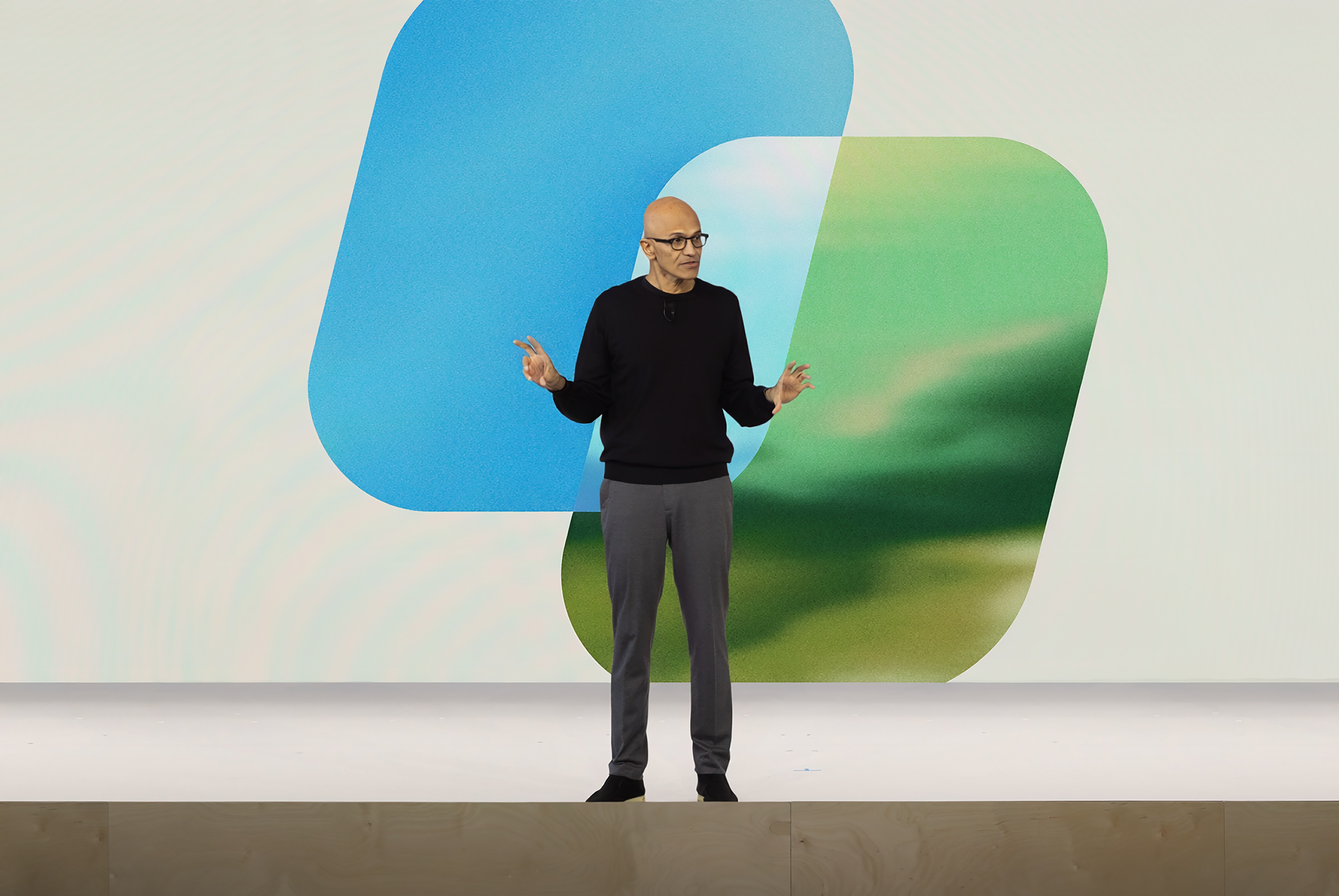
OpenAI’s annual Dev Day has always been a barometer for the company’s strategic direction, and this year’s event was no exception. When CEO Sam Altman stepped onto the stage, the audience erupted in cheers, signaling the high expectations that have built up around the organization’s next generational leap. The centerpiece of the announcement was Dots, a personal‑assistant agent that OpenAI describes as a “real‑deal AI” powered by the newly released GPT‑6 Astra model.
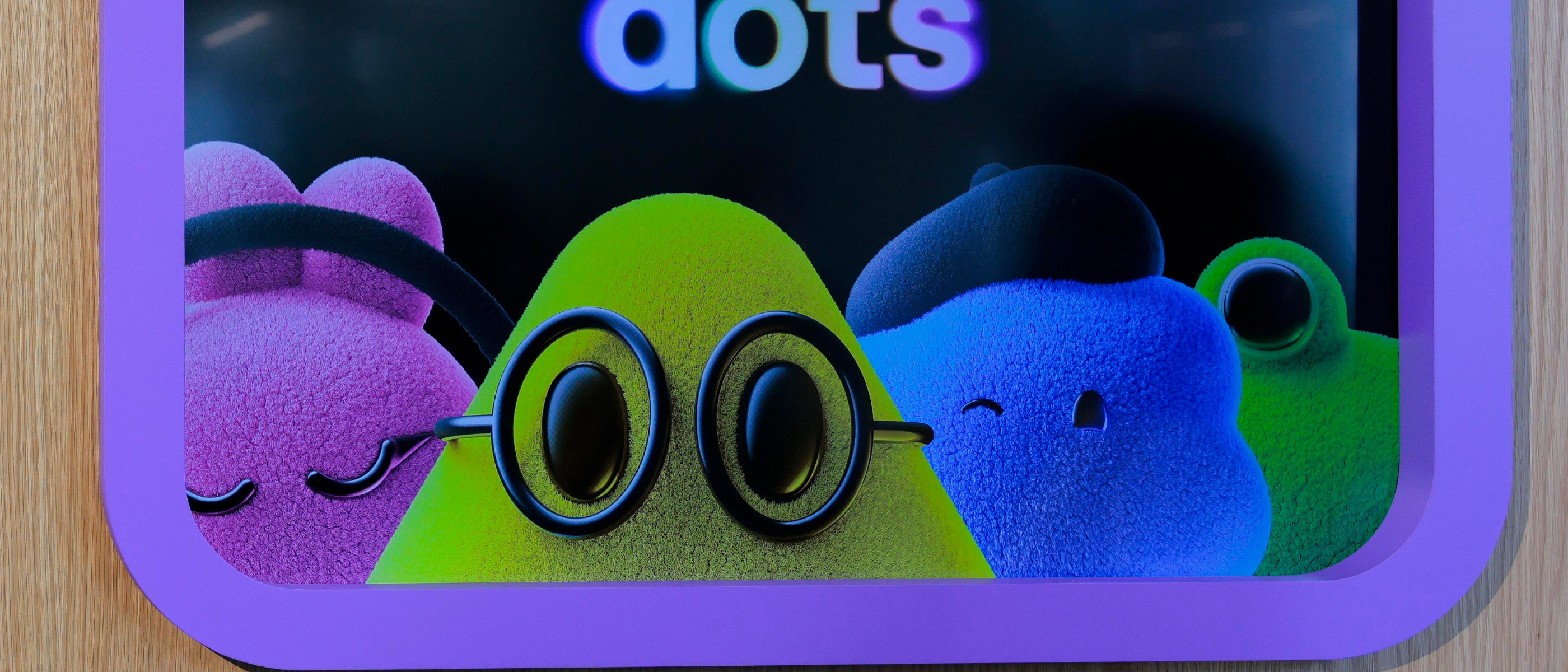
Dots is not just another chatbot; it is presented as a fully fledged “agent” capable of autonomous reasoning, multimodal interaction, and even the creation of immersive virtual environments. The visual design—colorful, personalizable blobs with expressive eyes—evokes the animated helpers of classic sci‑fi cinema, a deliberate nod to the “cool agents that we all watched in movies growing up.” By marrying a whimsical aesthetic with heavyweight model architecture, OpenAI is signaling a shift from purely text‑centric assistants toward agents that can act as companions, creators, and, crucially, competitors in the emerging metaverse‑adjacent market.
Technical Architecture: GPT‑6 Astra Under the Hood
Model Scale and Capabilities
GPT‑6 Astra represents the latest iteration of OpenAI’s transformer family. While exact parameter counts remain undisclosed, the model is touted as a “large‑scale multimodal engine” that can process text, images, and limited video streams in a single forward pass. Early demos showed Dots interpreting user‑drawn sketches, generating 3‑D scene layouts, and even suggesting code snippets for simple Unity scripts—all in real time.
Key technical highlights include:
- Unified Embedding Space – Text, image, and spatial data are projected into a shared latent space, enabling seamless cross‑modal reasoning.
- Dynamic Memory Buffers – Dots can retain context across sessions, allowing it to remember user preferences (e.g., favorite avatar colors) without explicit re‑prompting.
- Low‑Latency Inference – OpenAI claims sub‑200 ms response times on their proprietary inference hardware, a critical factor for interactive world‑building tasks.
Agent Framework and API
Dots runs on an internal “Agent Runtime” that abstracts the model’s outputs into actionable intents. The runtime handles:
- Intent Classification – Determines whether a user request is informational, creative, or control‑oriented.
- Tool Invocation – Calls external APIs (e.g., 3‑D asset libraries, calendar services) on behalf of the user.
- Safety Layer – Applies OpenAI’s latest alignment filters to prevent harmful or disallowed content generation.
Developers will eventually gain access to a Dots SDK, which promises plug‑and‑play modules for popular game engines, web frameworks, and mobile platforms. This mirrors the developer‑first approach seen in OpenAI’s earlier releases, such as the Whisper and DALL‑E APIs.
Competitive Landscape: Dots vs. Meta’s Muse AI
Meta entered the agent arena last year with Muse AI, a platform that leverages the company’s extensive metaverse infrastructure. Muse focuses on high‑fidelity avatars and deep integration with Horizon Worlds, positioning itself as the backbone for social VR experiences. However, Muse has been critiqued for its relatively rigid interaction model and limited multimodal reasoning.
Dots differentiates itself on several fronts:
| Feature | Dots (OpenAI) | Muse AI (Meta) |
|---|---|---|
| Core Model | GPT‑6 Astra (multimodal) | Proprietary LLM (text‑centric) |
| Visual Identity | Customizable blobs with eyes | Realistic human‑like avatars |
| World‑Building | Generates 3‑D scenes on the fly | Relies on pre‑built assets |
| Developer Access | Open SDK, broad platform support | Primarily Meta ecosystem |
| Safety & Alignment | Advanced guardrails, continuous updates | Meta’s internal moderation tools |
The “shot at Meta” narrative is reinforced by Dots’ ability to create metaverse‑esque virtual worlds without requiring a pre‑existing asset pipeline. This could lower the barrier for indie developers and creators who previously needed to invest heavily in 3‑D modeling.
User Experience: Design Philosophy and Interaction Model
Disarming Cuteness as a Strategic Choice
OpenAI’s decision to give Dots a “disarming cuteness” is more than a marketing gimmick. Psychological research suggests that friendly, non‑threatening visual agents increase user trust and willingness to share personal data. By offering colorful, personalizable blobs, OpenAI hopes to sidestep the uncanny valley that plagues many realistic avatars, especially in professional or educational contexts.
Interaction Modalities
Dots supports a range of input methods:
- Text Chat – Traditional conversational interface.
- Voice Commands – Integrated with Whisper‑6 for low‑latency transcription.
- Sketch Input – Users can draw rough shapes that Dots interprets as spatial cues.
- Contextual Triggers – Dots can surface suggestions based on calendar events, email content, or even ambient sensor data (e.g., smart‑home temperature).
These modalities echo the multimodal ambitions of GPT‑6 Astra and position Dots as a truly “assistant‑first” platform rather than a single‑purpose chatbot.
Industry Impact: Why Dots Matters Beyond the Headlines
Accelerating the Agent Economy
The launch of Dots signals that large‑scale AI agents are moving from research prototypes to commercial products. This could catalyze a new “agent economy” where developers monetize custom agents for niche tasks—think AI‑driven interior designers,
virtual event planners, or even AI‑powered game masters that can dynamically craft quests on the fly. By exposing the underlying agent runtime through a public SDK, OpenAI hopes to spark a marketplace where third‑party developers can sell specialized “Dot” extensions—much like today’s app stores but centered on autonomous AI behaviors.
Potential Challenges and Risks
| Challenge | Why It Matters | OpenAI’s Mitigation |
|---|---|---|
| Hallucination in Creative Tasks | When Dots generates 3‑D assets or code snippets, inaccurate outputs could break a developer’s workflow or, in a VR setting, cause motion‑sickness. | A “confidence‑score” overlay will be displayed to users, and the safety layer can request clarification before executing high‑risk actions. |
| Data Privacy | Personalized avatars require storage of user preferences, sketches, and possibly voice recordings. | End‑to‑end encryption for all user‑generated content, plus on‑device inference options for sensitive data. |
| Platform Fragmentation | Competing standards across Unity, Unreal, WebGL, and native mobile could dilute the SDK’s impact. | OpenAI is releasing language‑agnostic bindings and a “dot‑bridge” abstraction that translates high‑level intents into engine‑specific calls. |
| Regulatory Scrutiny | Autonomous agents that can act on behalf of users (e.g., schedule meetings, make purchases) may fall under emerging AI‑agent regulations. | A compliance module that logs every tool invocation and provides audit trails for enterprise users. |
Roadmap and Availability
OpenAI has not announced a concrete launch date for Dots, but the company outlined a three‑phase rollout:
- Beta Access (Q1 2027) – Invitation‑only program for select developers and enterprise partners. Participants will receive early SDK builds and direct support from the Dots engineering team.
- Public Preview (Q3 2027) – Wider availability through the OpenAI Platform dashboard, with tiered pricing based on compute usage and number of active agents.
- General Availability (Early 2028) – Full production‑grade service, including a marketplace for third‑party “Dot” plugins and a subscription model for end‑users who want premium avatar skins and extended memory.
Pricing details remain under wraps, but OpenAI hinted that the cost structure will mirror its existing API model—pay‑as‑you‑go compute credits with volume discounts for large‑scale deployments.
Analyst Reactions
- Gartner noted that “the introduction of a multimodal, agent‑centric platform from OpenAI could accelerate the convergence of AI assistants and immersive experiences, forcing legacy players like Meta to rethink their roadmap.”
- Forrester warned that “while Dots’ cute aesthetic lowers the barrier to entry, enterprises will still demand robust governance and integration capabilities, which will be the true test of adoption.”
- CB Insights flagged the move as a “potential catalyst for a $12 billion agent‑economy by 2030,” citing early interest from gaming studios and digital‑twin providers.
Conclusion
OpenAI’s Dots represents more than a whimsical avatar; it is a strategic push to own the next generation of AI agents that blend conversational intelligence with real‑time world‑building. By leveraging GPT‑6 Astra’s multimodal prowess and packaging it within a developer‑friendly SDK, OpenAI is positioning itself as a direct challenger to Meta’s Muse AI—and perhaps more importantly, as the de‑facto platform for anyone who wants an autonomous digital companion that can both talk and create.
Whether Dots can live up to its “real‑deal AI” promise will hinge on three factors:
- Reliability – Consistently accurate outputs in high‑stakes creative tasks.
- Ecosystem – A thriving marketplace of third‑party extensions that expand functionality beyond the core offering.
- Trust – Transparent safety mechanisms that reassure users and regulators alike.
If OpenAI can deliver on these fronts, Dots could indeed become the cornerstone of an emerging agent economy, reshaping how developers monetize AI and how users interact with digital assistants across the metaverse and beyond.
FAQ
Q: Is Dots only available for OpenAI’s own infrastructure?
A: Initially, yes. The beta will run on OpenAI’s proprietary inference clusters, but the SDK includes a “local runtime” option that allows on‑device execution for privacy‑sensitive applications.
Q: Can Dots be integrated with existing Meta or Microsoft services?
A: The Agent Runtime is built on standard REST and gRPC interfaces, so developers can call external APIs—including Meta’s Horizon services or Microsoft’s Azure resources—provided they handle authentication and data compliance.
Q: Will there be a free tier for hobbyists?
A: OpenAI has indicated a “starter” tier with a limited number of compute credits per month, similar to the current free tier for GPT‑4. This should be sufficient for small‑scale experiments and personal projects.
Q: How does Dots handle copyrighted material when generating assets?
A: The safety layer includes a content‑filter that flags potential copyright‑infringing outputs. Developers can also enable a “strict mode” that restricts the model to public‑domain or licensed asset libraries.
Q: What differentiates Dots from other AI assistants like Google Gemini or Amazon Alexa?
A: Dots is purpose‑built for multimodal creation and autonomous tool use, whereas Gemini and Alexa focus primarily on information retrieval and voice‑controlled smart‑home tasks. Dots’ ability to generate and manipulate 3‑D environments sets it apart.
Q: When can we expect the first third‑party “Dot” plugins to appear?
A: Early plugins are slated for the public preview phase (Q3 2027), with a curated marketplace launch alongside the general availability release in early 2028.
Source: Original Article