





What Is ChatGPT for Teens?
OpenAI’s latest rollout, ChatGPT for Teens, is a dedicated mode that automatically activates for any account identified as belonging to a user under 18. The feature is designed to create a learning‑focused environment while tightening safety nets that protect younger users from inappropriate content. By embedding parental controls, content safeguards, and study‑oriented tools directly into the chat experience, OpenAI aims to strike a balance between curiosity‑driven exploration and responsible AI use.
The global rollout began on August 18, with full availability in Australia scheduled for September 8. Both free and paid personal ChatGPT plans receive the same teen‑mode protections, meaning there is no extra cost for families that want the added oversight.
Key Features Explained
OpenAI listed ten distinct components that together form the teen‑mode ecosystem. Below is a concise breakdown of each, followed by a deeper technical look in the next section.
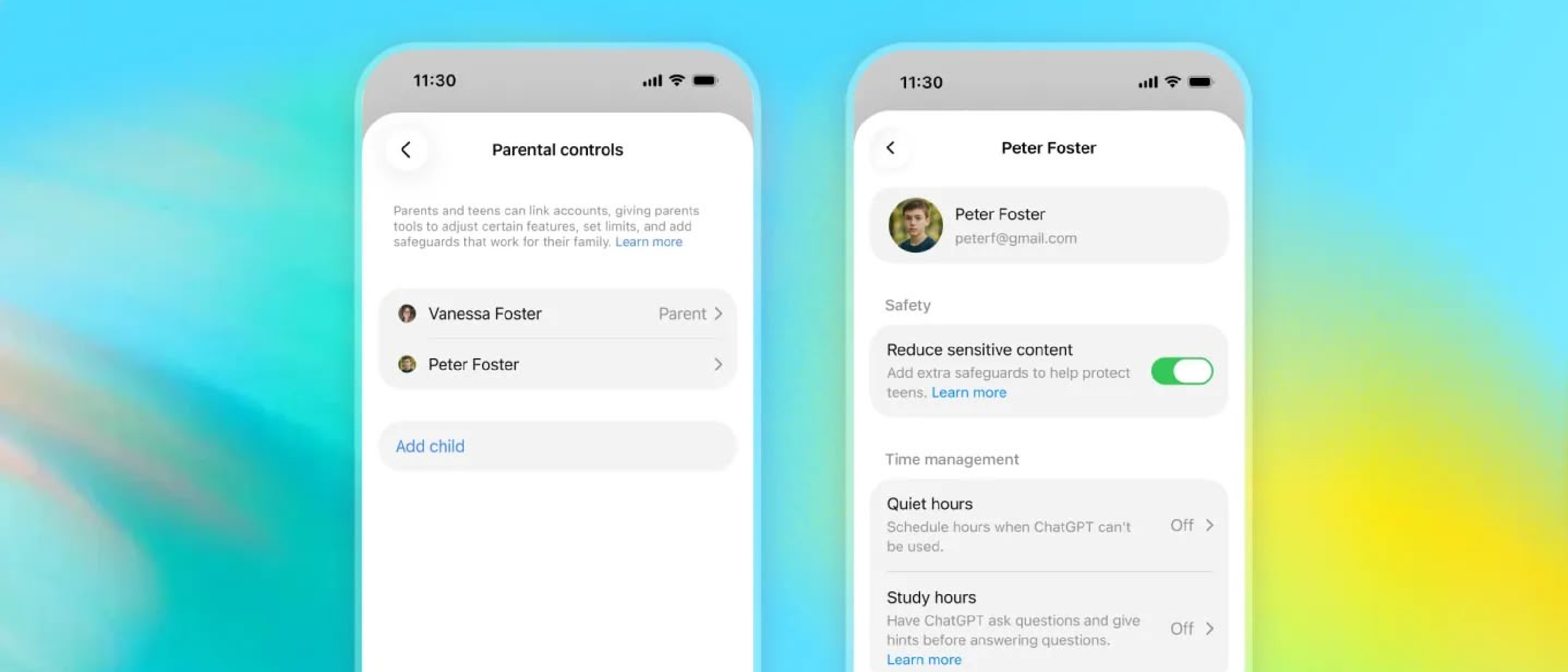
- Parental controls – Guardians can set usage limits, approve or block specific topics, and view activity summaries.
- Enhanced content safeguards – The model applies stricter filtering and real‑time monitoring to block disallowed outputs.
- Learning‑focused starter prompts – Curated prompts encourage study, skill practice, and idea generation.
- Study mode – A built‑in workflow that keeps conversations on‑track for academic tasks.
- Learning tools – Includes optional quizzes and flash‑card style interactions when relevant.
- Study hours – Parents or teens can schedule windows during which new study‑mode chats may be started.
- Break reminders – Periodic nudges to step away from the screen and avoid fatigue.
- Built‑in AI disclosure – A clear statement that ChatGPT is an algorithmic system without consciousness, discouraging emotional attachment.
- Automatic activation – The mode turns on automatically for accounts flagged as under‑18.
- Age verification & removal option – Users who believe the mode was applied in error can verify their age and request deactivation.
Technical Implementation of Safeguards
OpenAI leverages a multi‑layered approach:
- Age Detection – During sign‑up, OpenAI asks for birthdate information. The date is hashed and stored securely, enabling the system to flag teen accounts without exposing raw personal data.
- Dynamic Prompt Engineering – For teen mode, the system prepends a “system prompt” that enforces stricter tone, limits on controversial topics, and activates the AI disclosure banner.
- Real‑Time Content Filtering – A combination of
real-time keyword scanning and a secondary classifier trained on adolescent safety datasets ensures that outputs remain age-appropriate. This classifier operates independently of the primary model, acting as a secondary gatekeeper to intercept potentially harmful responses before they reach the user.
Session-Based Restrictions – Study hours and break reminders are enforced at the session level. When a teen initiates a chat outside of designated study hours, the system gently redirects them to non-study prompts or suggests taking a break. These restrictions are configurable via the parental dashboard, allowing guardians to align usage with household rules or school schedules.
Behavioral Monitoring – OpenAI employs lightweight behavioral analytics to detect patterns that might indicate misuse, such as rapid-fire requests for sensitive topics or attempts to bypass safeguards. While these analytics do not store personally identifiable information, they trigger adaptive responses, such as temporarily locking the chat or prompting a break if usage appears excessive.
Transparent AI Disclosure – The built-in disclosure is not just a static message but a dynamic component that appears contextually. For example, if a teen asks the AI about personal advice or emotional support, the system reiterates its limitations and suggests human resources (e.g., parents, teachers, or counselors) for such discussions. This is reinforced through periodic reminders during extended conversations.
Parental Dashboard: A Closer Look
The parental controls are accessible via a dedicated dashboard linked to the teen’s account. Key functionalities include:
- Usage Reports – Weekly summaries of chat topics, time spent, and flagged interactions (without exposing full conversation logs to protect privacy).
- Topic Restrictions – Parents can block or allow specific subjects (e.g., science, history, or creative writing) and set sensitivity levels for others (e.g., limiting discussions on mental health or controversial social issues).
- Time Management – Customizable daily or weekly usage caps, with optional “hard stops” that prevent further chats once the limit is reached.
- Emergency Override – A one-click option to pause all chat access if immediate intervention is needed.
- Shared Access – Multiple guardians can link their accounts to the same teen profile, ensuring both parents or caregivers can manage settings.
The dashboard is designed to be intuitive, with tooltips and guided tutorials to help non-technical users navigate the controls. OpenAI has also partnered with child safety organizations to provide pre-configured “safety profiles” tailored to different age groups (e.g., 13–15 vs. 16–17).
Learning Tools and Study Mode
Study mode transforms ChatGPT into an interactive learning assistant. When activated, the system:
- Structures Conversations – Breaks down complex queries into step-by-step explanations, encouraging critical thinking. For example, a prompt like “Explain photosynthesis” might generate a multi-part response with diagrams (if available), key terms, and follow-up questions to test comprehension.
- Integrates Quizzes – For supported topics, the AI can generate short quizzes or flashcards. These are optional and designed to reinforce learning without adding pressure. Performance on quizzes is not tracked or shared with parents to maintain a low-stakes environment.
- Encourages Active Learning – The system avoids passive responses. Instead of simply providing answers, it might ask, “What do you think the first step in solving this math problem should be?” or “Can you summarize what we’ve covered so far?”
- Subject-Specific Prompts – Pre-loaded prompts for common academic subjects (e.g., “Help me outline an essay on the French Revolution” or “Practice Spanish vocabulary with me”) streamline the learning process.
Study hours complement this by allowing teens or parents to schedule focused learning sessions. For instance, a teen might set study hours from 4 PM to 6 PM on weekdays, during which new chats default to study mode. Outside these hours, the system reverts to a more general (but still safeguarded) chat experience.
Addressing Ethical Concerns
OpenAI’s rollout of ChatGPT for Teens has sparked discussions about the ethical implications of AI in education. Key considerations include:
- Privacy – OpenAI emphasizes that teen accounts are subject to the same privacy policies as adult accounts, with additional protections. Conversation data is not used to train models, and parents cannot access full chat logs. However, critics argue that even hashed age data and behavioral analytics could pose risks if mishandled.
- Over-Reliance on AI – Some educators worry that tools like study mode might discourage independent problem-solving. OpenAI counters this by designing the system to facilitate learning rather than replace it, with prompts that encourage users to verify information or explore topics further offline.
- Digital Wellbeing – Break reminders and usage limits aim to mitigate screen time concerns, but experts note that these features are only effective if teens and parents actively engage with them. OpenAI has included educational resources in the dashboard to help families establish healthy AI habits.
- Bias and Misinformation – Enhanced content safeguards reduce but do not eliminate the risk of biased or inaccurate outputs. OpenAI has committed to ongoing audits of the teen-mode filters and encourages users to report problematic responses via an in-app feedback tool.
Rollout and Availability
The global rollout began on August 18, with all eligible accounts under 18 automatically enrolled. Users in Australia will gain access on September 8, with other regions following based on local regulatory reviews. OpenAI has stated that the feature will be available in all markets where ChatGPT is currently offered, though compliance with regional data protection laws (e.g., GDPR in Europe, COPPA in the U.S.) may introduce slight variations in functionality.
For users who believe their account was incorrectly flagged as under-18, OpenAI provides a straightforward age verification process. This involves submitting a government-issued ID (e.g., passport or driver’s license) for manual review. Once verified, the teen mode can be deactivated, though OpenAI retains the right to re-enable it if the account’s age is later disputed.
Conclusion
ChatGPT for Teens represents OpenAI’s most ambitious effort yet to tailor AI for younger audiences. By combining robust safeguards with educational tools, the company aims to foster a generation of AI-literate users who can leverage the technology responsibly. While the initiative is not without challenges—particularly around privacy, bias, and digital wellbeing—it sets a new standard for age-appropriate AI design.
As AI becomes increasingly integrated into daily life, tools like ChatGPT for Teens will likely play a pivotal role in shaping how young people interact with technology. OpenAI’s approach balances innovation with caution, offering a model that other AI developers may seek to emulate. For now, parents, educators, and teens alike will be watching closely to see how these features perform in real-world settings.
FAQ
1. How does OpenAI determine if an account belongs to a teen?
OpenAI uses the birthdate provided during account creation. This information is hashed and stored securely to flag accounts as under-18 without exposing raw personal data. If a user believes their account was misclassified, they can verify their age via a government-issued ID.
2. Can parents read their teen’s full chat history?
No. To protect privacy, parents cannot access full conversation logs. Instead, they receive weekly summaries of chat topics, time spent, and any flagged interactions. This approach balances oversight with trust.
3. What happens if a teen tries to bypass the safeguards?
The system employs real-time monitoring and behavioral analytics to detect attempts to circumvent filters. If such behavior is detected, the chat may be temporarily locked, or the user may be prompted to take a break. Repeated attempts could trigger a review by OpenAI’s moderation team.
4. Are there any differences between the free and paid versions of ChatGPT for Teens?
No. All teen-mode features, including parental controls, study tools, and content safeguards, are available on both free and paid personal plans. There is no additional cost for the enhanced protections.
5. How does OpenAI handle sensitive topics like mental health?
The system applies stricter filters to sensitive topics and may redirect users to human resources (e.g., parents, teachers, or crisis hotlines) when appropriate. For example, if a teen asks about self-harm, the AI will provide helpline numbers and encourage them to speak with a trusted adult.
6. Can teens opt out of ChatGPT for Teens?
Yes, but only after verifying their age. Users who believe the mode was enabled in error can submit a government-issued ID for manual review. If the age is confirmed to be 18 or older, the teen mode can be deactivated.
7. What languages is ChatGPT for Teens available in?
Initially, the feature is available in English, with plans to expand to other languages based on demand and regulatory approval. OpenAI has not yet announced a timeline for multilingual support.
8. How does OpenAI ensure the AI doesn’t develop an emotional bond with teens?
The built-in AI disclosure is designed to remind users that ChatGPT is an algorithm without consciousness, feelings, or emotions. The system avoids anthropomorphic language and discourages users from forming emotional attachments by redirecting personal or sensitive queries to human support.
9. What should parents do if they notice concerning behavior in their teen’s usage reports?
The parental dashboard includes an emergency override option to pause chat access immediately. OpenAI also provides resources for digital wellbeing and encourages parents to discuss AI usage openly with their teens. For severe concerns, parents can contact OpenAI’s support team for further assistance.
10. Will ChatGPT for Teens be available in schools?
OpenAI has not yet announced plans for a dedicated school version of ChatGPT for Teens. However, the existing features are designed to align with educational use cases, and the company is exploring partnerships with schools and educators to integrate the tool into classrooms responsibly.
Source: Original Article