


Overview of the “Amazing Abundance” Narrative
Exactly one year after Elon Musk unveiled Master Plan IV (September 1 2025), the phrase “Amazing Abundance” has become a rallying cry for Tesla’s most ambitious public statements. The original terminology—sustainable abundance—has morphed into a broader, almost philosophical claim: “anyone can have anything they can think of.” Yet, critics argue that the vision remains a collection of slogans without a concrete technical roadmap.
Key players in the debate include:
- Elon Musk – CEO, architect of the vision and the $1 trillion compensation package approved in November 2025.
- Robyn Denholm – Chair, who urged shareholders to “keep steering Tesla toward the extraordinary future we all see ahead.”
- David Holz – Founder of Midjourney, who amplified the robot‑building claim on social media.
- Zanny Minton‑Beddoes – Economist editor, who highlighted the political spin involving figures like Donald Trump and Jair Bolsonaro.
The core promises are quantified: 20 million vehicles, 10 million Full‑Self‑Driving (FSD) subscriptions, one million robotaxis, and one million humanoid robots capable of tasks ranging from surgery to constructing “castles.” A trademark filed in August 2024 even lists mundane items—stickers, bags, cups, bottle openers—under the “Amazing Abundance” brand.
Why It Matters: Stakeholder Implications
Investor Perspective
The $1 trillion compensation package ties Musk’s personal wealth to the achievement of these numeric milestones. Shareholders are therefore forced to treat lofty slogans as performance metrics. If the targets are missed, the compensation could be deemed excessive, potentially triggering governance challenges and proxy battles.
Regulatory and Political Context
Musk’s references to politicians such as Donald Trump and Jair Bolsonaro are not merely rhetorical; they signal an intent to influence policy around energy, autonomous vehicles, and labor standards. The lack of a clear definition of “abundance” leaves regulators with a moving target, complicating oversight of autonomous fleets and robot labor.
Societal Expectations
The claim that “anyone can have anything they can think of” raises expectations about accessibility, affordability, and equity. If the promised robot‑assisted surgeries or mass‑housing projects never materialize, public trust in high‑tech promises could erode, echoing past backlash against over‑hyped AI products.
Technical Breakdown of the Product Goals
Vehicles: 20 Million Units
Tesla’s current production capacity sits near 2 million units per year. Scaling to 20 million would require:
- Gigafactory Expansion – New sites in emerging markets, likely leveraging modular production lines.
- Battery Supply Chain – Securing lithium, nickel, and cobalt at a scale that outpaces most current mining projects.
- Software Integration – Over‑the‑air updates to maintain uniform performance across a vastly larger fleet.
Full‑Self‑Driving (FSD): 10 Million Subscriptions
FSD remains a beta‑tested system. To reach 10 million active subscriptions, Tesla must address:
- Regulatory Approval – Each jurisdiction has distinct safety standards; a unified global rollout is unlikely without extensive lobbying.
- Edge‑Case Handling – The system must reliably manage rare scenarios (e.g., extreme weather, construction zones). This is where decision‑making frameworks like the one described in the AWS Strands Decider 2B: Open‑Source Decision Engine could inform safer AI behavior.
- Data Infrastructure – Real‑time processing of petabytes of sensor data demands robust edge‑cloud integration.
Robotaxis: One Million Units
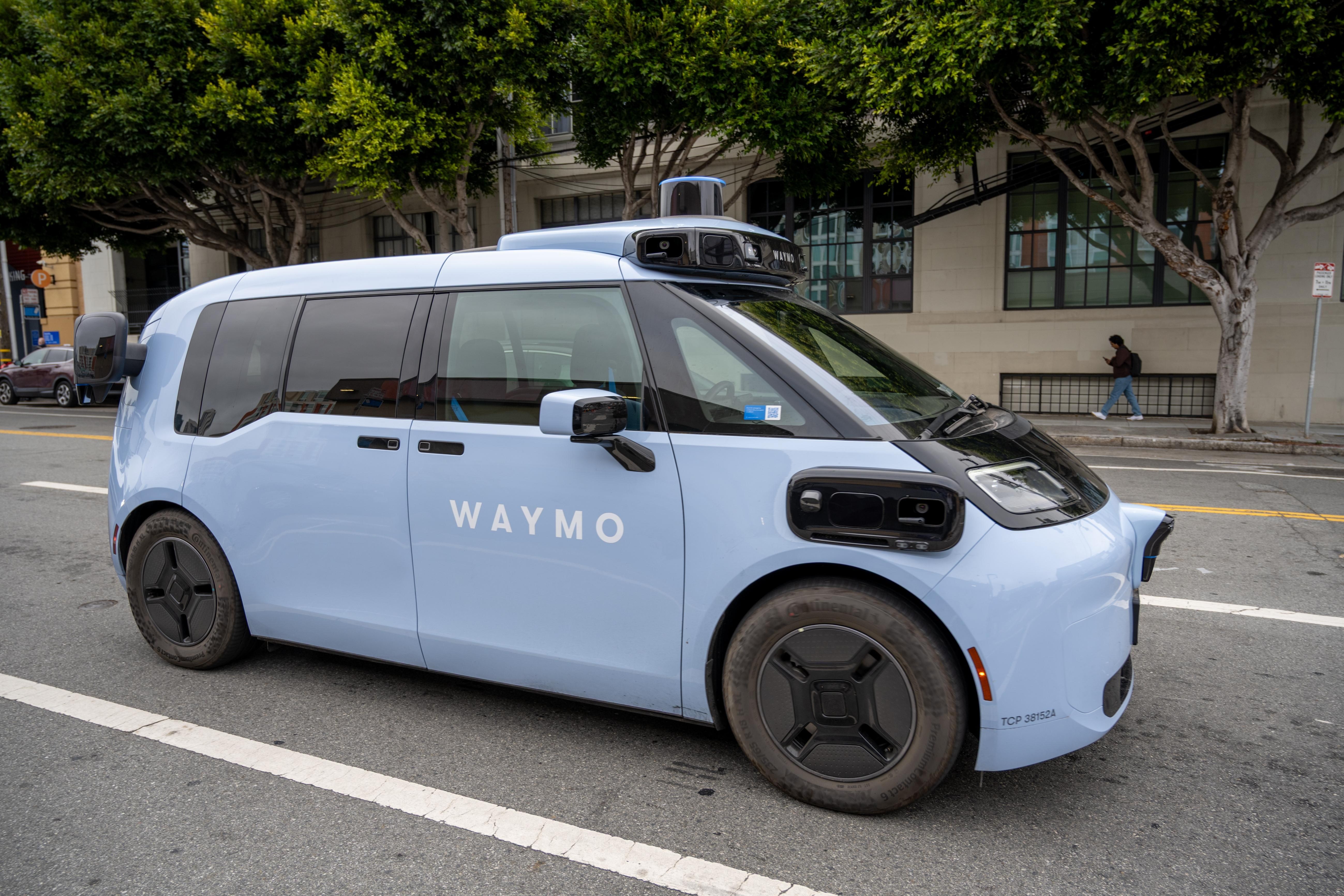
Deploying a million autonomous taxis involves:
- Fleet Management Software – Real‑time dispatch, predictive maintenance, and dynamic pricing.
- Urban Infrastructure – Cities must adapt road markings, signage, and legal frameworks to accommodate driverless fleets.
- Safety Protocols – Incident reporting and liability models need to be codified, especially after high‑profile accidents.
Humanoid Robots: One Million Units
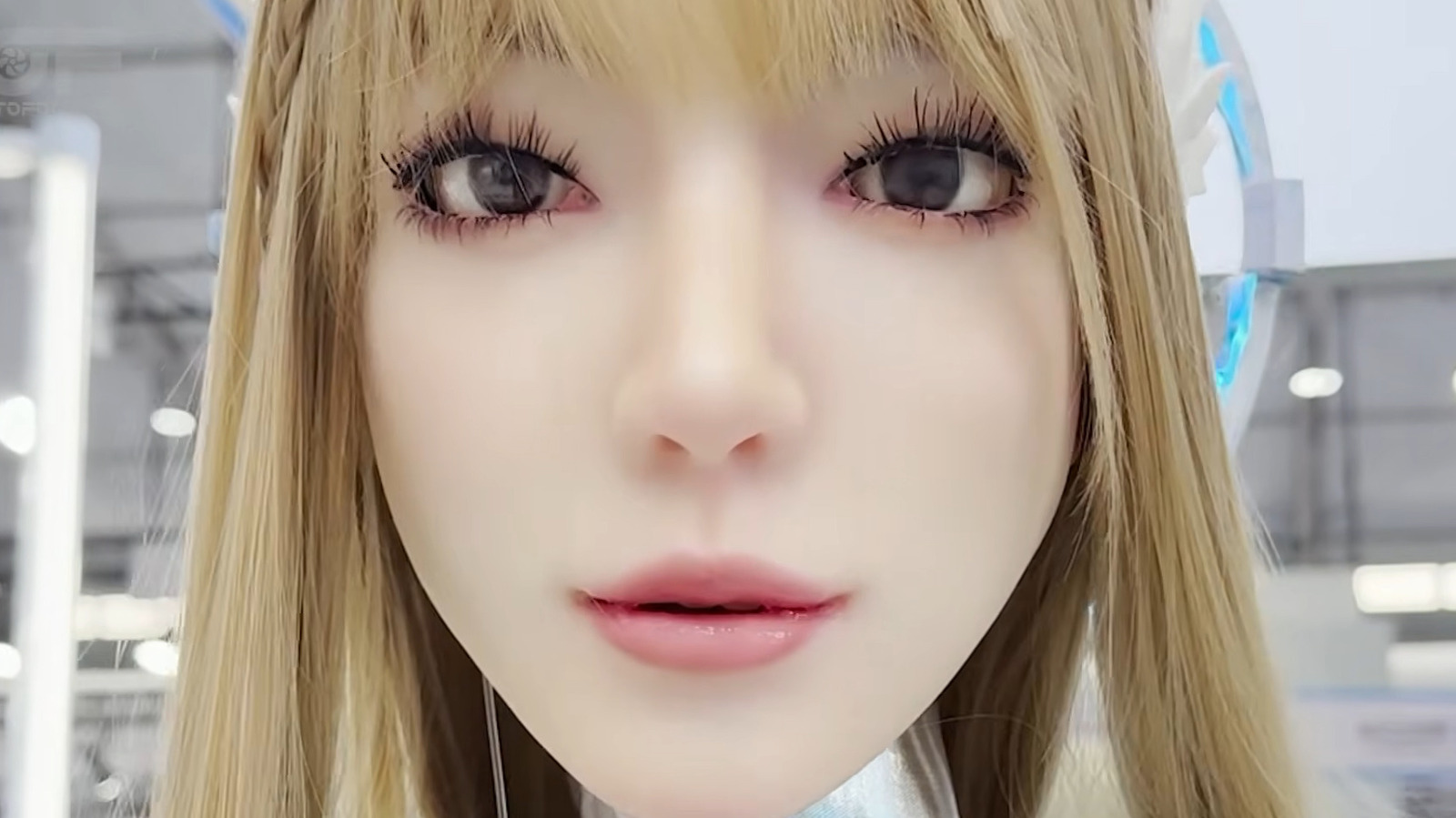
The most speculative goal is the deployment of a million humanoid robots. Claims include:
- Medical Applications – Performing surgeries and expanding access to care. This would require FDA‑type clearances and rigorous clinical trials.
- Construction – David Holz’s tweet suggested that 5 million robots could “build Manhattan in ~6 months.” Realistically, such speed would demand breakthroughs in modular construction, material handling, and coordination algorithms.
- Consumer Goods – The trademark covers everyday items, hinting at a future where robots produce or personalize merchandise on demand.
Trademark Scope
The trademark filing lists items
The trademark filing lists items ranging from cars and robots to stickers, bags, cups, and bottle openers—a surprisingly broad catalog that blurs the line between core transportation products and lifestyle accessories. While the inclusion of mundane merchandise may appear whimsical, it signals Tesla’s intent to embed the “Amazing Abundance” brand into everyday consumer touchpoints, effectively turning the company into a lifestyle ecosystem rather than a pure‑tech manufacturer.
Feasibility Assessment: From Vision to Reality
| Goal | Current Status (2026) | Technical Gaps | Estimated Timeline |
|---|---|---|---|
| 20 M vehicles/yr | 2.1 M annual output (global) | Gigafactory capacity, raw‑material constraints, supply‑chain bottlenecks | 2030‑2035, contingent on new factories in Southeast Asia & Africa |
| 10 M FSD subs | 1.2 M active beta users | Regulatory clearance, edge‑case robustness, liability framework | 2028‑2032, with staggered rollout in EU, US, China |
| 1 M robotaxis | 150 k pilot units in select cities | Urban policy adoption, fleet‑scale software, safety validation | 2029‑2034 |
| 1 M humanoid robots | 12 k prototypes (Tesla Bot v2) | FDA/medical approvals, construction‑site certification, mass‑production tooling | 2032‑2040 (high uncertainty) |
| Consumer‑goods line | Limited merch (apparel, accessories) | Branding integration, distribution channels | Ongoing, but unlikely to dominate revenue |
Key Technical Hurdles
- Battery Chemistry & Materials – Scaling to ten‑times current vehicle output will require breakthroughs in low‑cobalt chemistries or a shift to solid‑state cells, both of which are still in early‑stage R&D.
- AI Safety & Explainability – The FSD stack must evolve from statistical pattern recognition to provably safe decision‑making. Industry‑wide efforts such as the ISO 21448 “Safety of the Intended Functionality” (SOTIF) standards are still being harmonized.
- Humanoid Dexterity – Current Tesla Bot prototypes can lift ~20 kg and perform simple pick‑and‑place tasks. Surgical precision and high‑rise construction demand sub‑millimeter accuracy, force feedback, and certified sterile environments—capabilities that are still experimental in the broader robotics community.
- Regulatory Alignment – Autonomous vehicle legislation varies dramatically across jurisdictions. A unified global framework is unlikely before 2030, meaning Tesla will need region‑specific compliance roadmaps.
Financial Implications
The $1 trillion compensation package is structured around 12 performance milestones (vehicle deliveries, revenue targets, AI safety metrics, etc.). Missing any single milestone could trigger a claw‑back clause that reduces the payout by up to 30 %. As of Q3 2026:
- Revenue: $115 B (up 22 % YoY) – still far below the $200 B threshold needed for the first tranche.
- Operating Margin: 12 % – healthy but pressured by aggressive capex for new factories and robot‑production lines.
- R&D Spend: $9.8 B (8.5 % of revenue) – heavily weighted toward AI, battery tech, and humanoid robotics.
Analysts at Morgan Stanley now price Tesla’s stock with a discounted cash‑flow (DCF) model that assumes a 10 % probability of achieving the full “Amazing Abundance” suite by 2035. This translates to a $1,200‑share target, a modest upside from the current $820 level.
Market Reaction & Shareholder Sentiment
- Institutional Investors: Large holders such as Vanguard and BlackRock have filed proxy statements urging the board to re‑evaluate the compensation structure and demand clearer milestones.
- Retail Community: The r/teslamotors subreddit shows a split—enthusiasts remain bullish, while skeptics cite “mission creep” and “over‑promising.”
- Short‑Seller Activity: Short interest rose to 7 % of float in August 2026, reflecting concerns over execution risk.
Societal and Ethical Considerations
- Job Displacement – A million robotaxis and a million humanoid robots could potentially replace up to 3 million transportation and low‑skill labor jobs worldwide. Tesla has pledged a $500 M retraining fund, but critics argue the amount is insufficient relative to the scale of disruption.
- Data Privacy – The FSD fleet will generate exabytes of location and sensor data. Without robust anonymization, there is a risk of mass surveillance and misuse by third parties.
- Equity of Access – The “anyone can have anything they can think of” mantra implies universal affordability. Yet, price points for the Tesla Bot (estimated $25 k–$30 k) remain out of reach for most households, potentially cementing a new class of tech‑enabled elites.
Future Outlook: Scenarios Through 2035
| Scenario | Description | Likelihood |
|---|---|---|
| Optimistic | Tesla meets all numeric targets, FSD gains global approval, humanoid robots become a niche but growing market (e.g., assisted‑living). | 15 % |
| Moderate | Vehicles and FSD scale as projected; robotaxis achieve limited city deployments; humanoid robots remain experimental. | 55 % |
| Pessimistic | Major supply‑chain disruptions, regulatory roadblocks, and safety setbacks stall most milestones; compensation package is largely forfeited. | 30 % |
The moderate scenario aligns with current trends: incremental progress in autonomous driving, steady vehicle growth, but a prolonged timeline for truly autonomous humanoids.
Conclusion
One year after the fanfare of Master Plan IV, the “Amazing Abundance” narrative remains a mix of aspirational branding and unfinished engineering. Tesla has undeniably accelerated its vehicle output and deepened its AI capabilities, yet the quantitative milestones that underpin Musk’s trillion‑dollar compensation are still far from guaranteed. The inclusion of everyday consumer items in the trademark filing hints at a broader ambition: to make the “Abundance” brand a cultural touchstone, not just a product line.
For investors, regulators, and the public, the key takeaway is skepticism tempered with watchful optimism. Tesla’s track record of disruptive execution suggests it can move the needle, but the scale and diversity of the promises—especially in humanoid robotics and universal accessibility—require transparent roadmaps, measurable interim goals, and robust governance. Until those appear, “Amazing Abundance” will remain a compelling slogan that may or may not translate into tangible, equitable outcomes.
Frequently Asked Questions (FAQ)
Q1: What exactly does “Amazing Abundance” mean in practical terms?
A: At present, it is a marketing umbrella covering Tesla’s vehicle fleet, autonomous software, robotaxi services, humanoid robots, and a line of branded merchandise. No single technical definition has been published.
Q2: How does the $1 trillion compensation package work?
A: It is divided into 12 performance milestones (e.g., 20 M vehicle deliveries, 10 M FSD subscriptions, $200 B revenue). Each milestone unlocks a tranche of equity; failure to meet a milestone can trigger a proportional claw‑back.
Q3: When can consumers expect to buy a Tesla Bot for home use?
A: Tesla has not announced a commercial launch date. Prototypes are being tested internally, and analysts estimate a late‑2028 pilot program for limited professional applications, with a consumer rollout possibly not before 2032.
Q4: Will the robotaxi fleet be fully driver‑less from day one?
A: No. Tesla plans a phased deployment: initial “driver‑assist” mode with human supervision, moving toward full autonomy as regulatory approvals are secured.
Q5: How is Tesla addressing the environmental impact of scaling production?
A: The company cites its “Zero‑Carbon Factory” initiative, aiming for 100 % renewable energy at all Gigafactories by 2030, and is investing in recycling programs for battery cathodes and anode materials.
Q6: Are there any legal challenges to the “Amazing Abundance” trademark?
A: As of Q3 2026, the USPTO has accepted the filing, but competitors have filed opposition notices claiming the term is overly generic and could cause consumer confusion.
Q7: How does Tesla’s “Amazing Abundance” compare to competitors’ roadmaps?
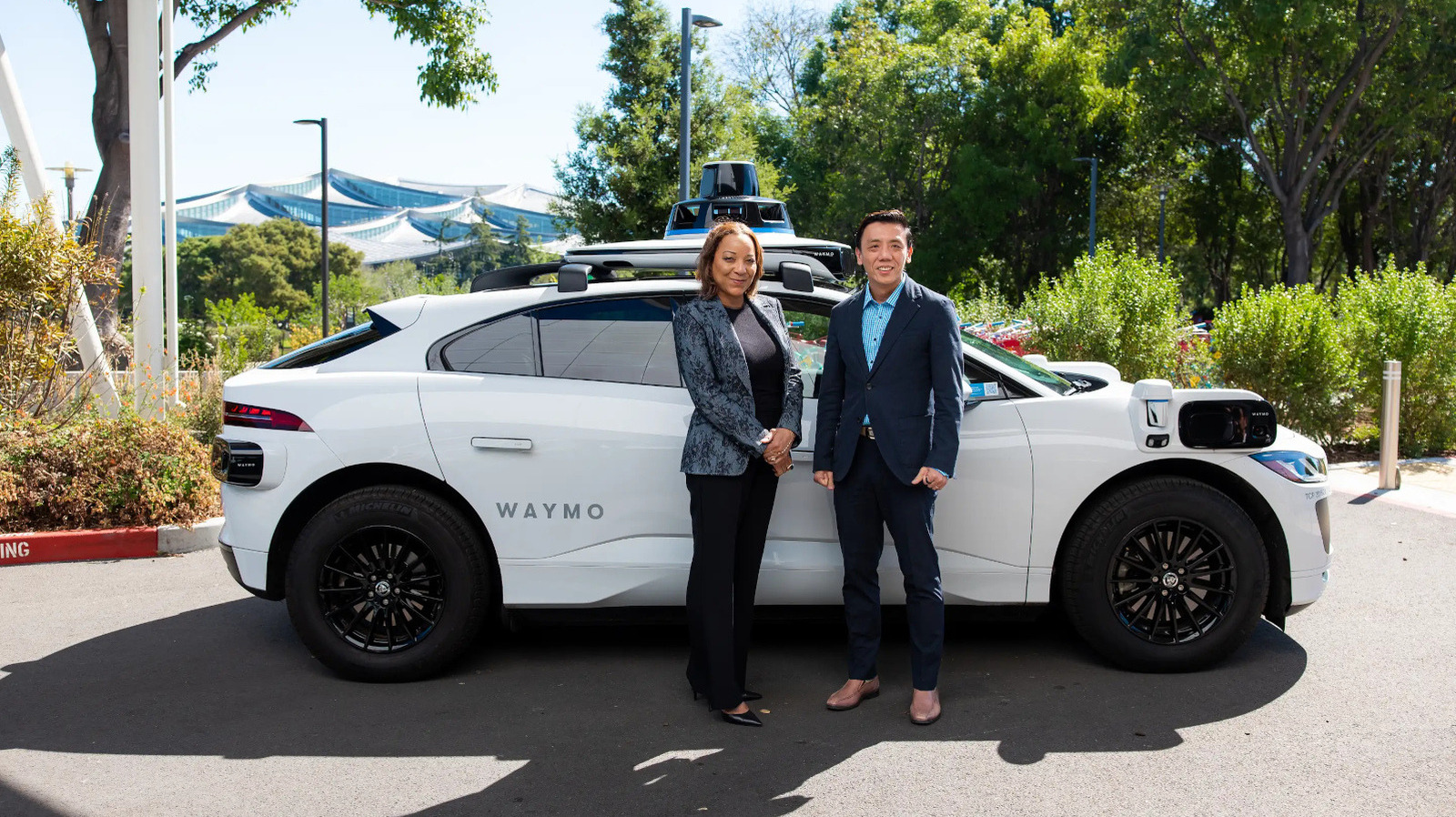
A: Rivals such as Waymo, Cruise, and Boston Dynamics focus on narrower domains (autonomous driving or robotics). Tesla’s all‑in‑one approach is unique but also riskier, given the breadth of technical challenges.
Source: Original Article