


Overview of the Click‑to‑Cancel Rule
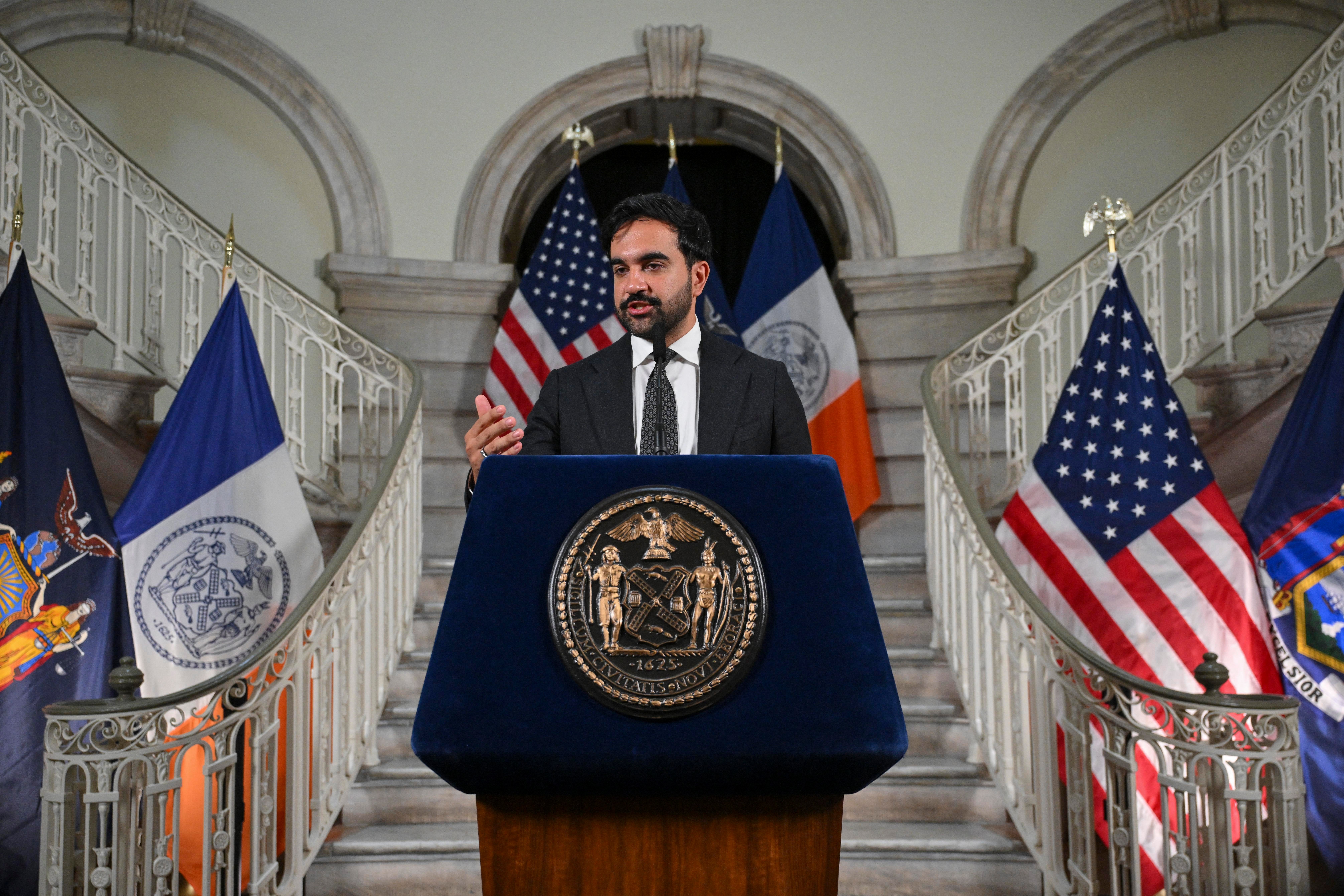
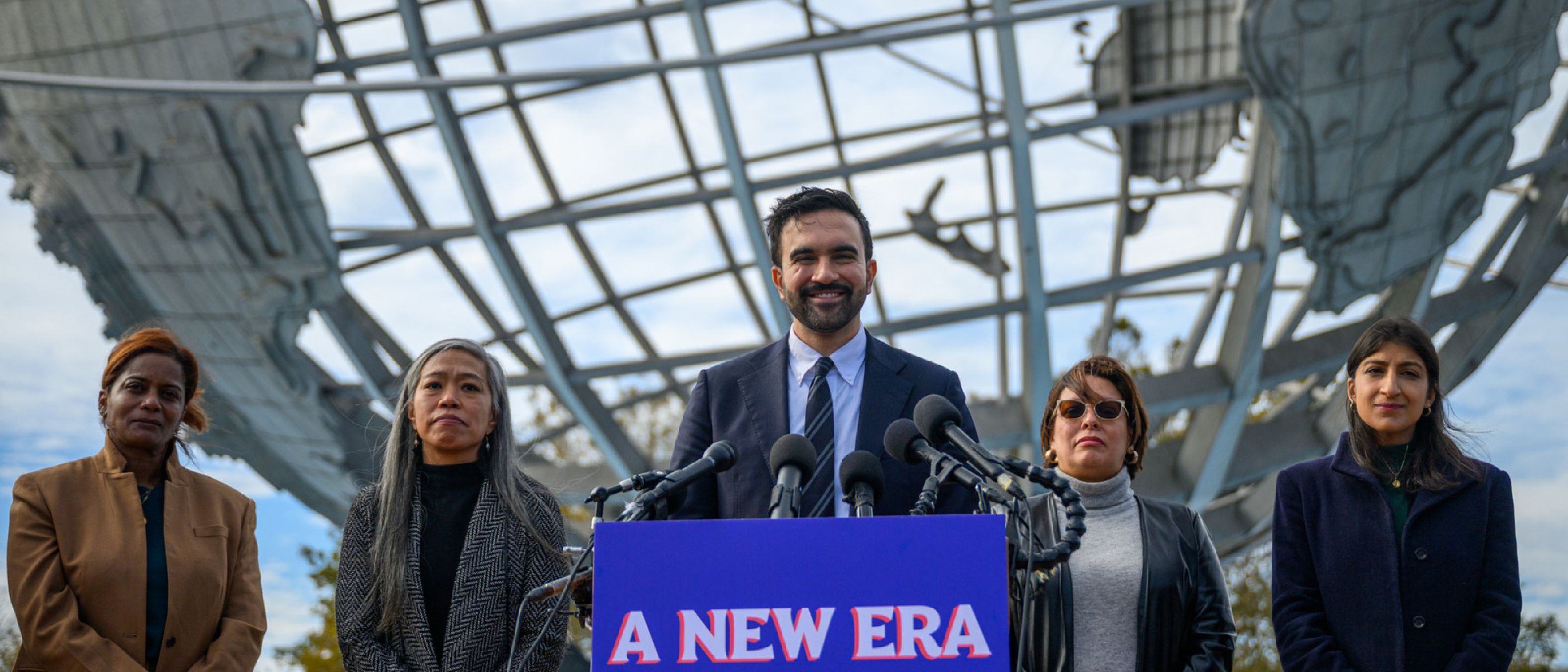
On October 1, 2026, New York City became the first municipality in the United States to enact a binding “Click‑to‑Cancel” regulation. Championed by Mayor Zohran Mamdani and backed by Lina Khan—now unpaid chair of the NYC Economic Development Corporation’s board—the rule directly addresses the pervasive “subscription trap” problem that has plagued digital and brick‑and‑mortar services for years.
The legislation, announced in July, requires any business that offers recurring‑payment products or services to provide a cancellation mechanism that is as simple, direct, and frictionless as the original sign‑up flow. The Department of Consumer and Worker Protection (DCWP) will enforce the rule, while the NYC Office of Technology and Innovation has built a dedicated complaint portal for residents.
Key points of the rule include:
- Mandatory clear disclosure of subscription terms and consumer rights.
- A cancellation process that uses the same channel (web, app, or in‑person) as the sign‑up.
- Prohibition on forcing customers to return free‑gift equipment via costly shipping.
- Civil penalties starting at $525 per violation, plus mandatory restitution for consumers.
The regulation targets a wide range of industries—from fitness chains like Planet Fitness, Crunch, and LA Fitness to SaaS platforms, streaming services, and subscription box providers.
Why It Matters: Consumer Trust and Market Fairness
The Cost of “Byzantine” Cancellations
Subscription traps generate billions in hidden revenue for companies that make it deliberately difficult to opt out. Consumers often encounter:
- Hidden auto‑renewal clauses buried in fine print.
- Cancellation pages hidden behind multiple clicks, captchas, or phone‑only support.
- “Return‑item” policies that force users to ship back free equipment, effectively charging them for the cancellation itself.
These practices erode trust, increase churn‑related support costs, and invite regulatory scrutiny. By mandating parity between sign‑up and cancellation, NYC is sending a clear market signal: ease of exit is a consumer right, not a privilege.
Alignment with Federal Trends
While the Federal Trade Commission (FTC) has repeatedly rejected a national “Click‑to‑Cancel” standard—most recently under President Trump’s administration—NYC’s rule creates a de‑facto benchmark that other states may emulate. The rule also dovetails with the FTC’s broader consumer‑protection agenda, reinforcing the narrative that “transparent subscription terms” are essential for a healthy digital economy.
Competitive Advantage for Ethical Brands
Companies that already offer straightforward cancellation processes will find themselves at a competitive advantage. Transparent practices can be highlighted in marketing, improving brand perception and reducing legal risk. Conversely, firms that ignore the rule risk not only fines but also negative publicity amplified through social media and consumer advocacy groups.
Technical Breakdown of the Requirements
Disclosure Obligations
Businesses must present subscription details in a prominent, plain‑language format before the consumer completes the purchase. Required elements include:
- Term length (monthly, annual, etc.).
- Renewal policy (automatic, manual, or opt‑out).
- Total cost over the full term, including any introductory discounts that expire.
- Cancellation rights—a concise statement that the user can cancel at any time using the same method they signed up.
Cancellation Method Specification
The rule’s core technical requirement is “same method as sign‑up.” This translates into three practical scenarios:
| Sign‑up Channel | Required Cancellation Channel |
|---|---|
| Web form / e‑commerce site | Web form with a single “Cancel Subscription” button |
| Mobile app (iOS/Android) | In‑app cancellation flow reachable in ≤ 2 taps |
| In‑person or phone enrollment | In‑person or phone cancellation handled by the same staff or call center, without additional verification steps |
Any deviation—such as requiring a mailed letter when the sign‑up was online—constitutes a violation.
Equipment Return Prohibition
If a company provides free hardware (e.g., a smart lock, a fitness tracker, or a trial‑period device), it may not condition cancellation on the return of that equipment. The rule forces businesses to absorb the cost of the free item or to offer a credit, rather than using it as a lever to delay or block cancellation.
Implementation Checklist for Developers
- API Endpoint – Add a
POST /subscription/cancelendpoint that mirrors thePOST /subscription/createpayload structure. - Authentication – Use the same token or session mechanism for both actions; do not require additional passwords or OTPs.
- User Interface – Ensure the cancel button is visible on the account dashboard, not hidden behind menus.
- Logging – Record cancellation timestamps and method for audit purposes; logs must be retained for at least 12 months.
- Testing – Include automated UI tests that verify a user can cancel within two clicks from the dashboard.
Enforcement, Penalties, and the Consumer Portal
Civil Penalties and Restitution
Violations trigger a minimum civil fine of $525 per infraction. The DCWP can assess higher amounts based on the number of affected consumers, the severity of the obstruction, and whether the business is a repeat offender. In addition, consumers are entitled to full restitution for any unauthorized or unrefunded charges.
The NYC Complaint Portal
Developed jointly by the Office of Technology and Innovation and the DCWP, the portal provides a streamlined way for New Yorkers to report non‑compliant experiences. Users are prompted to:
- Select the business and subscription type.
- Describe the difficulty encountered (e.g., “cancellation required a phone call and a mailed form”).
- Upload screenshots or transaction records.
Submitted complaints are automatically routed to DCWP investigators, who can issue cease‑and‑desist orders or levy fines within 30 days of receipt.
Example Workflow
- Step 1: A user signs up for a monthly gym membership via the gym’s website.
- Step 2: The user decides to cancel after two months and clicks the “Cancel Membership” button on the same website.
- Step 3: The system processes the cancellation instantly, sends a confirmation email, and refunds any prorated fees.
- Step 4: If the gym instead redirects the user to a phone line, the user can file a complaint through the portal, triggering an investigation.
Industry Impact: From Fitness Centers to SaaS Platforms
Immediate Effects on Targeted Businesses
- Fitness Chains – Companies like Planet Fitness, Crunch, and LA Fitness must overhaul their member‑portal software. Many already use legacy systems that route cancellations through call centers, which will now need to be replaced or integrated with a web‑based flow.
- Digital Media & SaaS – Subscription‑based streaming services, cloud storage providers, and productivity apps will need to audit their UI/UX for compliance. The rule aligns with best practices already advocated in security‑focused publications, such as the analysis of the Zoom annotation flaw ( Zoom Annotation Flaw Patched After AI‑Prompt Exploit ).
- Hardware‑Bundled Services – Companies that bundle devices with software subscriptions (e.g., smart home kits) must decouple equipment returns from
must decouple equipment returns from the cancellation process, allowing members to end their subscription without being forced to ship back the device. Instead, businesses may retain the hardware as a goodwill gesture or offer a modest credit, but they cannot use its return as a condition for processing the cancellation.
Practical Steps for Companies
- Audit Existing Flows – Conduct a gap analysis of all subscription sign‑up and cancellation pathways. Identify any “extra steps” (e.g., mailed forms, mandatory phone calls, captcha walls) that violate the “same method” rule.
- Update Terms of Service – Rewrite the subscription clause in plain language, placing it prominently on the checkout page. Include a short, bold statement such as “You can cancel anytime with one click.”
- Integrate Cancellation APIs – For SaaS and e‑commerce platforms, expose a
cancelSubscriptionendpoint that mirrors thecreateSubscriptionrequest schema. Ensure the endpoint is reachable from the same authentication context. - Train Support Staff – If a business still offers phone or in‑person support, staff must be instructed to process cancellations immediately, without requiring additional paperwork or verification beyond what was needed to sign up.
- Communicate Internally – Publish an internal policy memo outlining the penalties, the compliance deadline, and the process for handling consumer complaints that come through the NYC portal.
- Monitor and Report – Set up automated alerts for any cancellation attempts that trigger errors or redirects. Regularly export logs for DCWP audits.
Timeline for Compliance
| Date | Milestone |
|---|---|
| Oct 1, 2026 | Rule becomes effective; businesses must already have compliant mechanisms in place. |
| Oct 1 – Dec 31, 2026 | DCWP conducts “soft‑launch” audits, issuing warning letters and offering remediation guidance. |
| Jan 1, 2027 | Formal enforcement begins; violations may result in immediate civil penalties. |
| Ongoing | Quarterly compliance reports required for businesses with more than 10,000 active subscribers. |
Reaction from the Business Community
Fitness Industry Response
Many gym chains have already begun rolling out updated member portals. Planet Fitness announced a partnership with a fintech startup to embed a one‑click “Cancel Membership” button directly on its mobile app, citing the new rule as a catalyst for “modernizing the member experience.” Crunch, however, expressed concerns about legacy point‑of‑sale systems that still rely on paper forms, promising a phased migration by mid‑2027.
Tech Companies’ Adjustments
Large SaaS providers such as Adobe and Salesforce, which already offer self‑service account management, reported minimal impact. Smaller startups, especially those built on “freemium‑to‑paid” models, are scrambling to add cancellation links to their onboarding emails and dashboards. A notable example is StreamBox, a niche video‑streaming service that introduced a “Cancel Anytime” banner on its subscription confirmation page within two weeks of the rule’s enactment.
Legal and Advocacy Perspectives
Consumer‑rights groups, including Consumers United and NYC Consumer Alliance, have praised the rule as a “landmark victory” and are urging other municipalities to adopt similar standards. Conversely, the National Retail Federation filed a brief with the DCWP, arguing that the rule could impose “disproportionate compliance costs on small businesses” and requesting a grace period for entities with fewer than 500 subscribers.
Looking Ahead: Potential Ripple Effects
The Click‑to‑Cancel rule could set a precedent for a broader national conversation about subscription transparency. If other major cities—such as Chicago, Los Angeles, or San Francisco—adopt comparable legislation, we may see a de‑facto federal standard emerge, even without explicit FTC action. Additionally, the rule may inspire new fintech solutions that automate compliance checks, offering “subscription health scores” for businesses seeking to certify their practices.
Possible Federal Response
While the FTC under the previous administration resisted a nationwide mandate, the agency’s current leadership has signaled openness to “state‑level innovation.” A future FTC rulemaking could incorporate the NYC model, especially if data from DCWP investigations demonstrate measurable consumer benefit and low administrative burden.
Frequently Asked Questions (FAQ)
Q1: Does the rule apply to one‑time purchases?
A: No. The regulation targets only recurring‑payment products or services—any offering that automatically charges the consumer on a periodic basis.
Q2: What if a consumer signs up via a third‑party marketplace (e.g., Apple App Store)?
A: The cancellation must be possible through the same marketplace. For example, an iOS app subscription must be cancelable via the App Store’s subscription management page, not through a separate web portal.
Q3: Are there exemptions for “trial‑period” subscriptions that require a credit‑card hold?
A: Trials are permitted, but the terms must be clearly disclosed, and the consumer must be able to cancel the trial before it converts to a paid subscription using the same method used to start the trial.
Q4: How are “free‑gift” equipment returns handled?
A: Companies cannot condition cancellation on the return of free items. They may either retain the equipment or provide a credit, but they must process the cancellation regardless of the customer’s decision about the hardware.
Q5: What documentation must a business retain for audit purposes?
A: Companies must keep logs of each cancellation request, including timestamp, user identifier, method (web, app, phone), and outcome. These logs must be stored for at least 12 months and be accessible to DCWP upon request.
Q6: Can a business charge a “cancellation fee”?
A: The rule does not outright ban cancellation fees, but any such fee must be disclosed before the consumer completes the sign‑up and must be no more than the actual cost incurred by the business (e.g., processing costs). Excessive or hidden fees could be deemed a violation.
Q7: What happens if a consumer’s cancellation request is mistakenly denied?
A: The consumer can file a complaint through the NYC portal. The DCWP may impose a fine for each denied request and require the business to provide restitution to the affected consumer.
Q8: Are there any reporting requirements for businesses?
A: Companies with more than 10,000 active subscribers must submit quarterly compliance reports to the DCWP, detailing the number of cancellations processed, any consumer complaints received, and steps taken to address issues.
Q9: How does the rule affect subscription bundles (e.g., a gym membership plus a nutrition app)?
A: Each component of the bundle must be cancellable via the same method used to enroll in that component. If the bundle is sold as a single product, a single cancellation flow that terminates all services is acceptable, provided it is clearly communicated.
Q10: Where can businesses find technical guidance?
A: The NYC Office of Technology and Innovation has published an open‑source “Click‑to‑Cancel Compliance Kit” on GitHub, which includes sample API specifications, UI mock‑ups, and testing scripts.
Conclusion
New York City’s Click‑to‑Cancel rule marks a decisive step toward dismantling the opaque subscription ecosystems that have long disadvantaged consumers. By mandating parity between sign‑up and cancellation, the city not only protects its residents but also nudges the entire market toward greater transparency and fairness. While businesses will need to invest in updating legacy systems and revising legal language, the long‑term payoff—reduced support costs, enhanced brand trust, and avoidance of steep civil penalties—makes compliance a strategic imperative.
As other jurisdictions watch NYC’s rollout, the rule could become the blueprint for a nationwide shift, compelling companies across the United States to treat the right to exit a service with the same respect they afford the right to join. For now, New Yorkers can finally click “cancel” with confidence, knowing the law has their back.
Source: Original Article