




Overview of the Click‑to‑Cancel Rule
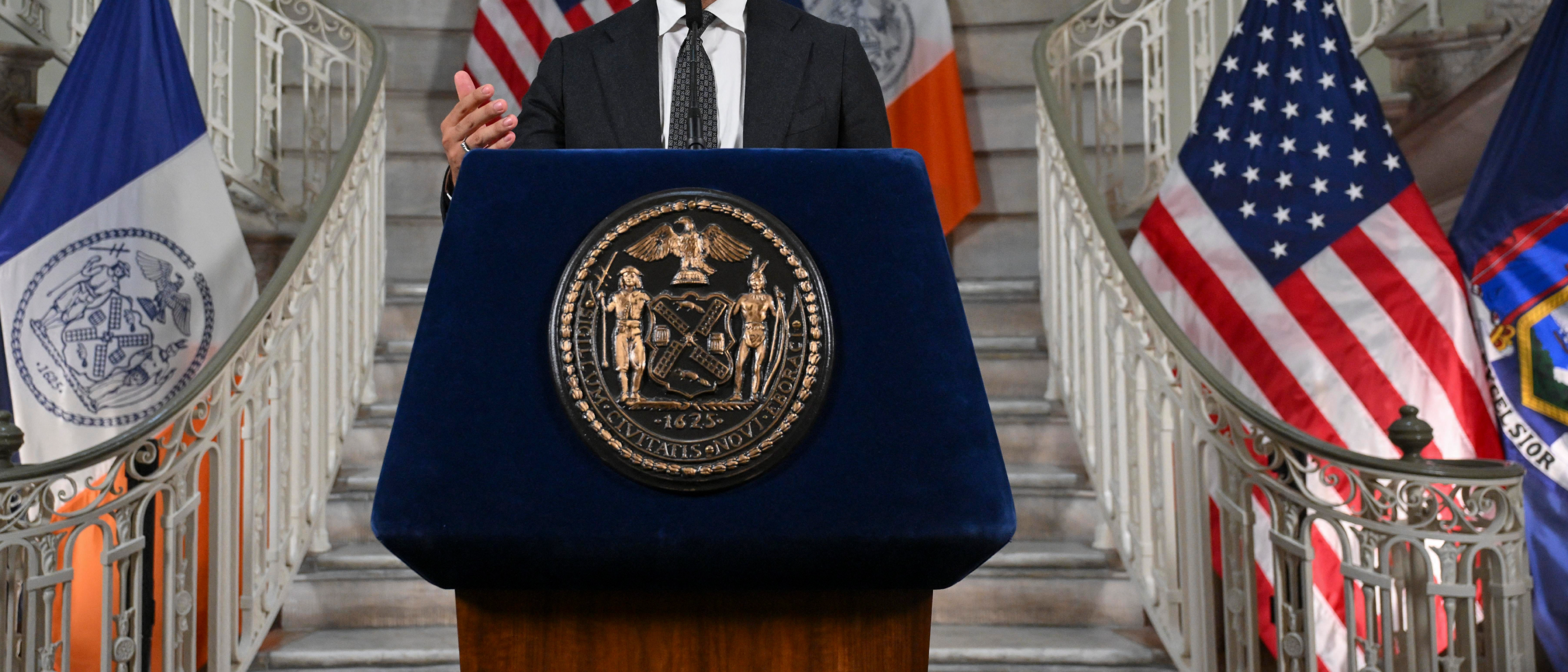
On Thursday, New York City activated a pioneering consumer‑protection regulation often dubbed the “click‑to‑cancel” rule. The ordinance obliges any business that offers a recurring‑payment service within the five‑boroughs to provide a cancellation mechanism that is as simple and instantaneous as the sign‑up process. If a gym, streaming platform, or software provider lets a user enroll with a single online click, the same pathway must exist for opting out. The city’s Department of Consumer and Worker Protection (DCWP) will field complaints, and violators face fines, mandatory remediation, and public reporting.
The rule marks the first municipal enforcement of such a standard in the United States. A federal version of the policy was previously struck down by an appeals court on procedural grounds, leaving a regulatory vacuum that NYC has now filled. Early estimates suggest that New Yorkers could collectively save $21.5 million to $162.5 million each year by eliminating “ghost” subscriptions and hidden renewal traps.
Why the Rule Matters for Consumers
Reducing Financial Friction
Recurring‑payment models have become ubiquitous, from gym memberships to SaaS tools. While convenient, they also generate a hidden cost: many users forget to cancel, or discover that the cancellation process is deliberately cumbersome. The new rule eliminates that friction by:
- Standardizing the user experience – a single click or tap mirrors the enrollment flow.
- Eliminating phone‑call or in‑person requirements, which often serve as deterrents.
- Providing a clear legal recourse – residents can file a complaint directly with the city if a provider fails to comply.
Enhancing Transparency
Transparency is a cornerstone of trust in digital commerce. By mandating that cancellation terms be displayed prominently at sign‑up, the rule forces businesses to be explicit about renewal dates, fees, and the steps required to stop a subscription. This mirrors best practices advocated by consumer‑rights groups and aligns with emerging global standards such as the EU’s “right to withdraw” under the Digital Services Act.
Protecting Vulnerable Populations
Low‑income households and seniors are disproportionately affected by hidden fees. A study by the Consumer Federation of America found that 30 % of surveyed low‑income respondents had unintentionally paid for a service they no longer used. The click‑to‑cancel rule directly addresses this pain point, offering a straightforward exit strategy that does not rely on navigating automated phone trees.
Technical Requirements for Businesses
Implementing the rule is not merely a policy change; it demands concrete technical adjustments. Below is a breakdown of the core technical obligations:
Unified Cancellation Endpoint
- Must be reachable via the same URL domain used for sign‑up.
- Should accept a GET or POST request that triggers immediate termination of the recurring payment.
One‑Click Confirmation
- After the user initiates cancellation, the system must display a confirmation screen with a single “Confirm” button. No additional verification steps (e.g., security questions) are permitted.
Real‑Time Billing Update
- The backend must halt future charge attempts within the same billing cycle. If a charge has already been processed, the provider must issue a full refund within 30 days.
Audit Trail & Reporting
- Every cancellation request must be logged with timestamp, user ID, and IP address. These logs must be retained for at least 12 months and be made available to DCWP upon request.
Accessibility Compliance
- The cancellation interface must meet WCAG 2.1 AA standards, ensuring that users with disabilities can complete the process without barriers.
For SaaS companies, the technical shift resembles the changes required for Microsoft’s Copilot‑enabled OS where subscription management had to be re‑engineered for seamless user control. The parallels are discussed in depth in the article “ Microsoft’s Copilot Redefined: The New OS for Work ”.
Enforcement Mechanisms and Complaint Process
The DCWP has outlined a multi‑tiered enforcement strategy:
- Self‑Reporting Period (30 days) – Businesses receive a notice to audit their cancellation flows and submit a compliance report.
- Complaint Intake – Residents can file a complaint through the NYC “Consumer Complaint” portal, providing screenshots, transaction IDs, or any evidence of non‑compliance.
- Investigation & Penalties – Upon verification, the city may levy fines up to $10,000 per violation and require corrective action plans.
- Public Disclosure – Persistent offenders will be listed on a publicly accessible “Non‑Compliant Business” registry, creating reputational pressure.
The complaint workflow is designed to be low‑friction: a single online form, optional attachment of supporting documents, and an automated acknowledgment email. This mirrors the streamlined approach taken by the city’s consumer‑protection division in other domains, such as the recent crackdown on predatory payday lenders.
Industry Impact and Competitive Landscape
Immediate Reactions
- Fitness Centers – Chains like Equinox and local boutique gyms have already updated their member portals to include a “Cancel Membership” button on the dashboard.
- Streaming Services – Platforms that previously required a phone call (e.g., some niche video‑on‑demand providers) are rolling out in‑app cancellation options.
- Enterprise SaaS – Companies selling B2B subscriptions are revisiting their contract termination clauses to avoid inadvertent penalties for their corporate clients based in NYC.
Competitive Advantage for Compliant Brands
Businesses that quickly adapt can market themselves as “consumer‑friendly” and may capture market share from slower competitors. The rule effectively creates a trust premium; a study by Nielsen shows that 68 % of consumers are willing to pay a modest premium for services that are transparent and easy to cancel.
Legal and Compliance Overhead
From a compliance perspective, the rule adds a layer of operational risk. Legal teams must now review all subscription agreements for alignment with the click‑to‑cancel mandate. This is reminiscent of the compliance challenges faced by companies during the rollout of Microsoft’s Office & Teams leadership transition, detailed in “ Microsoft’s Office & Teams Leader Ryan Roslansky Departs ”, where governance structures were re‑engineered to meet new corporate policies.
Potential Ripple Effects
Given New York’s economic clout, other municipalities are watching closely. If the rule demonstrates measurable consumer savings and minimal disruption to businesses, we may see similar legislation in California, Illinois, or even at the federal level. The rule could also influence privacy‑focused security products like Mac Antivirus Intego One, which already emphasize user‑centric design and compliance, as discussed in “ Mac Antivirus Intego One ”.
Future Outlook and Potential Replication
Scaling Beyond NYC
The success metrics—consumer savings, complaint volume, and business compliance rates—will be closely monitored. If the city can demonstrate that the rule reduces “subscription churn” fraud without harming legitimate revenue streams, it could become a template for national consumer‑protection legislation.
Integration with Emerging Payment Technologies
As digital wallets and cryptocurrency‑based subscriptions gain traction, the click‑to‑cancel principle will need to adapt. Smart contracts, for instance, can embed automatic termination clauses, but they must still expose a user‑friendly interface for the end‑user. Anticipating this, the DCWP has indicated a willingness to issue supplemental guidance for blockchain‑based services.
Ongoing Consumer Education
The rule’s effectiveness hinges on awareness. The city plans a multi‑channel outreach campaign, including social media ads, community workshops, and partnerships with consumer‑advocacy NGOs. By educating residents on how to locate the cancellation button, the city hopes to maximize the projected $21.5 million‑$162.5 million annual savings.
Frequently Asked Questions
Q1: Does the rule apply to one‑time purchases?
A: No. The regulation targets only recurring‑payment models—subscriptions, memberships, and any service that automatically charges a customer on a regular schedule.
Q2: What if a business operates both online and offline?
A: If the online channel offers a subscription, the same online cancellation method must be available. Offline locations cannot require in‑person cancellation as the sole option.
Q3: How long does a consumer have to receive a refund after a wrongful charge?
A: The rule mandates a full refund within 30 days of the disputed charge, provided the consumer can prove the cancellation request was made in accordance with the click‑to‑cancel process.
Q4: Will the city enforce the rule on out‑of‑state companies that serve NYC residents?
A: Yes. Any entity that offers a recurring service to a New York City address is subject to the ordinance, regardless of where the company is headquartered.
Q5: Can a business offer a “cool‑down” period before finalizing a cancellation?
A: No. The regulation requires immediate termination of the recurring payment upon user confirmation. Any delay could be deemed non‑compliant.
The click‑to‑cancel rule represents a decisive step toward restoring balance in the subscription economy. By mandating parity between sign‑up and cancellation experiences, NYC not only protects its residents from hidden fees but also sets a benchmark for consumer‑centric design in digital services. As other jurisdictions observe the outcomes, the ripple effect could reshape subscription practices across the United States, fostering a marketplace where convenience no longer comes at the expense of control.
Source: Original Article