

Overview: A New Era of Open‑Source Foundations
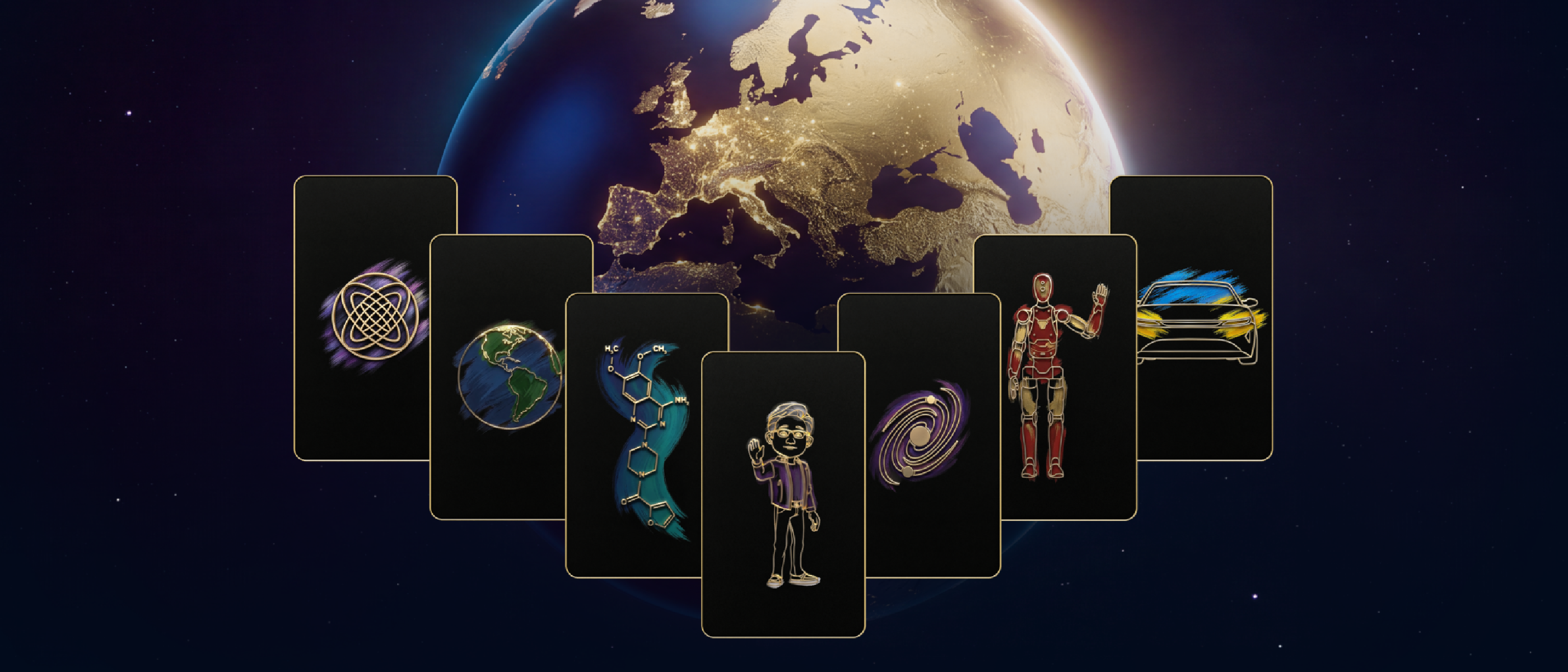
NVIDIA’s latest open‑model portfolio marks a decisive shift from proprietary, cloud‑only AI services to a democratized ecosystem where enterprises, research labs, and even nation‑state actors can run cutting‑edge models on premises. The announcement bundles seven distinct families—Nemotron, Kumo, Cosmos, Alpamayo, Bio Ne Mo, and Ising—each targeting a different data modality or application domain. By publishing the weights, training recipes, and inference micro‑services (NIMs) on platforms such as Hugging Face, Model Scope, and GitHub, NVIDIA gives developers the freedom to fine‑tune, embed, or completely re‑architect the models with locally sourced data.
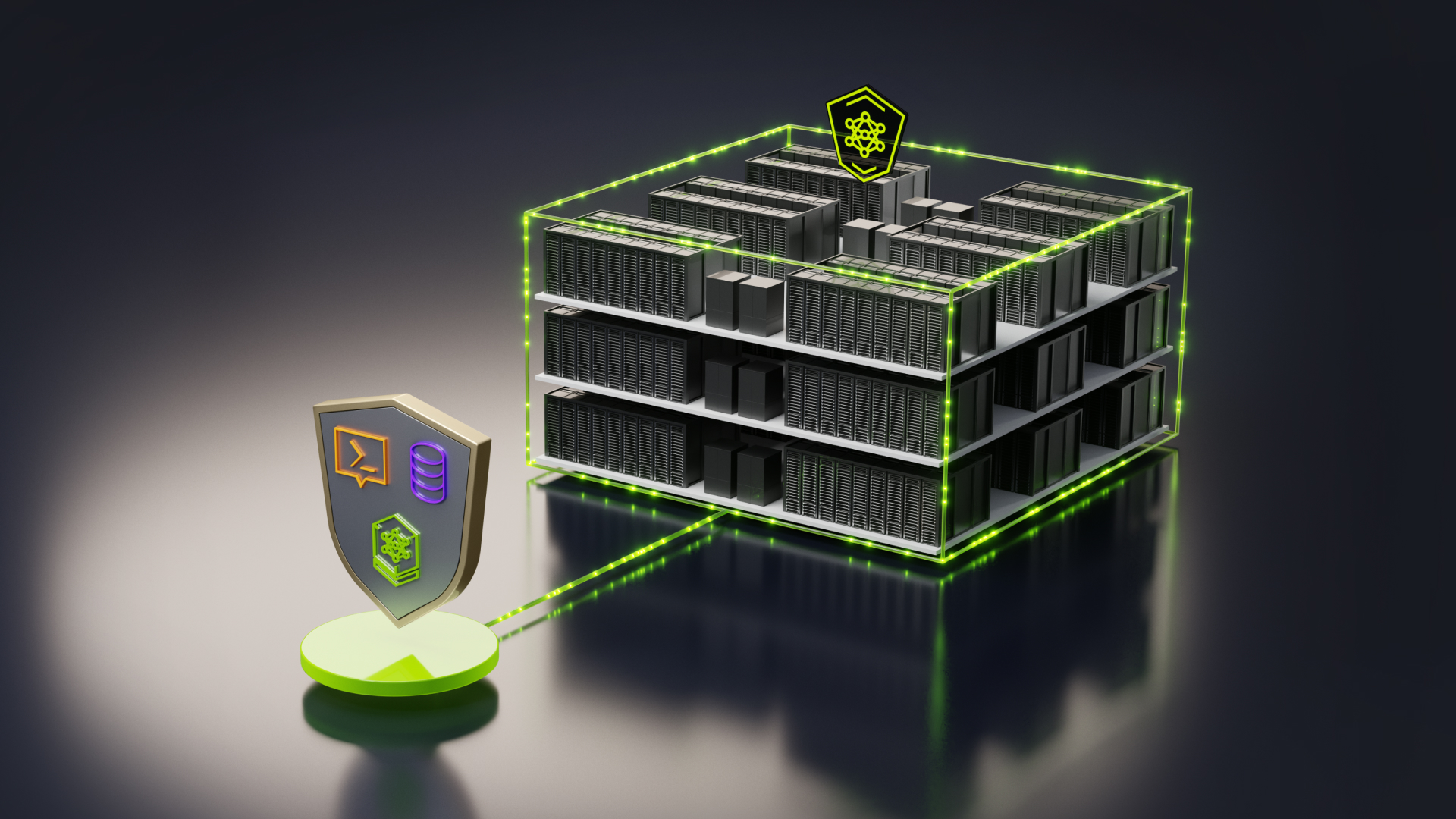
The strategic emphasis on sovereign intelligence—the ability to keep data, compute, and model ownership within a geographic or regulatory boundary—directly addresses Europe’s growing demand for AI that complies with GDPR, data‑locality laws, and industry‑specific standards. This move also aligns with NVIDIA’s broader push into secure AI, as detailed in its recent confidential‑computing expansion link .
Technical Breakdown of the Model Families
Nemotron 3.5 Suite
- Super VL – A multimodal language model that ingests text and images, enabling agents to reason over visual documents, schematics, or product photos. Its architecture blends a transformer encoder with a vision‑aware cross‑attention layer, allowing “see‑and‑act” workflows.
- Bolt – A lightweight variant optimized for latency‑critical inference, slated for release on October 23 (E4B 4 GB). It trims the parameter count while preserving the core reasoning pathways.
- Retriever – A set of embedding and reranking models that excel at semantic search across unstructured corpora. Integrated with NVIDIA’s NIM microservice, it can be dropped into existing pipelines with a single API call.
Kumo Structured & Engine
Kumo tackles the often‑overlooked world of tabular and relational data. The Structured models provide out‑of‑the‑box forecasting, anomaly detection, and causal inference, while the Engine supplies an open‑source library stack (Python, C++, Rust bindings) for building custom structured‑data foundation models. Early adopters such as Databricks and Coinbase report a 30 % reduction in model‑training cycles thanks to Kumo’s pre‑training on billions of rows of synthetic and real‑world tables.
Cosmos 3.5 and Data Factory
Cosmos is NVIDIA’s answer to the robotics and autonomous‑vehicle community. It bundles:
- Vision‑centric foundation models for perception and scene understanding.
- A Data Factory pipeline that automates data curation, labeling, synthetic augmentation, and evaluation—critical for safety‑critical domains where real‑world data is scarce.
Partners like Porsche (via Voxel51) and ANYbotics (with Encord) are already leveraging Cosmos to accelerate simulation‑to‑real transfer.
Alpamayo 2 Edge
Designed for NVIDIA DRIVE AGX Thor, Alpamayo 2 Edge delivers sub‑10 ms inference for motion planning and scene‑graph reasoning. Its compact architecture (≈200 M parameters) makes it suitable for edge‑compute nodes that cannot host the larger Nemotron models.
Bio Ne Mo RFD4‑Proteina
In the life‑science arena, Bio Ne Mo pushes protein‑design capabilities forward. Benchmarks show a 13× speedup over RFdiffusion 3 when generating 200‑amino‑acid sequences, while maintaining state‑of‑the‑art accuracy across ten design tasks. The model is openly available on GitHub and integrates with NVIDIA’s cuDSS acceleration library for rapid Monte‑Carlo sampling.
Ising Quantum Suite
Ising provides a unified foundation for quantum‑computing research, covering hardware calibration, error‑correction code generation, and quantum‑circuit simulation. By exposing the models on both GitHub and Hugging Face, NVIDIA lowers the barrier for academic groups and startups to experiment with quantum‑aware AI.
Why Sovereign AI Matters Now
Regulatory Pressure
Europe’s AI Act and similar regulations worldwide require that high‑risk AI systems be auditable, explainable, and, crucially, locally hosted. Open models let organizations keep raw data behind firewalls while still benefiting from world‑class pretrained knowledge. This reduces reliance on third‑party cloud providers that may be subject to cross‑border data transfers.
Economic Independence
Countries seeking to develop domestic AI talent can train or fine‑tune models on national supercomputing clusters, avoiding “vendor lock‑in.” NVIDIA’s partnership ecosystem—including Black Forest Labs, Mistral, and the broader Nemotron Coalition—creates a shared pool of expertise that can be tapped without paying per‑token licensing fees.
Security and Trust
Running models on‑premises eliminates exposure to supply‑chain attacks that target cloud‑hosted inference endpoints. When combined with NVIDIA’s confidential‑computing capabilities, organizations can encrypt model weights and data in memory, ensuring that even privileged insiders cannot extract proprietary information.
Industry Impact and Early Adopters
Enterprise Software and Cloud
Companies such as Salesforce, SAP, and Shopify are already integrating Nemotron‑based agents into their CRM and e‑commerce platforms, allowing customers to query product catalogs in native languages. The open‑source nature means these firms can host the models in private clouds, meeting enterprise‑grade SLAs.
Manufacturing and Logistics
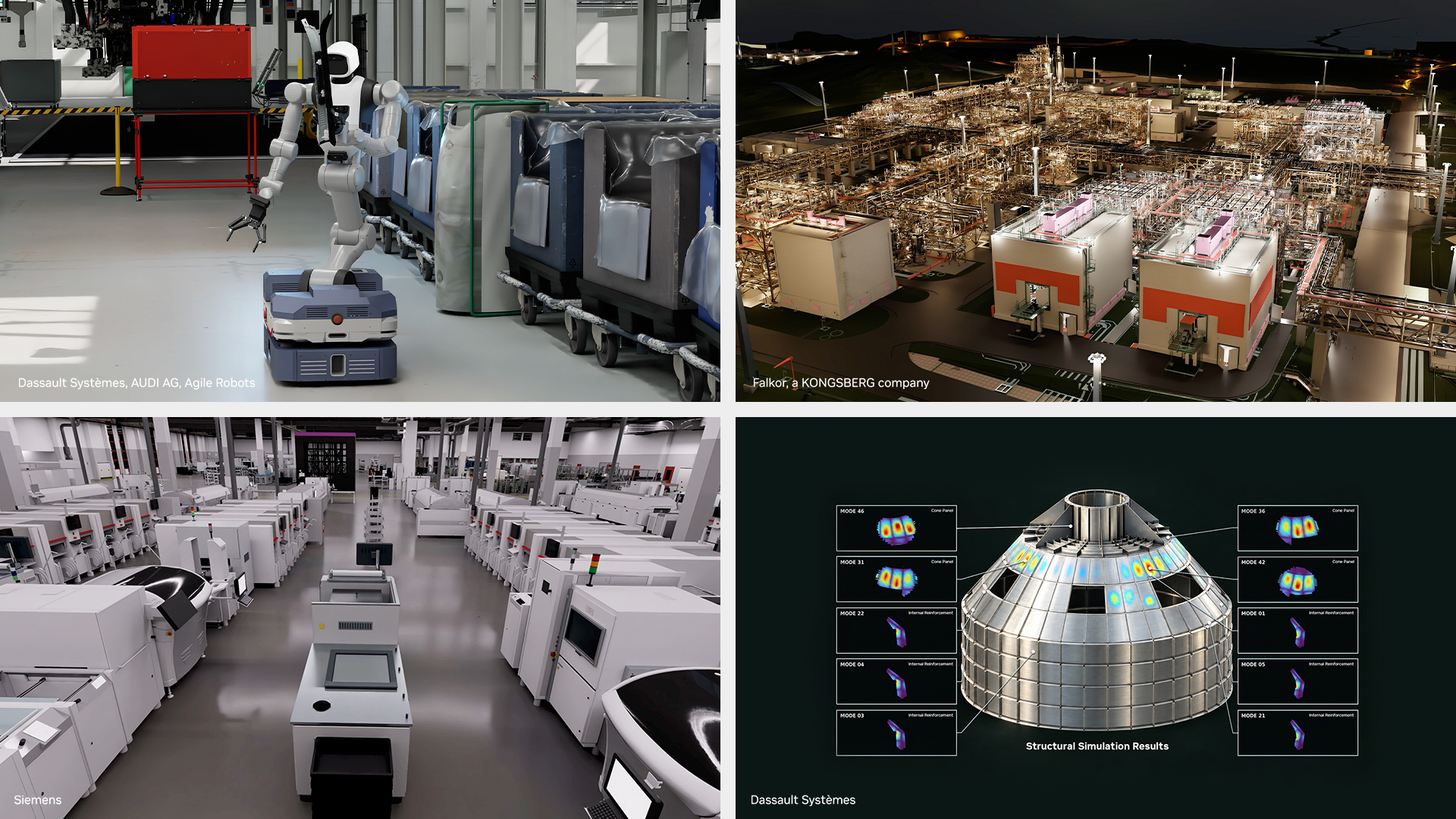
The European Factories Go AI‑First with NVIDIA Stack article link illustrates how manufacturers are using Kumo for predictive maintenance and demand forecasting. Logistics providers like CEVA and Zalando are pairing Sereact’s workflow orchestration with Cosmos to automate warehouse robotics.
Autonomous Vehicles
Alpamayo 2 Edge’s low‑latency inference is already being evaluated by autonomous‑driving pilots in Germany and Japan. By offloading perception to a dedicated edge model, vehicle manufacturers can reduce the compute budget on the main DRIVE AGX platform, extending battery life for electric fleets.
Life Sciences
Biotech startups are adopting Bio Ne Mo to accelerate antibody design pipelines. The 13× speed advantage translates directly into shorter R&D cycles, potentially shaving months off drug‑discovery timelines.
Quantum Computing
IQM Quantum Computers and SEEQC are testing Ising models to calibrate superconducting qubits, while AWS offers the models as part of its Braket service, enabling hybrid quantum‑classical workflows.
Future Outlook and Challenges
Scaling Open Models Sustainably
While open weights democratize access, the compute cost of training next‑generation models remains prohibitive for most organizations. NVIDIA’s strategy of releasing retriever and embedding components separately allows incremental upgrades without retraining the entire stack.
Interoperability Across Frameworks
Ensuring that Nemotron, Kumo, and Cosmos models work seamlessly with popular ML frameworks (PyTorch, TensorFlow, JAX) is an ongoing effort. NVIDIA’s NIM microservice abstracts the backend, but developers still need robust conversion tools for edge deployment.
Ethical Guardrails
Open models can be fine‑tuned for malicious purposes. NVIDIA mitigates this risk by publishing usage policies and integrating watermarking techniques that flag generated content. Community governance, similar to the approach taken by the Hugging Face model hub, will be essential.
The Role of the Agent Toolkit
NVIDIA’s Agent Toolkit, which grounds enterprise AI agents
The Role of the Agent Toolkit
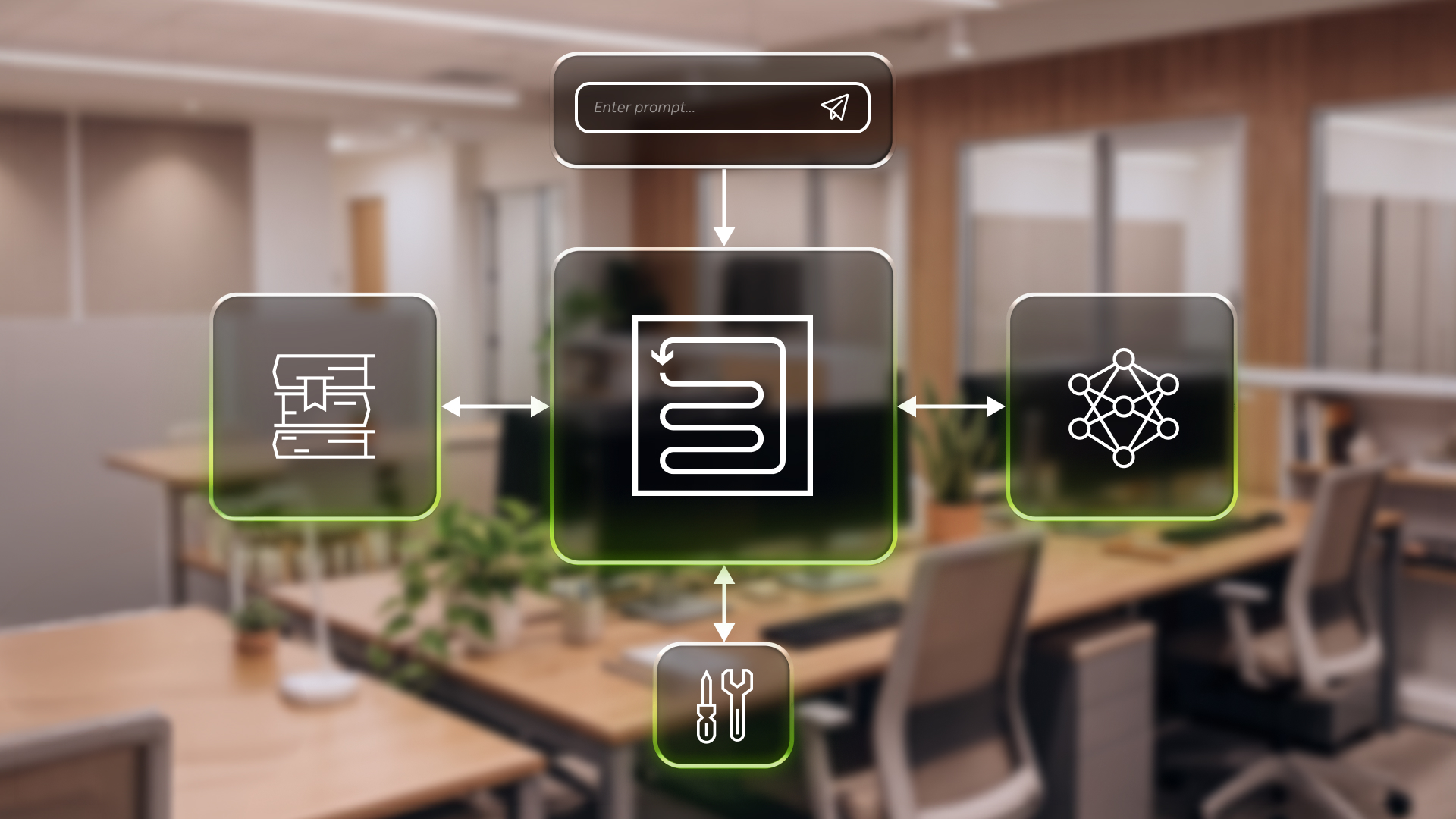
NVIDIA’s Agent Toolkit sits at the heart of the open‑model ecosystem, providing a unified interface for building, orchestrating, and deploying AI‑driven agents that can tap into any of the seven model families. The toolkit abstracts away the complexities of multimodal reasoning, state management, and tool‑calling, allowing developers to focus on domain‑specific logic.
- Unified API Layer – A single REST‑ful endpoint can route requests to Nemotron‑Super VL for document analysis, Kumo‑Structured for tabular forecasting, or Cosmos‑Vision for perception, based on the payload’s modality tag.
- Tool‑Calling Engine – Agents can invoke external services (e.g., a warehouse‑management API, a quantum‑circuit simulator, or a protein‑folding pipeline) through a plug‑and‑play connector library that automatically serialises inputs and parses outputs.
- Memory & Context Store – Persistent short‑term memory is persisted in an NVIDIA‑optimized vector database (built on Milvus) so that agents retain context across sessions without sacrificing latency.
- Safety Guardrails – Built‑in content filters, policy checkers, and watermark detectors enforce compliance with the AI Act and corporate governance rules before any response leaves the system.
By exposing the toolkit as an open‑source Python package (nvidia‑agent‑toolkit) and a set of Docker images, NVIDIA ensures that enterprises can run the full stack on‑premises, in private clouds, or at the edge—exactly the flexibility required for sovereign AI deployments.
Developer Experience and Ecosystem Support
One‑Click Deployment
NVIDIA’s NIM (NVIDIA Inference Microservice) framework bundles each model family into a container that can be launched with a single docker run command. The Agent Toolkit automatically discovers available NIMs on the host network and registers them in a service registry, eliminating manual endpoint configuration.
Fine‑Tuning Made Simple
The open‑source nvidia‑finetune CLI walks users through dataset preparation, LoRA (Low‑Rank Adaptation) injection, and hyper‑parameter tuning for any of the open models. Sample notebooks for each domain (language, robotics, biology, quantum) are hosted on the NVIDIA Developer portal, and a community‑driven hub on Hugging Face aggregates community‑contributed LoRA weights for niche languages and industry vocabularies.
Monitoring & Observability
Integrated with NVIDIA Morpheus and CloudWatch‑compatible metrics, the toolkit streams inference latency, token‑usage, and GPU utilization to a Grafana dashboard. Anomaly detection alerts trigger automatic model rollbacks or scaling actions, ensuring that mission‑critical agents remain performant under load.
Roadmap and Upcoming Releases
| Quarter | Milestone | Details |
|---|---|---|
| Q4 2026 | Nemotron 4.0 | Next‑generation multimodal model with 1 trillion parameters, optimized for 8‑bit inference on Hopper GPUs. |
| Q1 2027 | Kumo‑AutoML | Auto‑ML extension that automatically searches the optimal architecture for a given tabular dataset, delivering “no‑code” model generation. |
| Q2 2027 | Cosmos‑Sim | End‑to‑end simulation environment that couples physics‑based robotics simulators (Isaac Sim) with Cosmos agents for closed‑loop training. |
| Q3 2027 | Alpamayo 3 Edge | Sub‑5 ms inference target for ultra‑low‑latency autonomous‑driving stacks, leveraging the upcoming NVIDIA Grace‑CPU architecture. |
| Q4 2027 | Bio Ne Mo RFD5 | Expanded protein‑design suite supporting nucleic‑acid scaffolding and multi‑objective optimization. |
| 2028 | Ising‑Quantum‑Hybrid | Integrated workflow that combines Ising models with classical ML for error‑mitigated quantum circuit synthesis. |
These milestones underscore NVIDIA’s commitment to iteratively improve each model family while keeping the open‑source ethos intact.
Conclusion
NVIDIA’s open‑model portfolio is more than a collection of pretrained weights; it is a strategic infrastructure layer that empowers organizations to build sovereign AI solutions across the full spectrum of data modalities. By publishing the models, training recipes, and inference micro‑services, NVIDIA removes the traditional gatekeeper role of cloud‑only AI providers and hands control back to the entities that own the data.
The synergy between the Agent Toolkit, NIM deployment model, and a vibrant partner ecosystem creates a virtuous cycle: enterprises fine‑tune models on local data, share LoRA adapters back to the community, and collectively raise the baseline of AI capability while staying compliant with emerging regulations. As Europe and other regions double down on AI sovereignty, NVIDIA’s open‑model strategy positions it as a foundational pillar for the next generation of trustworthy, high‑performance AI across language, robotics, biology, and quantum computing.
FAQ
Q: Are the open models free to use for commercial purposes?
A: Yes. NVIDIA releases the weights under the Apache 2.0 license, which permits commercial use, modification, and redistribution. Certain enterprise‑grade features (e.g., NVIDIA‑optimized kernels) are available through the NVIDIA NGC catalog but are not required for basic inference.
Q: How do I ensure compliance with the EU AI Act when using these models?
A: Deploy the models on‑premises or within a sovereign cloud, enable the built‑in policy‑check module in the Agent Toolkit, and retain all training data locally. NVIDIA also provides a compliance‑reporting SDK that logs model provenance and inference decisions for audit trails.
Q: What hardware is required to run the largest models (e.g., Nemotron 3.5 Super VL)?
A: For optimal performance, NVIDIA recommends a DGX H100 system (8 × H100 GPUs) or any server equipped with Hopper‑based GPUs supporting TensorFloat‑32 and FP8 precision. Smaller variants (Bolt, Alpamayo 2 Edge) run comfortably on a single RTX 4090 or an NVIDIA Grace CPU‑GPU combo.
Q: Can I mix and match model families within a single agent workflow?
A: Absolutely. The Agent Toolkit’s routing layer can invoke Nemotron for natural‑language understanding, Kumo for tabular forecasting, and Cosmos for visual perception—all within the same orchestrated task.
Q: Where can I find community contributions such as LoRA adapters or data pipelines?
A: The NVIDIA Open Model Hub on Hugging Face aggregates community‑submitted adapters, fine‑tuned checkpoints, and example pipelines. NVIDIA also curates a weekly newsletter highlighting top contributions.
Q: How does NVIDIA handle model updates and security patches?
A: Updates are released as new Docker tags (e.g., nemotron-3.5-supervl:latest). Security patches are back‑ported to the previous major version for at least 12 months, and the NIM framework can hot‑swap containers without downtime.
Q: Is there support for non‑NVIDIA hardware?
A: While the models are optimized for NVIDIA GPUs, the open‑source codebase includes ONNX export scripts, enabling inference on other accelerators (e.g., AMD Instinct, Intel Xe). Performance may vary, and NVIDIA recommends using the TensorRT backend for best results on NVIDIA silicon.
Q: How can I contribute back to the open‑model ecosystem?
A: Fork the relevant repository on GitHub, submit a pull request with your fine‑tuned weights or code changes, and tag the PR with #open‑model‑contrib. NVIDIA’s community review team will validate and merge contributions that meet quality and licensing standards.
For deeper technical details, see the full NVIDIA Open Model documentation at https://developer.nvidia.com/open-models and the accompanying whitepaper on sovereign AI architectures.
Source: Original Article