




Background and Legislative Intent
California has long been a pioneer in privacy regulation. The state’s two‑party consent rule already makes it illegal to record a conversation without the agreement of all participants, and existing statutes prohibit electronic surveillance in areas where a reasonable expectation of privacy exists—changing rooms, medical offices, and similar spaces.
Senate Bill 1130 emerged from a series of high‑profile incidents involving covert recordings in private business environments. Proponents argued that the rapid adoption of wearable cameras—smart glasses, body‑mounted lenses, and even certain smartwatches—created a loophole that traditional statutes did not explicitly address. By codifying a specific definition of “wearable recording device” and attaching civil and criminal penalties, SB‑1130 sought to close that gap before the technology became ubiquitous.
The bill’s sponsor framed the legislation as a necessary update to protect victims of non‑consensual recording, citing cases where hidden devices captured intimate moments in changing rooms and medical examinations. The language was deliberately broad, aiming to encompass future form factors that could be concealed on a person’s body.
Key Provisions of SB‑1130
SB‑1130 contained five major requirements, each with distinct enforcement mechanisms:
Prohibition of Secret Recording – Any wearable that records video or audio in a private business area without the subject’s knowledge would be illegal. The statute defined “private business spaces” to include changing rooms, restrooms, and medical examination rooms, aligning with existing privacy expectations.
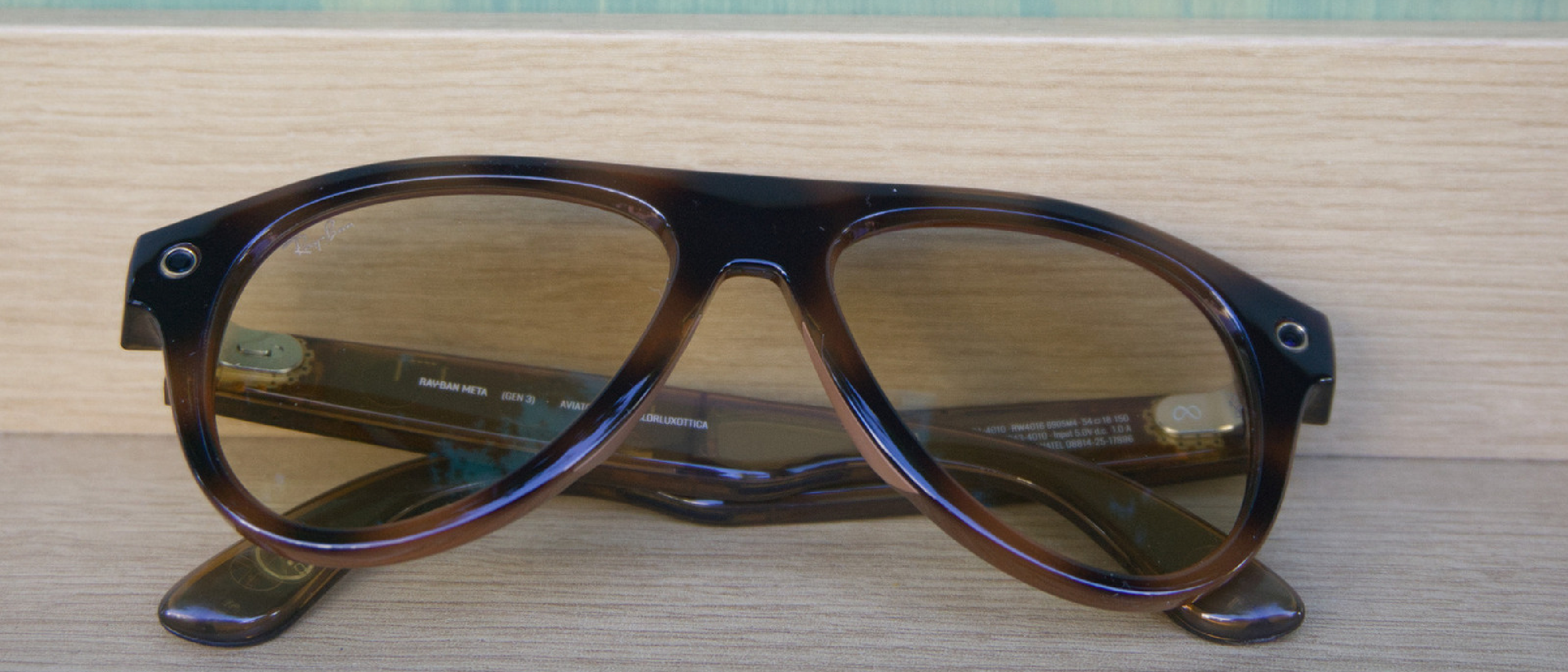
Mandatory Recording Indicator – Manufacturers would have to embed a visible
recording indicator that illuminates whenever the device is actively capturing video or audio. The indicator had to be “clearly visible to a reasonable observer” and could not be disabled by software updates or user settings.
Ban on Masking Technology – The bill prohibited the sale, distribution, or import of any accessory, coating, or firmware that could obscure or mute the recording indicator. This included anti‑glare films, infrared LEDs, and software that could dim the light without user knowledge.
Misdemeanor Definition – Operating a wearable recording device to capture sound or video of any person in a location where a reasonable expectation of privacy exists would be classified as a misdemeanor. The statute specifically referenced “places of business” to target commercial environments such as gyms, salons, and clinics.
Financial Penalties –
- Individuals – Up to $1,500 per violation, plus possible imprisonment of up to six months.
- Manufacturers & Sellers – Fines of up to $2,500 for each device sold or distributed without a compliant indicator, with repeat offenders facing escalating penalties.
Governor Newsom’s Veto Rationale
In a brief statement released to the press, Governor Gavin Newsom explained why he chose to veto SB‑1130:
“While protecting privacy is a top priority for California, this bill would make it a misdemeanor to operate a wearable recording device to capture sound or video of any other person in any area within a place of business where the person has a reasonable expectation of privacy.”
He continued, emphasizing unintended consequences:
“For example, the bill’s definition of ‘wearable recording device’ could include certain smartwatches or other worn devices widely used in public spaces and capable of recording which could lead to significant confusion and unintended consequences.”
Newsom noted that existing statutes already cover covert recordings in private spaces and that the bill’s broad language risked stifling innovation in a rapidly evolving market. He pledged to work with legislators on a more narrowly tailored approach that would address specific abuse cases without over‑reaching.
Industry Reaction
Tech Net’s Position
Tech Net, a coalition representing major technology firms—including manufacturers of smart glasses, wearables, and related components—issued a joint press release condemning the bill as “overly expansive” and “technologically impractical.” Their key arguments were:
- Broad Definitions – The term “wearable recording device” could be interpreted to cover devices that merely have a microphone or camera for legitimate purposes (e.g., video calls, fitness tracking).
- Compliance Burden – Adding a mandatory indicator to every device would require hardware redesigns, firmware updates, and costly certification processes.
- Consumer Impact – Users could see increased prices and reduced functionality, especially for devices that rely on discreet recording for safety (e.g., personal security wearables).
Privacy Advocates
Conversely, several privacy‑rights groups welcomed the bill’s intent, though they expressed disappointment at the veto. The California Civil Liberties Union (CCLU) released a statement saying:
“We applaud the effort to close a loophole that enables non‑consensual voyeurism. We hope the governor’s office will collaborate with legislators and civil‑society experts to craft legislation that protects victims without hampering legitimate technology.”
What the Veto Means for Californians
The immediate effect of the veto is that the status quo remains: existing privacy laws continue to govern covert recordings in private business spaces. However, the debate has sparked renewed legislative interest. Lawmakers have indicated they may introduce a revised bill that narrows the definition of “wearable” and focuses penalties on intentional, malicious recordings rather than inadvertent use.
For manufacturers, the veto preserves current product roadmaps. Companies can continue to ship smart glasses, AR headsets, and smartwatches without retrofitting a dedicated recording light, though many are voluntarily adding privacy notices in their user interfaces to pre‑empt future regulation.
For consumers, the decision means no new mandatory hardware indicator will appear on upcoming devices. Users should still be aware that California’s two‑party consent law applies to audio recordings, and that filming in places with an expectation of privacy remains illegal under existing statutes.
Looking Ahead
Legislators have signaled that a “clean‑up” version of SB‑1130 may be introduced in the next session. Potential adjustments being discussed include:
- Narrower Scope – Limiting the definition to devices whose primary function is recording (e.g., dedicated body cams) rather than multipurpose wearables.
- Opt‑In Indicator – Allowing manufacturers to implement software‑based alerts that can be toggled by the user, provided they meet a minimum visibility standard.
- Enhanced Enforcement – Shifting focus from civil penalties on manufacturers to stronger criminal penalties for individuals who deliberately record in private spaces.
Stakeholders are encouraged to submit comments during the upcoming public‑comment period, which the California Legislature has scheduled for early 2027.
Frequently Asked Questions (FAQ)
Q: Does the veto mean I can now legally record in a changing room with my smart glasses?
A: No. Existing California law already makes it illegal to record anyone in a location where they have a reasonable expectation of privacy, such as changing rooms, restrooms, or medical exam rooms. The veto simply leaves those statutes unchanged.
Q: Will my smartwatch need a flashing light when it records audio?
A: Under current law, no. The requirement for a visible indicator was specific to SB‑1130, which did not become law. However, manufacturers may voluntarily add visual cues to comply with best‑practice privacy standards.
Q: Could future legislation still force hardware changes on wearables?
A: Yes. If a revised bill passes, it could impose new design requirements. Companies typically adapt to regulatory changes, but any such mandate would likely be more narrowly defined than the original SB‑1130.
Q: How can I report a violation if I suspect someone is secretly recording in a private business space?
A: You can contact local law enforcement or the California Department of Consumer Affairs. In many cases, the business itself may also have internal policies and reporting mechanisms.
Q: Are there any federal laws that address wearable recording devices?
A: Federal privacy law is fragmented. The federal Wiretap Act and the Video Voyeurism Prevention Act address certain aspects of covert recording, but they do not specifically target wearable technology. States like California often lead with more comprehensive privacy statutes.
Conclusion
Governor Newsom’s veto of SB‑1130 underscores the delicate balance between safeguarding personal privacy and fostering technological innovation. While the bill’s ambitious provisions aimed to plug a perceived loophole, its broad language risked sweeping up everyday devices that pose no privacy threat. The existing legal framework in California already provides robust protections against non‑consensual recording in private spaces, but the conversation sparked by SB‑1130 has highlighted gaps that may need targeted legislative attention.
As wearable technology continues to evolve—from AR glasses that overlay digital information onto the real world to discreet health monitors—lawmakers, industry leaders, and privacy advocates will need to collaborate on nuanced solutions that protect citizens without stifling progress.
Source: Original Article