




What Is Signal Trace and How Does It Work?
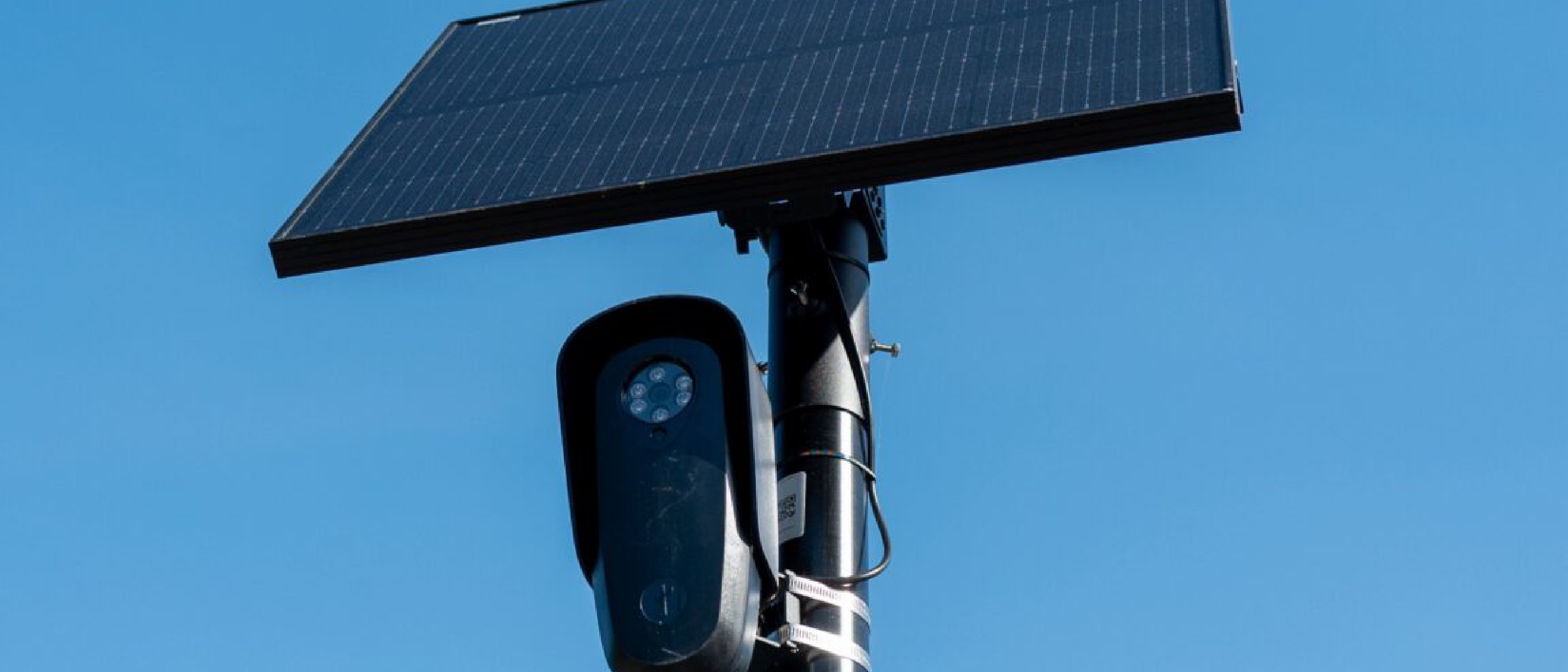
Leonardo’s Signal Trace system is a convergence of two mature surveillance technologies: automatic license‑plate readers (ALPR) and passive radio‑frequency (RF) device detection. An ALPR camera captures a vehicle’s plate as it passes a fixed point, instantly matching the number to a registration database. Simultaneously, a nearby RF sensor scans the 2.4 GHz and 5 GHz spectrum for Bluetooth, Wi‑Fi, and other consumer‑device emissions.
When the same set of device identifiers—smartphone MAC addresses, smartwatch UUIDs, or even earbuds—appears repeatedly in proximity to a particular plate, Signal Trace creates a digital fingerprint that binds the devices to that vehicle. The fingerprint is stored with a timestamp and geolocation, enabling analysts to query the data without ever needing the plate number itself.
In practice, an investigator can ask the system, “Show me all instances where this group of device signatures was seen within a 500‑meter radius of any ALPR capture in the last 30 days.” The answer is a map of vehicle movements, even if the plates were obscured, swapped, or otherwise unavailable.
Technical Breakdown of the Core Components
1. License‑Plate Reader Integration
- High‑resolution optics capture plates at speeds up to 120 km/h.
- Optical character recognition (OCR) software normalizes variations in font, lighting, and plate designs across jurisdictions.
- Edge‑cloud architecture pushes raw images to a local processing node, reducing latency and bandwidth usage.
2. Passive RF Device Detection
- Broadband antenna arrays monitor the 2.4 GHz and 5 GHz ISM bands, picking up Bluetooth Low Energy (BLE)
advertisements, Wi-Fi probe requests, and other periodic transmissions from consumer electronics.
- Device fingerprinting algorithms extract unique identifiers such as MAC addresses, Bluetooth device names, and service set identifiers (SSIDs) from captured signals. These identifiers are hashed to comply with privacy regulations while preserving their utility for pattern matching.
- Temporal-spatial correlation ensures that only devices consistently co-located with a vehicle over multiple detections are linked to its digital fingerprint. This reduces false positives from passing pedestrians or nearby buildings.
3. Data Fusion and Pattern Recognition
- Graph-based analytics model the relationships between devices, plates, and locations as nodes and edges in a dynamic network. This allows the system to infer connections even when direct observations are sparse.
- Machine learning models refine the digital fingerprint over time, adapting to changes such as new devices entering the vehicle or temporary disruptions in signal detection.
- Query interface provides investigators with a flexible tool to search for device signatures, plate numbers, or time-based patterns. Results are visualized on a map with overlays of ALPR captures and RF detections, enabling rapid assessment of movement patterns.
Real-World Applications and Implications
Law Enforcement and Investigations
Signal Trace’s primary use case is in criminal investigations, where it can help identify suspects or witnesses even when traditional evidence—such as a clear plate number—is lacking. For example:
- Hit-and-run cases: If a vehicle’s plate is obscured or swapped, investigators can use the digital fingerprint of devices inside the car to trace its movements.
- Stolen vehicle recovery: By tracking the devices associated with a stolen car, law enforcement can locate it even if the plate has been changed.
- Witness identification: In cases where a vehicle was present at a crime scene but its plate was not captured, Signal Trace can help identify potential witnesses based on their devices’ proximity to the scene.
Privacy Concerns and Ethical Considerations
While Signal Trace offers powerful investigative capabilities, its deployment raises significant privacy questions:
- Mass surveillance: The system’s ability to link devices to vehicles without explicit consent could enable widespread tracking of individuals, even those not suspected of wrongdoing.
- Data retention: The storage of digital fingerprints—even in hashed form—creates a permanent record of a person’s movements, raising concerns about misuse or unauthorized access.
- False positives: The risk of incorrectly linking devices to vehicles could lead to wrongful accusations or invasions of privacy, particularly in densely populated areas where signals may overlap.
Leonardo has stated that Signal Trace is designed with privacy safeguards, including data anonymization and strict access controls. However, critics argue that these measures may not be sufficient to prevent abuse, particularly in jurisdictions with weak oversight of surveillance technologies.
Commercial and Municipal Use Cases
Beyond law enforcement, Signal Trace has potential applications in:
- Traffic management: Cities could use the system to analyze vehicle flow patterns and optimize traffic signal timing without relying solely on plate data.
- Parking enforcement: By linking devices to vehicles, municipalities could identify repeat parking violators or enforce time-limited parking zones more efficiently.
- Fleet management: Companies could monitor the movements of their vehicles and associated devices, improving logistics and security.
Limitations and Challenges
Despite its capabilities, Signal Trace is not without limitations:
- Signal spoofing: Malicious actors could use devices that broadcast fake or randomized identifiers to evade detection, though Leonardo claims its algorithms can detect and filter such anomalies.
- Environmental interference: Urban canyons, tunnels, and other RF-obstructive environments may reduce the system’s accuracy, leading to gaps in data.
- Jurisdictional variability: Differences in privacy laws across regions could limit the system’s deployment or require modifications to comply with local regulations.
Conclusion
Leonardo’s Signal Trace represents a significant evolution in surveillance technology, merging license-plate readers with passive device detection to create a powerful tool for investigators. While its potential to aid law enforcement is clear, the system also underscores the growing tension between public safety and individual privacy. As Signal Trace and similar technologies become more widespread, policymakers, privacy advocates, and the public will need to grapple with how to balance these competing interests.
For now, Signal Trace remains a potent reminder of how deeply our digital and physical identities are intertwined—and how easily they can be tracked.
FAQ
How does Signal Trace differ from traditional license-plate readers?
Traditional ALPR systems rely solely on capturing and matching license plates to registration databases. Signal Trace goes further by linking those plates to the electronic signatures of devices inside or near the vehicle, creating a more comprehensive and persistent tracking capability.
Can Signal Trace identify the owner of a device?
No, Signal Trace does not directly identify the owner of a device. It links device signatures to vehicles, which may then be associated with a registered owner. However, the system itself does not store or reveal personal information about device owners unless combined with other databases.
Is Signal Trace legal?
The legality of Signal Trace depends on the jurisdiction. In regions with strict privacy laws, such as the European Union under GDPR, its deployment may be restricted or require explicit consent from individuals. In the U.S., its use is generally governed by local and state laws, which vary widely.
How can individuals protect their privacy from Signal Trace?
While complete avoidance may be difficult, individuals can take steps to reduce their digital footprint:
- Disable Bluetooth and Wi-Fi when not in use to limit signal emissions.
- Use randomized MAC addresses (available on many modern devices) to prevent consistent tracking.
- Avoid carrying multiple connected devices in a vehicle to reduce the likelihood of creating a unique digital fingerprint.
What are the alternatives to Signal Trace?
Other surveillance technologies with similar capabilities include:
- Cell-site simulators (Stingrays): These devices mimic cell towers to track mobile phones but are typically limited to law enforcement use.
- Facial recognition systems: These can identify individuals in public spaces but require clear images of faces.
- GPS tracking: While effective, it requires physical access to a vehicle or device, making it less scalable than Signal Trace.
Source: Original Article