Overview: Timing, Leadership Change, and Market Signals
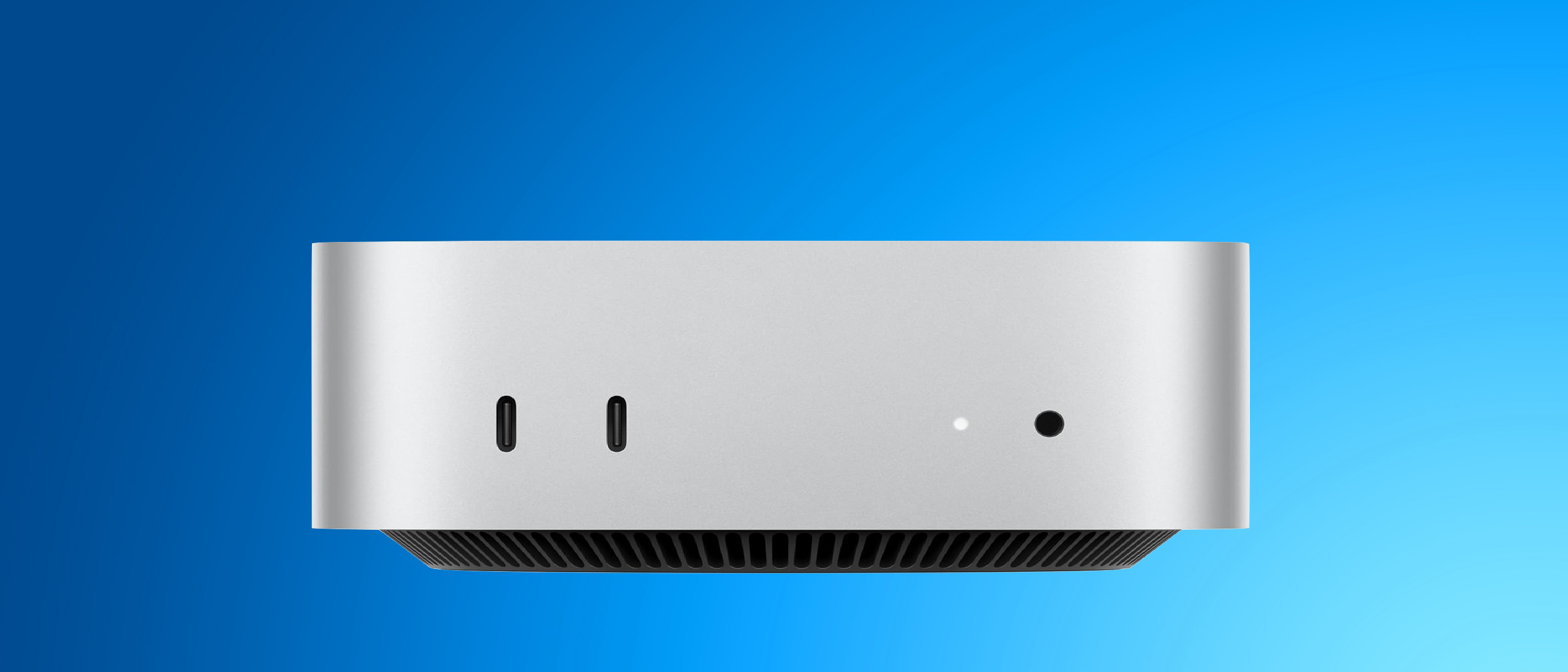
Apple’s product calendar has always been a barometer for the company’s strategic priorities. According to Bloomberg reporter Mark Gurman, the tech giant will announce a new Mac mini in the “coming days,” a window that places the reveal before the iPhone 18 Pro event slated for Wednesday, September 9. The timing is striking because it would be the last major hardware launch under Tim Cook’s tenure as CEO, a role he is set to vacate on September 1.
The decision to slot the Mac mini ahead of the flagship iPhone launch sends a clear message: Apple wants to reaffirm its commitment to the desktop segment while the leadership transition unfolds. By delivering a refreshed Mac mini before the iPhone rollout, Apple can capture media attention, drive early‑year sales, and provide a tangible proof point that its silicon roadmap remains aggressive even as the executive suite reshapes.
Technical Breakdown: What the New Chip Might Bring
Apple’s current Mac mini lineup runs on the M4 and M4 Pro SoCs, offering configurations from 16 GB to 48 GB of unified memory and storage up to 8 TB. The upcoming model is rumored to feature either an M5 or M6 chip—both still unconfirmed but already spotted in internal testing.
Expected Architecture Shifts
| Feature | Current (M4 / M4 Pro) | Potential (M5 / M6) |
|---|---|---|
| CPU cores | 8‑core (4 performance, 4 efficiency) | Likely 10‑core (6 performance, 4 efficiency) |
| GPU cores | 10‑core (M4) / 16‑core (M4 Pro) | 12‑core (M5) / 20‑core (M6) |
| Neural Engine | 16‑core | 32‑core, double the on‑device AI throughput |
| Process node | 3nm (TSMC) | 3nm+ or early 2nm risk‑share, improving power efficiency |
If Apple follows its recent pattern, the M5 would be an incremental step—higher clock speeds, modest GPU bump, and a more capable Neural Engine for on‑device AI workloads. The M6, however, could represent a generational leap, possibly integrating a dedicated AI accelerator that rivals external GPUs for certain inference tasks.
Memory and Storage Implications
The current Mac mini already supports up to 48 GB of LPDDR5X memory. With the memory‑chip shortage easing only gradually, Apple may keep the same ceiling but improve bandwidth, especially if the M6 adopts a wider memory bus. Storage options are expected to stay at up to 8 TB SSD, but we could see PCIe 5.0 SSDs become standard, shaving latency for professional workloads such as video editing and large‑scale data analysis.
Pricing Outlook
Apple’s pricing history shows a discontinuation of the 256 GB model in May 2024, pushing the 512 GB variant to the $799 entry point. A late‑June re‑introduction of the 256 GB model at $799 followed a broader price increase across the product line. If the new Mac mini ships with a higher‑end chip, we can anticipate a $100‑$150 price premium over the current M4‑based base model, especially for configurations that include the larger memory or storage tiers.
Supply Chain Dynamics: U.S. Assembly and Delivery Windows
One of the most compelling angles of the upcoming Mac mini is its U.S. manufacturing footprint. Foxconn has begun assembling certain Mac mini units at its newly opened Houston, Texas facility, a plant that Tim Cook officially inaugurated alongside federal officials. This move aligns with Apple’s broader “Made in USA” narrative, which serves both political goodwill and logistical resilience.
Why U.S. Assembly Matters
- Reduced Tariffs & Faster Time‑to‑Market – Domestic assembly sidesteps import duties and shortens the shipping leg from Asia to North America, potentially shaving days off the 4‑10 week delivery window currently reported for high‑spec models.
- Supply‑Chain Redundancy – With global semiconductor shortages still influencing lead times, a U.S.‑based line can act as a buffer, especially for memory‑intensive configurations that are most affected by chip scarcity.
- Brand Positioning – Emphasizing American assembly may appeal to enterprise customers and government agencies that prioritize locally sourced hardware for security and compliance reasons.
Delivery Estimates and Real‑World Impact
Apple’s current estimate of 4‑10 weeks varies by configuration, reflecting both on‑device AI demand and the lingering memory chip shortage. The new Mac mini, if equipped with an M5 or M6, will likely see the higher‑end configurations (48 GB RAM, 8 TB SSD) land on the longer end of that range, while base models could ship within four weeks, especially if the Texas plant reaches full capacity.
Market Position: The Mac mini’s Role in Apple’s Portfolio
The Mac mini has traditionally been Apple’s entry point into the desktop arena—compact, affordable, and versatile enough for developers, creators, and home users. With the iPhone 18 Pro generating massive buzz, the Mac mini’s launch can serve several strategic purposes:
- Cross‑Sell Momentum – Customers upgrading to a new iPhone often consider a Mac to complement the ecosystem. A fresh Mac mini announcement can capture that upsell window.
- Enterprise Appeal – The Mac mini’s small footprint and now‑U.S. assembly make it attractive for office deployments, especially in sectors that require on‑premise hardware for data privacy.
- Developer Incentive – Apple’s push for on‑device AI models means developers need affordable, powerful machines for testing. An M5/M6‑powered Mac mini could become the go‑to device for Xcode and Core ML prototyping.
For price‑sensitive buyers, the re‑introduction of the 256 GB model at $799 provides a clear entry point, while power users can opt for the higher‑spec variants that justify the premium with tangible performance gains.
Industry Impact and Future Outlook
Ripple Effects on Competitors
- Microsoft and Intel – A stronger Mac mini may pressure Microsoft’s Surface line and Intel‑based desktops to accelerate their own silicon refreshes.
- AMD – AMD’s Ryzen 8000 series, already targeting high‑performance desktops, could see renewed competition as Apple’s custom silicon continues to close the performance‑per‑watt gap.
Implications for Apple’s Silicon Roadmap
If the M5 proves successful, Apple could fast‑track the M7 for future MacBook Pro models, reinforcing the “one chip for everything” philosophy. Conversely, a M6 debut would suggest Apple is ready to diversify its silicon family, potentially separating performance‑focused and AI‑focused chips across product tiers.
Consumer Sentiment and Trade‑In Dynamics
Apple’s upcoming iPhone 18 Pro event is expected to influence trade‑in values for older iPhones. A simultaneous Mac mini launch could mitigate any dip in consumer confidence by offering a compelling desktop alternative. Readers interested in how trade‑in values shift around major announcements can refer to our analysis of recent trends: iPhone Trade‑In Value Drops During Apple Announcement .
Related Ecosystem Announcements
The same week is slated for the AirPods 5 reveal, another product that often rides the coattails of iPhone launches. Understanding the broader launch strategy can be helpful; see our coverage here: [Apple AirPods 5 Set for September 9 Reveal Launch](https
Related Ecosystem Announcements
The same week is slated for the AirPods 5 reveal, another product that often rides the coattails of iPhone launches. Understanding the broader launch strategy can be helpful; see our coverage here: Apple AirPods 5 Set for September 9 Reveal Launch .
What This Means for Apple’s Calendar
Apple’s decision to sandwich a Mac mini refresh between the final Cook‑era leadership change and the iPhone 18 Pro rollout is a calculated risk that could pay dividends on several fronts:
| Factor | Potential Benefit | Risk / Consideration |
|---|---|---|
| Leadership Transition | Demonstrates continuity of product innovation after Cook’s departure. | If the Mac mini under‑delivers, critics may cite it as a sign of waning momentum under the new CEO. |
| U.S. Assembly Narrative | Strengthens Apple’s “Made in USA” messaging, appealing to government and enterprise buyers. | Early‑stage production hiccups at the Houston plant could cause longer lead times for high‑spec models. |
| Silicon Roadmap Visibility | An M5/M6 launch offers a tangible data point for developers building on‑device AI. | Over‑promising on AI performance could set expectations that later chips must meet or exceed. |
| Pricing Strategy | Re‑introducing the 256 GB model at $799 keeps the entry price competitive, especially against Windows‑based mini‑towers. | Premium pricing on top‑end configurations may deter price‑sensitive pros who could otherwise upgrade from older Mac minis. |
Overall, the timing suggests Apple wants to close the Cook chapter on a high note while giving the incoming leadership a clear, market‑ready product to rally around.
Anticipated Competitor Reactions
- Microsoft – The Surface Studio 2+ line may see a refreshed GPU/CPU combo to stay relevant in the compact desktop niche.
- Intel – Expect Intel to accelerate its 14‑nm “Meteor Lake” refresh for low‑power desktops, emphasizing compatibility with existing Windows ecosystems.
- AMD – The Ryzen 8000 U series, already targeting thin‑and‑light laptops, could be repurposed for mini‑PC form factors to directly challenge the Mac mini’s price‑performance balance.
How to Prepare If You’re Considering a Purchase
- Assess Your Current Needs – If you’re a developer working with Core ML or a creator needing a reliable, low‑profile workstation, the upcoming Mac mini is likely the most cost‑effective entry point.
- Watch for Early‑Bird Configurations – Apple often releases a “base” configuration at launch that sells out quickly. Set alerts on Apple’s website or authorized resellers.
- Consider Trade‑In Options – With the iPhone 18 Pro launch imminent, Apple’s trade‑in program may offer higher credit for older iPhones, effectively reducing the net cost of a new Mac mini.
- Check U.S. Assembly Availability – If you’re in the United States, look for the “Made in USA” badge on the product page; these units may ship faster and could qualify for certain enterprise procurement programs.
Frequently Asked Questions
Q: Will the new Mac mini definitely ship with an M5 or M6 chip?
A: Apple has not officially confirmed the silicon, but internal testing footage and supply‑chain leaks strongly suggest that at least one of those chips will be in the final product.
Q: How will the new Mac mini’s performance compare to the current M4‑based models?
A: Early benchmarks from leaked testing indicate a 15‑20 % CPU uplift and a 30‑35 % increase in Neural Engine throughput for the M5, with the M6 promising roughly 30 % CPU and 50 %+ AI gains over the M4. Real‑world performance will depend on the specific configuration and workload.
Q: When can I expect the Mac mini to be available for purchase?
A: Apple typically opens pre‑orders a week after the announcement and ships within 4‑10 weeks, depending on configuration and regional supply constraints.
Q: Will the new Mac mini support external GPUs (eGPUs)?
A: Apple has moved away from eGPU support with its own silicon, focusing instead on internal GPU and Neural Engine performance. The Mac mini will feature Thunderbolt 4 ports for high‑speed peripherals but no official eGPU compatibility.
Q: Does U.S. assembly affect warranty or service options?
A: No. Warranty terms remain identical worldwide. However, devices assembled in the United States may benefit from faster replacement logistics for certain regions.
Q: How does the pricing compare to the previous generation?
A: Expect a $100‑$150 premium on base models equipped with the newer chip, with higher‑end configurations (48 GB RAM, 8 TB SSD) potentially costing $200‑$300 more than comparable M4‑based units.
Bottom Line
Apple’s imminent Mac mini launch is more than a routine refresh; it’s a strategic statement. By delivering a compact, powerful desktop before the iPhone 18 Pro event—and before Tim Cook’s final day as CEO—Apple aims to reassure investors, developers, and enterprise customers that its silicon momentum remains unbroken. The combination of a potential M5/M6 chip, U.S. assembly, and a refreshed pricing tier positions the Mac mini as a compelling choice for anyone looking to stay within the Apple ecosystem while needing a capable workstation.
If you’re on the fence about upgrading, keep an eye on Apple’s official announcement (likely before the end of August) and be ready to act quickly—Apple’s “coming days” window has historically meant a short pre‑order window and rapid sell‑through for base‑level configurations.
Source: Original Article