



The Leaks in Context
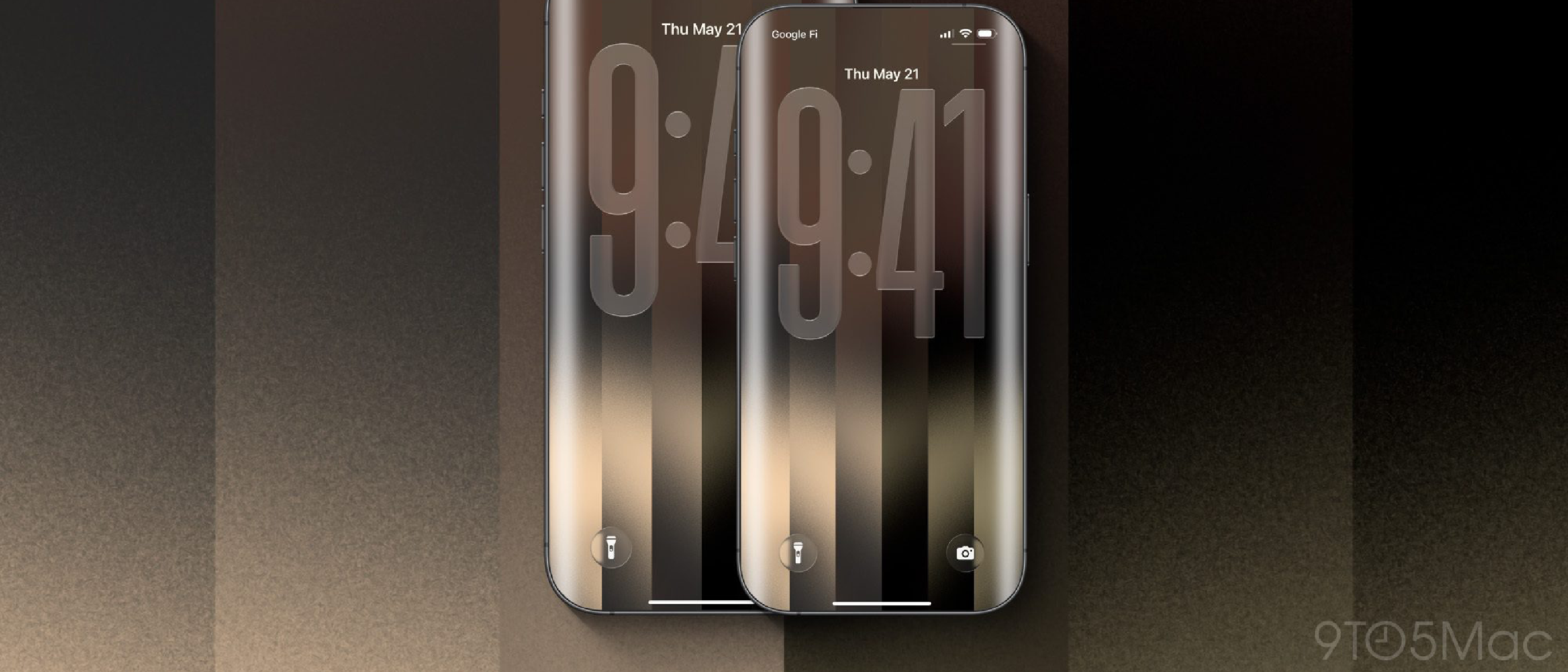
Two separate sources have surfaced with tantalizing hints about Apple’s roadmap for 2025. The first set of images, traced back to a network of leakers that have previously supplied 9to5Mac and 9to5Toys, suggests a substantial visual overhaul of the next‑generation iPhone Pro. The second, more speculative, leak mentions an “iPhone Duo 2” – a name that has never appeared in Apple’s official nomenclature. While the raw data does not enumerate specifications, the very existence of these rumors forces analysts to reconsider Apple’s product cadence, especially after the company’s recent focus on Vision Pro and services.
The journalist Ryan, known for his deep Apple coverage at Mac Stories and his co‑hosting duties on the Adapt podcast (Relay FM), is the primary conduit for these details. His credibility, built on years of accurate reporting, adds weight to the claims, even though the leaks remain unconfirmed by Apple.
Why It Matters: Market Expectations and Consumer Sentiment
Apple’s flagship smartphones have long been the barometer for premium mobile design. A redesign of the iPhone Pro could signal several strategic shifts:
- Design language evolution – Apple may finally retire the notch or further shrink the Dynamic Island, aligning the iPhone’s silhouette with the sleek aesthetics of the Vision Pro headset.
- Component integration – Rumors of a larger sensor package and a potential shift to a new silicon node could affect performance benchmarks and battery life.
- Pricing dynamics – A redesign often justifies a price increase, which could reshape the high‑end market segment.
From a consumer perspective, the iPhone Duo 2 hints at a possible dual‑screen or foldable experiment, a direction Apple has historically avoided. If true, it would place Apple in direct competition with Samsung’s Galaxy Z series and could revive interest among power users seeking multitasking capabilities without sacrificing the iOS ecosystem.
The broader ecosystem impact is also noteworthy. NFC functionality, a cornerstone of Apple Pay and contactless interactions, may receive a hardware boost. For readers interested in NFC alternatives, see our guide on free NFC apps: You Dont Need To Pay For Distraction Blocking Software.
Technical Breakdown: What Could Change in the iPhone Pro
Even without concrete specs, the visual cues from the leaked renders allow us to hypothesize about engineering priorities.
Display and Form Factor
- Reduced bezel – The images show a near‑edge‑to‑edge display, suggesting a possible 1‑mm bezel on all sides.
- Under‑display camera – A subtle dark spot where the front‑facing camera sits hints at an under‑display sensor, a technology Apple has been rumored to perfect for years.
Processor and Architecture
Apple’s transition to its own silicon has been relentless. The next iPhone Pro is likely to debut the A18 Bionic or a variant thereof, built on a 3‑nm process. This would bring:
- Up to 30% performance uplift over the A17.
- Improved neural engine throughput, supporting more advanced on‑device AI tasks.
Security Enhancements
Apple’s emphasis on privacy could translate into a new Secure Enclave design, possibly integrating hardware‑based anti‑tamper mechanisms. For a deeper look at Apple’s security ecosystem, refer to the recent coverage of Mac security tools: Your Mac Isnt Immune To Viruses Surveillance Tools Intego One Is Here To Help.
Camera System
The rear module appears larger, with a possible quad‑lens configuration. Expect:
- A 48‑MP primary sensor with larger pixel size.
- Per‑pixel readout improvements for better low‑light performance.
- Advanced computational photography pipelines leveraging the upgraded neural engine.
The iPhone Duo 2: Conceptual Possibilities
The “iPhone Duo 2” moniker is ambiguous. It could refer to:
- A dual‑screen device – Two independent OLED panels hinged together, enabling a seamless multitasking experience.
- A foldable form factor – A single flexible display that folds inward, preserving a compact footprint while offering a tablet‑sized screen when opened.
- A companion device – A smaller, perhaps “lite” iPhone that pairs with the main Pro model, similar to the Apple Watch’s relationship with the iPhone.
If Apple pursues a dual‑screen approach, it would need to address:
- Durability – Flexible glass technology must meet Apple’s high durability standards.
- Software adaptation – iOS would require substantial UI changes to manage two active screens, a challenge that could be mitigated by leveraging the existing multitasking framework used on iPadOS.
- Supply chain considerations – Foldable displays are currently sourced from a limited set of manufacturers, potentially affecting production timelines.
Industry Impact and Competitive Landscape
Apple’s potential redesign and the introduction of a Duo‑style device would reverberate across the mobile industry.
- Samsung and Huawei – Both have invested heavily in foldable technology. An Apple entry could accelerate innovation, pushing competitors to refine hinge mechanisms and software integration.
- Google’s Pixel line – With the Pixel Fold already on the market, Apple’s move could intensify the “Android vs. iOS” narrative, especially around ecosystem lock‑in and cross‑device continuity.
- Regulatory scrutiny – Apple’s hardware expansions often attract attention from regulators, as seen in the recent Senate hearings on AI‑driven “nudify” apps: Apple Among The Companies Facing Pressure From Us Senators Over Nudify Apps. Any new form factor will likely be examined for compliance with privacy and competition standards.
Future Outlook: What to Watch in 2025 and Beyond
While the leaks remain unverified, several indicators can help observers gauge Apple’s direction:
- Supply‑chain signals – Increases in orders for flexible OLED panels from Samsung Display or BOE could corroborate a foldable device.
- Patent filings – Recent USPTO submissions related to under‑display cameras and dual‑screen hinges provide a legal trail.
- Developer conferences – WWDC 2025 may showcase new APIs for multi‑screen management, hinting at software readiness for a Duo device.
Consumers should also monitor pricing rumors. Historically, a major redesign coincides with a 10‑15% price bump for the Pro line, while a novel form factor could command a premium that reshapes the high‑end market.
Frequently Asked Questions
Q1: When will the next iPhone Pro be officially announced? A: Apple traditionally unveils its flagship iPhone in September. If the redesign proceeds as leaked, an announcement is expected in September 2025.
Q2: Is the iPhone Duo 2 a confirmed product? A: No. The name appears only in speculative leaks. Apple has not confirmed any dual‑screen or foldable iPhone.
Q3: Will the new iPhone Pro support the existing accessories? A: Apple typically maintains compatibility with MagSafe, AirPods, and existing cases for at least one generation. However, a major chassis change could require new case designs.
Q4: How will the under‑display camera affect photo quality? A: Early prototypes have shown mixed results, but Apple’s computational photography stack may compensate for any loss in light transmission, delivering comparable or better results than current front‑facing cameras.
Q5: Could the iPhone Duo 2 replace the iPad mini? A: If the Duo offers a tablet‑sized display in a pocketable form, it could encroach on the iPad mini’s niche, but Apple may position the devices for distinct use cases—phone‑centric vs. pure tablet experiences.
The emerging picture of Apple’s 2025 hardware roadmap suggests a bold visual redesign for the iPhone Pro and a daring exploration of dual‑screen or foldable technology with the rumored iPhone Duo 2. Whether these concepts materialize will depend on engineering feasibility, supply‑chain readiness, and regulatory climate. For now, enthusiasts and analysts alike should keep a close eye on component orders, patent activity, and Apple’s own messaging at upcoming events.
Source: Original Article