



The Rumor Landscape: What We Know So Far
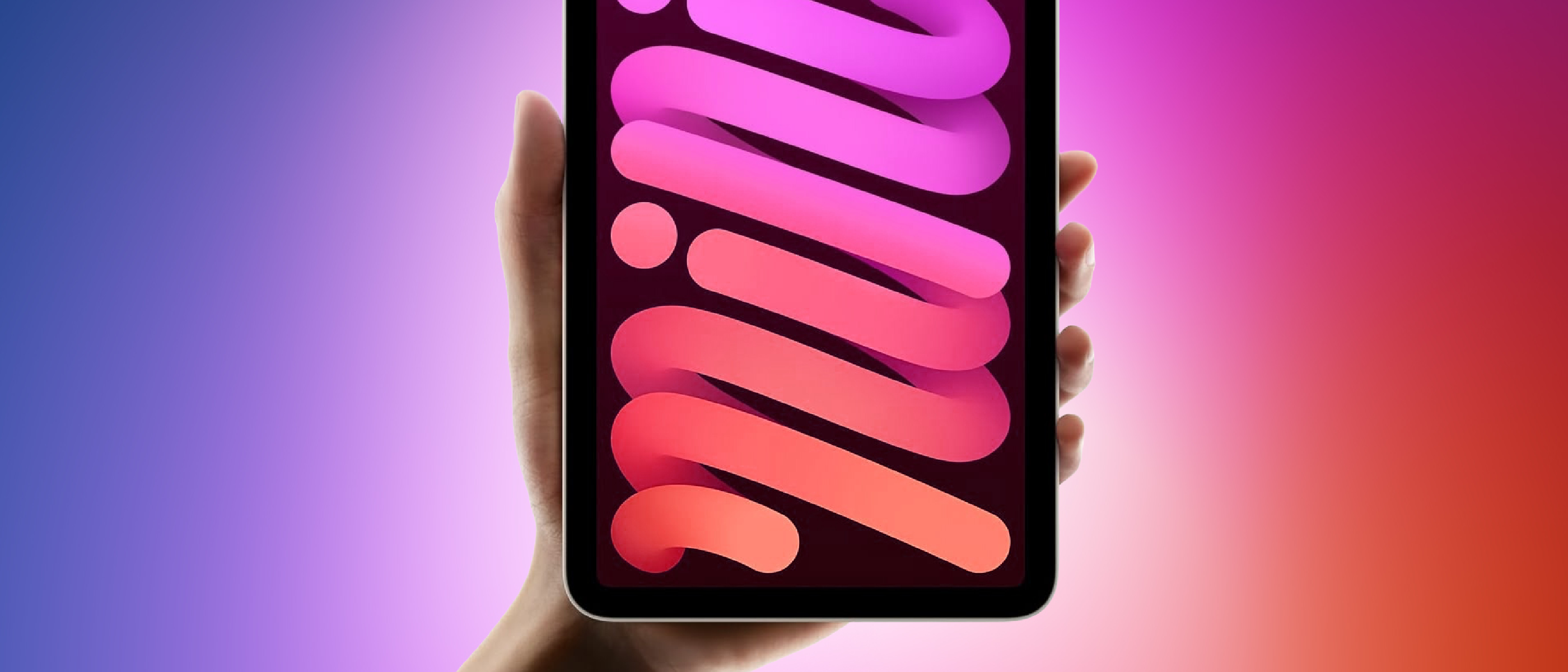
Mark Gurman of Bloomberg has been the most reliable source for Apple’s product pipeline in recent years. His latest note describes a “major processor leap” slated for the next iPad mini, with an expected launch in October. While Apple has not confirmed any details, the rumor mill has converged on several concrete specifications:
- Chipset: Either the A19 Pro or the newer A20 Pro, both positioned as a step up from the current A17 Pro that powers the 2024 iPad mini.
- Display: An OLED panel, a first for the mini line, promising deeper blacks and higher contrast.
- Audio: A vibration‑based speaker system that could replace the traditional diaphragm design.
- Durability: Improved water resistance, potentially reaching an IPX rating.
These elements suggest Apple is targeting a premium‑mid‑range tablet that can compete directly with Android flagships while preserving the mini’s compact form factor.
Processor Leap: A20 Pro vs. A17 Pro
Architectural Gains
The A17 Pro, built on a 3‑nm process, already delivers impressive GPU performance for a tablet of this size. However, the rumored A20 Pro is expected to push the envelope further:
| Feature | A17 Pro | A20 Pro (rumored) |
|---|---|---|
| Process node | 3 nm | 2 nm (or enhanced 3 nm) |
| CPU cores | 6 (2 high‑perf, 4 efficiency) | 8 (4 high‑perf, 4 efficiency) |
| GPU cores | 5‑core | 6‑core + hardware‑accelerated ray tracing |
| Neural Engine | 16‑core | 24‑core, 30% faster ML inference |
| Power efficiency | Baseline | Up to 20% lower per‑frame power draw |
If the A20 Pro follows Apple’s typical cadence, the move to a finer process node (potentially 2 nm) would enable higher transistor density, translating into both raw performance and better thermal characteristics—critical for a device that can be held in the hand for hours.
Real‑World Impact
- Creative Workflows: Photo and video editing apps will see smoother timelines, especially when leveraging the upgraded Neural Engine for on‑device AI filters.
- Gaming: The extra GPU core and ray‑tracing support could bring console‑grade titles to a 7‑inch screen without throttling.
- Battery Life: Despite higher performance, the efficiency gains should keep the mini’s all‑day battery claim intact, a key selling point for students and professionals on the go.
Apple’s decision to leapfrog the A19 Pro and aim directly for the A20 Pro mirrors its strategy with the MacBook Air M2, where a single generational jump delivered a noticeable user experience boost. For a product that historically lagged behind the iPad Pro in raw power, this could be a turning point.
Display and Audio: OLED & Vibration‑Based Speaker
OLED Advantages
The transition from LCD to OLED is more than a marketing buzzword. OLED panels offer:
- True Blacks: Each pixel can turn off completely, improving contrast ratios dramatically.
- Higher Peak Brightness: Modern OLEDs can exceed 600 nits, making the mini usable outdoors.
- Energy Savings: Darker UI elements consume less power, complementing the new chip’s efficiency.
Apple’s recent OLED implementations in the iPhone 15 series have demonstrated excellent color accuracy and durability. Bringing that technology to the mini line will likely raise the device’s appeal to designers and media consumers who value visual fidelity.
Vibration‑Based Speaker System
Traditional speakers rely on a diaphragm that moves air to create sound. A vibration‑based system, sometimes called a “haptic speaker,” uses the device’s chassis to transmit sound vibrations directly to the user’s ear. This approach offers:
- Uniform Sound Distribution: Audio emanates from the entire body, reducing the need for a dedicated speaker grille.
- Improved Water Resistance: Fewer openings mean a tighter seal, aligning with the rumored IPX rating.
For readers interested in the science behind this, the article on Noise Canceling Tech provides a solid foundation on how vibration can be harnessed for both sound and noise mitigation.
Durability: Water Resistance and Build Quality
Apple has traditionally offered limited water resistance on its tablets—most iPad models are rated IPX8 for the iPad Pro but not for the mini. The rumored “increased water resistance” could bring the mini up to an IPX7 rating, allowing it to survive immersion up to 1 meter for 30 minutes. This would be a significant differentiator for:
- Students: Accidental spills in classrooms become less catastrophic.
- Field Professionals: Architects, engineers, and photographers often work in environments where moisture is a risk.
Coupled with a slimmer bezel and a potential redesign of the chassis, the new mini could feel more premium while retaining its hallmark portability.
Market Implications and Competitive Landscape
Apple’s Product Strategy
Apple’s decision to refresh the iPad mini now, rather than waiting for a full redesign of the iPad Air, signals a strategic push to fill the “compact tablet” niche. The move aligns with the company’s broader hardware roadmap, as seen in the recent Apple Shelved Mac Pro Prototypes , where Apple chose to streamline its product line and focus on devices with clear market demand.
Competition
- Samsung Galaxy Tab S9: Already offers an OLED display and Snapdragon 8 Gen 3, but its price point is higher.
- Microsoft Surface Go 4: Runs full Windows 11, appealing to productivity users, yet lacks the iPad’s app ecosystem.
If the iPad mini can deliver the promised hardware upgrades at a competitive price, it could reclaim the “best small tablet” title that the iPad Air previously held.
Ecosystem Synergy
The mini’s upgraded hardware will also benefit Apple’s software services. For instance, tighter integration with Apple Wallet—covered in depth in the article Apple Wallet Insights —could enable richer on‑device payment experiences, leveraging the faster Neural Engine for secure authentication.
Frequently Asked Questions
Q: Will the new iPad mini support the Apple Pencil 2?
A: While Apple has not confirmed, all recent iPad models that feature OLED displays have retained support for the second‑generation Apple Pencil, so it is highly likely.
Q: How will the price compare to the current iPad mini?
A: No official pricing has been disclosed. Historically, Apple has kept the mini’s price within the $500‑$700 range, even after major upgrades. Expect a similar bracket unless the OLED panel drives costs higher.
Q: Is the vibration‑based speaker compatible with headphones?
A: The device will still include a standard 3.5 mm headphone jack or Lightning/USB‑C audio output, ensuring users can switch to traditional headphones when needed.
Q: Will the new iPad mini run iPadOS 18?
A: Apple typically ships new hardware with the latest OS version. iPadOS 18 is slated for a fall release, aligning perfectly with the October launch window.
Q: Does the water resistance affect the device’s weight?
A: Adding seals and a more robust chassis may add a few grams, but Apple’s engineering focus on thinness suggests any weight increase will be marginal.
Conclusion
The upcoming iPad mini appears poised to redefine what a compact tablet can achieve. By pairing an OLED display with a next‑generation A20 Pro processor, Apple is delivering a “major processor leap” that could finally bring the mini on par with its larger siblings in terms of performance, while still offering the portability that made it a favorite among students and creators. The addition of a vibration‑based speaker and enhanced water resistance further strengthens its appeal in real‑world scenarios.
If the rumors hold true, the October launch will not only refresh a beloved product line but also signal Apple’s commitment to iterating across its entire device ecosystem—mirroring the strategic product decisions highlighted in the recent Mac Pro prototype story. For anyone watching the tablet market, the new iPad mini will be a benchmark to watch.
Source: Original Article