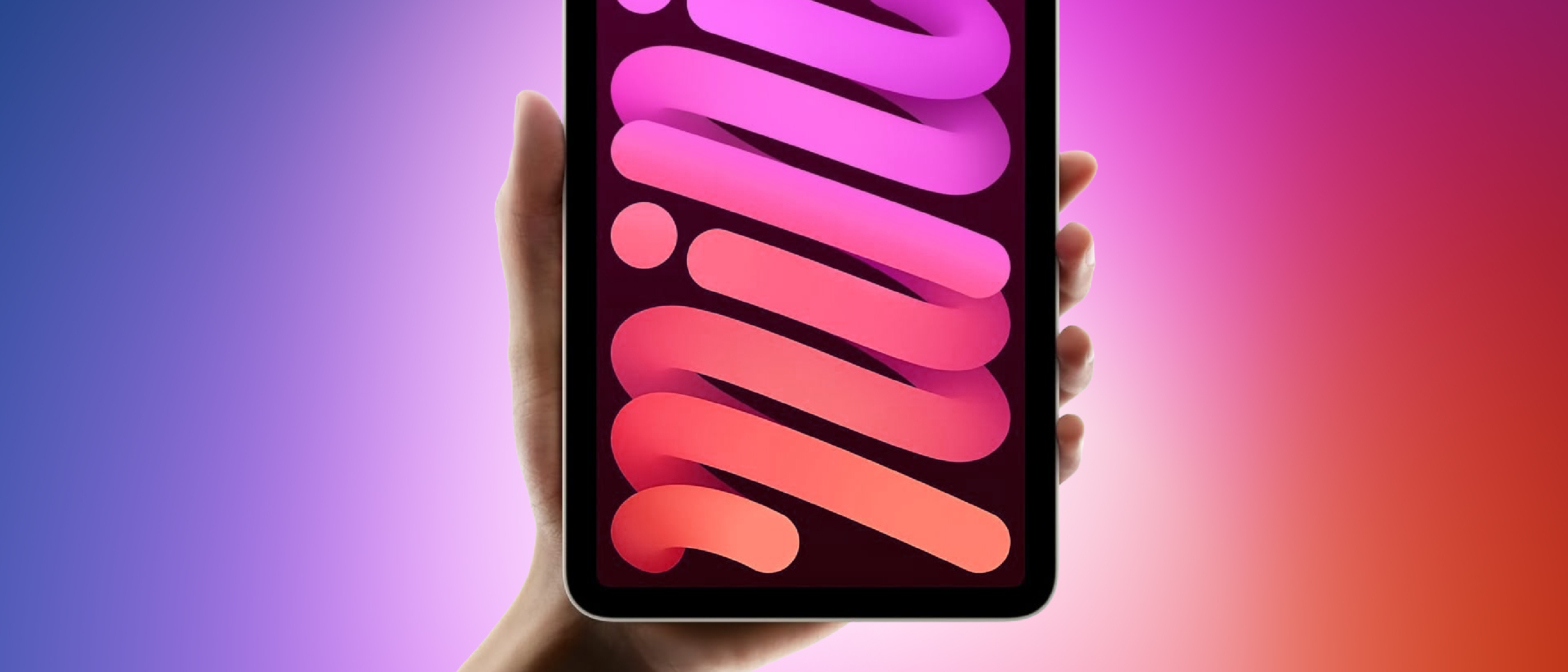
Overview: Why the Next iPad mini Matters
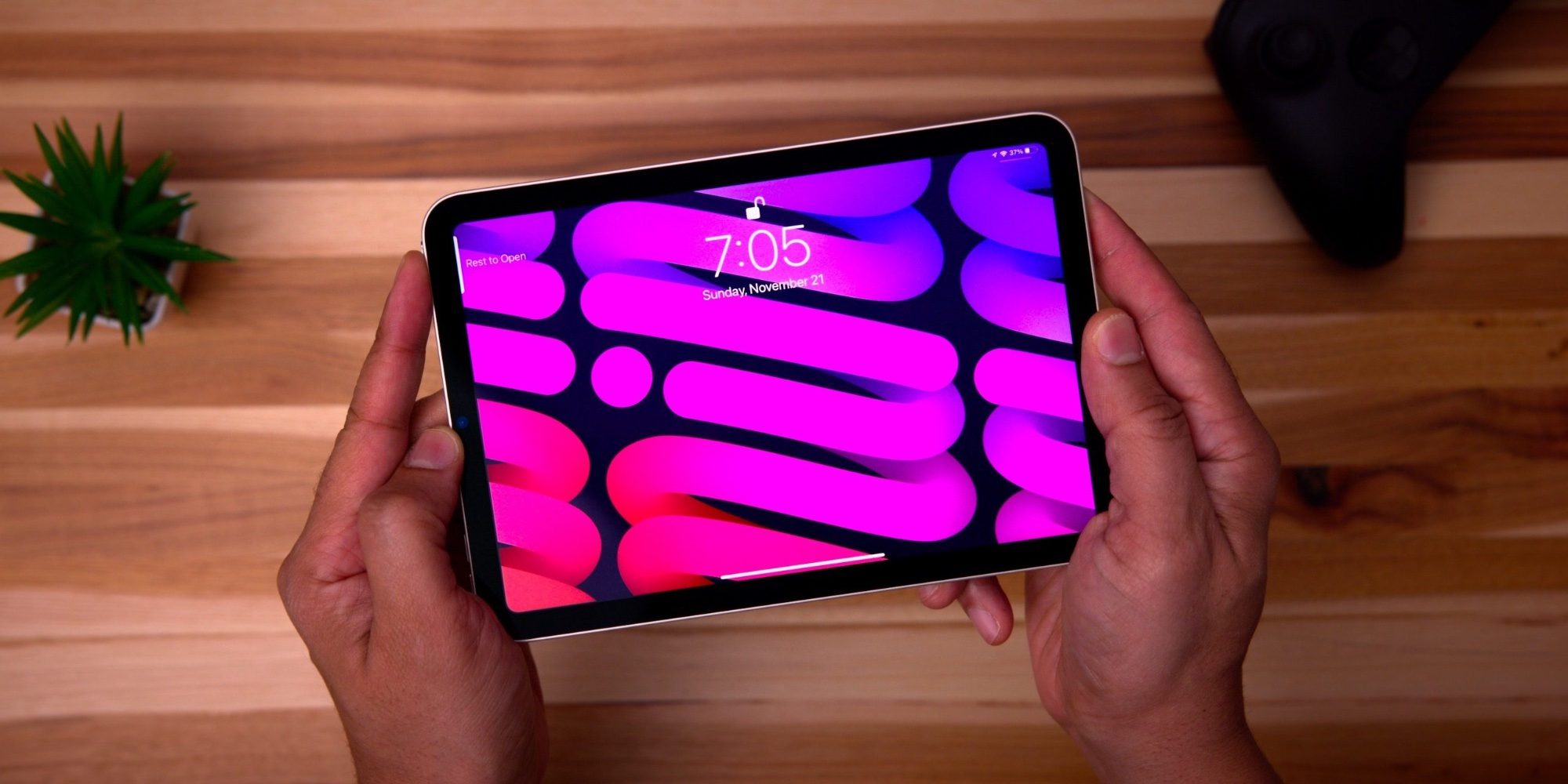
Apple’s iPad mini has long occupied a niche between the full‑size iPad lineup and the iPhone, offering a pocket‑sized tablet that still delivers a premium experience. According to Bloomberg reporter Mark Gurman, the company plans to ship a refreshed model “by the end of October” 2024, and the upgrade list reads like a checklist of the features that have been missing from the mini for years.
The four headline upgrades—OLED display, new speaker architecture, enhanced water resistance, and a next‑generation A‑series processor—signal Apple’s intent to keep the mini relevant in a market increasingly dominated by larger tablets and powerful smartphones. The move also aligns the mini with the design language introduced in the 2024 iPad Pro, which was the first iPad to adopt OLED technology.
In this article we’ll dissect each upgrade, explore the technical trade‑offs, and assess how the changes could reshape the tablet segment, pricing strategy, and consumer expectations.
OLED Display Upgrade: From LCD to True Blacks
Technical Benefits
The current 2024 iPad mini uses an LCD panel that, while bright, cannot match the contrast ratios of OLED. An OLED screen emits light at the pixel level, allowing each sub‑pixel to turn completely off for true black. This yields:
- Higher contrast ratios (often exceeding 1,000,000:1)
- Richer, more saturated colors thanks to wider color gamut coverage (P3 and potentially DCI‑P3)
- Improved energy efficiency for darker UI elements, as black pixels draw no power
Apple’s OLED implementation in the iPad Pro demonstrated a peak brightness of 600 nits in HDR mode, and it’s reasonable to expect a similar or slightly lower figure for the mini due to its smaller size and power envelope.
Cost Implications
OLED panels remain more expensive than LCDs, especially for a 7‑inch form factor where economies of scale are limited. Historically, Apple has absorbed higher component costs when the feature adds clear differentiation—think of the iPhone X’s OLED debut. Analysts predict a modest price bump for the mini, potentially moving the entry point from $499 to $549 or $599, depending on storage configurations.
User‑Facing Impact
For everyday tasks—web browsing, note‑taking, and media consumption—the OLED upgrade will be most noticeable when viewing photos, videos, or any content with dark backgrounds. Users will see deeper shadows, more vivid colors, and smoother gradients, which is a tangible quality‑of‑life improvement over the current LCD.
New Speaker System: Elevating Audio on a Small Device
Apple has not disclosed the exact architecture of the new speaker system, but the phrasing “new type of speaker system” suggests a redesign rather than a simple software tweak. Possible enhancements include:
- Dual‑stage drivers that separate low‑frequency and high‑frequency reproduction, delivering richer bass without sacrificing clarity.
- Spatial audio support that leverages the device’s built‑in accelerometer and gyroscope for head‑tracking, similar to the iPad Pro’s four‑speaker array.
- Improved acoustic chambers that make better use of the mini’s thin chassis.
Even a modest improvement will close the gap between the mini and larger iPads, making it a more compelling choice for media consumption, gaming, and video calls—especially when paired with Apple’s ecosystem of AirPods and HomePod mini.
Water Resistance: From Splash‑Proof to Real‑World Durability
Apple has hinted at “increased water resistance” without specifying an IP rating. The current iPad mini lacks any official ingress protection, which has limited its use in outdoor or kitchen environments. A realistic target would be IPX6 (protection against powerful water jets) or IPX8 (submersion beyond 1 meter). Achieving this on a thin tablet requires:
- Sealed port covers for the USB‑C connector and speaker grilles.
- Nano‑coating on internal components to prevent corrosion.
- Re‑engineered adhesives that maintain structural integrity while allowing disassembly for repairs.
If Apple reaches IPX8, the mini could finally compete with rugged tablets from competitors like Samsung and Microsoft, expanding its appeal to field workers
…expanding its appeal to field workers who need a portable, yet durable, device for on‑site note‑taking, schematics review, or quick data entry.
Processor Upgrade: A19 Pro or A20 – What’s the Difference?
Apple’s next iPad mini is expected to ship with either the A19 Pro or the brand‑new A20 chip. Both belong to the same family that powers the latest iPhone 15 Pro models, but there are subtle distinctions:
| Feature | A19 Pro | A20 |
|---|---|---|
| CPU cores | 6‑core (2 performance, 4 efficiency) | 6‑core (2 performance, 4 efficiency) |
| GPU | 5‑core Apple‑custom GPU | 6‑core Apple‑custom GPU |
| Neural Engine | 16‑core (up to 15 TOPS) | 16‑core (up to 18 TOPS) |
| Process node | 3 nm | 3 nm (enhanced power‑efficiency) |
| Apple Intelligence | Supported (via A17 Pro in current mini) | Native support, faster inference |
The A20 is essentially a modest bump over the A19 Pro, offering a slightly more powerful GPU and a faster Neural Engine. For most iPad mini users—students, casual creators, and professionals—the performance difference will be marginal in day‑to‑day tasks such as web browsing, document editing, and streaming. However, power users who rely on Apple Intelligence for on‑device machine‑learning tasks (e.g., real‑time language translation, advanced photo editing, or AR experiences) will notice smoother operation and lower latency with the A20.
From a battery perspective, both chips are designed to stay within the mini’s existing 19.3 Wh battery envelope, meaning Apple can maintain the current talk‑time and video‑playback figures (around 10 hours) despite the added OLED panel and enhanced speakers.
Pricing & Storage Options: What to Expect
While Apple has not officially confirmed pricing, analysts have built models based on component costs and historical trends:
| Configuration | Expected Starting Price* |
|---|---|
| 64 GB, A19 Pro | $549 |
| 128 GB, A19 Pro | $599 |
| 256 GB, A20 | $649 |
| 512 GB, A20 | $749 |
*Prices are speculative and reflect a possible $50‑$100 premium over the current 2024 mini, primarily driven by the OLED panel and the newer chip.
Apple may also introduce a “Mini Pro” variant with a larger storage tier and the A20 chip, mirroring the strategy it used for the iPad Pro line. If so, we could see a $799 model with 1 TB of storage, targeted at professionals who need ample local space for large design files or video projects.
Release Timeline & Availability
Mark Gurman’s report places the launch “by the end of October” 2024, which aligns with Apple’s typical fall refresh cycle for iPads. Historically, Apple announces new iPads at a dedicated “iPad Event” in early October, followed by shipments a few weeks later. Assuming the same pattern:
| Milestone | Approximate Date |
|---|---|
| Official announcement | Early‑October 2024 (possibly Oct 8) |
| Pre‑orders open | Mid‑October 2024 |
| Shipping begins | Late‑October 2024 |
| Availability in Apple Stores | Early November 2024 |
Given the global supply‑chain constraints that have affected other Apple products, it’s plausible that the first wave will be limited to the United States, Canada, and major European markets, with broader rollout in Q1 2025.
How the New iPad mini Stacks Up Against Competitors
| Device | Screen | Chip | Water Resistance | Starting Price |
|---|---|---|---|---|
| iPad mini (2025) | 8.3‑inch OLED, 226 PPI | A19 Pro / A20 | Expected IPX6‑IPX8 | $549‑$749 |
| Samsung Galaxy Tab A8 | 8.0‑inch LCD, 215 PPI | Snapdragon 732G | None | $429 |
| Microsoft Surface Go 4 | 10.5‑inch LCD, 220 PPI | Intel Core i5 | IPX4 | $599 |
| Lenovo Tab P11 Pro | 11.5‑inch OLED, 263 PPI | MediaTek Dimensity 900 | IPX5 | $499 |
Apple’s advantage remains its tight integration of hardware, software, and services. The OLED upgrade narrows the visual gap with the iPad Pro, while the new chip keeps the mini competitive in raw performance. Water resistance, a first for the mini, could be a decisive factor for users who have previously avoided the device due to its fragility.
Conclusion: A Small Tablet With Big Ambitions
The upcoming iPad mini represents Apple’s effort to future‑proof its smallest tablet without inflating its size. By adopting OLED, refining the speaker system, adding genuine water resistance, and equipping the device with a next‑generation A‑series processor, Apple is addressing the most common criticisms leveled at the mini over the past few years.
For students, the brighter, more colorful display makes reading textbooks and annotating PDFs a pleasure. Creators will appreciate the improved color accuracy and the ability to run on‑device AI features more fluidly. Professionals who need a portable, rugged tablet for field work finally get a device that can survive accidental splashes or brief submersions.
If Apple can keep the price increase modest, the new iPad mini could become the go‑to tablet for anyone who wants a full‑iPad experience in a pocket‑sized form factor. The combination of premium display technology, better audio, and added durability may also revive interest in the mini segment, prompting competitors to step up their own offerings.
Overall, the 2025 iPad mini is poised to redefine expectations for small tablets, proving that size does not have to limit capability.
Frequently Asked Questions
Q: Will the new iPad mini support the Apple Pencil (2nd generation)?
A: Yes. Apple confirmed that the updated mini will retain the magnetic charging and pairing system introduced with the 2021 model, allowing seamless use of the Apple Pencil (2nd gen).
Q: Does the OLED screen affect battery life?
A: OLED panels can be more power‑efficient when displaying dark content because black pixels are turned off. However, bright HDR content can consume comparable power to LCDs. Apple’s engineering optimizations and the efficient 3 nm chip should keep real‑world battery life close to the current model’s ~10 hours.
Q: What accessories will be compatible?
A: Existing accessories such as the Smart Keyboard Folio, Magic Keyboard for iPad mini, and the new Magic Trackpad will continue to work. The USB‑C port remains unchanged, so third‑party docks and hubs are also compatible.
Q: Will the iPad mini receive iPadOS 18 at launch?
A: Yes. The device will ship with iPadOS 18, bringing features like Stage Manager enhancements, improved multitasking, and deeper integration of Apple Intelligence.
Q: How does the water‑resistance rating compare to the iPad Pro?
A: The iPad Pro already boasts an IP68 rating. While the mini is unlikely to match that level due to its thinner chassis, an IPX6 or IPX8 rating would still represent a significant leap from the current non‑rated design.
Q: Is there a plan for a 5G‑enabled iPad mini?
A: Rumors suggest that the cellular variant will include a 5G modem, similar to the iPad Air 5. This would enable faster mobile data speeds for on‑the‑go users.
Q: Will there be a color‑option expansion?
A: Apple typically offers at least two finishes for the mini. Expect the classic Space Gray and a new Midnight Blue or Starlight variant, though official confirmation will come with the launch event.
Source: Original Article