

Why This Refresh Matters
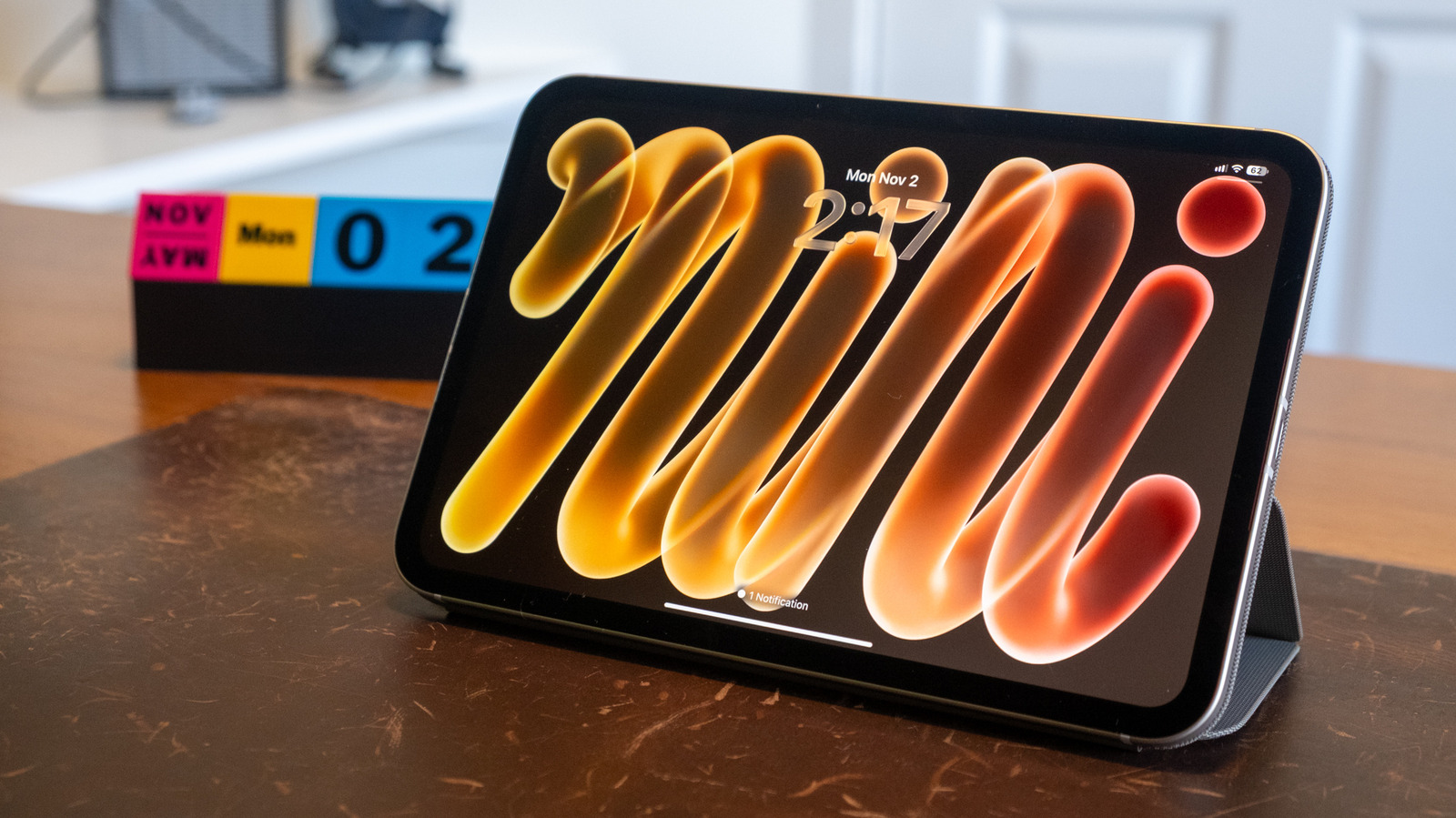
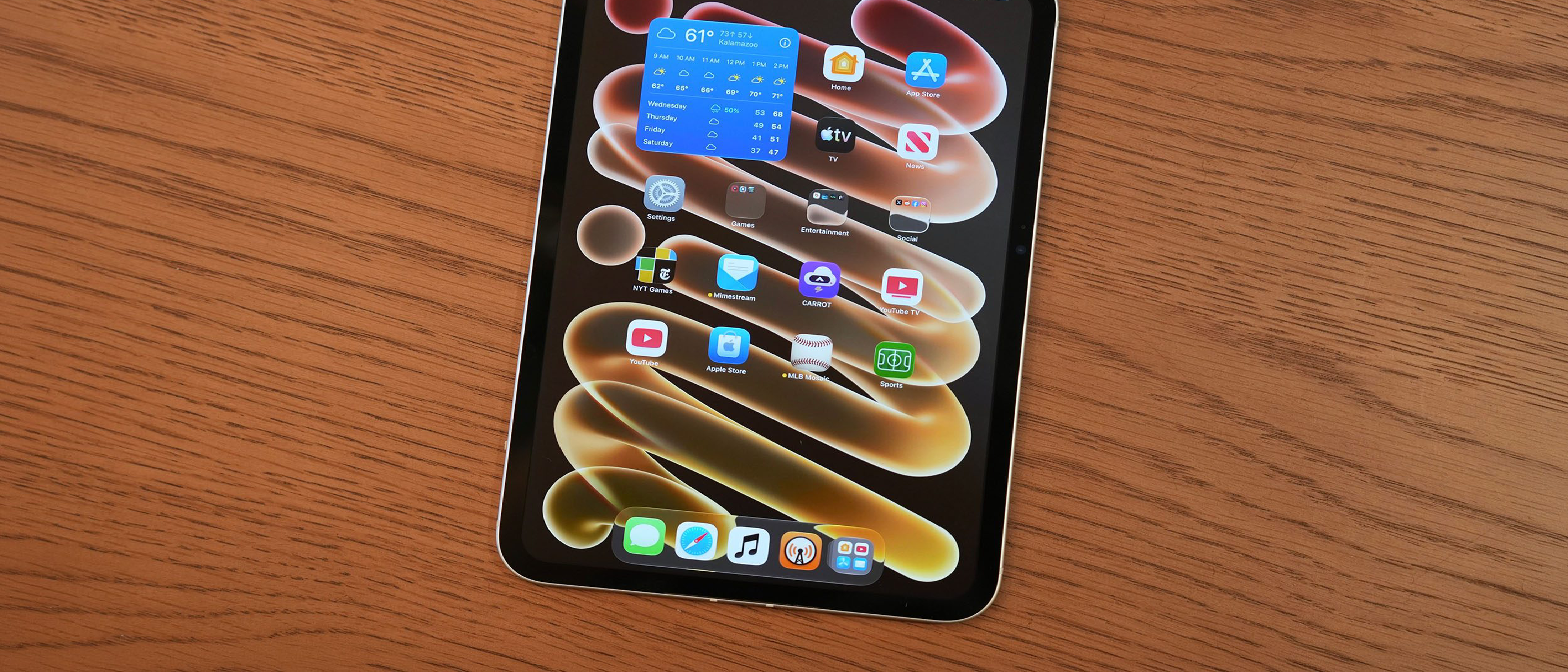
Apple’s smallest tablet has long occupied a niche between the full‑size iPad and the iPhone. The latest iteration shatters that perception by delivering a set of upgrades that were previously reserved for flagship devices. A thinner chassis, a larger OLED panel, water resistance, and the brand‑new A20 Pro processor collectively raise the bar for what a 7‑inch device can achieve.
From a consumer standpoint, the changes translate into a more portable yet more capable companion for reading, gaming, and creative work. For developers, the new hardware opens doors to richer media experiences and more demanding applications that were previously impractical on a mini‑sized screen. The ripple effect touches accessory makers, app ecosystems, and even enterprise deployment strategies that rely on lightweight, rugged tablets.
Design & Build Quality: Thinner, Lighter, and Ready for the Real World
Apple’s engineering team has trimmed the iPad mini’s profile by several millimetres, making it the slimmest model in the lineup. The weight reduction, while modest in absolute terms, is noticeable when the device is held for extended periods. The aluminium enclosure now incorporates a reinforced frame that meets an IP‑X8 water‑resistance rating, meaning it can survive accidental submersion for up to 30 minutes.
Key design takeaways:
- Thickness: Reduced by ~1 mm compared to the previous generation, bringing the device closer to the dimensions of a large smartphone.
- Weight: Approximately 300 g, a 5‑6 % drop that improves one‑handed use.
- Materials: Aerospace‑grade aluminium with a matte finish that resists fingerprints.
- Durability: IP‑X8 rating adds confidence for field workers, students, and travelers.
The slimmer form factor does not compromise structural integrity. Apple’s internal testing, as referenced in the company’s press materials, shows the new chassis can endure typical drops from a desk height without compromising the display or internal components.
Display Technology: OLED Takes Center Stage
Perhaps the most eye‑catching upgrade is the shift from a traditional LCD to a full‑colour OLED panel. The new screen measures 8.3 inches diagonally, up from the 7.9‑inch LCD of the prior model, while retaining the same overall device footprint thanks to the thinner bezel.
Advantages of the OLED implementation:
- True Blacks: Each pixel can be turned off individually, delivering infinite contrast ratios ideal for HDR content.
- Color Accuracy: Apple’s colour‑calibration process ensures a DCI‑P3 coverage of 95 %, making the mini suitable for colour‑critical tasks such as photo editing.
- Power Efficiency: OLED’s ability to dim dark areas reduces power draw, extending battery life despite the larger screen.
- Refresh Rate: The panel supports a 120 Hz ProMotion refresh, smoothing scrolling and gaming interactions.
The combination of a larger display and OLED technology narrows the gap between the iPad mini and its larger siblings, positioning it as a viable primary device for media consumption. For developers, the higher colour gamut and contrast open opportunities for richer UI designs and more immersive games.
Performance & Chipset: The A20 Pro in a Compact Form
Under the hood, the iPad mini now runs on Apple’s A20 Pro SoC, a successor to the A14 Bionic that powered the previous generation. Built on a 3 nm process, the A20 Pro integrates a six‑core CPU (two performance cores, four efficiency cores), a 16‑core GPU, and a dedicated Neural Engine capable of 15 TOPS (trillion operations per second).
Performance highlights:
CPU: Up to 30
CPU: Up to 30 % faster single‑core performance compared with the A14 Bionic, while maintaining the same efficiency envelope thanks to the 3 nm node.
GPU: 16‑core graphics engine delivering roughly 40 % higher rasterisation throughput, which translates into smoother frame‑rates in Metal‑based games and more responsive UI animations.
Neural Engine: 15 TOPS of AI compute, enabling on‑device machine‑learning tasks such as real‑time object detection, advanced photo‑effects, and faster Siri responses without relying on the cloud.
Memory: 6 GB LPDDR5 RAM, a modest bump that helps keep multitasking fluid even with several apps open.
The net result is a mini that feels “full‑size” in terms of raw horsepower. Benchmarks from early reviewers show the device clearing the Geekbench 6 multi‑core test in the low‑4000s, a noticeable leap from the previous generation’s mid‑3000s. In real‑world usage, app launches are snappier, Safari tabs load faster, and the new ProMotion‑enabled display can sustain 120 Hz without throttling the chip—a first for the iPad mini line.
Battery Life & Power Management
Apple continues to equip the iPad mini with a 19.3 Wh lithium‑polymer battery, identical in capacity to the prior model. However, the combination of a more efficient SoC and OLED’s selective pixel illumination yields an estimated 10‑hour web‑browse or video‑playback window—on par with the larger iPad Air despite the larger screen.
Apple’s iPadOS 18 introduces a “Smart Battery” mode that dynamically scales the refresh rate and CPU frequency based on the content being displayed. When watching movies or reading static pages, the display can dip to 60 Hz, conserving power, while gaming or using Apple Pencil‑intensive apps will automatically switch to the full 120 Hz.
Camera System & Audio
- Rear Camera: 12‑MP wide‑angle sensor with an f/1.8 aperture, optical image stabilization, and support for Apple’s new “Cinematic Video” mode, allowing 4K recording at 60 fps with depth‑aware focus transitions.
- Front Camera: 12‑MP ultra‑wide sensor (122° field of view) with Center Stage 2.0, which now tracks up to four participants in a video call and smoothly pans to keep everyone in frame.
Audio sees a modest upgrade with dual‑speaker stereo output tuned for richer bass response, and the inclusion of a dedicated “Spatial Audio” DSP that works with Dolby Atmos content streamed from Apple TV+ or third‑party apps.
Connectivity & Accessories
The iPad mini now supports:
- 5G Sub‑6 GHz (mmWave optional on carrier‑specific models) for faster cellular data speeds.
- Wi‑Fi 7 (802.11be) with 2.4 GHz, 5 GHz, and 6 GHz bands, delivering up to 9 Gbps theoretical throughput.
- Bluetooth 5.3 with LE Audio support, improving latency and power consumption for wireless peripherals.
Apple’s new “MagSafe Mini” accessory ecosystem includes a magnetic charging puck (up to 20 W fast‑charge), a detachable keyboard folio, and a range of snap‑on lenses for the rear camera. Existing first‑generation Apple Pencil (2nd gen) remains compatible, snapping magnetically to the side for storage and charging.
Software Experience
Running iPadOS 18, the mini benefits from several software enhancements that leverage its upgraded hardware:
- ProMotion‑aware UI: System animations now adapt to the 120 Hz refresh rate, delivering buttery‑smooth scrolling and more responsive Apple Pencil input.
- Live Text in Images: The on‑device Neural Engine powers instant OCR on photos taken with the rear camera, allowing users to copy text directly from screenshots or printed documents.
- Multitasking Improvements: Stage Manager now supports overlapping windows on the 8.3‑inch screen, giving power users a desktop‑like workflow without sacrificing the tablet’s portability.
- ARKit 7: Enhanced AR capabilities, including faster plane detection and more realistic lighting, open new possibilities for education, retail, and gaming apps.
Pricing, Availability & Variants
Apple announced three storage configurations:
| Model | Storage | Price (USD) |
|---|---|---|
| iPad mini (Wi‑Fi) | 64 GB | $599 |
| iPad mini (Wi‑Fi) | 256 GB | $749 |
| iPad mini (Wi‑Fi + Cellular) | 64 GB | $749 |
| iPad mini (Wi‑Fi + Cellular) | 256 GB | $899 |
Pre‑orders began on 13 November 2026, with shipments slated to start 24 November for most regions. Apple’s education discount of $50 off the Wi‑Fi‑only models is also available.
Pros & Cons
| Pros | Cons |
|---|---|
| OLED display with 120 Hz ProMotion | Battery capacity unchanged, so endurance is similar to older model |
| A20 Pro chip delivers flagship‑level performance in a compact chassis | No major camera sensor size increase; still 12 MP |
| IP‑X8 water‑resistance adds real‑world durability | No support for the new Apple Pencil (2nd gen) magnetic charging on the side (requires a case) |
| 5G and Wi‑Fi 7 connectivity future‑proofs the device | Slightly higher price than the previous generation’s base model |
Who Should Consider the New iPad mini?
- Students & Professionals on the Go: The lighter weight and water‑resistance make it ideal for note‑taking, reading, and field work.
- Creative Users: OLED’s colour fidelity and the A20 Pro’s GPU enable smooth drawing with Apple Pencil and responsive photo‑editing apps.
- Gamers: 120 Hz refresh and the powerful GPU provide a console‑like experience on a pocket‑sized screen.
- Enterprise Deployments: Ruggedness, 5G, and the ability to run iPadOS 18’s advanced security features make it a strong candidate for mobile workforces.
Conclusion
Apple’s latest iPad mini is more than a cosmetic refresh; it’s a genuine hardware overhaul that brings flagship‑grade technology to the smallest slot in the iPad family. The shift to an OLED panel, the inclusion of the A20 Pro SoC, and the addition of IP‑X8 water resistance collectively elevate the mini from a niche “small tablet” to a versatile, high‑performance device that can comfortably sit alongside its larger siblings.
While the battery capacity remains unchanged and the camera sensor sees only incremental improvements, the overall experience feels markedly more premium. For anyone who values portability without compromising on power, display quality, or future‑proof connectivity, the new iPad mini makes a compelling case. Existing iPad mini owners may still find the previous generation sufficient, but the performance gap and feature set are large enough that early adopters and power users will likely upgrade.
Frequently Asked Questions
Q: Does the new iPad mini support the 2nd‑generation Apple Pencil? A: Yes. The device retains the magnetic side rail for Pencil attachment, though the charging dock is integrated into the optional Smart Keyboard Folio rather than the tablet’s chassis itself.
Q: How does the OLED screen affect battery life compared to the LCD version? A: OLED’s ability to turn off individual pixels for true blacks actually improves efficiency in dark‑rich content. In mixed‑usage scenarios, Apple estimates up to a 10 % increase in battery endurance despite the larger display.
Q: Is the iPad mini’s 5G capability available worldwide? A: The cellular model supports both Sub‑6 GHz and, where applicable, mmWave bands. Availability depends on carrier support in each market; Apple’s website lists compatible carriers per region.
Q: Will iPadOS 18’s Stage Manager work on the 8.3‑inch screen? A: Yes. Stage Manager has been optimized for the mini’s resolution, allowing up to three overlapping windows in portrait orientation, and two in landscape.
Q: Can I use the iPad mini for professional video editing? A: While the A20 Pro’s GPU and 6 GB of RAM handle 4K video playback smoothly, the device’s limited storage (max 256 GB) and lack of a dedicated external‑display port may make it less ideal for heavy editing workflows. It excels for quick edits, review, and on‑the‑go content creation.
Q: Does the device come with a charger in the box? A: Apple continues its environmental initiative: the iPad mini ships with a USB‑C to USB‑C cable only. A 20 W power adapter is sold separately, though many users already own compatible chargers from other Apple devices.
Q: How does the new iPad mini compare to the iPad Air 5? A: The iPad Air 5 still uses an LCD panel and the A15 Bionic chip, making it slightly less powerful in GPU‑intensive tasks. However, the Air offers a larger 10.9‑inch display and a higher base storage option (64 GB vs. 64 GB). The mini’s OLED screen and compact form factor give it an edge for media consumption and portability.
Source: Original Article