

Why the Early‑2027 Timeline Matters
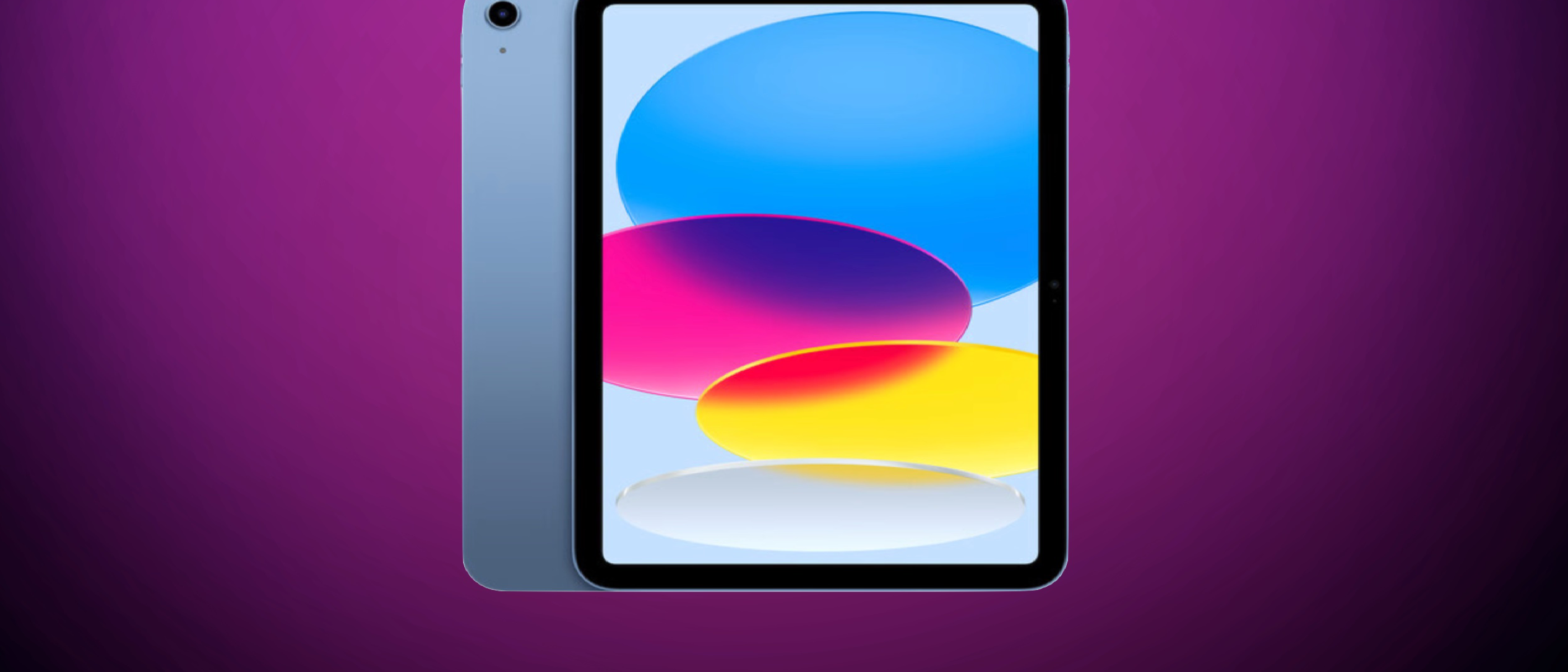
Apple’s entry‑level iPad has traditionally been the gateway product for students, casual users, and price‑sensitive markets. The Bloomberg report, quoting analyst Mark Gurman, pushes the debut of the next generation—codenamed J581 and J582—to early 2027. This shift is not a simple calendar shuffle; it signals a strategic recalibration of Apple’s tablet roadmap.
First, the delay creates a three‑year gap between the current baseline model (the 10.2‑inch iPad) and its successor. In a market where competitors such as Samsung and Microsoft refresh their mid‑range tablets annually, Apple risks ceding price‑sensitive customers to alternatives that already support newer connectivity standards and higher refresh‑rate displays.
Second, the timing aligns the entry‑level refresh with a broader 2027 overhaul that includes a major iPad Air redesign and a new iPad Pro. By clustering these launches, Apple can leverage shared component pipelines—most notably the OLED panel and a potential vapor‑chamber cooling solution—thereby reducing engineering overhead and improving economies of scale.
Finally, the delay gives Apple a window to incorporate the USB‑C ecosystem more fully across its tablet line. The iPad already migrated to USB‑C with the iPad Pro (2018) and iPad Air (2022), but the entry‑level model still lags behind the latest power‑delivery and data‑transfer specifications. A 2027 launch could finally bring the entry‑level iPad up to the USB‑C on Your Phone: More Than Just Charging and Data standards, ensuring compatibility with the newest accessories and chargers.
Technical Breakdown of J581 and J582
While Apple has not released official specifications, the codenames hint at two distinct configurations:
| Feature | J581 (Base) | J582 (Enhanced
| Feature | J581 (Base) | J582 (Enhanced) |
|---|---|---|
| Display | 10.2‑inch Retina LCD, 216 ppi, 60 Hz refresh | 10.9‑inch Liquid Retina LCD, 264 ppi, 120 Hz ProMotion |
| Processor | A14 Bionic (5 nm) | A16 Bionic (4 nm) |
| RAM | 4 GB LPDDR4X | 6 GB LPDDR5 |
| Storage Options | 64 GB / 128 GB | 128 GB / 256 GB |
| Connectivity | Wi‑Fi 6, optional LTE, USB‑C 3.1 (5 Gbps) | Wi‑Fi 6E, optional 5G, USB‑C 3.2 (10 Gbps) |
| Camera | 8 MP rear, 1.2 MP front | 12 MP rear, 12 MP ultra‑wide front |
| Battery | ~10 h web browsing, 32 Wh | ~12 h web browsing, 38 Wh |
| OS | iPadOS 18 (launch) | iPadOS 18 (launch) |
| Price (rumored) | $329 (base) | $449 (base) |
| Launch Window | Early 2027 | Early 2027 |
How the New Entry‑Level iPad Fits Into Apple’s 2027 Roadmap
Apple’s decision to bundle the entry‑level refresh with the iPad Air and iPad Pro upgrades is more than a cost‑saving measure; it reflects a shift toward a unified hardware platform across the tablet family.
Shared OLED Supply Chain
The iPad Air is slated for a full‑frame OLED panel in 2027, a first for any non‑Pro iPad. By aligning the J582’s display refresh with the Air’s OLED rollout, Apple can negotiate larger volume orders with panel manufacturers, driving down per‑unit costs. This could also mean that a future “mid‑cycle” update to the J581 may adopt a mini‑OLED panel, narrowing the visual gap between the base and premium models.Thermal Architecture Convergence
Rumors suggest the 2027 iPad Pro will incorporate a vapor‑chamber cooling system to sustain higher sustained performance on the M2‑class chip. If Apple can miniaturize that solution for the J582, the enhanced model would gain a noticeable boost in sustained CPU/GPU workloads—important for multitasking, AR experiences, and longer video playback sessions.Accessory Ecosystem Synergy
With USB‑C already standard on the Air and Pro, moving the entry‑level line to a higher‑speed USB‑C port eliminates the lingering “Lightning‑only” niche. Users will be able to pair the same chargers, docks, and external displays across all iPads, simplifying the accessory market and potentially boosting sales of Apple’s higher‑margin peripherals.
Competitive Landscape: Who’s Waiting?
| Competitor | Model (2024‑2026) | Display | Processor | Price (USD) |
|---|---|---|---|---|
| Samsung | Galaxy Tab A8 (2023) | 10.5‑inch TFT, 60 Hz | Unisoc T618 | $229 |
| Microsoft | Surface Go 4 (2024) | 10.5‑inch PixelSense, 60 Hz | Intel i5‑13th gen | $399 |
| Lenovo | Tab P12 Pro (2024) | 12.6‑inch OLED, 120 Hz | Snapdragon 8+ Gen 1 | $449 |
Apple’s entry‑level iPad has traditionally commanded a price premium for its ecosystem lock‑in and software support. By pushing the launch to 2027, Apple risks a price‑sensitivity drift where budget‑oriented consumers gravitate toward these rivals, especially if they receive faster refresh cycles and newer connectivity (e.g., Wi‑Fi 7, 5G) earlier.
However, Apple can counteract this by leveraging its software advantage—longer iPadOS support windows (up to 7‑8 years), superior app optimization, and the upcoming Apple Pencil 2 integration that will be standardized across all iPads in 2027. The combination of a refined hardware baseline and a robust software ecosystem may keep the entry‑level iPad attractive despite the delayed launch.
What This Means for Developers
- App Compatibility: Developers will have an extra two‑year window to optimize existing apps for the current 10.2‑inch hardware before needing to support the higher‑resolution, higher‑refresh J582 display.
- AR/VR Opportunities: The vapor‑chamber cooling in the Pro line and the more powerful A16 in J582 open doors for more demanding AR experiences on a lower‑cost device.
- Accessory Development: With a unified USB‑C spec, accessory makers can design a single dock or keyboard that works across the entire iPad lineup, reducing R&D costs.
Timeline Recap
| Quarter | Event |
|---|---|
| Q4 2023 | iPad mini (10th‑gen) launch – end of October 2023 |
| 2024‑2026 | Incremental iPadOS updates, minor hardware tweaks (e.g., storage bump) |
| Early 2027 | Launch of J581 (base) and J582 (enhanced) entry‑level iPads |
| Mid‑2027 | Major iPad Air refresh with OLED display |
| Late 2027 | New iPad Pro with vapor‑chamber cooling and M2‑class chip |
Conclusion
Apple’s strategic postponement of the next entry‑level iPad to early 2027 is a calculated gamble. By aligning the launch with a broader tablet overhaul, Apple hopes to streamline component sourcing, introduce premium features (OLED, faster USB‑C, better thermals) to its most affordable tablet, and maintain ecosystem cohesion across the iPad family. The risk lies in ceding the budget‑tablet market to aggressive competitors during the three‑year gap. If Apple can deliver a compelling price‑to‑performance ratio with the J582 and ensure a smooth transition for developers and accessories, the delay may ultimately pay off, reinforcing the iPad’s position as the go‑to tablet for both casual users and power users alike.
Frequently Asked Questions
Q: Will the J581 still use a Lightning port?
A: No. Both J581 and J582 are expected to adopt USB‑C, matching the Air and Pro models.
Q: How much longer will the current 10.2‑inch iPad receive software updates?
A: Apple typically supports iPads for 5‑6 major iPadOS releases. The current model should see updates through at least iPadOS 18, which aligns with the 2027 launch window.
Q: Is a cellular‑enabled version confirmed for the entry‑level iPad?
A: Rumors suggest LTE for J581 and 5G for J582, but Apple has not confirmed any specifics.
Q: Will the new iPad Air’s OLED display be the same panel used in the iPhone 15 series?
A: While Apple has not disclosed panel sources, analysts believe the Air will use a slightly larger, lower‑cost OLED panel than the iPhone 15 Pro models, optimized for tablet ergonomics.
Q: When can we expect pricing details?
A: Apple usually announces pricing at the product launch event. Given the early‑2027 timeline, expect official numbers in the spring‑summer 2027 keynote.
Source: Original Article