

Introduction
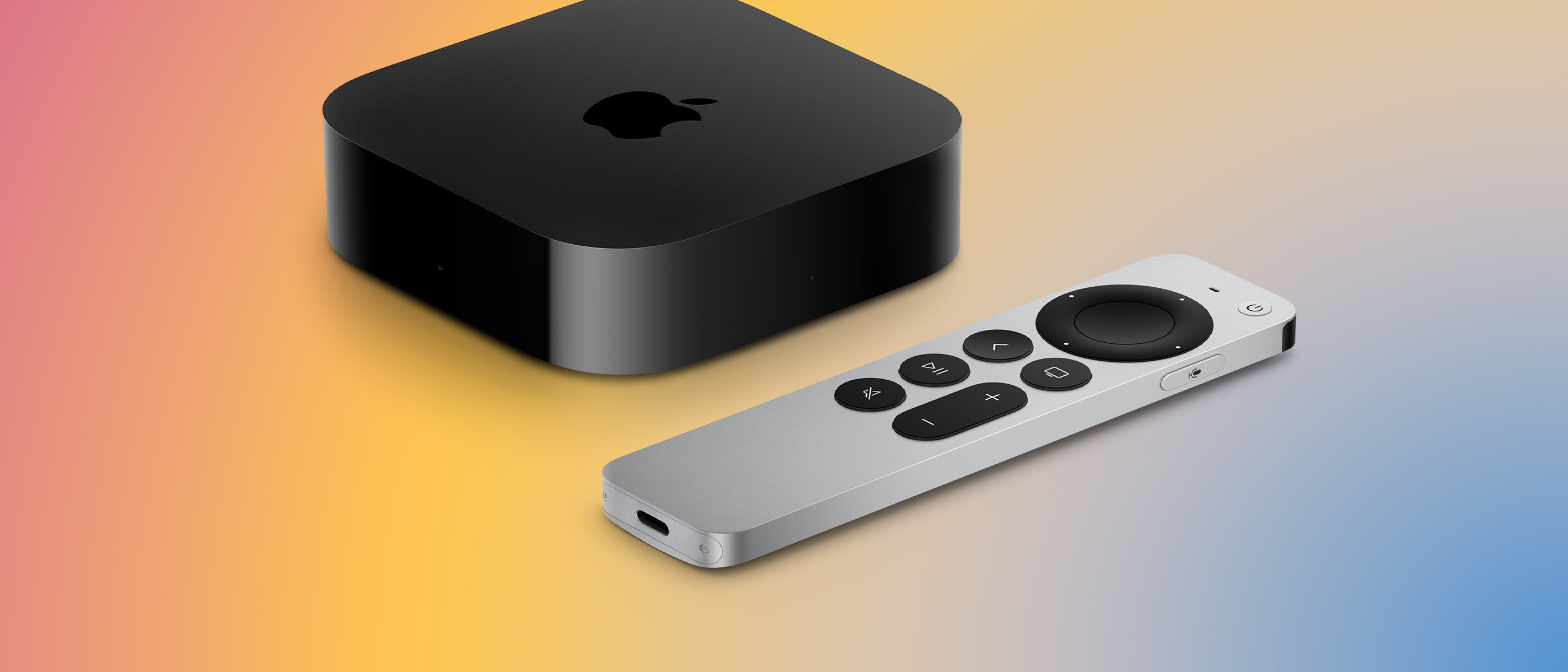
Apple’s latest Apple TV 4K, unveiled through diagnostic data from code explorer pdfu, is powered by the new A19 chip. Unlike its predecessor, the A15, the A19 features a 5‑core CPU configuration with one efficiency core disabled. This seemingly minor tweak raises questions about manufacturing, performance, and the future direction of Apple’s streaming hardware. In this article we dissect the technical details, explore why a disabled core matters, assess the broader industry implications, and speculate on what Apple might be signaling for upcoming devices.
Why the Disabled Core Matters
Manufacturing Binning and Yield
Apple’s silicon production process involves binning, where chips are sorted based on performance and defect tolerance. A disabled core typically indicates a manufacturing defect that could not be corrected without compromising overall yield. By disabling a single efficiency core, Apple can still ship a high‑performance device while maintaining cost efficiency. This practice is common in mobile SoCs, but its visibility in a consumer‑facing product like Apple TV 4K is noteworthy.
Performance vs. Power Trade‑Off
Efficiency cores are designed to handle light workloads at lower power consumption. Removing one reduces the device’s ability to throttle under low‑intensity tasks, potentially increasing power draw during idle periods. However, the remaining cores can be clocked higher to compensate. The A19’s performance core tops out at 4.26 GHz, a modest bump over the A15’s 4.20 GHz, suggesting Apple prioritizes peak performance for high‑definition streaming and gaming.
Implications for Software Optimization
Developers targeting Apple TV 4K must account for the altered core topology. Multithreaded workloads that rely on a balanced core distribution may experience uneven load balancing. Apple’s tvOS SDK already exposes core counts through NSProcessInfo, but developers may need to adjust thread pools or use Grand Central Dispatch to avoid over‑loading the remaining efficiency cores.
Technical Breakdown of the A19 Chip
| Component | Specification |
|---|---|
| CPU | 5‑core: 2 performance cores (max 4.26 GHz) + 3 efficiency cores (max 2.592 GHz) – 1 disabled |
| GPU | 5‑core, max 1.47 GHz |
| Memory | 4 GB LPDDR5 (assumed, based on prior models) |
| Video Decoding | 8K support, HEVC/H.265, ProRes |
| Connectivity | Wi‑Fi 6E, Bluetooth 5.3, Ethernet (RJ‑45) |
| Security | Secure Enclave, hardware‑based encryption |
The A19’s GPU, clocked at 1.47 GHz, offers a 15 % improvement over the A15’s 1.26 GHz GPU, enhancing frame rendering for 4K HDR content. The inclusion of a 5‑core GPU also aligns with Apple’s trend of boosting graphics performance in its media devices.
Diagnostic Insights from pdfu
Code explorer pdfu’s diagnostic dump revealed the disabled core through the CPU Core Status register, which flagged core 3 as non‑functional. The diagnostic also confirmed that the chip’s thermal envelope remains within safe limits, indicating that the disabled core does not adversely affect heat dissipation.
Industry Impact and Competitor Landscape
Apple’s Position in the Streaming Hardware Market
Apple’s TV 4K competes directly with Amazon Fire TV, Roku, and Google Chromecast Ultra. While these devices rely on external GPUs or less powerful SoCs, Apple’s A19 delivers raw computational power that can support advanced features such as real‑time HDR conversion, AI‑driven upscaling, and low‑latency gaming via Apple Arcade.
Competitor Response
- Amazon: Continues to use the Snapdragon 855 in its Fire TV Edition, offering a 4‑core CPU and 8‑core GPU. The A19’s higher GPU clock may push Amazon to consider newer Snapdragon variants.
- Roku: Employs the Broadcom BCM2711 (Raspberry Pi 4B) in its Ultra model. The A19’s performance advantage could lead Roku to explore custom silicon or partnerships with ARM.
- Google: Uses the MediaTek MT8183 in Chromecast Ultra, a 4‑core CPU and 4‑core GPU. The A19’s architecture may influence Google’s next‑generation Chromecast to adopt a more balanced core design.
Security Considerations
Apple’s hardware security is a cornerstone of its ecosystem. The disabled core does not compromise the Secure Enclave, but it does highlight the importance of robust silicon testing. The link to the Zoom Zero‑Day Exploit: Remote Takeover of iPhone & Mac article underscores the need for continuous security audits, especially as Apple expands its hardware portfolio.
Future Outlook for Apple TV and Streaming Tech
Potential for AI‑Driven Features
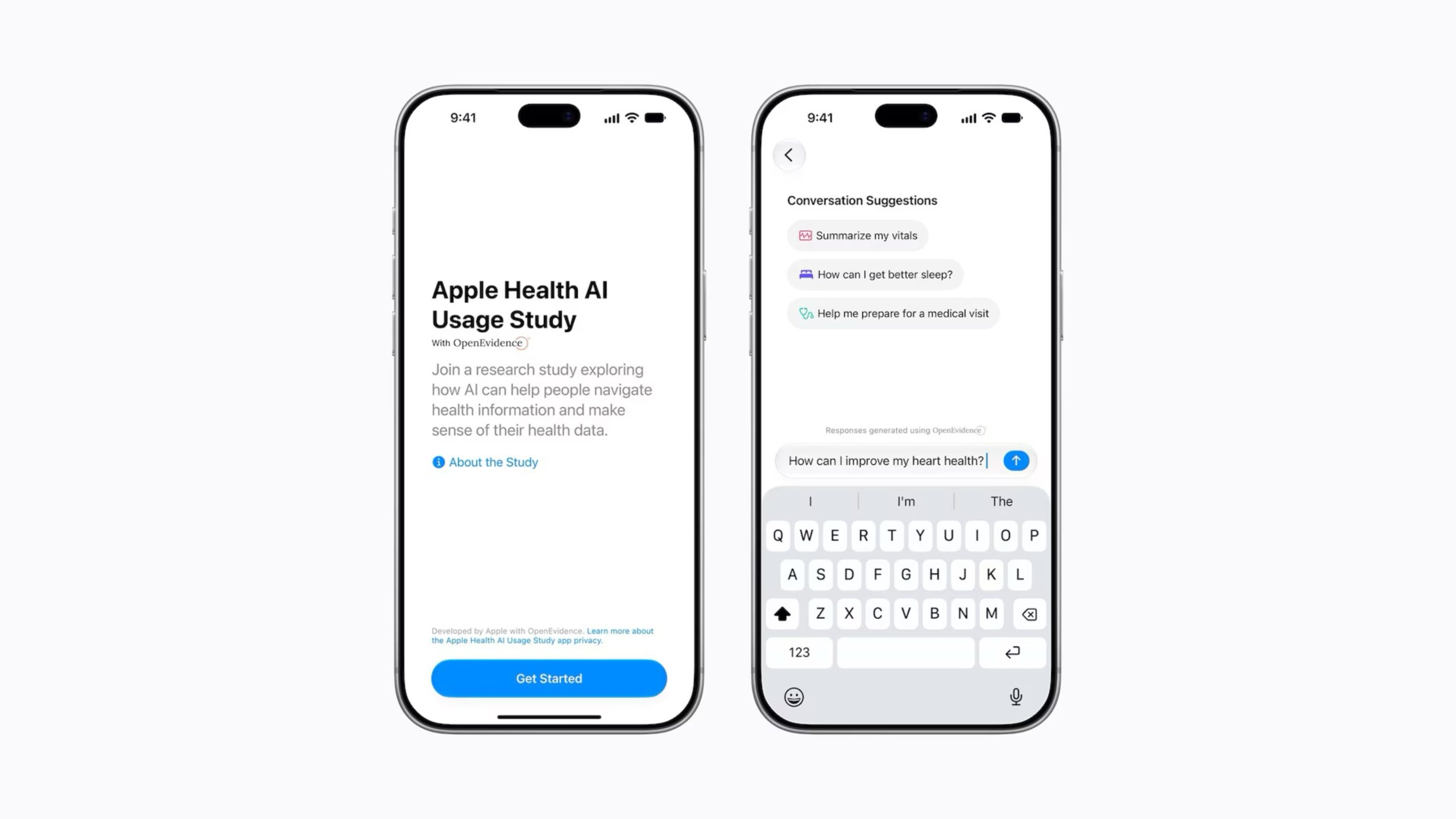
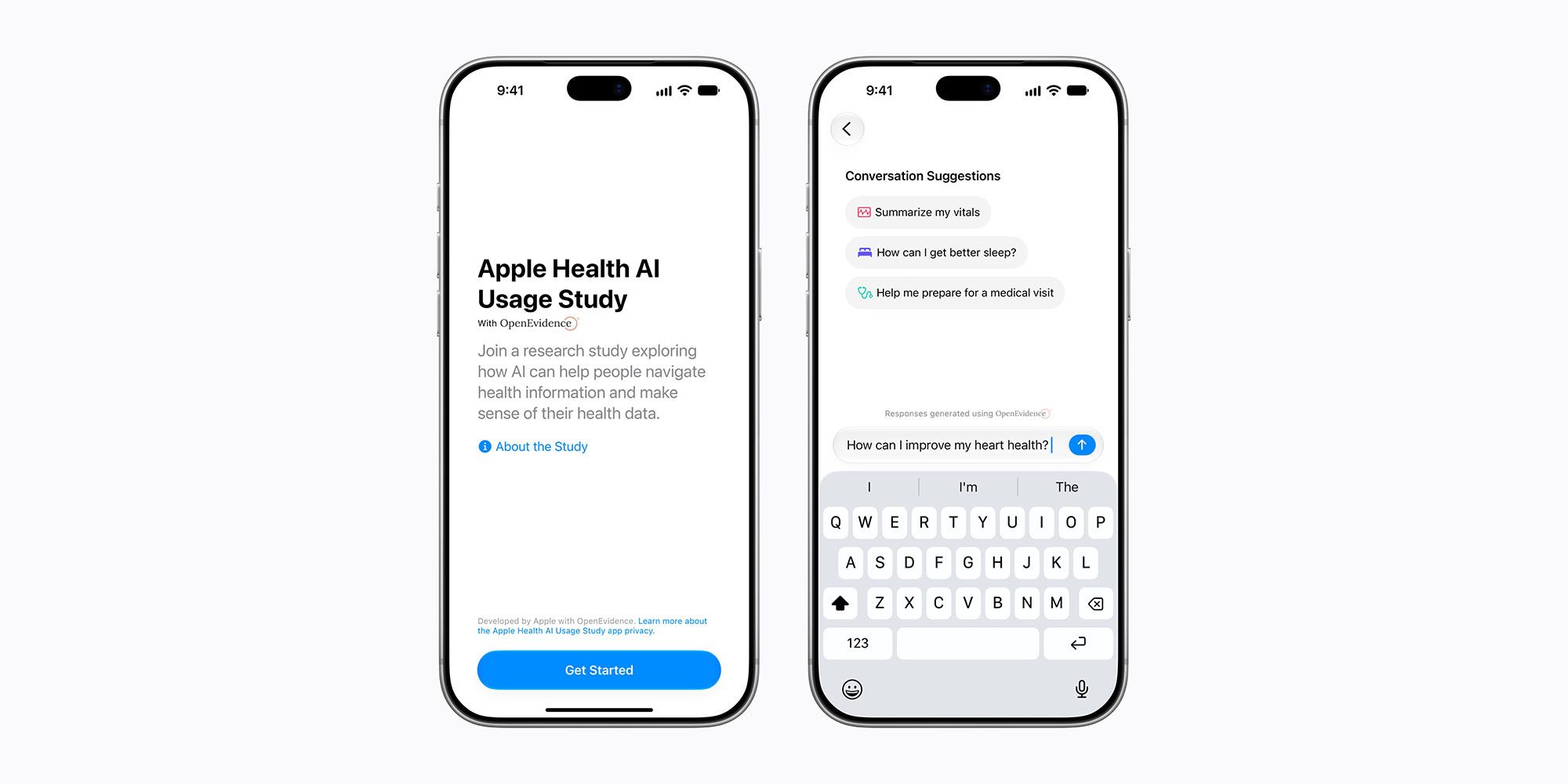
Apple’s recent focus on AI, as seen in the Apple’s Health AI Study Offers Safer Chatbot Answers and YouTube Fights AI Slop with New Monetization Rules articles, suggests that Apple may integrate machine learning models directly into the A19. Possible applications include:
- Real‑time upscaling of 1080p content to 4K using neural networks.
- Adaptive bitrate streaming that predicts network conditions and pre‑fetches segments.
- Voice‑controlled UI with improved natural language understanding.
Hardware Evolution
Apple may continue to refine its silicon by:
- Reintroducing the disabled core in future revisions, improving efficiency.
- Increasing GPU core count to support higher frame rates for gaming.
- Integrating dedicated AI accelerators similar to the Neural Engine in iPhones.
Market Trends
The streaming hardware market is shifting toward devices that can handle 8K content, immersive audio, and low‑latency gaming. Apple’s A19 positions the TV 4K to meet these demands, but competitors may respond with custom silicon or partnerships with ARM. The industry will likely see a convergence of media playback and gaming capabilities, blurring the line between traditional set‑top boxes and handheld consoles.
Frequently Asked Questions
Q: Why is one core disabled in the A19 chip? A: The disabled core is a result of manufacturing binning. A defect prevented the core from meeting Apple’s quality thresholds, so it was disabled to maintain overall chip yield.
Q: Does the disabled core affect battery life? A: Apple TV 4K is a wall‑powered device, so battery life is not a concern. However, the disabled core could slightly increase idle power consumption due to less efficient core distribution.
Q: Will future Apple TV models re‑enable the core? A: Apple may re‑enable the core in later revisions if manufacturing yields improve, or they may adopt a different core configuration altogether.
Q: How does the A19 compare to the A15 in GPU performance? A: The A19 GPU runs at 1.47 GHz versus the A15’s 1.26 GHz, offering roughly a 15 % performance boost for graphics‑intensive tasks.
Q: Are there any security implications of a disabled core? A: The disabled core does not affect the Secure Enclave or other security subsystems. Apple’s silicon security architecture remains intact.
Conclusion
Apple’s decision to ship the new Apple TV 4K with an A19 chip that has one efficiency core disabled reflects a nuanced balance between manufacturing realities and performance ambitions. While the disabled core may raise eyebrows, the overall architecture delivers a significant boost in CPU and GPU capabilities, positioning Apple at the forefront of streaming hardware innovation. As the industry moves toward higher resolutions, AI‑driven features, and integrated gaming experiences, Apple’s silicon strategy will likely evolve to meet these demands, potentially reintroducing the disabled core or adding new accelerators in future iterations. For consumers and developers alike, understanding these technical nuances is essential to fully leverage the power of Apple’s next‑generation media platform.
Source: Original Article