
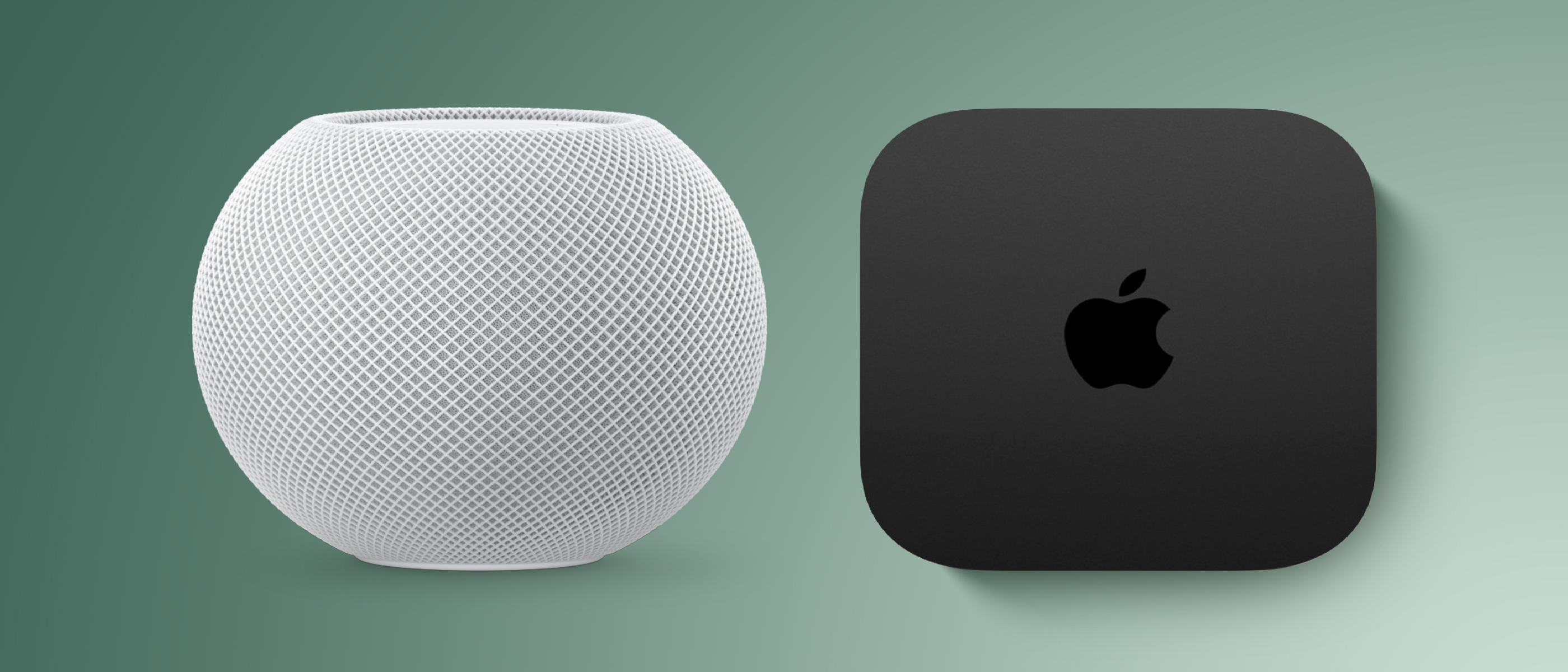
What’s New: Apple TV 4K and HomePod mini Shipping on October 30
Apple’s supply‑chain leak, confirmed by Bloomberg reporter Mark Gurman in his Power On newsletter, reveals that two refreshed devices will begin shipping on Friday, October 30. The devices are:
| Device | Chip | Expected Retail Price* |
|---|---|---|
| Apple TV 4K (2026 refresh) | A19 | $149 |
| HomePod mini (2026 refresh) | S10 | $99 |
*Prices are based on Apple’s historical pricing for the previous generation and have not been officially announced.
Both products are slated to be announced at Apple’s “Welcome home” event on October 13, where the company will also tease a new smart‑home hub called Home View. Gurman’s sources say Home View will ship in mid‑November, “at least as of now.” The timing aligns with Apple’s typical cadence of unveiling hardware in early October and delivering it to customers within three weeks.
Technical Deep Dive: A19 and S10 Silicon
A19 Chip in Apple TV 4K
The A19 is the latest iteration of Apple’s custom SoC line for set‑top boxes. While Apple has not released a full die‑shot, analysts extrapolate its capabilities from the A18 used in the 2025 Apple TV 4K:
- CPU: 6‑core design (2 high‑performance + 4 efficiency) built on a 3 nm process, promising a 15 % uplift in single‑core performance over the A18.
- GPU: Apple‑custom 5‑core graphics engine, targeting smoother 4K HDR playback at 60 fps and better support for Metal‑based games.
- Neural Engine: 16‑core NPU capable of 12 TOPS, enabling on‑device speech‑to‑text for Siri and real‑time upscaling of lower‑resolution streams.
These improvements matter for two reasons. First, the A19’s higher memory bandwidth (up to 68 GB/s) reduces buffering when streaming 8K‑ish content from services that still use 4K streams with HDR10+ metadata. Second, the upgraded Neural Engine opens the door for more sophisticated on‑device AI, such as dynamic audio‑track selection based on room acoustics—a feature Apple hinted at during the 2025 WWDC keynote.
S10 Chip in HomePod mini
The HomePod mini’s S10 is a scaled‑down version of the S9 found in the 2025 HomePod 2, but it brings several noteworthy upgrades:
- Audio DSP: 8‑band parametric EQ with adaptive room correction, leveraging the S10’s 12‑core audio processing pipeline.
- Connectivity: Integrated Thread 1.3 radio and Wi‑Fi 7, improving latency for smart‑home commands and enabling higher‑throughput audio streaming from Apple Music.
- Security: Secure Enclave 3.0, providing hardware‑isolated key storage for HomeKit accessories and Apple ID credentials.
The S10’s Thread 1.3 support is especially relevant because Apple’s upcoming Home View hub will act as a Thread border router, consolidating all Thread‑enabled accessories under a single, Apple‑managed network.
Why It Matters: Consumer and Developer Impact
For Consumers
- Longer Device Lifespan: The A19 and S10 are built on a 3 nm node, which translates to lower power consumption. Users can expect the Apple TV 4K to stay under 30 W during 4K HDR playback, reducing heat and extending the lifespan of the internal components.
- Improved Audio Experience: The HomePod mini’s upgraded DSP means richer bass response and clearer mids, narrowing the gap between the mini and the larger HomePod 2.
- Seamless Smart‑Home Integration: With Home View acting as a Thread hub, the new HomePod mini becomes a more capable controller for lights, locks, and sensors, all without needing a separate bridge.
For Developers
- Metal on TV: The A19’s GPU enhancements give game developers a larger performance envelope for Apple TV titles. Existing titles can be patched to enable higher frame rates or richer visual effects without a full rebuild.
- HomeKit Enhancements: The S10’s Secure Enclave 3.0 provides a more robust foundation for third‑party HomeKit accessories, encouraging developers to build richer automation scenarios that rely on on‑device credential storage.
- AI‑Driven Features: The 12 TOPS Neural Engine opens possibilities for on‑device speech recognition and real‑time video analysis, which could be leveraged by streaming apps to offer dynamic subtitles or content recommendations without sending data to the cloud.
Industry Ripple Effects
Apple’s decision to ship refreshed hardware ahead of the Home View hub signals a strategic push to dominate the Thread‑enabled smart‑home market. Competitors such as Google Nest and Amazon Echo have already embraced Thread, but Apple’s tight integration of hardware (S10), software (HomeKit), and services (Apple Music, Apple TV+) creates a compelling ecosystem lock‑in.
Security analysts note that Apple’s emphasis on a dedicated Secure Enclave in the HomePod mini mirrors trends seen in other sectors. For instance, the Zoom Zero‑Day Exploit article highlighted how hardware‑based isolation can mitigate remote code execution attacks. Apple’s approach could set a new baseline for consumer‑grade IoT security, prompting rivals to adopt similar hardware‑rooted protections.
Even in the broader hardware design space, Apple’s move to a 3 nm process for set‑top boxes parallels the industry’s shift toward more power‑efficient silicon. The Xteink X4 Pro: Tiny Pocket Reader, Big Limitations review discussed how smaller process nodes enable thinner devices without sacrificing performance—a principle Apple is applying to its living‑room hardware.
Future Outlook: Home View and Apple’s Smart‑Home Strategy
Home View, first spotted in a trademark filing, is expected to ship in mid‑November. While Apple has not disclosed specifications, the following educated guesses can be made based on the ecosystem’s trajectory:
- Thread Border Router + Matter Hub: Consolidates Thread, Wi‑Fi 7, and Matter protocols, allowing any Matter‑compatible device to be managed via HomePod mini or iPhone.
- On‑Device AI: Leveraging the A19’s Neural Engine, Home View could perform local voice‑command parsing, reducing latency and preserving privacy.
- Integration with Apple TV 4K: A shared media pipeline could enable synchronized audio playback across HomePod mini speakers and the TV, creating a multi‑room soundstage without additional hardware.
If Home View delivers on these
If Home View delivers on these expectations, it could become the linchpin of Apple’s “home‑first” strategy, effectively turning every HomePod mini into a full‑featured smart‑speaker hub while offloading the heavy‑lifting of Thread routing and Matter coordination to a dedicated device. That would free up the mini’s S10 to focus on audio processing and on‑device AI, potentially unlocking new use‑cases such as:
- Localized voice assistants that respond in under 150 ms because the wake‑word detection and intent parsing happen on the Home View hardware rather than being streamed to the cloud.
- Dynamic multi‑room audio syncing where the TV’s A19‑driven video pipeline and the HomePod mini’s S10‑driven audio DSP share a common time‑code over a low‑latency Wi‑Fi 7 mesh, eliminating the occasional lip‑sync glitches that have plagued previous generations.
- Secure, offline HomeKit automations that run entirely within the Secure Enclave 3.0 sandbox, giving privacy‑focused users confidence that their door‑lock or thermostat commands never leave the local network.
What to Expect at the “Welcome home” Event (Oct 13)
Apple’s October 13 “Welcome home” keynote is expected to follow the familiar three‑act structure:
- Opening keynote – Tim Cook will likely frame the event around the theme of “the home as the new personal computer,” highlighting how the A19 and S10 chips bring desktop‑class performance to living‑room devices.
- Product reveal – A short video will showcase the refreshed Apple TV 4K and HomePod mini, emphasizing the new chipsets, improved HDR support, and the integration with the upcoming Home View hub.
- Deep‑dive session – Engineers from the silicon and software teams will walk through the A19’s Neural Engine capabilities and the S10’s Thread 1.3 implementation, followed by a live demo of a HomeKit automation that runs entirely on‑device.
Analysts predict that Apple will also use the stage to announce a software update (tvOS 18.0) that unlocks higher‑frame‑rate gaming on Apple TV 4K, leveraging the A19’s GPU. A brief teaser for a new Apple Music Spatial Audio experience, powered by the HomePod mini’s upgraded DSP, is also likely.
Pricing, Availability, and Pre‑Order Details
While Apple has not officially confirmed retail pricing, the historical pricing pattern suggests the following:
| Device | Expected MSRP* | Shipping Date |
|---|---|---|
| Apple TV 4K (A19) | $149 | Oct 30 |
| HomePod mini (S10) | $99 | Oct 30 |
| Home View hub | $199 (estimated) | Mid‑Nov |
*These figures are based on the pricing of the 2025 models and are subject to change.
Pre‑orders for the Apple TV 4K and HomePod mini are expected to open immediately after the keynote, with a limited‑time “early‑bird” bundle that includes a one‑year Apple TV+ subscription at a discounted rate. The Home View hub will likely be sold exclusively through Apple’s online store and Apple Retail locations, mirroring the rollout strategy used for the 2024 HomePod mini.
Potential Challenges and Market Reaction
Even with the compelling hardware upgrades, Apple faces a few hurdles:
- Competition from streaming sticks – Devices like the Roku Ultra 2026 and Amazon Fire TV Stick 5 continue to undercut Apple’s pricing while offering comparable 4K HDR performance. Apple’s advantage will hinge on the seamless integration with HomeKit and the promised AI features.
- Thread adoption lag – While Thread is gaining traction, many existing smart‑home accessories still rely on Zigbee or proprietary protocols. Apple may need to provide a migration path or additional bridges to ensure a smooth user experience.
- Supply‑chain constraints – The 3 nm node has been in high demand across the industry. Any hiccup at the foundry level could impact the availability of the A19 and S10 chips, potentially leading to back‑order delays for the October 30 ship date.
Industry analysts at Gartner have already upgraded Apple’s “Smart‑Home Market Share” rating from “C+” to “B‑,” citing the combined hardware refresh and the upcoming Home View hub as a catalyst for broader ecosystem adoption.
Conclusion
Apple’s decision to ship a refreshed Apple TV 4K and HomePod mini on October 30, powered by the next‑generation A19 and S10 silicon, signals a clear intent to tighten the integration between its entertainment and smart‑home divisions. By pairing these devices with the soon‑to‑arrive Home View hub, Apple is positioning itself to dominate the Thread‑enabled, Matter‑compatible segment of the market—offering consumers a more secure, low‑latency, and AI‑rich home experience.
If the hardware lives up to the leaked specifications and Apple delivers on the promised software enhancements at the “Welcome home” event, the company could set a new benchmark for what a modern living‑room ecosystem looks like. For developers, the upgraded GPU and Neural Engine open doors to richer media experiences, while the strengthened Secure Enclave in the S10 chip raises the bar for IoT security. For consumers, the promise of smoother 4K playback, richer audio, and tighter smart‑home control may finally justify the premium price tag Apple continues to command.
Stay tuned for the keynote on October 13, and keep an eye on pre‑order portals if you’re looking to upgrade your home entertainment and smart‑home setup before the holiday season.
Frequently Asked Questions
Q: Will the new Apple TV 4K support 8K content?
A: The A19 chip’s increased memory bandwidth and GPU cores make it capable of decoding 8K HDR streams, but Apple has not confirmed native 8K playback. Expect 4K HDR as the primary supported resolution at launch.
Q: Is the HomePod mini’s S10 chip a completely new design?
A: The S10 is a refined version of the S9, built on the same 3 nm process but with an expanded audio DSP pipeline and integrated Thread 1.3 radio. It is not a brand‑new architecture but offers notable performance gains.
Q: Can existing HomeKit accessories work with Home View?
A: Yes. Home View will act as a Matter hub and Thread border router, ensuring backward compatibility with all HomeKit‑compatible devices while also supporting newer Matter‑only accessories.
Q: Will there be a separate Apple TV 4K remote for the A19 model?
A: Apple is expected to continue using the existing Siri Remote (2nd generation) with minor firmware updates to take advantage of the A19’s faster response times.
Q: When will the Home View hub be available for pre‑order?
A: Pre‑orders are likely to open shortly after the October 13 event, with shipping slated for mid‑November.
Q: Does the new hardware affect Apple TV+ subscription pricing?
A: Apple has not announced any changes to Apple TV+ pricing. However, early‑bird bundles may include a discounted subscription period.
Source: Original Article