
The Core Announcement: Neon’s Open‑Source SCP Anthology
Neon, the distributor behind Oscar‑winning titles such as Parasite and Anora, has unveiled plans for an open‑source horror anthology rooted in the SCP Foundation’s collaborative universe. The project, slated for a theatrical debut in 2027, will be produced under the Creative Commons Share‑Alike (CC BY‑SA) license that governs all SCP‑Wiki content. By committing to the same licensing terms, Neon positions itself as a counter‑example to A24’s recent V/H/S SCP‑themed film, which proceeded without consulting the SCP Wiki administrators and without honoring the required open‑source attribution and share‑alike provisions.
The SCP Foundation, a community‑driven repository of speculative horror fiction, operates under a strict CC BY‑SA 3.0 license. Any derivative work—whether a short story, video, or feature film—must credit the original creators and release the new work under the same license. Neon’s public statement emphasizes “excellent communication and commitment to following the requirements of our license as well as the spirit of collaboration at the core of the SCP Foundation project,” echoing the admin team’s praise.
Licensing Landscape: From Open‑Source Code to Open‑Source Cinema
Why Creative Commons Matters for Film
Creative Commons (CC) licenses were originally designed for textual and software works, yet they have increasingly been applied to audiovisual media. The CC BY‑SA clause obliges creators to:
- Attribute the original source (the SCP Wiki, in this case).
- Share alike, meaning any derivative must be released under the same CC BY‑SA terms.
- Allow commercial use, unless a more restrictive variant is chosen (SCP uses the most permissive CC BY‑SA).
For a major distributor like Neon, adhering to these terms requires a re‑evaluation of traditional profit models. Revenue streams such as theatrical box office, streaming royalties, and merchandising must be structured so that the underlying work remains freely shareable. This is a departure from the closed‑source, rights‑controlled approach that dominates Hollywood.
The A24 Controversy in Context
A24’s V/H/S SCP project sparked a public dispute when the studio released a trailer without notifying the SCP Wiki admins. The admins responded that while they “love to sit down with A24, Spooky Pictures, and other involved parties to discuss options for how they could make and distribute a film while complying with CC BY‑SA,” the studio had not yet demonstrated willingness to meet those conditions. The controversy highlighted a broader industry tension: how to reconcile commercial filmmaking with community‑owned IP.
Neon’s decision to fully comply with the CC BY‑SA license signals a shift toward a more collaborative model. It also serves as a practical case study for other studios that might consider adapting open‑source narratives.
Why It Matters: Cultural, Legal, and Business Implications
- Preserving Community Trust – The SCP community has built a massive, fan‑generated canon over a decade. Respecting its licensing terms safeguards the goodwill that fuels ongoing contributions.
- Setting a Legal Precedent – By openly licensing a theatrical release, Neon creates a reference point for future disputes involving open‑source IP in mainstream media.
- Economic Experimentation – The project will test revenue models that coexist with open‑source distribution, potentially influencing how indie studios monetize fan‑based content.
These factors converge to make Neon’s anthology a bellwether for the next wave of “open‑source cinema,” where creators, fans, and distributors share ownership and profit.
Industry Impact: Ripple Effects Across Media and Tech
Influence on Independent Filmmaking
Neon’s model could inspire a new class of anthology films that source scripts, concepts, and even visual effects from online communities. Emerging filmmakers will have a ready‑made, legally safe sandbox to experiment with high‑concept horror without negotiating costly rights.
Parallel Lessons from Other Tech Sectors
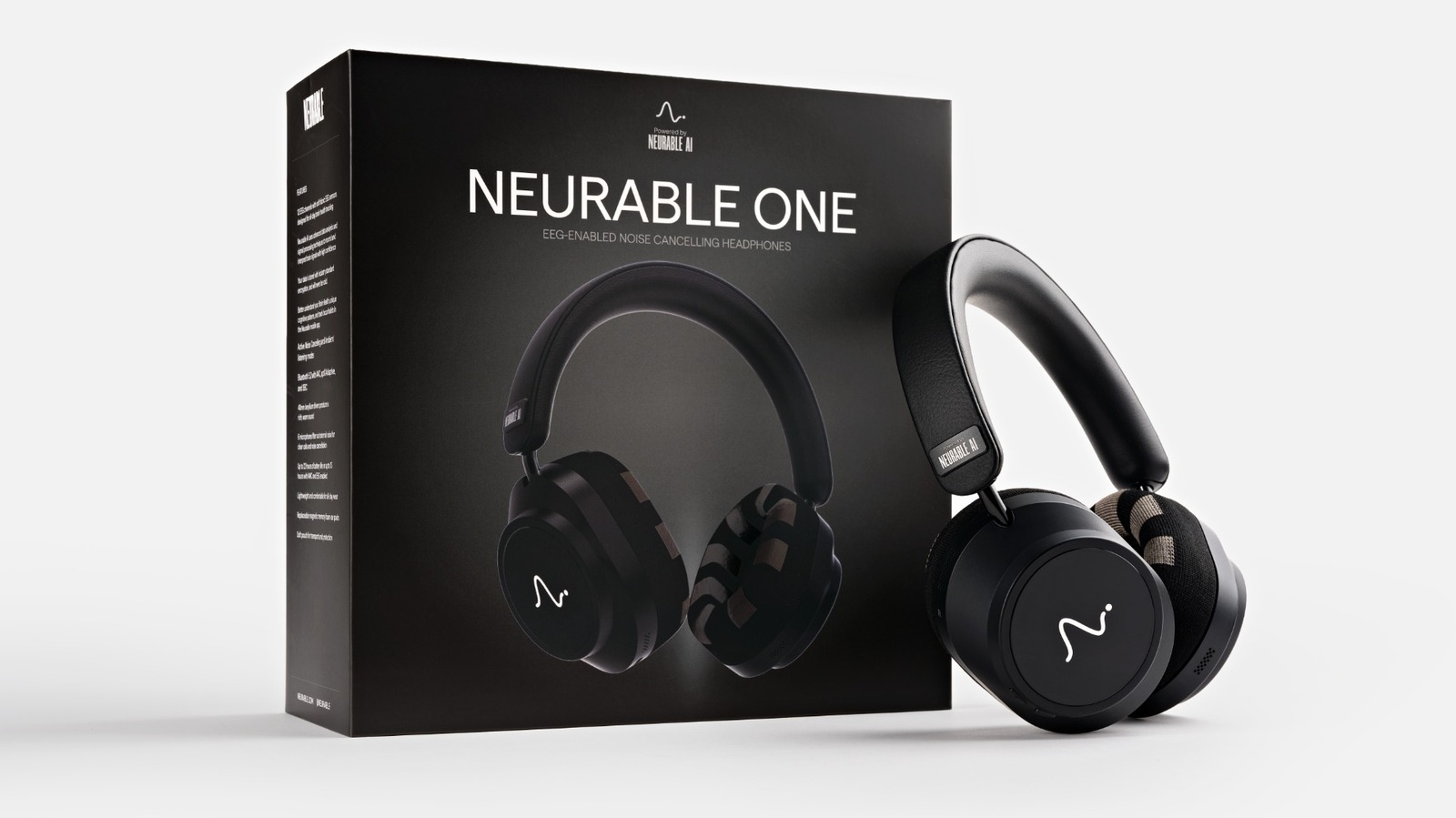
- Neurable One: Brain‑Scanning Headphones Debut – The launch demonstrated how a hardware company navigated open‑source firmware while maintaining a commercial product line. Neon’s licensing approach mirrors this balance of openness and profitability. (Read more: https://ltdeveloperblogs.github.io/posts/neurable-launches-its-newest-brain-scanning-headphones )
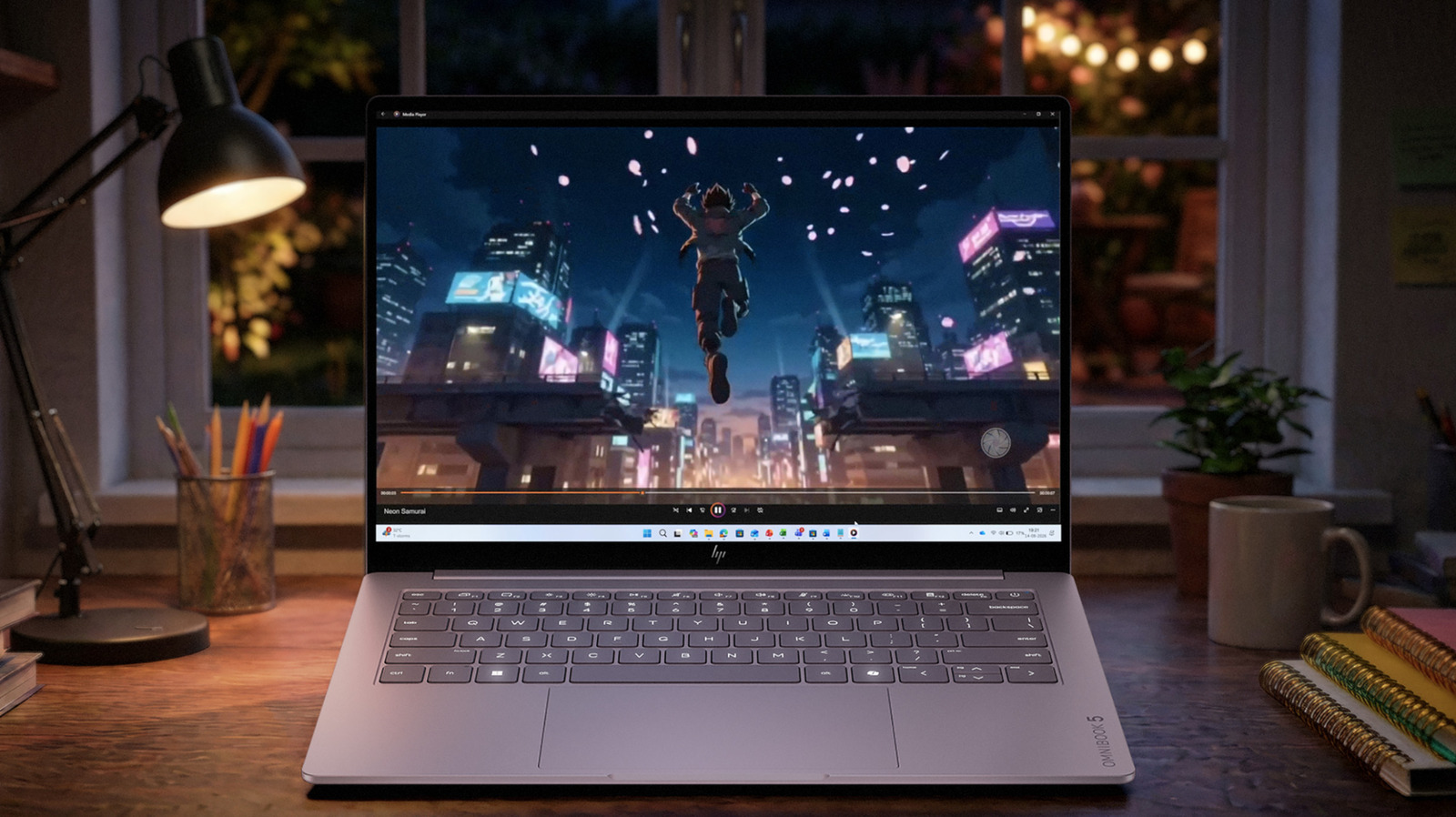
- HP OmniBook 5 Review – The OmniBook’s modular design enables creators to run open‑source editing suites on portable hardware, a trend that could support on‑the‑go production for anthology contributors. (Read more: https://ltdeveloperblogs.github.io/posts/hps-omnibook-5-features-an-oled-screen-and-costs-699 )
- Zoom Annotation Flaw Patched After AI‑Prompt Exploit – The incident underscored the importance of transparent security practices in open‑source ecosystems, a principle that will be critical when Neon releases source assets for community remixing. (Read more: https://ltdeveloperblogs.github.io/posts/zoomsday-hack-uncovered-using-fewer-than-20-ai-prompts )
Potential Shifts in Distribution Platforms
Streaming services may need to adapt their licensing frameworks to accommodate CC‑licensed content. Platforms could offer “open‑source channels” where users can upload derivative works, creating a feedback loop that fuels further content creation.
Technical Breakdown: Production Model and Community Integration
Open‑Source Workflow
- Script Sourcing – Neon will open a submission portal for SCP‑Wiki creators. Accepted scripts will retain the original CC BY‑SA attribution.
- Talent Matching – Emerging directors, cinematographers, and VFX artists will be paired with scripts based on genre expertise (e.g., SCP‑096 horror, SCP‑3008 surrealism).
- Asset Release – All raw footage, VFX libraries, and sound design files will be uploaded to a public repository under CC BY‑SA, enabling remix culture.
- Revenue Sharing – While the core IP remains free, Neon plans to monetize through limited‑edition merchandise, theater ticket sales, and a “premium access” streaming tier that offers behind‑the‑scenes content.
Production Challenges
- Maintaining Consistency – With multiple independent teams, visual and tonal cohesion is a risk. Neon will employ a “creative supervisor” role to enforce style guidelines without infringing on creative freedom.
- Legal Vetting – Each contribution must be verified for compliance with CC BY‑SA, requiring a dedicated licensing team.
- Quality Assurance – Open‑source projects can vary in production value. Neon will allocate post‑production resources to polish each segment to theatrical standards.
Example SCP Entries in the Anthology
- SCP‑173 – A short that plays with static camera angles and forced eye contact, leveraging practical effects to honor the original “statue that moves when not observed” concept.
- SCP‑096 – A visceral chase sequence that explores the psychological terror of an unseen face, using minimal CGI to keep the budget lean.
- SCP‑3008 – An absurdist piece set in an endless IKEA‑like maze, blending set design with digital matte painting to create a disorienting environment.
Future Outlook: What Comes After 2027?
Expansion Beyond Film
If the anthology succeeds, Neon may explore spin‑off series, graphic novels, or interactive VR experiences—all under the same CC BY‑SA umbrella. The open‑source model could also be applied to other community‑driven universes, such as the Backrooms or Creepypasta mythos.
Potential Policy Shifts
The success of a high‑profile, CC‑licensed theatrical release could encourage legislative bodies to clarify how open‑source licenses apply to audiovisual works, reducing ambiguity for future creators.
Community‑Driven Evolution
Because the SCP Wiki community retains the right to remix any released material, fan‑made sequels, alternate cuts, and localized versions could proliferate worldwide, extending the lifespan of the original anthology far beyond its theatrical window.
Frequently Asked Questions
Q1: Will Neon pay any royalties to the original SCP creators?
A: Under CC BY‑SA, no monetary royalties are required. Attribution is mandatory, and any derivative must be released under the same license. Neon’s revenue model relies on ancillary products and premium services rather than direct payments to the original authors.
Q2: How can independent filmmakers get involved?
A: Neon will launch an online portal where creators can submit scripts, pitch concepts, or apply for director slots. Selections will be based on narrative strength, feasibility, and alignment with the anthology’s thematic goals.
Q3: Does the open‑source license affect international distribution?
A: CC BY‑SA is recognized globally, but local copyright laws may impose additional requirements. Neon’s legal team
Neon’s legal team will also coordinate with the SCP Wiki administrators to certify that every piece of content—scripts, visual assets, and promotional material—carries the proper attribution metadata and that the final cut is released under CC BY‑SA 3.0. This diligence aims to pre‑empt any claim of copyright infringement and to set a transparent precedent for future open‑source adaptations.
Distribution Strategy: From Theaters to the Open‑Source Cloud
Neon plans a staggered rollout that leverages both traditional exhibition and digital platforms:
| Phase | Platform | Timing | Key Features |
|---|---|---|---|
| Premiere | Select IMAX and independent cinemas in major markets (Los Angeles, New York, London, Seoul) | Early 2027 | Limited‑run tickets, live Q&A with participating creators |
| Wide Release | Nationwide multiplexes and boutique theaters | Mid‑2027 | Standard theatrical window, optional “director’s commentary” screenings |
| Streaming Launch | Partnered OTT services (e.g., MUBI, Shudder) plus a dedicated Neon‑Open‑Source channel | Late 2027 | Tiered access: free ad‑supported tier (full anthology) and premium tier (behind‑the‑scenes, raw assets) |
| Open‑Source Archive | Public Git‑compatible repository (e.g., GitHub, GitLab) | Immediately after streaming debut | All raw footage, VFX packs, sound stems, and subtitle files released under CC BY‑SA |
By making the source assets publicly available, Neon encourages fan‑made remixes, educational use, and even localized dubbing projects. The premium streaming tier will fund the continued curation of these community contributions, ensuring a sustainable loop of content creation and monetization.
Community Reaction: Enthusiasm Meets Skepticism
The SCP Wiki forums lit up within hours of the announcement. Long‑time contributors praised Neon’s willingness to “play by the rules” and expressed excitement about seeing beloved anomalies like SCP‑173 and SCP‑3008 on the big screen. A notable thread highlighted a fan‑made storyboard for an SCP‑049 segment, which Neon later confirmed would be considered for inclusion in a future “bonus episode” released exclusively on the open‑source archive.
Conversely, some community members voiced concerns about the commercial nature of the project. A recurring theme was the fear that “open‑source” could become a marketing buzzword while the underlying IP remains locked behind paywalls. Neon responded by publishing a detailed whitepaper outlining its revenue‑sharing philosophy, emphasizing that no portion of the core narrative will be gated behind proprietary restrictions.
Potential Challenges and Mitigation Plans
| Challenge | Description | Mitigation |
|---|---|---|
| Quality Consistency | Multiple independent crews could produce uneven visual standards. | A central “creative supervision board” will enforce a style guide and provide post‑production support. |
| Legal Ambiguities | International copyright regimes sometimes interpret CC licenses differently. | Dedicated legal counsel will draft region‑specific distribution agreements and maintain a compliance log for each jurisdiction. |
| Monetization vs. Openness | Balancing profit with free distribution may deter investors. | Neon will leverage ancillary revenue (merch, premium streaming, limited‑edition collectibles) while keeping the core film freely shareable. |
| Piracy Concerns | Open‑source assets could be repackaged without attribution. | Watermarking of source files and community monitoring tools will help track misuse, and the CC license provides a legal basis for takedown requests. |
Looking Ahead: A Blueprint for Open‑Source Cinema
If Neon’s anthology succeeds both critically and financially, it could serve as a template for other studios eyeing community‑driven IPs. The model demonstrates that respecting open‑source licenses does not preclude commercial viability; instead, it can unlock a participatory ecosystem where fans become co‑creators, and creators retain control over their work.
Future possibilities include:
- Interactive Experiences: Leveraging the released assets to build VR or AR installations that let users explore SCP environments in real time.
- Educational Partnerships: Film schools could use the open‑source footage for teaching editing, VFX, and sound design, fostering the next generation of talent.
- Cross‑IP Collaborations: Neon may explore joint ventures with other open‑source mythos (e.g., The Backrooms, Creepypasta) under similar licensing frameworks.
Conclusion
Neon’s commitment to an open‑source SCP horror anthology marks a pivotal moment in the intersection of fan culture, intellectual property law, and mainstream cinema. By adhering strictly to the CC BY‑SA license, Neon not only avoids the pitfalls that plagued the A24 V/H/S controversy but also pioneers a new economic model that aligns commercial ambition with community stewardship. Whether the anthology becomes a cult classic or a cautionary tale, its legacy will undoubtedly influence how studios approach collaborative, open‑source storytelling in the years to come.
Additional Frequently Asked Questions
Q4: Will the released raw assets be usable for commercial projects?
A: Yes, but any commercial derivative must also be distributed under CC BY‑SA 3.0, meaning the new work must remain open‑source and provide proper attribution.
Q5: How will Neon handle language localization?
A: Subtitles and dubbed tracks will be crowd‑sourced from the SCP community, with each language version released under the same CC BY‑SA license. Neon will provide a royalty‑free budget for professional voice talent where needed.
Q6: Can independent theaters host special screenings?
A: Absolutely. Neon will offer a “screening kit” that includes the film, promotional posters, and a discussion guide, all under CC BY‑SA, allowing any venue to host events without additional licensing fees.
Q7: What happens if a contributor later changes their mind about the CC license?
A: Contributions accepted after the official deadline are irrevocably licensed under CC BY‑SA 3.0, as per SCP Wiki policy. Contributors are required to acknowledge this irrevocability before submission.
Q8: Will there be any physical media releases?
A: Yes. Limited‑edition Blu‑ray and DVD sets will be produced, featuring the anthology, bonus behind‑the‑scenes footage, and a QR code linking to the full open‑source repository.
Source: Original Article