






The Discovery
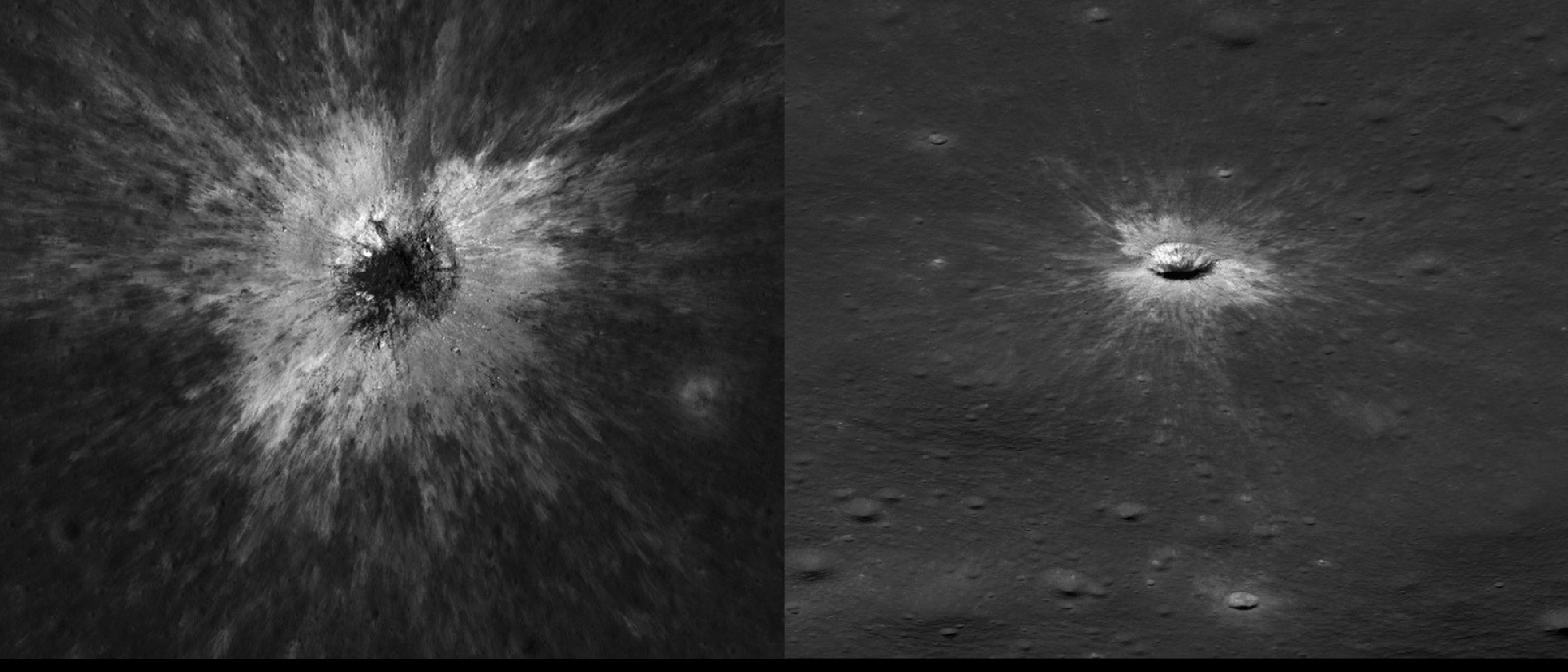
In the quiet span between April 11 and May 22, 2024, a comet or asteroid—roughly the size of a three‑ to six‑story building—plunged into the lunar surface. The impact left a 728‑foot wide, 141‑foot deep crater that would become the largest modern‑day crater in the solar system. NASA’s Lunar Reconnaissance Orbiter (LRO) first noticed the anomaly in October 2025 when scientist Robert Wagner reviewed wide‑angle camera imagery. By comparing before‑and‑after frames, Wagner confirmed a new feature and reported it to the mission team. The crater was subsequently named after Tom Mc Getchin, a respected lunar scientist.
The timing of the event is remarkable. Scientists estimate that an impact of this magnitude occurs only once every ~132 years, underscoring the rarity of such a collision in the Moon’s recent history. The South Pole‑Aitken Basin remains the largest crater on the Moon at 1,550 miles in diameter, but the Mc Getchin crater is the most significant new addition in the last century.
Technical Breakdown of the Impact
Imaging Timeline and Data Acquisition
- Wide‑angle camera (October 2025): Initial detection of the crater’s morphology.
- Narrow‑angle camera (December 2025): High‑resolution imaging captured the crater’s detailed structure a few months after the impact.
The LRO’s imaging cadence allowed scientists to track the crater’s evolution in real time. The narrow‑angle camera’s higher resolution revealed subtle features such as ejecta patterns and secondary craters, providing insights into the impact dynamics.
Crater Dimensions and Morphology
- Diameter: 728 ft (222 m)
- Depth: 141 ft (43 m)
The crater’s depth‑to‑diameter ratio aligns with expectations for a relatively fresh impact on a low‑gravity body. The steep walls and sharp rim indicate minimal erosion, confirming the event’s recent occurrence.
Regolith Disturbance and Thermal Anomalies
A team of scientists identified a 4‑mile‑wide region surrounding the crater that is approximately 16 °F cooler at night. This temperature differential arises because the impact disrupted the regolith, creating a less dense layer that cannot retain heat as effectively. The cooler spot is a direct consequence of the impact’s mechanical effects on the lunar surface.
Scientific Significance
Regolith Physics
The discovery offers a unique laboratory for studying regolith behavior under extreme conditions. By comparing the thermal properties of the disturbed regolith to undisturbed areas, researchers can refine models of heat transfer on the Moon. These models are critical for designing future habitats and rovers that must operate in a thermally dynamic environment.
Impact Frequency Calibration
The 132‑year impact frequency estimate is grounded in crater counting and dynamical simulations. The Mc Getchin crater provides a tangible data point to validate these models, improving our understanding of the near‑Earth object population and its collision risk with the Moon.
Comparative Planetology
The crater’s size and morphology allow for comparisons with impact features on other airless bodies, such as Mercury and asteroids. By studying the ejecta distribution and rim structure, scientists can infer the mechanical properties of the target surface, contributing to a broader understanding of planetary geology.
Implications for Lunar Exploration
Rover Design and Mobility
NASA notes that cooler spots could affect how rover wheels interact with the surface. The reduced thermal conductivity of the disturbed regolith may alter wheel‑ground friction, potentially impacting traction and energy consumption. Future rover designs will need to account for such variations to ensure reliable navigation.
Surface Operations Planning
Mission planners can use the thermal anomaly data to schedule activities that are sensitive to temperature, such as solar power generation or instrument calibration. Understanding the spatial extent of cooler regions helps in selecting optimal landing sites and operational corridors.
Instrumentation Calibration
The LRO’s imaging success demonstrates the value of continuous, high‑resolution monitoring. Similar strategies could be employed by future missions, such as the Artemis program, to detect and analyze transient events on the lunar surface.
Future Outlook and Industry Impact
Advancing Lunar Surface Science
The Mc Getchin crater will serve as a reference point for future studies of impact processes and regolith evolution. Researchers will likely conduct follow‑up observations with upcoming missions, including the Lunar Surface Access Module and the planned Lunar Gateway.
Cross‑Disciplinary Applications
The techniques used to detect and analyze the crater—high‑resolution imaging, temporal comparison, and thermal modeling—are applicable beyond lunar science. For instance, the same data processing pipelines are employed in wearable technology analysis, as highlighted in our review of the Apple Watch Ultra 4 vs Samsung Galaxy Ultra 2. Similarly, the rigorous software validation required for LRO’s data handling echoes the security measures discussed in the Zoom Annotation Flaw Patched article.
Industry Collaboration
Companies like Intuitive Machines, already involved in lunar logistics, may leverage the new insights to refine payload designs and surface interaction strategies. The knowledge gained from the Mc Getchin crater could inform the development of more robust robotic systems for future lunar missions.
FAQ
Q: How was the crater first detected?
A: NASA scientist Robert Wagner spotted a change in the Moon’s surface while reviewing wide‑angle camera images from LRO in October 2025.
Q: Why is the crater considered the largest modern‑day crater?
A: Its 728‑foot diameter and 141‑foot depth make it the most significant new impact feature on the Moon in the last 132 years.
Q: What causes the cooler region around the crater?
A: The impact disturbed the regolith, creating a less dense layer that cannot retain heat as effectively, leading to a ~16 °F temperature drop at night.
Q: How does this discovery affect future lunar missions?
A: It informs rover design, surface operation planning, and thermal modeling, ensuring safer and more efficient exploration.
Q: Can we expect more impacts of this size?
A: Based on current models, such an impact occurs roughly once every 132 years, making it a rare event.
Source: Original Article