




Living with a Parrot in a Two‑Bedroom Los Angeles Apartment
The Verge’s personal essay, “My parrot ate my keyboard,” paints a vivid picture of a modern remote‑work household: a two‑bedroom apartment in Los Angeles, a child, two energetic dogs, and Kiyo, a Senegal parrot perched in a corner wrap‑around window. The setting is more than a backdrop; it illustrates the spatial constraints many urban remote workers face.
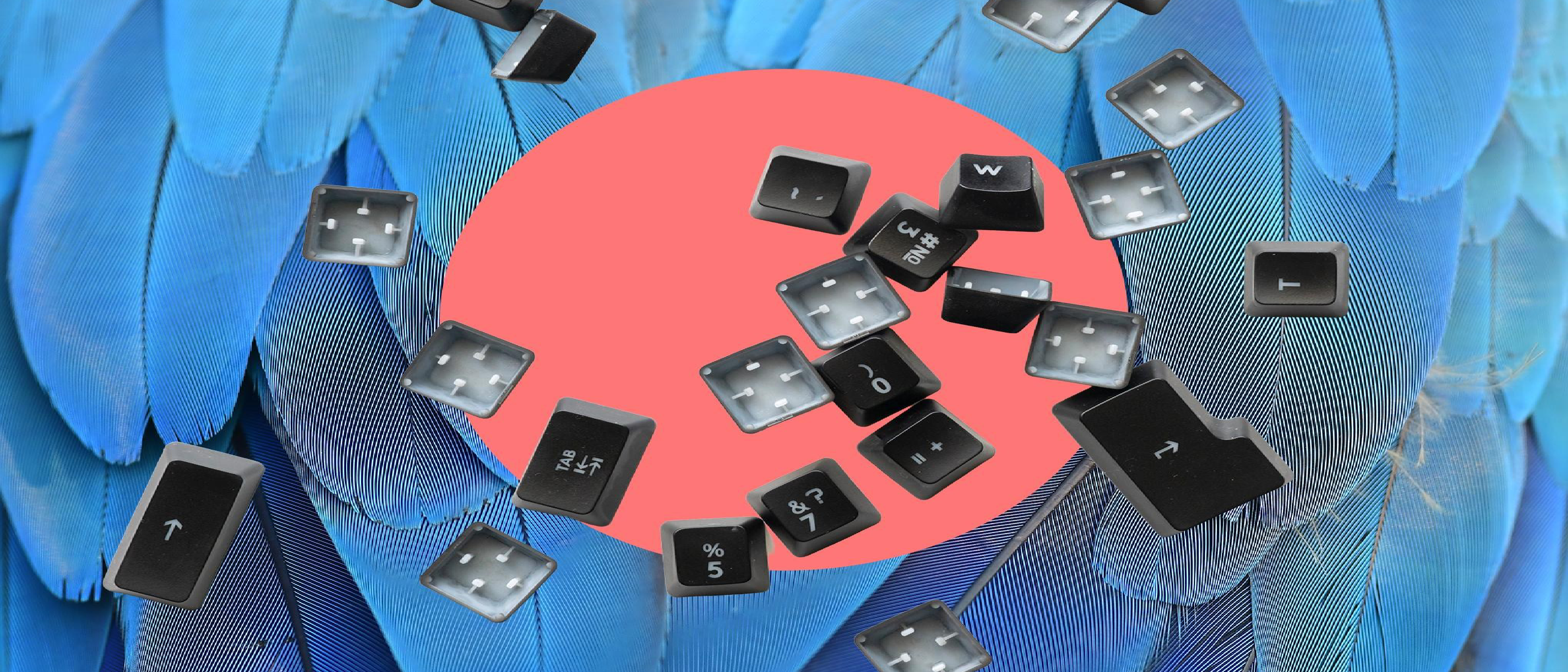
A wrap‑around window offers Kiyo an unobstructed view of the living room, turning the bird into a silent observer of every Zoom call, code compile, and spreadsheet shuffle. The proximity that makes Kiyo feel included also creates friction—most notably the titular incident where a curious beak chews through a keyboard. This anecdote is a microcosm of a larger tension: balancing productivity with the unpredictable needs of a multi‑species household.
Why Pet Presence Matters in Remote Work
Emotional Fulfillment
Pets have been shown to reduce cortisol levels and increase oxytocin, both of which improve focus and mood. For remote workers, the emotional anchor that a pet provides can offset the isolation that often accompanies home‑based jobs. Kiyo’s chatter, the dogs’ wagging tails, and the child’s laughter collectively create a “live‑in” support system that a solitary office cubicle cannot replicate.
Cognitive Breaks and Creativity
Short, unplanned interactions with pets act as micro‑breaks that prevent mental fatigue. Studies from the Journal of Occupational Health suggest that a five‑minute pause to pet a dog or watch a bird can reset the prefrontal cortex, leading to sharper problem‑solving after the break. In the article, the author notes moments when Kiyo’s mimicry of keyboard clicks sparked a spontaneous brainstorming session for a UI redesign.
Hidden Costs
However, the benefits come with hidden costs: damaged equipment, increased cleaning, and the need for pet‑friendly ergonomics. The keyboard incident is a reminder that hardware durability and placement become strategic decisions when a parrot can reach a desk.
Technical Solutions: Smart Pet Gadgets and AI
The pet‑tech market has responded to these challenges with a wave of hardware and software innovations.
AI‑Powered Litter Boxes and Smart Feeding Stations – While primarily for cats, the underlying sensor technology can be adapted for birds. Motion‑detecting feeders can dispense treats only when Kiyo is perched in a designated “safe zone,” reducing the temptation to explore the desk. See our broader overview in the article “ Smart Pet Gadgets: AI Litter Boxes, Fish Tanks & More .”
Google Pet Memory: AI Pet ID for Gemini Smart Home – Google’s recent AI model can recognize individual pets via camera feeds and adjust home settings accordingly. In a Kiyo‑centric setup, the system could mute notifications when the parrot is vocalizing or lock the keyboard’s USB ports during peak beak activity. Details are explored in “ Google Pet Memory: AI Pet ID for Gemini Smart Home .”
Smart Window Integration – The wrap‑around window that gives Kiyo his stage can be upgraded with electrochromic glass that dims automatically when sunlight becomes too intense, protecting the bird’s eyes while preserving the view. Firefox’s experimental “Smart Window” concept demonstrates how AI can dynamically adjust transparency based on occupancy and ambient light, a principle that can be repurposed for pet‑friendly windows. Read more in “ Firefox Smart Window: AI‑Powered Browsing Redefined .”
Durable, Pet‑Resistant Peripherals – Manufacturers are now offering keyboards with reinforced keycaps made from polycarbonate blends that resist beak damage. Some models include a detachable “pet‑guard” sleeve that slides over the keyboard when not in use.
These solutions illustrate a convergence of hardware durability, AI perception, and user‑centric design aimed at protecting both the pet and the professional’s workflow.
Industry Impact: From Home Offices to Pet‑Centric Design
The rise of pet‑inclusive remote work is reshaping several tech sectors:
Consumer Electronics – Companies like Logitech and Razer are testing “pet‑proof” accessories, recognizing a market segment that values durability as much as performance.
Smart Home Platforms – Amazon Alexa, Google Home, and Apple HomeKit are expanding pet‑specific routines (e.g., “Parrot Playtime” that triggers a favorite song while dimming lights).
Real Estate Tech – Rental platforms now list “pet‑friendly” amenities, and some smart‑building developers incorporate built‑in pet zones with climate control and sound masking.
Insurance – Homeowners’ insurance policies are beginning to include clauses for pet‑related equipment damage, prompting insurers to partner with pet‑tech vendors for risk mitigation.
The ripple effect extends to workplace culture: companies are adding “Pet‑Friendly Remote Work” policies, offering stipends for pet‑tech purchases, and even hosting virtual “Pet Show‑and‑Tell” meetings to strengthen team cohesion.
Future Outlook: Integrating Pets into the Smart Home Ecosystem
Looking ahead, three trends are likely to dominate:
Context‑Aware AI – Future AI assistants will not only recognize a pet’s presence but also infer mood based on vocalizations and movement patterns, adjusting lighting, music, or even suggesting a short break for the owner.
Modular Pet‑Safe Furniture – Desk manufacturers are prototyping modular surfaces with built‑in perches, feeding trays, and cable management that keep cords out of reach while maintaining ergonomic standards.
Biometric Monitoring for Pets – Wearable sensors that track heart rate and stress levels could feed data into a homeowner’s health dashboard, allowing remote workers to monitor both their own and their pets’ well‑being in real time.
These innovations will blur the line between “work” and “home” even further, turning the remote office into a truly shared environment where humans and animals co‑create productivity.
FAQ
Q1: How can I protect my keyboard from a curious parrot without buying a new one?
A: Use a detachable silicone keyboard cover, keep the desk clear of loose items, and consider a short “pet‑guard” sleeve that slides over the keys when you step away.
Q2: Are there specific smart feeders designed for birds?
A: While most smart feeders target cats and dogs, the underlying motion‑sensor technology can be calibrated for smaller beaks. Look for feeders with adjustable weight thresholds.
Q3: Will AI pet recognition work reliably for a parrot that changes its perch?
A: Modern computer‑vision models can track birds across multiple angles, especially when paired with a fixed camera view like a corner window. Training the model with a few dozen images of Kiyo will improve accuracy.
Q4: Does pet‑friendly smart glass affect energy efficiency?
A: Electrochromic glass can reduce cooling loads by up to 30 % when tinted during peak sunlight, benefiting both the pet’s comfort and the household’s energy bill.
Q5: Should I inform my employer about my pet‑related workspace challenges?
A: Transparency helps. Many companies now offer “pet‑tech allowances” or flexible scheduling to accommodate short breaks for pet care, which can improve overall productivity.
The anecdote of a parrot nibbling a keyboard may seem whimsical, but it underscores a growing reality: remote work spaces are evolving into multi‑species habitats. By embracing smart pet hardware, AI‑driven home automation, and durable design, professionals can safeguard their equipment while preserving the emotional benefits that pets like Kiyo bring to daily life.
Source: Original Article