




The Strategic Pivot: From Linear TV to a Fandom Economy
The television landscape has been in a state of accelerated decline for years, with cord‑cutting eroding the traditional revenue base of cable news. MS NOW—formerly MSNBC—has chosen to confront that reality head‑on by redefining its relationship with viewers. Under President Rebecca Kutler, the network is no longer content to be a passive broadcaster; it is positioning itself as a fandom platform where the audience is an active participant, not just a consumer.
This shift mirrors broader cultural trends where influencers, not anchors, dominate social feeds. Kutler’s own words capture the mindset: “In a world where influencers are the new newscasters, and linear TV is in an inevitable decline, MS NOW is diving directly into the breach: applying the influencer playbook to build a sustainable business that’s future‑proofed.” By treating its most loyal viewers as “superfans,” MS NOW aims to capture the emotional loyalty that drives merchandise sales, event tickets, and premium subscriptions in other sectors.
The move also reflects the network’s new ownership structure. Versant, a spin‑out of NBCUniversal, now controls MS NOW, CNBC, E! and several golf assets. Unlike a conglomerate that must fund theme parks and other unrelated ventures, Versant can reinvest subscription revenue directly back into the news brand, accelerating product development and community building.
Inside the MS NOW Membership: Features and Technical Architecture
The MS NOW Membership is a multi‑layered product designed to keep fans glued to the brand across devices and time zones. Its core components are:
Live Talent Interaction
- Schedule: Two daily windows (12 PM and 6 PM) every day of the week.
- Rotation: Anchors and commentators are assigned specific days—Rachel Maddow on Mondays, Michael Steele on Tuesdays, Jen Psaki on Wednesdays, Al Sharpton on Thursdays, etc.
- Functionality: Members join a secure video‑chat room, raise their hand, and ask questions in real time. The system uses low‑latency WebRTC streams to ensure a seamless experience.
Community Tools
- Private discussion boards, moderated by staff and occasional guest experts.
- Reputation points earned by asking insightful questions, encouraging a gamified environment.
Exclusive Content
- Original creator series that dive deeper into policy, culture, and the “impact of news on everyday life.”
- A rotating roster of external experts—economists, technologists, and cultural commentators—who produce short‑form explainers.
24/7 Livestream Access
- Members receive an ad‑free feed of the linear broadcast plus a dedicated “MS NOW Live” channel that aggregates behind‑the‑scenes footage, archival clips, and member‑only specials.
From a technical standpoint, the platform leverages a micro‑services architecture hosted on Versant’s private cloud. Authentication is handled via OAuth 2.0 with multi‑factor verification, while the video stack relies on an HLS‑based CDN that automatically scales to accommodate spikes during high‑profile Q&A sessions. Data analytics pipelines ingest interaction logs in real time, feeding recommendation engines that surface the most relevant creator content to each member.
Why It Matters: Audience Engagement and Revenue Implications
Monetizing the “Superfan” Segment
Surveys of 18,000 respondents revealed that 90 % of digital, social, and audio consumers do not regularly watch the linear channel. Yet these same users already spend significant time on MS NOW’s digital properties—outperforming Axios, Politico, The Atlantic in unique visitors and beating The Washington Post and NPR in time‑spent metrics. By converting this latent audience into paying members, MS NOW taps a revenue stream that is insulated from the declining ad rates of linear TV.
Assuming a modest subscription price of $9.99 per month, even a 2 % conversion of the network’s digital audience (estimated at 30 million unique users) would generate $6 million in monthly recurring revenue. This figure dwarfs the incremental ad revenue that a traditional cable bundle might add.
Strengthening Brand Loyalty
The live Q&A format creates a two‑way dialogue that is impossible in a one‑way broadcast. Fans feel heard, anchors gain direct feedback, and the network can quickly gauge sentiment on breaking stories. This loop mirrors the engagement model of platforms like Twitch, where creators build communities around real‑time interaction.
Data‑Driven Content Creation
Every interaction—question, comment, vote—feeds a data lake that informs editorial decisions. The analytics team can identify trending topics, measure the impact of specific anchors, and adjust the content slate accordingly. This feedback loop is reminiscent of how tech companies iterate on product features based on usage metrics.
Industry Impact: How Other Media Players May Respond
MS NOW’s approach could trigger a cascade of similar experiments across the news ecosystem. A few potential ripple effects:
- Cable News Networks – Fox News, CNN, and others may launch their own “membership clubs” with exclusive town‑halls, leveraging their existing talent pools.
- Streaming Platforms – Services like Hulu and Peacock could embed news‑specific fandom layers, bundling news talent interaction with entertainment content.
- Traditional Publishers – Newspapers such as The New York Times already offer subscriber‑only newsletters; they might add live journalist Q&A sessions to deepen engagement.
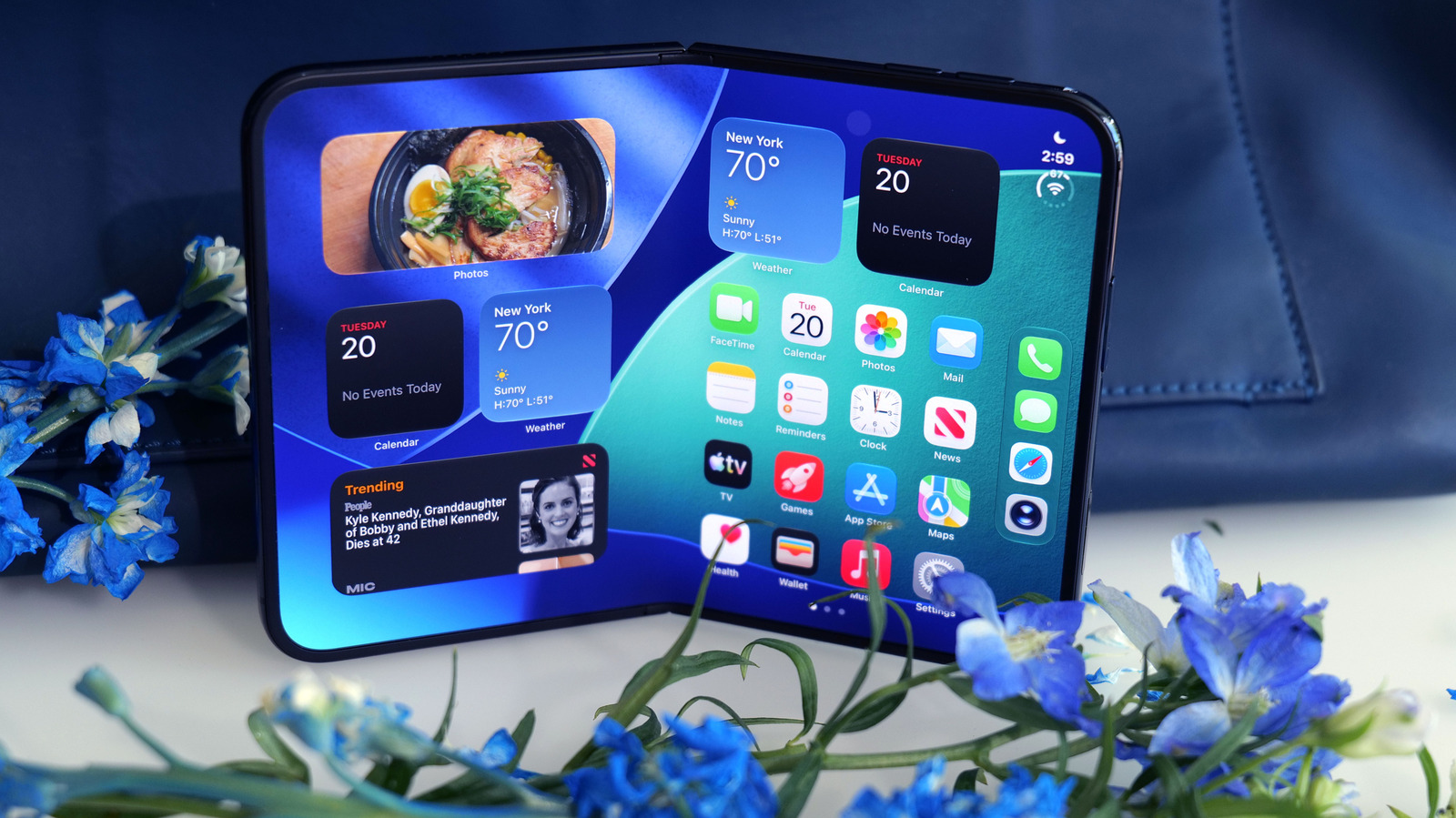
The concept also aligns with broader trends in influencer‑driven commerce. For instance, the hype surrounding the Apple Launches iPhone Duo Foldable: Design & Tech release demonstrated how product launches can be turned into community events, with fans queuing for live streams and exclusive behind‑the‑scenes content. MS NOW is essentially applying that playbook to news.
Similarly, the Apple Watch Series 12 & Ultra 4: Features, Impact article highlighted how subscription services (e.g., Apple Fitness+) create recurring revenue by bundling hardware with ongoing content. MS NOW’s membership mirrors this model: a “hardware” (the news brand) paired with a continuous stream of exclusive experiences.
Even cultural phenomena like the rise of fitness icon Zyzz—documented in Zyzz: The Rise, Tragedy, and Legacy of a Fitness Icon —show how fandom can be monetized through merchandise, events, and premium content. MS NOW is borrowing that same fan‑first mentality, but for political journalism.
Future Outlook and Potential Challenges
Scaling Community Management
As membership numbers grow, moderating live chats and discussion boards will become resource‑intensive. Automated moderation tools powered by natural language processing can filter profanity and misinformation, but human oversight will remain essential to maintain credibility.
Balancing Editorial Independence
Introducing a paywall for direct access to anchors could raise questions about bias. If a member’s question is answered, does that create an implicit obligation to cater to that individual’s viewpoint? MS NOW will need clear guidelines to preserve journalistic integrity while still offering personalized interaction.
Competition for Attention
The digital attention economy is crowded. Competing platforms—TikTok, YouTube, podcasts—already command massive youth viewership. MS NOW must continuously innovate its content verticals (e.g., “News Meets Lifestyle”) to stay relevant.
Technological Reliability
Live, low‑latency video at scale demands robust infrastructure. Any outage during a high‑profile Q&A could damage brand trust. Investing in redundant CDN paths and real‑time monitoring will be non‑negotiable.
Frequently Asked Questions
Q: Who can join the MS NOW Membership?
A: Anyone over 13 years old with a valid payment method can subscribe. The service is currently available in the United States, with plans to expand internationally later in the year.
Q: How much does the membership cost?
A: The baseline tier is $9.99 per month, with an annual option that saves roughly 15 % compared to monthly billing.
Q: Will the membership replace the free digital experience?
A: No. The free site and app will remain, but members receive ad‑free streaming, exclusive creator content, and live Q&A access.
Q: Can members suggest topics for upcoming Q&A sessions?
A: Yes. The platform includes a “Topic Pitch” feature where members can submit ideas that are reviewed by the editorial team.
Q: Is the membership content archived for later viewing?
A: All live sessions are recorded and stored in the member portal for on‑demand playback, subject to a 30‑day retention window.
Conclusion
MS NOW’s membership initiative represents a bold experiment in turning a news audience into a true fandom. By marrying the influencer playbook with the rigor of journalism, the network hopes to secure a sustainable revenue stream while deepening viewer loyalty. The technical underpinnings—real‑time video, micro‑services, and data‑driven personalization—provide a scalable foundation, but success will hinge on careful moderation, editorial safeguards, and relentless innovation.
If the model proves profitable, it could reshape how news organizations think about audience relationships, shifting the industry from a broadcast‑centric paradigm to a community‑centric
If the model proves profitable, it could reshape how news organizations think about audience relationships, shifting the industry from a broadcast‑centric paradigm to a community‑centric ecosystem where revenue is driven by engagement, not just eyeballs.
Investor Perspective
- Revenue Forecasts: Early internal models project that a 3 % conversion of the network’s 30 million‑plus digital users would generate roughly $10 million in monthly recurring revenue, enough to offset the decline in linear ad sales within 12‑18 months.
- Valuation Impact: Versat’s ability to reinvest subscription cash directly into MS NOW gives the brand a clear path to higher EBITDA margins, a metric that investors are increasingly using to compare pure‑play digital news outfits against legacy broadcasters.
- Capital Allocation: The company has earmarked a portion of the membership proceeds for expanding the micro‑service infrastructure, hiring additional community moderators, and developing AI‑driven personalization tools—investments that should improve churn rates and lifetime value (LTV).
What’s Next for MS NOW?
- International Rollout (Q2 2027): Plans are already underway to launch the membership in Canada, the United Kingdom, and select European markets, adapting the talent rotation to include region‑specific anchors.
- Expanded Talent Roster: In addition to the current lineup, the network will pilot “guest‑host weeks” featuring high‑profile figures from politics, culture, and tech, creating limited‑time scarcity that drives sign‑ups.
- Merchandise & Live Events: Leveraging the fandom model, MS NOW will introduce limited‑edition apparel and ticketed “town‑hall tours” where members can meet anchors in person, mirroring the success of influencer‑led pop‑up experiences.
- AI‑Powered Personalization: By Q4 2027 the recommendation engine will incorporate sentiment analysis from live Q&A sessions, surfacing content that aligns with each member’s expressed interests and political leanings—while still adhering to strict editorial standards.
Final Thoughts
MS NOW’s membership is more than a paywall; it is a strategic re‑engineering of the news‑consumer contract. By treating its audience as a fandom, the network taps into the same psychological drivers that power everything from gaming guilds to celebrity fan clubs. The technical scaffolding—micro‑services, WebRTC, real‑time analytics—ensures the experience can scale, while the community‑first ethos promises deeper loyalty than traditional subscription models.
If the experiment succeeds, it will provide a blueprint for legacy news brands wrestling with the twin challenges of declining linear viewership and fragmented digital attention. In that scenario, the line between journalist and influencer will blur, but the core promise—delivering trustworthy, timely information—remains the anchor that keeps the fandom grounded.
Source: Original Article